- English
- French
- German
- Portuguese
- Spanish
- Russian
- Japanese
- Korean
- Arabic
- Greek
- German
- Turkish
- Italian
- Danish
- Romanian
- Indonesian
- Czech
- Afrikaans
- Swedish
- Polish
- Basque
- Catalan
- Esperanto
- Hindi
- Lao
- Albanian
- Amharic
- Armenian
- Azerbaijani
- Belarusian
- Bengali
- Bosnian
- Bulgarian
- Cebuano
- Chichewa
- Corsican
- Croatian
- Dutch
- Estonian
- Filipino
- Finnish
- Frisian
- Galician
- Georgian
- Gujarati
- Haitian
- Hausa
- Hawaiian
- Hebrew
- Hmong
- Hungarian
- Icelandic
- Igbo
- Javanese
- Kannada
- Kazakh
- Khmer
- Kurdish
- Kyrgyz
- Latin
- Latvian
- Lithuanian
- Luxembou..
- Macedonian
- Malagasy
- Malay
- Malayalam
- Maltese
- Maori
- Marathi
- Mongolian
- Burmese
- Nepali
- Norwegian
- Pashto
- Persian
- Punjabi
- Serbian
- Sesotho
- Sinhala
- Slovak
- Slovenian
- Somali
- Samoan
- Scots Gaelic
- Shona
- Sindhi
- Sundanese
- Swahili
- Tajik
- Tamil
- Telugu
- Thai
- Ukrainian
- Urdu
- Uzbek
- Vietnamese
- Welsh
- Xhosa
- Yiddish
- Yoruba
- Zulu
Everything You Need to Know About 16 Gauge 1/2 Inch Hog Rings
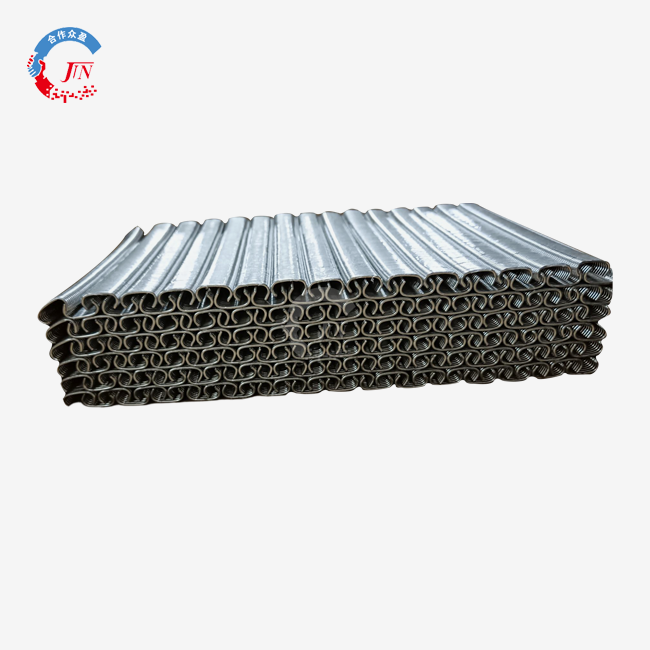
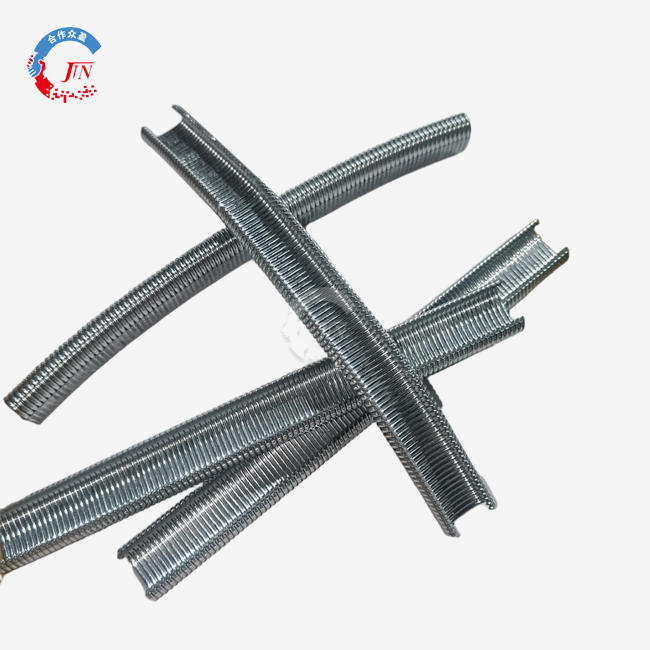
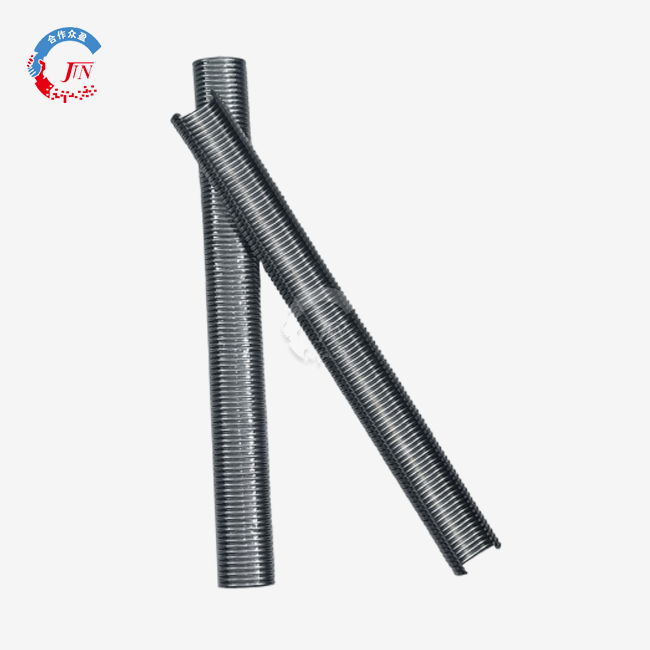
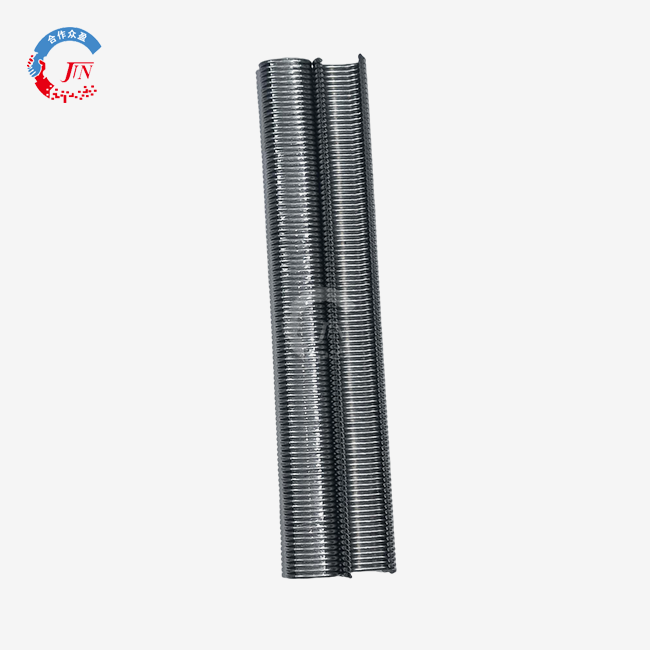
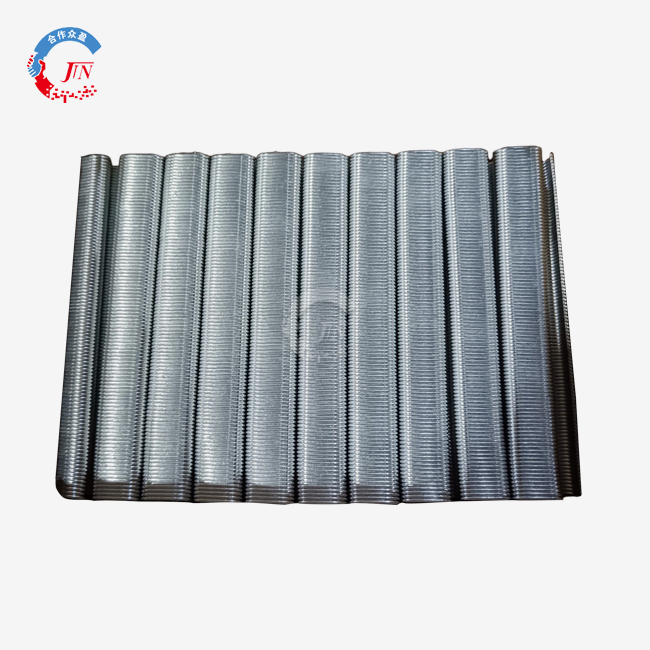
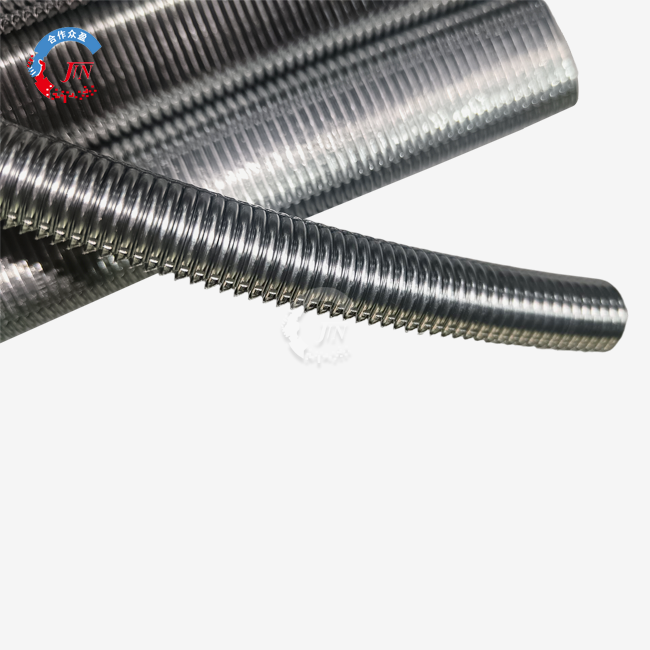
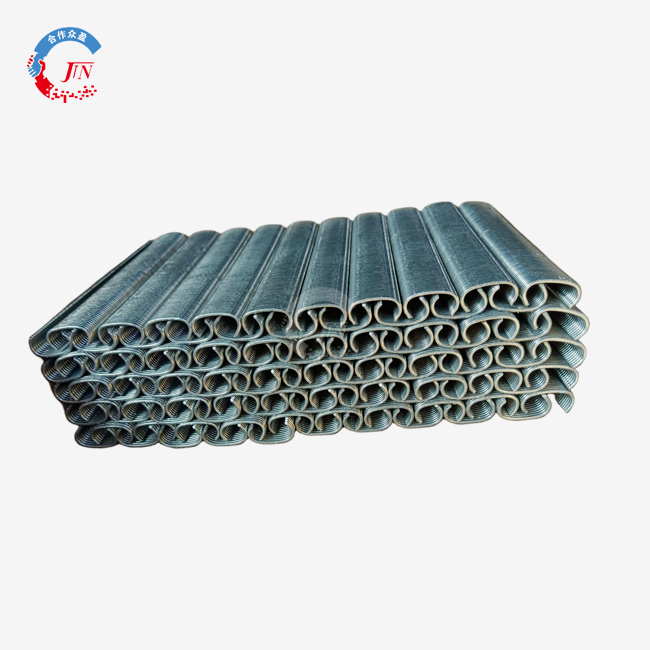
16 gauge 1/2 inch hog rings are an important part of many industrial uses because they are strong, flexible, and long-lasting. The cap of these C-shaped screws is 16.9 mm wide and 8.7 mm high. They are made from high-quality galvanized steel wire that is about 1.6 mm thick. Their unique design makes it easy to connect fabrics, wire mesh, upholstery materials, and other substrates quickly and securely in harsh production settings. Whether you're securing seat cushions in cars, putting together mattress springs, building chicken coops, or strengthening wire fence, these fasteners work consistently to keep production lines running smoothly without stopping for equipment to jam or fasteners to break.


What Are 16 Gauge 1/2 Inch Hog Rings and Their Common Applications?
These specialized fasteners are a must-have for makers who need both mechanical stability and high operating efficiency. The gauge number tells you how thick the wire is—16 gauge is equal to about 0.0625 inches or 1.6 mm—and the half-inch number tells you how big the crown hole is before it is closed. This balanced standard gives them the best binding power without needing too much force to be installed. This means that they can be used with both hand hog ring pliers and pneumatic fastening tools.
Manufacturing workers in many fields use these screws every day because they solve problems with speed of assembly, sturdiness of connections, and compatibility of materials. The zinc covering on the galvanized steel makes it very resistant to corrosion, which means it will last longer even in wet or chemically active settings. Precision manufacturing techniques used by TJJZ to make these rings ensure that they are all the same size, which is a key factor that keeps automatic production equipment from having supply problems.
Industrial Applications Across Key Sectors
When you look at how these fasteners, 16 gauge 1/2 inch hog rings, are used in different factory settings, you can see how versatile they are. They are needed by mattress makers to connect fabric covers to internal frames and bind spring units to border rods. This makes firm sleeping surfaces that can be used every night for years. The screws keep the strain up without letting go, which stops the squeaking and sagging that happen with bad connection methods.
When making couches and other upholstered furniture, these rings are used to connect leather or fabric coverings to wooden frames and keep serpentine springs in place inside seat assemblies. Workers can quickly wrap materials around the ring and close it firmly thanks to the C-type opening design. This greatly speeds up production compared to traditional methods like stitching or hand-tying. This economy leads directly to lower labour costs and faster production on assembly lines.
Safety rules and guarantee worries mean that companies that make automotive seats have to meet strict quality standards. These strict requirements are met by our hog rings, which join metal frames to seat covers, lumbar supports, and pillow materials in a way that doesn't cause vibrations. The sharp point design makes it possible to cut cleanly through many layers of material, such as thick foam and synthetic couch fabrics, without tearing or deforming the material.
Agricultural and animal care activities are another important application area. Manufacturers of chicken coops use these fasteners to put together wire mesh panels to make strong shelters that can handle the corrosive effects of ammonia and moisture found in farming settings. Pet cage makers can use the rust-resistant qualities to make indoor and outdoor holding systems that work just as well. Even when animals push against the cage walls, the closed-loop design keeps the wire mesh from coming apart.
These screws, along with 16 gauge 1/2 inch hog rings, are used by construction and gardening professionals to put in erosion control systems, attach geotextile fabrics to wire mesh to stabilize slopes, and put together fake rock formations for themed environments. The galvanized finish can stand up to rain, UV rays, and changes in temperature that would quickly weaken bolts that aren't protected.
How to Properly Install 16 Gauge 1/2 Inch Hog Rings: Best Practices & Safety Tips
To get reliable connections, you need to know how to set things correctly and choose the right tools for your output rate. For low-volume jobs, repair work, or cases where portability is important, installing hog rings by hand with special tools works well. These hand tools have bent jaws that go around the fastener and put a lot of pressure on the target materials to close the C-shape.
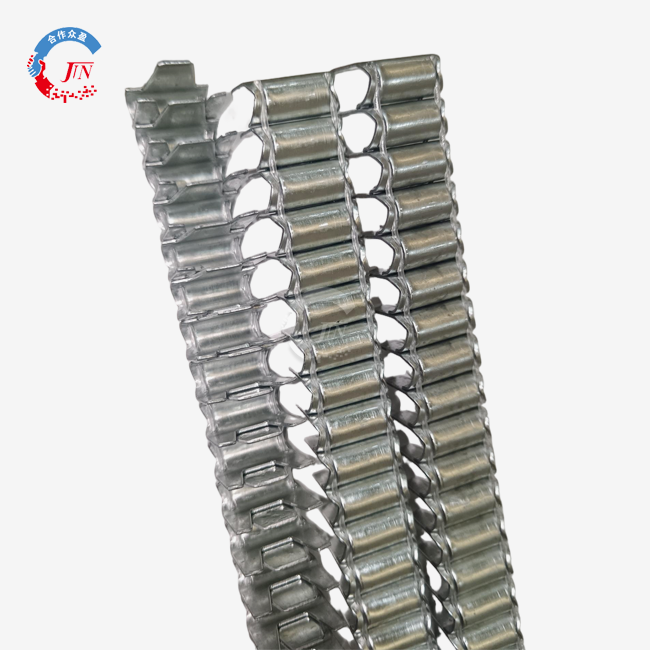
In high-volume factory settings, pneumatic fitting tools make work a lot faster. These driven machines take rings from a magazine, put them in the right place, and finish the crimping cycle with uniform force. TJJZ rings have a surface that doesn't have any glue on it, so they can be fed through air tools easily and without getting stuck, which happens a lot with cheaper goods that still have glue on them from the manufacturing process.
Installation Process Step-by-Step
Material harmony is the first step in getting ready. Make sure the layers you're joining are flush and facing the right way. When you connect fabric to wire mesh, make sure the fabric is taut but not stretched past its natural length and width. Over time, too much strain can cause the fabric to tear at the fastener points.

If you are using manual pliers, squeeze the handles all the way down until the ring makes a closed circle. Setting the right air pressure for pneumatic tools is important. Depending on the thickness of the material, the pressure should be between 70 and 100 PSI. Before starting production, test your settings on scrap materials to make sure they close all the way without damaging the material.
As a safety measure, you should wear protective glasses in case a fastener breaks or a piece of material falls off. Gloves protect your hands when you're dealing with sharp wire mesh or a lot of fasteners. Follow the manufacturer's instructions for maintaining pneumatic tools by checking the air filters and cleaning the moving parts to keep them from breaking down, hurting someone, or delaying production.
Unfinished ring closing is a common problem that needs to be fixed. This usually happens because the tool isn't pressed down hard enough or its teeth are worn out and need to be replaced. This includes selecting appropriate fasteners such as 16 gauge 1/2 inch hog rings. Make sure you're using the right gauge for the job if the screws aren't going through the material cleanly. For example, thicker materials may need heavier 14-gauge options. Most of the time, pneumatic tool feeding problems are caused by clogged mags or bent bolts, which can be avoided by storing and handling the tools properly.
Comparing 16 Gauge 1/2 Inch Hog Rings: Gauge Differences, Material Types, and Performance
Procurement managers can get the best performance and value for money by understanding the trade-offs between different fastener specs. The 16-gauge wire width is a good size for many uses because it gives good holding power while still being bendable enough to make tool usage safe. For heavy-duty jobs like industrial fences or large-scale upholstery work, 14-gauge or 12-gauge choices have higher shear strengths, but they need stronger installation tools and higher closing forces.
For light jobs where material penetration resistance is low, like attaching decorative cloth or putting together thin wire mesh, thinner 17-gauge screws work well. But when there is a lot of stress, they give up some of their staying power. TJJZ has both 16G and 17G choices, so you can match the fastener specifications exactly to the needs of your application instead of having to settle for a one-size-fits-all solution.
Material Selection: Galvanized Steel vs. Stainless Steel vs. Alloy Options
When repair costs are taken into account, the choice of material has a direct effect on both the starting cost and the total cost of ownership. Galvanized steel is a great choice for most indoor and modest outdoor uses because it is both cost-effective and high-performing. The zinc covering stops rust from forming by acting as a buffer and by sacrificial corrosion, which means that the zinc rusts faster than the steel underneath. This process usually lasts between 5 and 10 years in normal workplace settings.
Stainless steel screws and 16 gauge 1/2 inch hog rings are more expensive, but they are worth it in harsh settings where they might be exposed to saltwater, chemicals, or high humidity. Marine uses, food processing plants, and seaside building projects can all benefit from the high resistance to rust that keeps structures from falling apart and saves money on replacement costs that come with replacing old parts too soon. Pitting and crevice rust are less likely to happen with types 304 and 316 stainless steel.
As a new middle ground, alloy formulations offer better rust protection than standard galvanization while also being more cost-effective than stainless steel. These materials keep their performance very well even when they are exposed to moderately acidic conditions for a long time. This makes them good for use in farming settings where ammonia and organic acids make the working conditions difficult.
Quality differences between sources have a big effect on how well something works in real life, even if the specs on paper are the same. Dimensional consistency determines whether screws move consistently through automatic machinery or get stuck and stop work. TJJZ uses strict tolerance controls during production to make sure that the screws they make have regular crown widths and leg heights that make sure they work without any problems. The protective oil film covering our goods keeps them from rusting while they're being stored and shipped, and it also makes them easier to feed.
Procurement Guide: Where and How to Buy 16 Gauge 1/2 Inch Hog Rings for Bulk and OEM Use
Strategies for buying in bulk should weigh the number of items ordered against the amount of space available and the amount of money needed. TJJZ keeps a large stock of regular setups, which lets them quickly fill orders. Usually, it takes three to five days from the time an order is confirmed until it is shipped. This speed keeps production from stopping because of a lack of fasteners and lets customers keep as little fastener inventory as possible in their warehouses.
Evaluating Total Cost of Ownership
The purchase price is only one part of the real costs of getting something. When providers don't keep their promises, it can affect production schedules and lead to the need for expensive fast shipping. The fact that TJJZ is close to Tianjin Port makes it easier to ship goods internationally, and full-pallet shipping methods keep damage to a minimum while the goods are in transit.
When production problems happen, how quickly technical help responds is important. During business hours, our customer service team answers all questions within three minutes and can help right away with questions about specifications, installation problems, or changes to an order. This level of help lowers the hidden costs that come with having to slow production while fastener options are being looked at or application issues are being fixed.
When suppliers' quality changes, you have to make adjustments by trial and error every time you place an order. Since 2015, manufacturing excellence has set up tried-and-true methods that make sure that all production batches have the same level of accuracy in measurements and material qualities. Before goods leave our plant, they are tested for quality assurance to make sure they won't rust, are the same size, and feed smoothly.
OEM makers that are making their own goods or catering to niche markets will find customization features to be especially useful. Sample-based manufacturing lets you give us real examples that meet the specs you want, and our engineering team will look them over and make an exact copy. This service is very helpful when trying to figure out how to make old fasteners work in new situations or when changing current designs to fit new needs.
Online procurement tools are convenient, but they don't always have the technology know-how to make specifications better. When you work directly with makers, you can get help from application engineering experts who can help you find the best fastener options for your materials, production methods, and performance needs. Using this interactive method often finds ways to save money by making specifications better than those that generic sellers can't.
Conclusion
To choose the right fastening options, you have to weigh a lot of performance factors against practical needs and price limits. The 16 gauge 1/2 inch hog rings standard is flexible and can be used for making mattresses, putting together furniture, making seats for cars, building cages for animals, and many other industrial tasks. Building with galvanized steel is a reliable way to prevent rust while keeping costs low for bulk purchases. Procurement managers can optimize both short-term costs and long-term operational success by learning the right way to put things together, understanding the pros and cons of different materials, and adopting smart sourcing strategies. TJJZ is dedicated to producing high-quality Products, providing quick customer service, and allowing for easy customization, making us a valuable partner for businesses with specific industrial fastening needs.
FAQ
What is the closed diameter of these hog rings after installation?
When the lid is closed, the inside width is usually between 3/16 and 1/4 inch, but this depends on the crimping tool and the thickness of the materials being connected. When you set the tools correctly, they close all the way, making a secure circular connection with no gaps that could let the connection come apart under stress.
Can galvanized hog rings be used for outdoor fencing applications?
When it comes to outdoor fencing projects, galvanized models work well, especially in inland areas with mild humidity. Stainless steel options that don't pit or rust are better for coastal places where salt air is present. In normal outdoor circumstances, galvanized screws should last between 5 and 10 years before they need to be replaced.
Are these fasteners compatible with all pneumatic installation tools?
Most normal pneumatic tools made for 16-gauge C-style rings can be used with TJJZ hog rings. Tool compatibility relies on the design of the magazine and the way it feeds the tools. To avoid compatibility problems, check the specs before buying in bulk. Our non-adhesive surface layer makes sure that feeding goes smoothly, without the problems that come with cheaper goods that get stuck.
Get Reliable 16 Gauge 1/2 Inch Hog Rings from TJJZ
TJJZ makes high-quality fastening solutions that are designed to work in tough industrial settings where production speed and link dependability are important. Our 16 gauge 1/2 inch hog rings are made with uniform measurements to keep tools from getting stuck, are made of galvanized steel to avoid corrosion, and are priced competitively to help your bottom line. We keep a large stockpile so that we can quickly fill orders (3-5 days), so production doesn't have to stop because of a lack of fasteners. As a manufacturer and provider that has been in business since 2015, we can handle both normal bulk orders and OEM specs that are made to fit your individual needs. You can talk to our team about your fixing needs, ask for samples, or get full quotes for large orders by emailing userID@jinzhuangfastener.com. Feel the difference in quality that comes from working directly with a producer who wants your production to go well.
References
1. American Fastener Journal. (2022). "Industrial Fastening Systems: Standards and Applications in Modern Manufacturing."
2. Harper, C.A. (2021). "Handbook of Materials for Product Design, Fourth Edition." McGraw-Hill Professional Engineering.
3. Industrial Fasteners Institute. (2023). "Fastener Standards Manual: Specifications for Wire Fastening Products."
4. Miller, R.K. & Walker, T.C. (2020). "Automotive Interior Systems and Components." Society of Automotive Engineers International.
5. Smith, J.D. (2021). "Furniture Manufacturing Processes: Modern Assembly Techniques and Hardware Applications." Woodworking Industry Press.
6. Thompson, E.L. (2022). "Corrosion Resistance of Industrial Fasteners: Galvanizing and Coating Technologies." Materials Science Quarterly, Vol. 45, Issue 3, pp. 234-251.
Learn about our latest products and discounts through SMS or email