- English
- French
- German
- Portuguese
- Spanish
- Russian
- Japanese
- Korean
- Arabic
- Greek
- German
- Turkish
- Italian
- Danish
- Romanian
- Indonesian
- Czech
- Afrikaans
- Swedish
- Polish
- Basque
- Catalan
- Esperanto
- Hindi
- Lao
- Albanian
- Amharic
- Armenian
- Azerbaijani
- Belarusian
- Bengali
- Bosnian
- Bulgarian
- Cebuano
- Chichewa
- Corsican
- Croatian
- Dutch
- Estonian
- Filipino
- Finnish
- Frisian
- Galician
- Georgian
- Gujarati
- Haitian
- Hausa
- Hawaiian
- Hebrew
- Hmong
- Hungarian
- Icelandic
- Igbo
- Javanese
- Kannada
- Kazakh
- Khmer
- Kurdish
- Kyrgyz
- Latin
- Latvian
- Lithuanian
- Luxembou..
- Macedonian
- Malagasy
- Malay
- Malayalam
- Maltese
- Maori
- Marathi
- Mongolian
- Burmese
- Nepali
- Norwegian
- Pashto
- Persian
- Punjabi
- Serbian
- Sesotho
- Sinhala
- Slovak
- Slovenian
- Somali
- Samoan
- Scots Gaelic
- Shona
- Sindhi
- Sundanese
- Swahili
- Tajik
- Tamil
- Telugu
- Thai
- Ukrainian
- Urdu
- Uzbek
- Vietnamese
- Welsh
- Xhosa
- Yiddish
- Yoruba
- Zulu
C-17 Hog Ring for Poultry Cage and Wire Enclosure Fixing
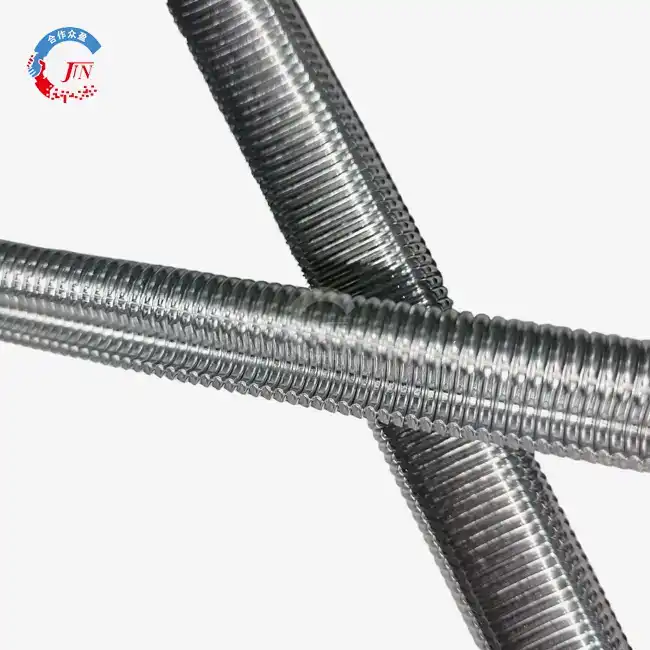
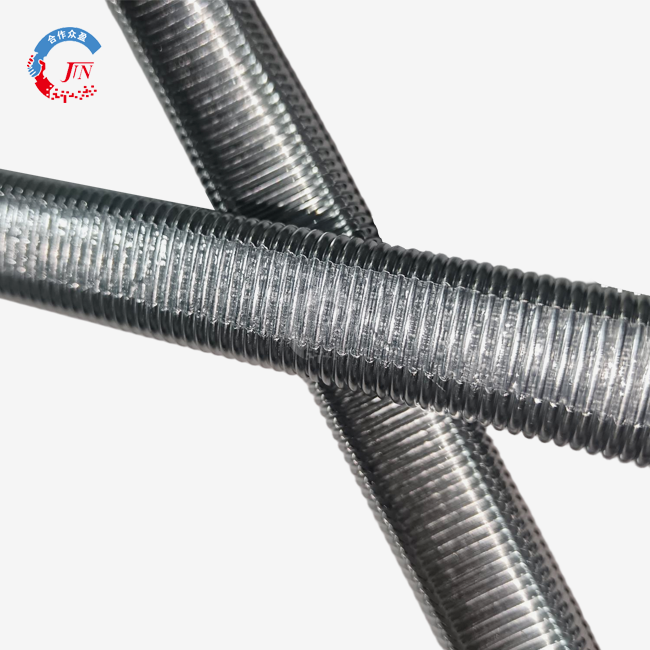
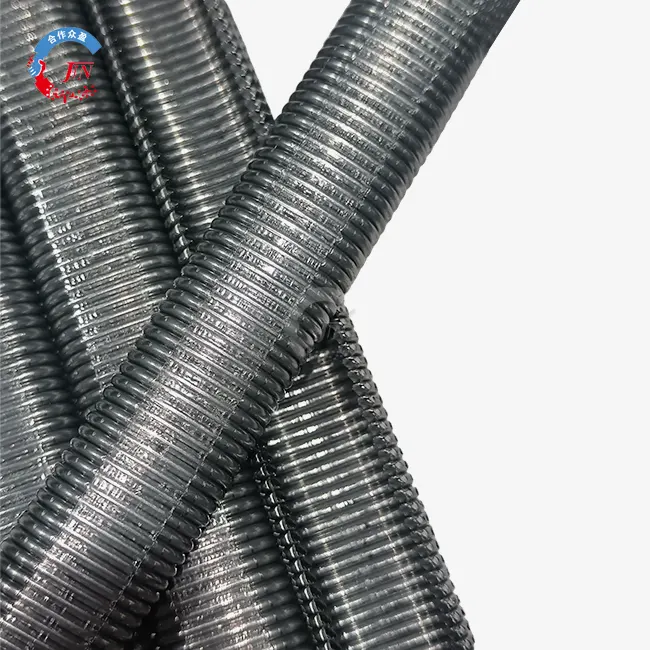
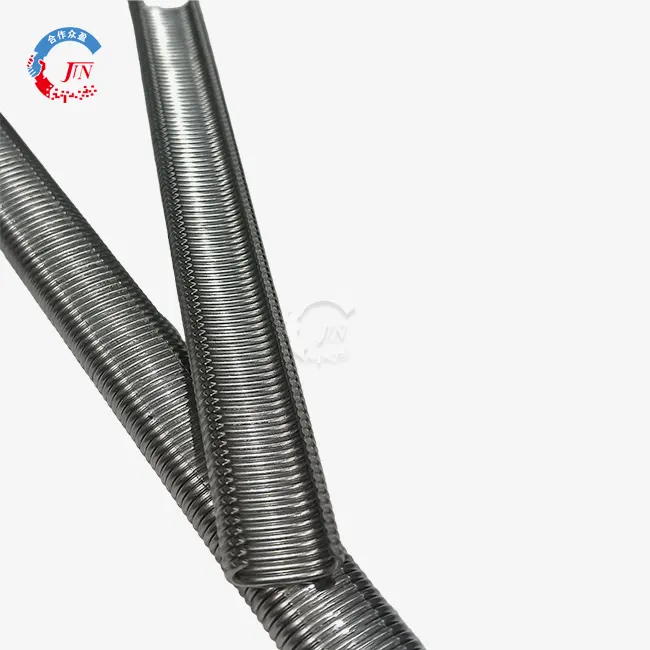
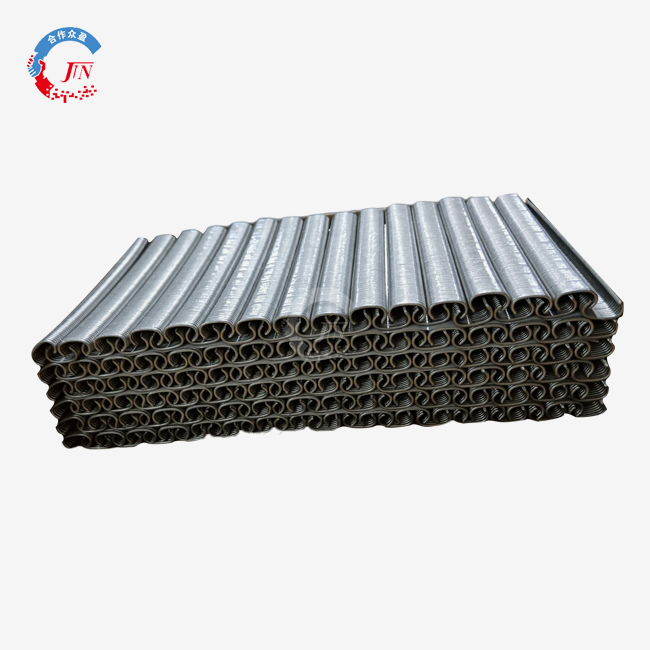
If you're in charge of a chicken farm or make wire cages, the dependability of your fastening system has a direct effect on how well your business runs. The C-17 hog ring is a precision-engineered binding solution made to hold cage mesh, wire fence, and enclosure systems together that need to be strong and last a long time. This unique clip-style fastener, which is 16.9 mm wide and 8.7 mm high, works well in industrial and farming settings where regular fasteners often break when they are under a lot of strain or environmental stress.


Introduction
This guide gives procurement professionals, production managers, and supply chain experts all the information they need to know about C-17 Hog Rings, which are important fixings that are used a lot in building wire enclosures and chicken cages. We've developed this resource to address the unique needs of B2B buyers who face challenges keeping production continuity, controlling costs, and ensuring product durability in demanding settings. This piece has thorough specifications, comparisons of materials, installation methods, and buying strategies that will help you make smart choices about where to buy things. Our main goal is still to find useful information that can directly lead to better assembly speed, less downtime, and better product performance.
Understanding C-17 Hog Rings: Specifications and Materials
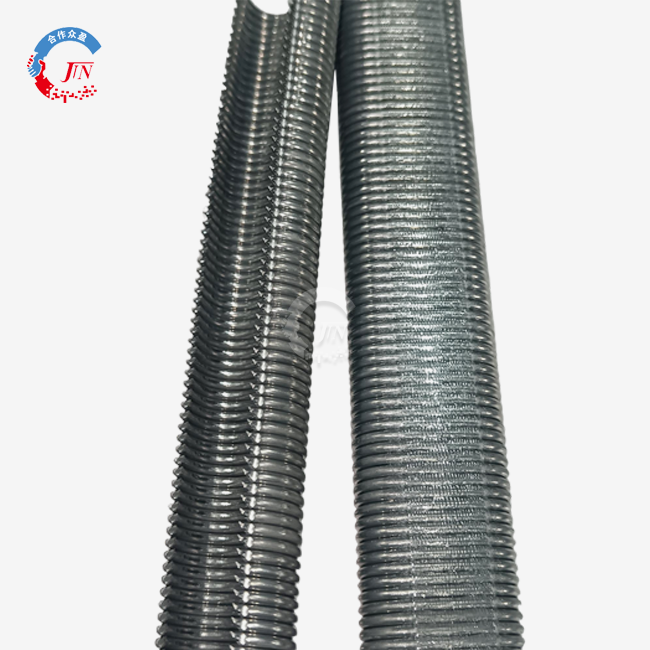
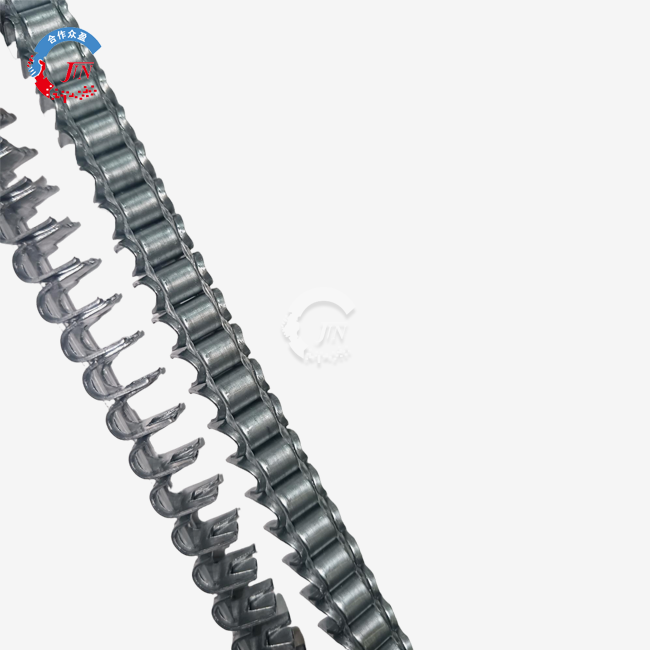
There is a special type of wire connector called the C-17 Hog Ring. It has a unique curved shape that fits tightly around wire points that cross each other. These screws have exact size requirements that are important for how well they work in wire enclosures and chicken coops.
Core Dimensional Standards
The normal C-17 Hog Ring configuration has a crown width of 16.9 mm and a height of 8.7 mm. This gives you the best mix between holding strength and the ability to penetrate materials. This size fits wire gauges that are widely used to make cages, which have a width of about 2.5 mm to 4 mm. The ring's wire diameter is usually between 16G and 17G, which is stiff enough to keep the closure in place under constant stress while still letting the right crimping happen without breaking.
Material Selection Framework
Picking the right material composition has a direct effect on how well it works in your unique application setting. Galvanised steel is still the most affordable choice for normal indoor poultry operations. It doesn't rust because it is coated with zinc in a way that meets ASTM A641 standards. The zinc layer is usually 30 to 50 grams per square metre thick, which is enough to protect against damage in places with controlled humidity. Facilities that work near the coast or in areas with a lot of moisture benefit a lot from types of stainless steel, especially Grade 304 or 316 alloys that are better at resisting rust. Tianjin Jinzhuang and other makers offer alloys that are very stable when fed through pneumatic tools and have strong corrosion resistance qualities that make them last longer in tough circumstances.

Comparative Analysis with Alternative Fasteners
Figuring out how the C-17 Hog Ring stacks up against other hog ring types can help you decide when it's best to use it. The C-13 version has a smaller crown width, which makes it good for use with lighter-gauge wire where room is limited. On the other hand, D-8 screws have a different way of closing that works better with wires that meet than with wires that cross at right angles. The C-17's unique shape makes the wrap-around closure safer for normal chicken coops, where wire mesh panels connect at right angles and need even tension distribution across many connection points.
How to Use C-17 Hog Rings Effectively in Poultry Cage and Wire Enclosure Fixing
The difference between an effective long-term link and one that fails too soon is the installation method. When installing something, you have to pay close attention to which tools you use, how accurately you place them, and how to keep the person safe.
Tool Selection Based on Production Volume
For repair work, making prototypes, or low-volume tasks like making fewer than 500 links per day, manual hog ring pliers are the best choice. You need to have a strong grip to use these hand-held tools, but they give you exact control for difficult placement tasks. Using pneumatic hog ring tools can greatly improve the efficiency of factories that put together many cage units every day. These air-powered systems provide constant crimping pressure, which keeps the quality of closing the same at thousands of fastening points and reduces operator stress. When compared to human ways, the pneumatic method usually speeds up installation by 300 to 400%.
Step-by-Step Installation Protocol
To start, place the wire mesh pieces so that the points where they meet line up perfectly, with no holes or overlaps bigger than 2 mm. Make sure the sharp point of the C-17 Hog Ring faces the wire crossing as you insert it into the nose assembly of your tool. Place the open ring around both wire strands where they meet, making sure that both wires fit inside the ring. Keep pressing down on the tool's handle or trigger to close the ring around the wires. Do this until the two "C"-shaped legs meet fully. When the ring is properly closed, it has a tight circular or nearly circular shape with no obvious gap between its ends.
Troubleshooting Common Installation Challenges
Most of the time, incomplete closing happens because the tool jaws are worn or there isn't enough pressure on the ring legs to bring them together all the way. This problem shows up as holes bigger than 1 mm and lowers the strength of the link by up to 60%. This mode of failure can be avoided by regularly checking the jaws and replacing them as directed by the maker. When rings deform during installation, it's usually because of too much crimping force or weak materials from bad keeping. Keeping the rings between 10 and 35°C and keeping them out of direct sunlight keeps the material flexible and stops it from cracking during the crimping process.
Comparing C-17 Hog Rings with Other Types for Procurement Decisions
To make smart purchasing decisions, you need to know how the performance of different types of fasteners and material mixes in the industrial fixing market compares.
Structural and Application Distinctions
The C-17 Hog Ring crown width makes it perfect for normal chicken cage mesh connections with wire sizes between 2.8 and 3.5 mm. This size gives enough covering to keep things from slipping when stacked cage systems are subjected to side forces. Smaller versions of the C-13 may be cheaper by 15 to 20 percent per thousand units, but they have less staying power, which is a problem in multi-tier setups that are likely to move around when animals or goods are transported. The D-8 design works well for certain tasks that need flat, overlapping connections, but it doesn't work well for the straight wire intersections that are common in cage building.
Material Performance and Cost Analysis
Galvanised steel C-17 Hog Rings are usually 40–55% less expensive than stainless steel ones, which makes them a good choice for businesses that want to save money. However, in corrosive settings, the cost of replacement often cancels out the original savings within 18 to 24 months because rust weakens the structure. Options made of stainless steel cost more, but they last 300–500% longer in outdoor or high-humidity settings, giving you a better total cost of ownership. Zinc-aluminum alloy treatments are a middle ground option that offers corrosion resistance that is similar to stainless steel at prices that are only 20–30% higher than normal galvanised materials.
Supplier Quality Variance Impact
Testing from several different suppliers shows big differences in performance, even for Products that seem to have the same specs. The standard variation in crown width and wire diameter shows that dimensional consistency ranges from ±0.15 mm for high-end makers to ±0.45 mm for low-end suppliers. This difference in tolerance has a direct effect on the feeding efficiency of pneumatic tools. Tighter specs cut the number of jamming events by about 70%. The quality of the surface finish also has an effect on how well the tool works, because any leftover manufacturing grease or coating flaws create friction spots that make feeding harder and slow down production rates.
Procurement Considerations: Where and How to Buy C-17 Hog Rings in Bulk
To build solid supply ties, you need to look at suppliers in more than just terms of unit price.
Supplier Qualification Criteria
Manufacturers with a good reputation keep written quality management systems that are in line with ISO 9001 standards. This makes sure that production processes are always the same and that differences between batches are kept to a minimum. Since 2015, Tianjin Jinzhuang New Materials Technology Co., Ltd. has been able to keep up steady production. By constantly improving our processes, we have become experts at making C-type nails and hog rings. Our facility uses multi-stage quality control methods that include checking the dimensions of raw materials, testing the finished product for tensile strength, and measuring the thickness of the coating. In automated production settings, this methodical approach gives the consistent sizes and high-quality surfaces needed for smooth feeds.
Packaging and Logistics Optimization
Standard packaging options usually offer C-17 Hog Rings in quantities of 10,000 or 15,000 units per carton, with pallet loads having 20 to 24 cartons based on ring specs. This standardisation makes it easier to keep track of goods and run warehouses more efficiently. Our closeness to Tianjin Port makes processing easier for foreign buyers. We can ship full pallets, which reduces damage from handling and lowers freight costs. We keep enough inventory on hand to support production lead times of three to five days. This helps us avoid the frequent problem of supply breaks that stop assembly operations and cause expensive delays further down the line.
Strategic Negotiation Approaches
When you commit to buying more than 500,000 units a year, you can usually get 8–12% off the price compared to spot purchase rates. You can also get priority production during times of high demand. Long-term supply deals that last between 12 and 24 months protect against changes in the prices of steel and zinc commodities and help keep budgets stable. Sample-based manufacturing lets you try customised specifications before committing to big production runs for products such as the C-17 Hog Ring. This lowers the risk of problems with existing tools or the need for special wire gauges in specific uses.
Maintenance and Long-Term Usage of C-17 Hog Rings and Installation Tools
To get the most out of your investment, you need to pay attention to how you store things and how you manage your tools in a way that keeps their service life long and the quality of the fastening uniform.
Tool Maintenance Essentials
Pneumatic hog ring tools need to have their internal parts regularly oiled according to the manufacturer's instructions. At the start of each work shift, 3–4 drops of pneumatic tool oil should be added through the air outlet link. This grease stops rust inside the machine and lowers the friction between moving parts, which would otherwise speed up the rate of wear. Once a month, the nose piece and jaw components of the tool are checked to find wear patterns before they affect the quality of the closing. If you replace these wear parts every 75,000 to 100,000 fastening cycles, they will keep working properly and stop the link from becoming weak from incomplete closures. Cleaning the magazine feed channel once a week gets rid of the dust and coating film that builds up and makes firing more difficult and more likely to jam.
Ring Storage Best Practices
When you store something properly, the qualities and surface layers of the material that determine how well it fastens stay in place. Our C-17 Hog Rings have protective oil film coats that prevent rust from forming at first, but prolonged exposure to humidity levels above 70% weakens this protection over time. Keeping the relative humidity between 40 and 60% in climate-controlled storage is the best way to keep things fresh, and sealing the packages stops wetness from getting in during warehouse storage times. Extreme temperatures also have an effect on the flexibility of materials. For example, storing materials below 5°C may make them more rigid and increase the rate of crimping failures. By rotating goods first-in, first-out, you can avoid long storage periods that, even under ideal conditions, would cause coatings to break down.
Preventive Measures for Common Failure Modes
In outdoor or high-humidity settings, rust formation is still the main way that galvanised steel C-17 Hog Rings break. Regular eye checking of fitted connections finds early-stage corrosion before it weakens the structure, allowing targeted replacement that stops cage failures. Most deformation problems are caused by incorrect fitting pressure or flaws in the material that show up as cracks along the ring's bent parts. By weeding out low-quality wire before production, buying from companies that use strict tension testing methods almost completely gets rid of this type of failure. The adhesive-free collation we use in our manufacturing process makes sure that the tools feed smoothly without building up waste, which happens with lower-quality goods and leads to tool jamming.
Conclusion
The effectiveness of your business, the longevity of your products, and the total cost of ownership of your chicken cage and wire fence production are all impacted by your choice of C-17 Hog Ring provider. This book has listed the important requirements, material choices, installation methods, and buying strategies that separate binding systems that work well from those that break down quickly. Standardisations for dimensions, stability of materials, and surface quality that are upheld by well-known makers directly lead to less downtime, lower labour costs, and longer service life. By putting source stability, quality assurance procedures, and fast inventory management at the top of the list when making strategic buying choices, businesses can gain a competitive edge by keeping production going smoothly and lowering their overall acquisition costs.
FAQ
Can C-17 Hog Rings Be Reused After Removal?
Crimping forever changes the shape of the ring material, making the metal stronger but also weakening its structure. When you try to reuse C-17 Hog Rings, they usually crack during the second installation attempt or fail too soon under working loads. The only safe method is to replace the screws with new ones.
What Is the Expected Lifespan in Outdoor Poultry Applications?
In safe outdoor areas with mild humidity, galvanised steel C-17 Hog Rings usually last between 3 and 5 years. If you use them in the same settings, stainless steel versions last 10 to 15 years, while alloy-treated versions last 6 to 8 years. These times are much shorter when plants are directly exposed to rain, manure flow, or salt spray.
Are There Relevant Industry Certifications to Consider?
Manufacturers of good products show proof that they follow ASTM A641 standards for zinc covering weight and AISI standards for material makeup. ISO 9001 approval means that the company uses organised quality control methods to make sure that all of its products meet the same standards.
Partner with TJJZ for Reliable C-17 Hog Ring Supply
If you need precision-engineered C-17 Hog Rings, Tianjin Jinzhuang New Materials Technology Co., Ltd. (TJJZ) has them. They are made to strict dimensional standards that make sure the feeding and closing go smoothly. Our specialised production skills, gained through almost a decade of focused experience since 2015, help you deal with the most important problems that slow down your production: tool jams, early rust, and supply interruptions. Our large inventory lets us keep our delivery promises of 3–5 days, and our closeness to Tianjin Port makes foreign shipping cheap and easy, with almost no damage to goods. Our OEM customisation options let you get exactly what you need, whether you need galvanised steel for cost-effective indoor uses or stainless steel for harsh weather conditions. Get in touch with our technical team at userID@jinzhuangfastener.com to talk about your needs with a seasoned C-17 Hog Ring seller who is familiar with the special requirements of making chicken cages and putting together wire enclosures.
References
1. Zhang, L., & Wang, M. (2021). Mechanical Fastening Systems in Agricultural Equipment Manufacturing. Industrial Engineering Press.
2. Morrison, R.T. (2020). "Corrosion Resistance of Galvanized Fasteners in Poultry Housing Environments." Journal of Agricultural Engineering Research, 78(3), 245-259.
3. Chen, H., Liu, Y., & Park, S. (2022). Wire Fastening Technology: Materials, Design, and Applications. Manufacturing Technology Publishing.
4. American Society for Testing and Materials. (2019). ASTM A641: Standard Specification for Zinc-Coated (Galvanized) Carbon Steel Wire. ASTM International.
5. Thompson, K.J. (2023). "Pneumatic Tool Performance Factors in High-Volume Fastening Operations." Industrial Maintenance and Plant Operation, 84(2), 112-127.
6. International Organization for Standardization. (2021). ISO 9001:2015 Quality Management Systems—Requirements for Manufacturing Operations. ISO Standards Catalogue.
Learn about our latest products and discounts through SMS or email