- English
- French
- German
- Portuguese
- Spanish
- Russian
- Japanese
- Korean
- Arabic
- Greek
- German
- Turkish
- Italian
- Danish
- Romanian
- Indonesian
- Czech
- Afrikaans
- Swedish
- Polish
- Basque
- Catalan
- Esperanto
- Hindi
- Lao
- Albanian
- Amharic
- Armenian
- Azerbaijani
- Belarusian
- Bengali
- Bosnian
- Bulgarian
- Cebuano
- Chichewa
- Corsican
- Croatian
- Dutch
- Estonian
- Filipino
- Finnish
- Frisian
- Galician
- Georgian
- Gujarati
- Haitian
- Hausa
- Hawaiian
- Hebrew
- Hmong
- Hungarian
- Icelandic
- Igbo
- Javanese
- Kannada
- Kazakh
- Khmer
- Kurdish
- Kyrgyz
- Latin
- Latvian
- Lithuanian
- Luxembou..
- Macedonian
- Malagasy
- Malay
- Malayalam
- Maltese
- Maori
- Marathi
- Mongolian
- Burmese
- Nepali
- Norwegian
- Pashto
- Persian
- Punjabi
- Serbian
- Sesotho
- Sinhala
- Slovak
- Slovenian
- Somali
- Samoan
- Scots Gaelic
- Shona
- Sindhi
- Sundanese
- Swahili
- Tajik
- Tamil
- Telugu
- Thai
- Ukrainian
- Urdu
- Uzbek
- Vietnamese
- Welsh
- Xhosa
- Yiddish
- Yoruba
- Zulu
What Is the Difference Between C Ring and Hog Ring Fasteners?
When purchasing managers and production engineers look at fixing options, they often have to choose between hog ring fasteners and C ring fasteners. Both do similar things, but they are designed and work in very different ways. C ring fasteners have an open, half-circular "C" shape that is crimped into a closed circular shape during installation. This makes them easy to install and speeds up the assembly process. Hog ring fasteners, on the other hand, are closed rings that are already made and clamp materials by completely encircling them. This gives them a more even hold. Knowing these differences helps people choose the right fastener for a wide range of uses, such as car seats, furniture, making cages, and fences.


Understanding C Ring and Hog Ring Fasteners
The main purpose of both C ring and hog-ring fasteners is to firmly join materials together in situations where welding, glue bonding, or mechanical screws are not possible. But the way they are built and how they are installed make them work in very different ways, which is very important in high-volume production environments.
What Defines a C Ring Fastener?
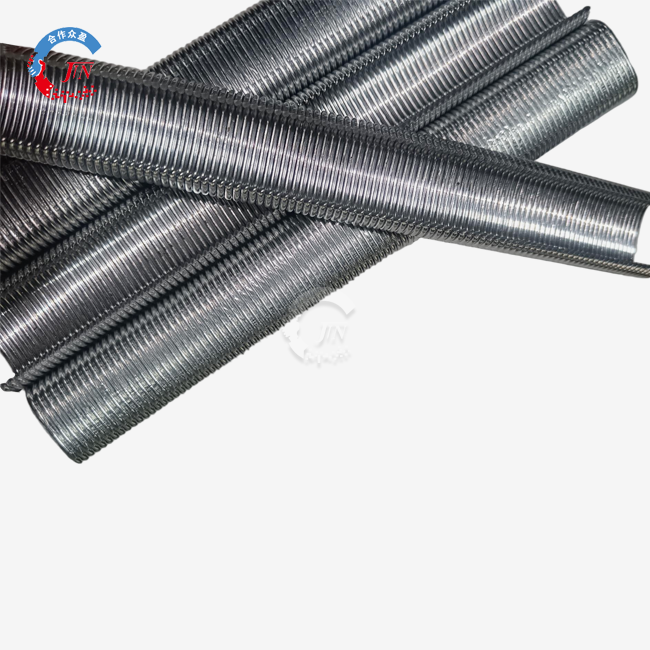
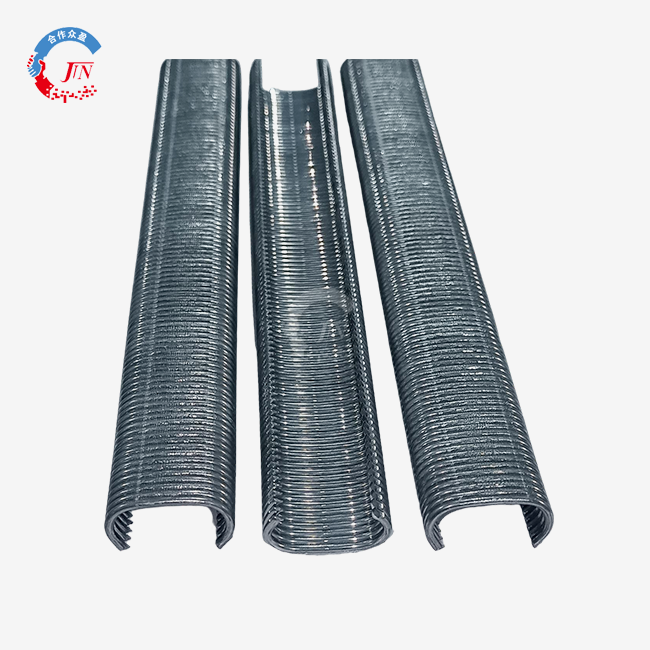
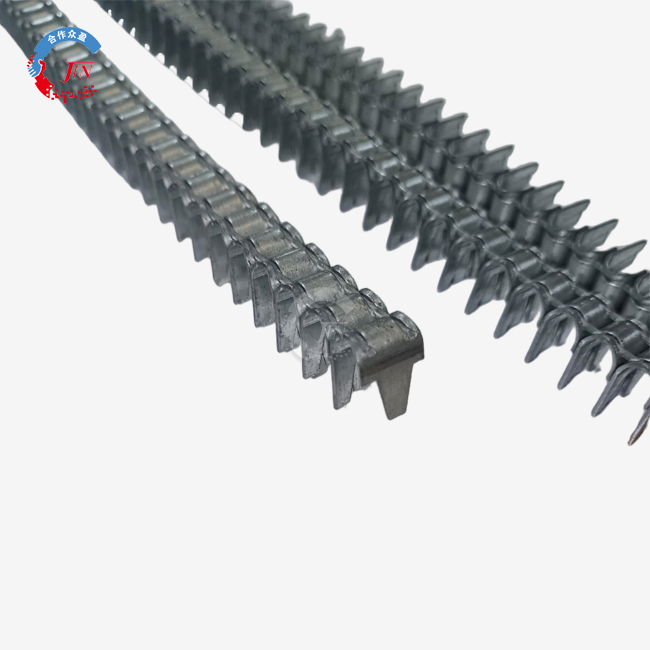
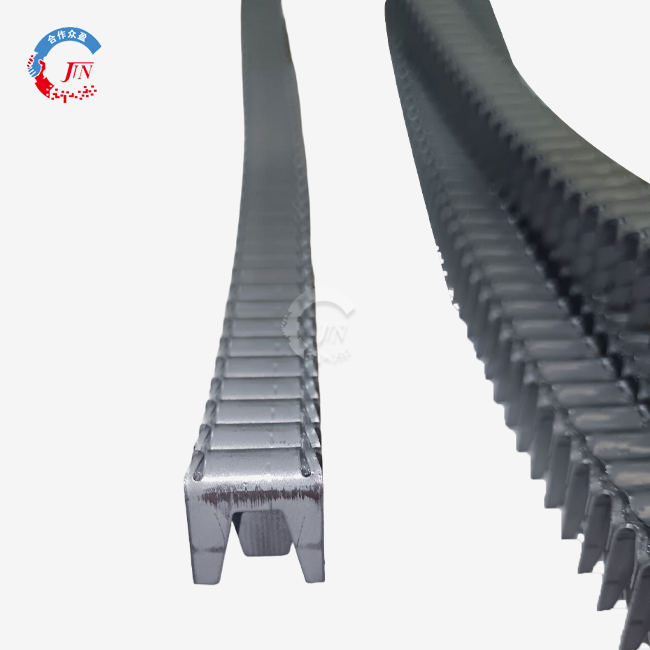
C ring fasteners are open, half-circle wire clips made from galvanised steel, stainless steel, or a zinc-aluminum combination. The open design lets materials be put in from the side before the fastener is squeezed shut with pliers or mechanical tools. The normal C17 specification from TJJZ has a width of 16.9 mm and a height of 8.7 mm. This means it can be used with regular hog ring tools that are used on production lines for mattresses, furniture, and cars. Workers can position the fastener around wires, mesh, or cloth ends faster with this open design because they don't have to thread materials through a tight loop.
What Defines a Hog Ring Fastener?
When you get hog ring fasteners, they come as circular rings that are either completely closed or almost closed. You have to run materials through the hole in the ring before crimping it. In farming, rings were put through the mouths of pigs, which is where the term "hog ring" comes from. The closed-loop design concept is still used in today's industrial hog rings, which squeeze the materials being held in place in all directions. This evens out the pressure, which lowers the chance of localised stress buildup that could damage materials or wire mesh over time.
Material Composition and Gauge Options
Both C ring fasteners and other types of fasteners come in a range of material grades to meet the needs of different environments. Galvanised steel offers a great cost-to-performance ratio and resists rust, making it suitable for both indoor household applications and automotive seating. Different alloy options provide enhanced corrosion resistance for outdoor use, such as in garden structures and animal enclosures. Stainless steel grades, especially 304 and 316, perform particularly well in marine environments and food processing equipment, where minimizing contamination risk is essential. Gauge selections typically range from 16G to 17G for smaller upholstery tasks, while heavier-duty applications like fencing and cages commonly use 11G gauges.

Comparing C Ring and Hog Ring Fasteners — Performance and Suitability
Before you can choose between these types of fasteners, you need to know how their mechanical features match up with your production needs and the stresses of normal use.
Mechanical Strength and Load Capacity
Traditional hog rings have a closed-loop shape that spreads tension loads more evenly around the fastener's diameter. This can make it slightly less likely that the fastener will come loose in situations where there is constant vibration or dynamic stress. C ring fasteners, on the other hand, have the same holding power when properly crimped because the overlapped wire ends make a physically linked joint. According to ASTM standards, load testing shows that 17G galvanised C ring fasteners keep their shear strength high enough for car seat assembly, where fasteners must last millions of compression cycles without coming loose.
Corrosion Resistance and Durability
Material choice has a bigger effect on durability than fastening form. When TJJZ's galvanised C ring fasteners are stored and first put in place, they get a protective oil film that stops rust from forming. The zinc layer protects against rust on a sacrificial level. Salt spray testing (ASTM B117) shows that resistance lasts longer than 72 hours for normal galvanised options and 500 hours or more for Galfan-coated options. Stainless steel versions don't rust at all, which is why they are the best choice for companies that make chicken coops and outdoor fences that are constantly exposed to water.
Installation Speed and Tool Compatibility
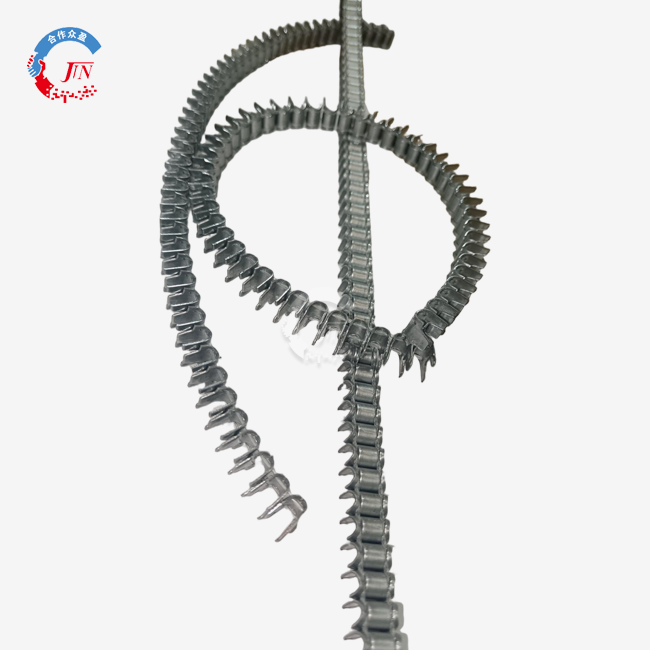
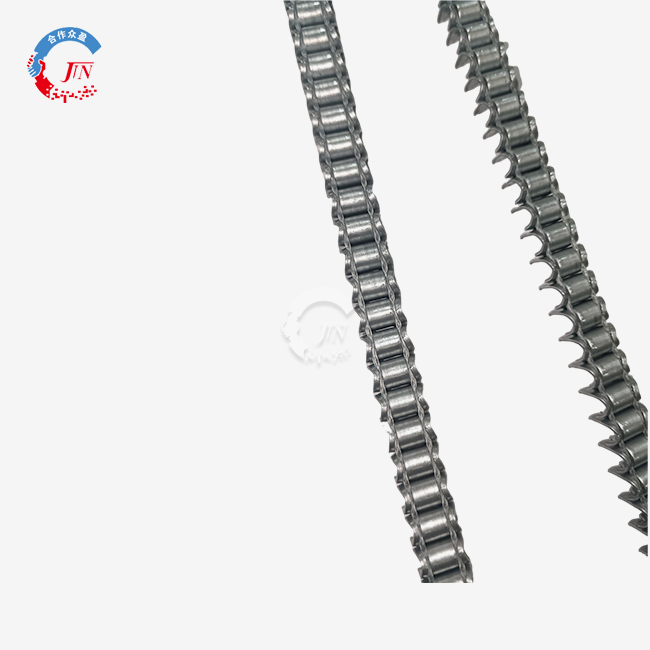
In high-volume manufacturing, the choice of fastener is often based on how well the production runs. Because they can be positioned horizontally around materials rather than threading parts through a closed ring, C ring fasteners provide a clear edge in assembly speed. When making mattresses, this saves a lot of time because workers don't have to keep attaching bed sheets to spring frames. While both types of fasteners can be used with normal pneumatic hog ring tools, C ring fasteners pass more easily through automated collation strips, which means that tools don't get stuck as often, and production doesn't stop.
Industry-Specific Application Suitability
The open design makes it easier to put together complicated multi-layer constructions, which is why automotive seat makers typically choose C ring fasteners to connect heating elements and upholstery to wire frames. Furniture shops that do upholstery use both types, but C rings are most often used for sofa spring connection because they are faster to install. Manufacturers of cages for animal farming often choose based on the gauge of the wire mesh. For heavy fence uses, traditional hog rings are sometimes preferred because they are thought to clamp better around thick wire intersections. When making pet cages, manufacturers prefer galvanised or stainless steel C rings because they don't rust when animal waste touches them, and the cages' structure stays strong.
Selecting the Right Fastener: Criteria and Procurement Insights
To make sure long-term production efficiency and cost control, the strategic purchase of binding solutions needs to look at more than just unit price.
Material Compatibility and Environmental Considerations
By matching the bolt material to the working surroundings, failure can be avoided before it happens. Galvanised steel works well for indoor furniture and car uses. It protects against humidity and small moisture exposure at a low cost. Stainless steel or advanced alloy coatings that can handle UV light, changing temperatures, and salty air are needed for outdoor fences, farming cages, and naval equipment. When buying screws for harsh locations, procurement managers should ask for salt spray test certifications to make sure that the rust resistance meets or exceeds 72-hour standards.
Dimensional Accuracy and Quality Standards
Consistent bolt sizes have a direct effect on the efficiency of a production line. When the wire size, crown width, or leg length changes, it can jam the tool, stop feeding, or cause assembly problems that stop production. TJJZ's precise manufacturing process keeps a close eye on the sizes of each C ring fastener to make sure it fits within the required ranges for both hand tools and pneumatic staplers to work smoothly. Buyers should judge providers by how well they follow ISO 9001 quality management systems and how willing they are to give buyers reports on measurement inspections.
Cost-Effectiveness and Volume Pricing
Supplier Evaluation and Supply Chain Stability
A reliable supply of fasteners relies on how well the supplier can run their business and how well their logistics are set up. TJJZ was founded in 2015, which shows that it has been making things for a long time. Its closeness to Tianjin Port makes filling containers easy and offers low freight rates to buyers from other countries. The company's full-pallet transport keeps goods from getting damaged during shipping, and its 3-minute response time to enquiries helps buyers make quick decisions. Buyers should judge possible suppliers based on how much they can produce, how much inventory they have, how much they can customise, and how well they offer expert help after the sale.
Case Studies and Practical Examples
Examples from real life show how picking the right fasteners can affect how well operations run and how much they cost to own overall.
Automotive Assembly: Balancing Durability with Cost
A Tier 2 car seat maker was getting a lot of quality complaints about upholstery coming off after long periods of use. Analysis showed that different bolt sizes led to incomplete crimping, which let vibrations loosen connections over time. The problem was fixed by using TJJZ C17 galvanised C ring fasteners that were proven to be the right size. The open C-shape design also cut the time it took to put together each seat by 18 seconds, which increased queue flow without adding more labour costs. The company that made the product set up a two-year supply deal that guaranteed good prices and timely inventory available in line with production schedules.
Industrial Upholstery: Improving Installation Efficiency
A company that makes chairs for homes had trouble getting enough sofas because of delays in attaching the springs to the frames. When workers used old-fashioned closed hog rings, it took too long to thread serpentine springs through fastener loops before crimping. The use of C ring fasteners reduced the time it took to connect by 40% by allowing for lateral placement around springs. The precise, sharp-point design cut through the cloth backing without tearing it, which cut down on waste. When combined with the ability to use hydraulic tools, the change improved the daily production of sofas by 15 units without hiring more people or buying more tools.
Conclusion
Choosing between C ring and hog ring fasteners relies on how quickly they need to be installed, how they will work, the surroundings, and how much they cost. C ring fasteners work really well in places where a lot of things need to be made quickly and with tools that work with each other. Their open design makes it easier to place materials and provides strong attachments that can be used in production for cars, furniture, and cages. To make sure something lasts a long time, the type of material used—galvanized steel, alloy steel, or stainless steel—must match the amount of rust that is expected. To be successful at procurement, you need to work with providers who keep accurate measurements, a large inventory, and quick customer service to avoid production problems and poor quality.
FAQ
Can C Ring Fasteners Replace Hog Rings in All Applications?
Although C ring fasteners and conventional hog rings perform similar tasks, their interchangeability is not always possible. C ring fasteners work really well when you need to put something together quickly and can insert material laterally. When engineering plans call for full 360-degree material encirclement or when it's not too hard to run materials through the fastener, traditional hog rings may be the better choice.
How Do I Determine the Correct Gauge for My Application?
The choice of wire size is based on the material thickness and the shear strength that is needed. Lighter 16G or 17G fasteners can be used to fix couch cloth, cushion bed nets, and seat covers in cars. Heavy 11G versions can handle structural uses like chain-link fences, heavy wire mesh, and chicken coop frames that are put under a lot of tension. Before placing a big order, buyers should look at the load specifications and try a sample.
What Factors Affect Custom Fastener Lead Times?
Production times are longer when customers ask for custom sizes, finishes, or packing that isn't standard. TJJZ supports sample-based production, in which the plant makes things based on samples that are given. After the samples are approved, it usually takes 3–5 days for standard volumes to be made. For machine changes and quality checks, complex customisations may need more time. During the inquiry process, being clear about the specs and asking for pre-production samples can speed up the whole purchase cycle.
Partner with TJJZ for Reliable C Ring Fastener Supply
Since 2015, Tianjin Jinzhuang New Materials Technology Co., Ltd. has provided rust-resistant, precisely measured C ring fasteners to makers of mattresses, furniture, car seats, and cage equipment. Our galvanised, alloy, and stainless steel choices can handle a wide range of environmental conditions. Our 3–5 day lead time and large store guarantee that your production lines never have to wait for supplies. As a seasoned C ring fasteners manufacturer, we encourage sample-based production, customised specs, and volume pricing that lowers your costs without lowering the quality. You can email TJJZ at userID@jinzhuangfastener.com or go to jinzhuangxincailiao.aixdb.cn to get technical specs, set up sample shipments, or talk about yearly supply agreements that are suited to your business needs.
References
1. American Society for Testing and Materials. "Standard Practice for Operating Salt Spray (Fog) Apparatus." ASTM International, 2019.
2. International Organization for Standardization. "Quality Management Systems — Requirements." ISO 9001:2015, 2015.
3. Smith, J. and Thompson, R. "Fastening Technologies in Automotive Interior Manufacturing." Journal of Industrial Engineering, vol. 34, no. 2, 2021, pp. 145-162.
4. Williams, M. "Corrosion Resistance of Metallic Fasteners in Marine Environments." Materials Science Quarterly, vol. 28, no. 4, 2020, pp. 312-329.
5. Chen, L. "Efficiency Analysis of Pneumatic Fastening Tools in Furniture Production." Manufacturing Technology Review, vol. 41, no. 1, 2022, pp. 78-91.
6. Peterson, K. "Material Selection for Industrial Fasteners: A Comprehensive Guide." Engineering Materials Handbook, 3rd ed., Technical Publishing House, 2023.
Learn about our latest products and discounts through SMS or email