- English
- French
- German
- Portuguese
- Spanish
- Russian
- Japanese
- Korean
- Arabic
- Greek
- German
- Turkish
- Italian
- Danish
- Romanian
- Indonesian
- Czech
- Afrikaans
- Swedish
- Polish
- Basque
- Catalan
- Esperanto
- Hindi
- Lao
- Albanian
- Amharic
- Armenian
- Azerbaijani
- Belarusian
- Bengali
- Bosnian
- Bulgarian
- Cebuano
- Chichewa
- Corsican
- Croatian
- Dutch
- Estonian
- Filipino
- Finnish
- Frisian
- Galician
- Georgian
- Gujarati
- Haitian
- Hausa
- Hawaiian
- Hebrew
- Hmong
- Hungarian
- Icelandic
- Igbo
- Javanese
- Kannada
- Kazakh
- Khmer
- Kurdish
- Kyrgyz
- Latin
- Latvian
- Lithuanian
- Luxembou..
- Macedonian
- Malagasy
- Malay
- Malayalam
- Maltese
- Maori
- Marathi
- Mongolian
- Burmese
- Nepali
- Norwegian
- Pashto
- Persian
- Punjabi
- Serbian
- Sesotho
- Sinhala
- Slovak
- Slovenian
- Somali
- Samoan
- Scots Gaelic
- Shona
- Sindhi
- Sundanese
- Swahili
- Tajik
- Tamil
- Telugu
- Thai
- Ukrainian
- Urdu
- Uzbek
- Vietnamese
- Welsh
- Xhosa
- Yiddish
- Yoruba
- Zulu
C Type Fastener C17 for Industrial Mesh, Wire, and Cage Assembly
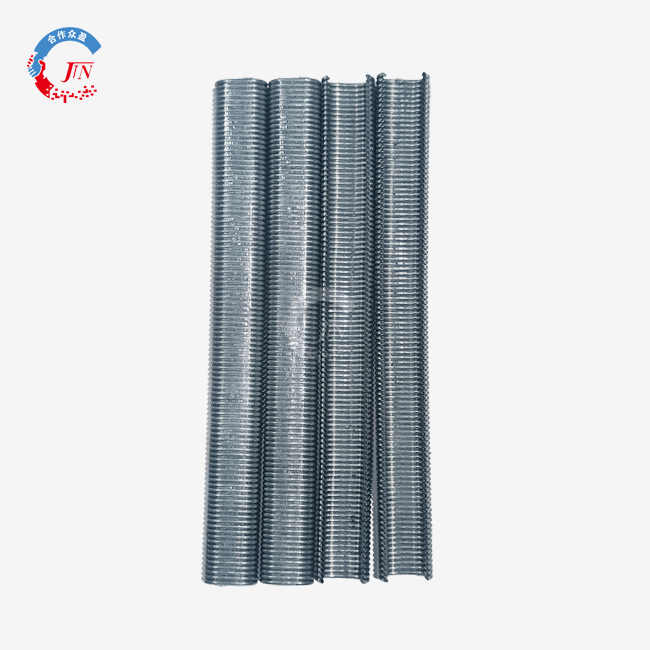
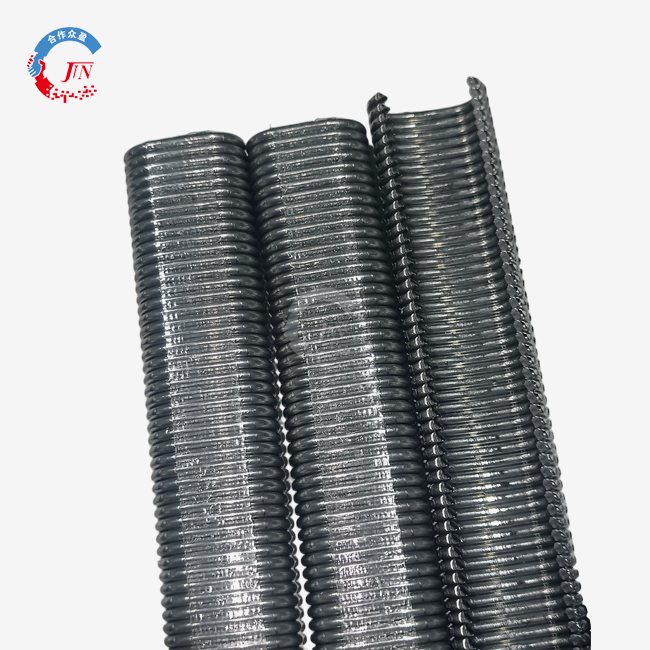
The C Type Fastener C17 is a steel clip that looks like a letter C. It's used to safely join wire mesh, fence panels, cage sections, and other wire items together. You can make a strong link by wrapping the C Type Fastener C17 around wires that cross each other. This helps keep the panels and joints in place while they're being used. Companies that make beds, car seats, animal cages, and fences can use the C Type Fastener C17 to put together parts more quickly and consistently than when they tied them together by hand or used other methods that took more time. Before placing a large order, buyers should be sure they know the exact model, the range of wire diameters that will work, the amount of material needed, and the finish on the outside. From different sellers, you can get sizes and finishes that are different. You need to know what materials are being joined and how strong and resistant to corrosion they need to be before you can choose the right C Type Fastener C17. People who buy something should also make sure that it can be fastened with the tools they already have; otherwise, there could be issues with feeding or holes in the close. It is best to compare suppliers when you buy in bulk. Look at how consistent their goods are, how well they keep track of quality, how much they can make, how much they have in stock, and how long it takes to ship. Users can use these tips to find the best C Type Fastener C17 for their assembly needs before making an order. This will help them make sure their production goes smoothly and reliably.


Understanding C Type Fastener C17 in Mesh and Wire Assembly
Why C Type Fastener C17 Matters in Industrial Mesh and Wire Assembly
Do not handle, shake, or load it more than once. The mesh and wire joints will come loose. Easy to connect two wires without heat, drilling holes, or extra hardware: just wrap a C-shaped clip around them both. It's used to make machine guards, storage cages, cable management racks, electrical cabinets, car parts, and animal cages, among other things. The worker only needs to close one C-ring clip; they don't need to prepare, heat, or thread more than one. It's easier to set up now, and less work needs to be done again. For standard, a clip that stays closed the same way from shift to shift is also useful. This keeps the joints in good shape. Before you pick one, you should choose the wire range, material, finish, and tools.
What Is a C Type Fastener C17?
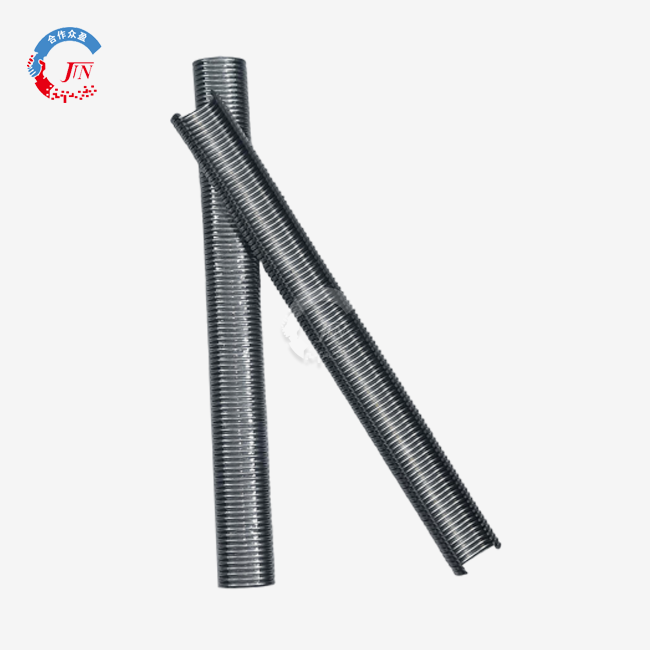
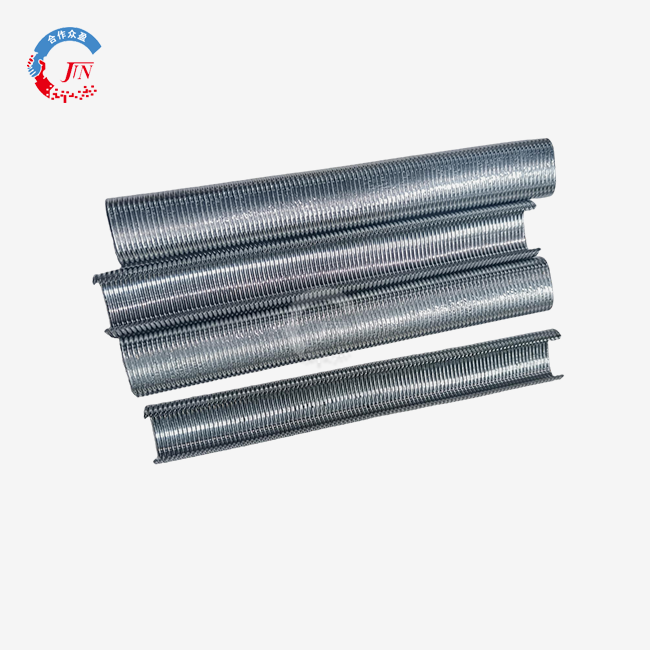
A C Type Fastener C17 is a clip-style fastener with an open C-shaped body. These have ends that are open and can be closed off with a tool. They will stay in place because they fit against the edge of the wire, mesh, or panel. When the touch areas are closed, they still press against each other. Installers can choose between hand pliers, an application tool, and a motorized tool based on the amount of work they need to do. The C17 you get from one source might not be the same as the C17 you get from another because shapes and sizes vary. People should always look at the drawing, the amount of material used, the finish, the range of wires, and the tolerances. At TJJZ, we make nails in the shape of a C for cages, mattresses, and car seat cushions. We can get a bit of information from you to help you figure out what size you need.

C17 Fastener Specifications, Dimensions, and Size Selection
Just matching a model number isn't enough. An engineer needs to look at the whole size in terms of length and width, as well as the thickness of the material, the closing angle, the profile radius, and the wire or mesh range. So long as it doesn't cut, bend, or weaken the wire, the clip should be just tight enough to hold it in place. Also, check that the sizes given show the clip open or closed and that there is enough space for automatic filling. When it comes to pneumatic tools, tolerance is just as important as exact size. This is because if there is even a small difference in size, the tool can't feed. Before you place a large order, I think you should get a drawing, a real sample, and a test run on your own tool for important assemblies. This test step is simple because TJJZ builds on your sample.
Materials, Installation, and Performance of C17 Fasteners
C17 Fastener Materials and Corrosion Resistance
You can change how something looks, how long it lasts, and how much it costs by what you use. Galvanized steel can be used to make mesh guards for small areas, storage cages for inside gear, and general gear that needs to be kept safe. People choose zinc-aluminum alloy finishes when they won't rust for a long time. Stainless steel can be used outside, in wet places, or in places that deal with food or chemicals. You can buy polished copper-aluminum alloy nails in the shape of a C at TJJZ. They also sell stainless steel nails. Rust costs money. A 2016 study by NACE IMPACT found that rust cost the world About Us$2.5 trillion, or 3.4% of the world's GDP. Steels that shouldn't be together should not rust. Check the grade of steel, the type of coating, the thickness of the coating, the grit control, and that it works with the matching wire.
How to Install a C Type Fastener C17 Correctly
When selecting a C Type Fastener C17, make sure the clip is the correct size for the mesh or wire and test the fit before starting full-scale installation. A properly fitted C Type Fastener C17 should sit consistently over the joint and close securely when steady, even pressure is applied. During installation, inspect the closed profile to check the coating condition, joint movement, wire flexibility, and any sharp edges. Choosing the right C Type Fastener C17 and using the correct installation method can help reduce common problems caused by incorrect sizing, excessive or insufficient pressure, poor positioning, or inconsistent handling. For repetitive production work, combining suitable fixtures, gauges, and pneumatic tools can improve installation consistency and efficiency. Our glue-free C-ring staples are designed for smooth tool feeding, helping operators maintain a reliable workflow. If you need a compatible tool for your C Type Fastener C17 applications, TJJZ can discuss tool matching options for hydraulic fastening equipment and repairs. Before placing a bulk order, confirm the fastener dimensions, wire specifications, tool compatibility, and application requirements to ensure the C Type Fastener C17 meets your production needs. Choosing a dependable C Type Fastener C17 solution can also help streamline assembly, reduce installation errors, and maintain consistent joint quality across repeated fastening operations.
C17 Fastener Load Capacity and Performance Verification
The joint, not just the clip, holds the weight when it's put together. If the material is hard, the wires must be big, the mesh must be strong, the clips must be far apart, the load must be going in one direction, the material must be hot or cold, and there must be corrosion. People who want to buy something can check it for damage, wear, snapping, pulling, tension, bending, or shear. Use factory tools to test the real wire or mesh structure. Write down the things that went wrong, and then try it again with different groups. Labs often use ASTM B117 or ISO 9227 salt spray tests to look for corrosion. To find out how heavy a zinc coating is, ASTM A90/A90M tests are used. Even though information from suppliers is useful, you should still check your own assembly for safety-related uses, such as the machine guards that OSHA talks about in its safety guidelines.
Comparing and Choosing C17 Fasteners
C17 Fastener Compared with Other Fastening Solutions
You can choose based on the shape of the joint, how it will be used, how easy it is to get to, and how much it will cost over time. The C clip in question could be different sizes or work with different lines. This U-clip works with layouts that don't touch the edges. A P clip, on the other hand, has a hole in it that lets you connect wires or pipes to a surface. When you weld something together, you can't take it apart again. But it takes longer, more work, and the heat can damage the metal. You can fix things with bolts and screws, but they need to go through holes and be easy to get to from both sides. Cable ties are easy to use and don't cost much, but they might not last as long at work. They're small, close quickly, and can be used again if you have the right tool. There is a C17 clip in the middle of this pick.
How to Choose the Right C17 Fastener for Industrial Use
Before looking at the C Type Fastener C17, you should find out if it will be used in a place that gets wet, has chemicals, is washed often, moves, vibrates, or could be hit. Please make sure that the C Type Fastener C17 fits the wire's diameter, the mesh's thickness, the cage's design, the tool's ease of access, the edge shape, and the space between the joins. Another important thing to think about is how well something resists rust. Find out how likely it is that the material will rust and see if there are any metal parts nearby that could change your choice of material or make it not work with other materials. In order to get the C Type Fastener C17, you should check with the seller to see if they can cut, shape, inspect, test, package, and give you the paperwork you need. You shouldn't just look at the unit price when buying something. You should also think about the total cost of ownership, which includes things like labor costs, possible failure rates, freight costs, wait times, and how reliable the supply chain is. It might cost more at first for a good C Type Fastener C17, but it will last longer and work better, which will save you money on maintenance, tool jams, and replacements due to corrosion. Manufacturers can pick the C Type Fastener C17 that best fits their needs and gives them the most value in the long run by comparing dimensions that stay the same, quality control methods, and delivery choices.
C17 Fastener Application Examples for Mesh, Wire, and Cage Assembly
Screens and machine guards have frames that hold mesh pieces in place. The panels are easy to line up and put back in place because they have clips on them. Because of them, the wire pieces and pallet cages don't move around when they are being moved. You can use them to hold furniture in place or link bed nets to fabric. These C-shaped nails from TJJZ can also be used in metal chicken and pet cages. They can also be a fence. As long as you follow the rules for safety and space, you can use clips to group cables together in electrical cabinets and racks. Parts of cars and machines need extra care when it comes to vibration, temperature, and normal wear and tear. Stainless steel or galvanized steel has to be supplied in stages for building and outdoor jobs.
Buying C17 Fasteners in Bulk and Checking Quality
Buying C Type Fastener C17 in Bulk
A clear RFQ can help you get a good price. Give more information about the C17 drawing or reference, like the size, material, finish, and whether the items are wire or mesh. Tell them how many you want to buy, how many you need each year, how they will be packed, labeled, certified, delivered, and sent, and where they will be sent. Everything that is in stock and everything that is on order should be kept in different places. It takes less time to make stock items, but custom models can fit better and be easy to automate. How much it costs to send, package, ship, and inspect, as well as the Products used, determines the price. People in the US should also learn about Incoterms, export documents, tracking batches, and lead times for orders that will be placed again. Things are made and sent in big boxes, which takes three to five days, so TJJZ always has a lot of stock.
Working with a C17 Fastener Manufacturer or Supplier
If you trust someone, they will be able to shape things, give you stable sources of materials, keep an eye on their tools, make sure you have the right measurements, and answer technical questions quickly. Find out about the sketch, price list, sample policy, testing options, lead time, MOQ (minimum order quantity), wire range, steel grades, and the different ways the business packs their goods. Since it began making things on February 10, 2015, TJJZ has been making the same number of things. Our company has an R&D team that can help C-type and chicken cage nails grow, and we answer all client questions in three minutes or less. Ships can leave the country through the nearby Tianjin Port. A good maker will check the sizes and the way the items are put together for each order. They will also help you choose a material, finish the sample, and test it.
C17 Fastener Quality-Control Checklist
When it's done, check the clip, the coating, and everything else to make sure it's good. I believe that each batch should have these checks.
- Material and coating: Verify steel or stainless grade, thickness, coating type, and certificates. When corrosion life matters, request coating weight results under ASTM A90/A90M and salt spray results under ASTM B117 or ISO 9227, and compare them from batch to batch. Ask the supplier to state which test method applies.
- Dimensions and appearance: Measure overall size, opening, profile consistency, and closing angle. Look for burrs, cracks, wrinkles, deformation, and surface damage. Smooth, flat clips feed cleanly through a tool, so pull samples from several cartons rather than only the top layer of one, and record every result in your log.
- Installed performance and packaging: Confirm closing force, retention, joint movement, and wire damage with the approved tool. After transport, check that cartons arrive dry, labeled, and traceable to the right production batch, with no crushed or mixed parts, and keep a retained sample from each lot for future comparison.
These checks find most issues with fit, feeding, and rust before they reach your line.
Conclusion
A C Type Fastener C17 is a metal clip in the shape of a C that can be used to securely connect wire mesh, light frames, and cage walls. It can be coiled up into a tight ring. Many things should be considered when someone wants to buy a C Type Fastener C17. They should also look at the product drawing, the range of wire diameters that can be used, the closing tool requirements, and the conditions in which the work is done. When you buy C17 fasteners from different sellers, make sure they are compatible with each other before you place your order. This will help you avoid problems with installation and connections that don't work right. Galvanized steel, zinc-aluminum alloy coatings, and stainless steel all have different levels of corrosion protection that depend on the environment. This makes the choice of material and coating even more important. How well the C Type Fastener C17 works also depends on the parts being joined and how well they are joined, so it's best to test it with real parts and production tools. When safe wire links and quick production are important, the C Type Fastener C17 can help you put things together faster than screws, bolts, or wire ties. If you need to buy a lot of something, you should make an RFQ that is clear and lists the sizes, materials, coatings, and uses. Check to see if there is stock, how long it will take to get it, how to track batches, and how the inspections will be done. Please check the C Type Fastener C17's size, coating quality, and packing before sending it to make sure it meets the standards that were agreed upon. By doing these things, buyers can make sure the quality of their fasteners stays the same and avoid issues like feeding jams, early corrosion, rework, and production downtime.
FAQ
What does C17 mean on a C-type fastener?
C17 is the name of a service, not a rule that everyone has to follow. The picture, opening size, wire range, material thickness, and limits should all be carefully read before you sign it. There may be more than one size.
Should I choose galvanized or stainless steel?
Inside, you can use huge steel bars and guards. Steel that is dirty, wet, or full of chemicals can be used outside. TJJZ also sells metal and zinc items. Choose based on how much rust you think you'll get.
Can TJJZ produce C17 fasteners from a sample?
Yes. I agree that the real thing should be made from models. What size, finish, and number of pieces do you need? Send us a piece of wire or a picture of it. We'll then look at the fit and the tools.
Which tools install C17 fasteners?
Some of the tools that can be used are hand clamps, special applicators, and pneumatic tools. The tool shouldn't get stuck while it's being fed, so make sure the magazine and tool can work together.
What details do I send for a quote?
Detail the material, finish, wire or mesh, how much needs to be made every year, how it should be packed, and where it should be sent. Show a sketch or example.
Request C Type Fastener C17 Samples and Quotes from TJJZ
Looking for a C Type Fastener C17 manufacturer that responds fast? TJJZ makes C-shaped nails from your sample or drawing, with galvanized, zinc-aluminum alloy, and stainless steel options. We keep ample stock, run a production lead time of 3–5 days, and reply to inquiries within 3 minutes. Send your wire diameter, mesh type, finish, and volume to userID@jinzhuangfastener.com, or visit jinzhuangfastener.com for details.
References
1. NACE International, International Measures of Prevention, Application, and Economics of Corrosion Technologies (IMPACT) Study, 2016.
2. American Galvanizers Association, Hot-Dip Galvanizing for Corrosion Protection: A Specifier's Guide, 2016.
3. ASTM International, ASTM B117 Standard Practice for Operating Salt Spray (Fog) Apparatus, 2019.
4. International Organization for Standardization, ISO 9227 Corrosion Tests in Artificial Atmospheres: Salt Spray Tests, 2022.
5. ASTM International, ASTM A90/A90M Standard Test Method for Weight [Mass] of Coating on Iron and Steel Articles with Zinc or Zinc-Alloy Coatings, 2021.
6. Occupational Safety and Health Administration, Safeguarding Equipment and Protecting Employees from Amputations, 2007.
Learn about our latest products and discounts through SMS or email