- English
- French
- German
- Portuguese
- Spanish
- Russian
- Japanese
- Korean
- Arabic
- Greek
- German
- Turkish
- Italian
- Danish
- Romanian
- Indonesian
- Czech
- Afrikaans
- Swedish
- Polish
- Basque
- Catalan
- Esperanto
- Hindi
- Lao
- Albanian
- Amharic
- Armenian
- Azerbaijani
- Belarusian
- Bengali
- Bosnian
- Bulgarian
- Cebuano
- Chichewa
- Corsican
- Croatian
- Dutch
- Estonian
- Filipino
- Finnish
- Frisian
- Galician
- Georgian
- Gujarati
- Haitian
- Hausa
- Hawaiian
- Hebrew
- Hmong
- Hungarian
- Icelandic
- Igbo
- Javanese
- Kannada
- Kazakh
- Khmer
- Kurdish
- Kyrgyz
- Latin
- Latvian
- Lithuanian
- Luxembou..
- Macedonian
- Malagasy
- Malay
- Malayalam
- Maltese
- Maori
- Marathi
- Mongolian
- Burmese
- Nepali
- Norwegian
- Pashto
- Persian
- Punjabi
- Serbian
- Sesotho
- Sinhala
- Slovak
- Slovenian
- Somali
- Samoan
- Scots Gaelic
- Shona
- Sindhi
- Sundanese
- Swahili
- Tajik
- Tamil
- Telugu
- Thai
- Ukrainian
- Urdu
- Uzbek
- Vietnamese
- Welsh
- Xhosa
- Yiddish
- Yoruba
- Zulu
How Do You Choose Quality 16 Gauge 1/2 Inch Hog Rings?
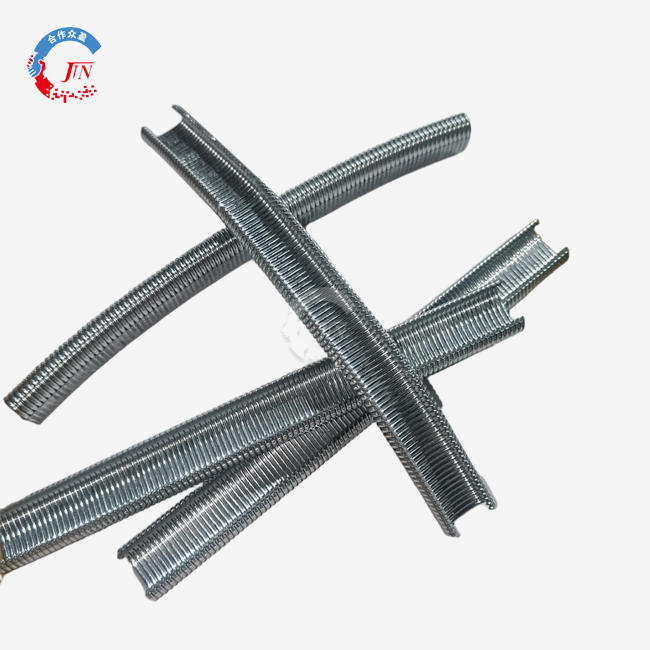
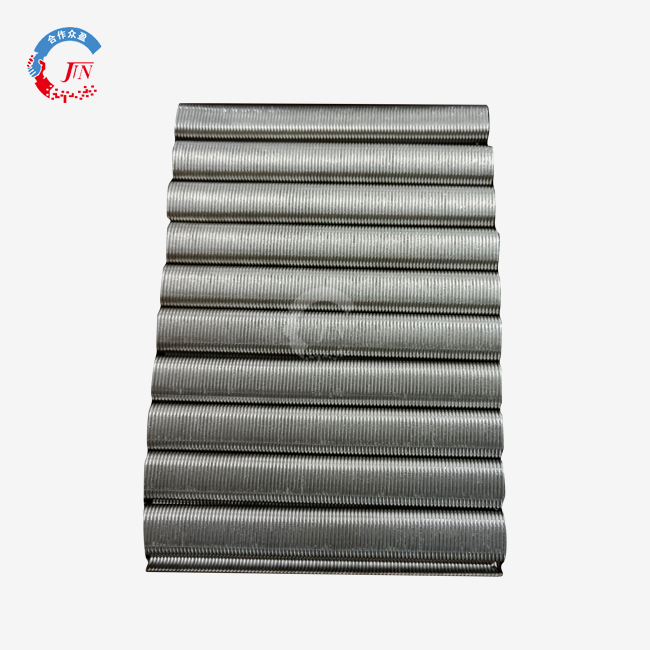
There are a few important things you need to think about when picking out quality 16 gauge 1/2 inch hog rings that have a direct effect on how well they work and how long they last. Material makeup, dimensional accuracy, resistance to corrosion, and source dependability are the main factors used in the selection process. High-quality hog rings have a consistent wire thickness of about 1.6 mm, an exact crown width of 12.7 mm, and better surface treatments that keep tools from getting stuck and rusting. So that the Products can be easily integrated into current production processes, procurement managers should look for providers that offer galvanized or stainless steel choices, make sure that the tensile strength values are higher than 100,000 PSI, and make sure that the products can be used with standard pneumatic or hand clinching tools.
Introduction
How well your factory works depends a lot on the fixing options you pick. The right fastener can make the difference between smooth production and costly downtime in a wide range of fields, from car upholstery to building farming cages. Poor-quality fasteners have caused many production managers to have problems with tool jams, early rust, and uneven closing strength.
This complete guide discusses the specific issues that buying managers, production engineers, and quality assurance workers face when they need to find C-ring fasteners for use in industry. Knowing the difference between high-quality fastening parts and cheaper ones will help you keep your production schedules and product image safe, whether you're attaching seat cushions to cars, putting together wire mesh structures, or holding upholstery to furniture frames. We'll go over the technical specs, material science, and supplier rating factors that are most important for making B2B buying decisions.
Understanding 16 Gauge 1/2 Inch Hog Rings — Key Features and Applications
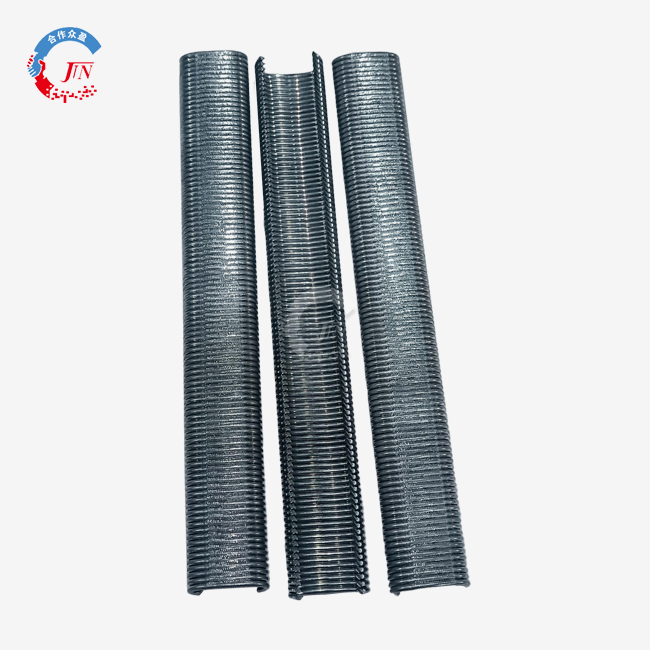
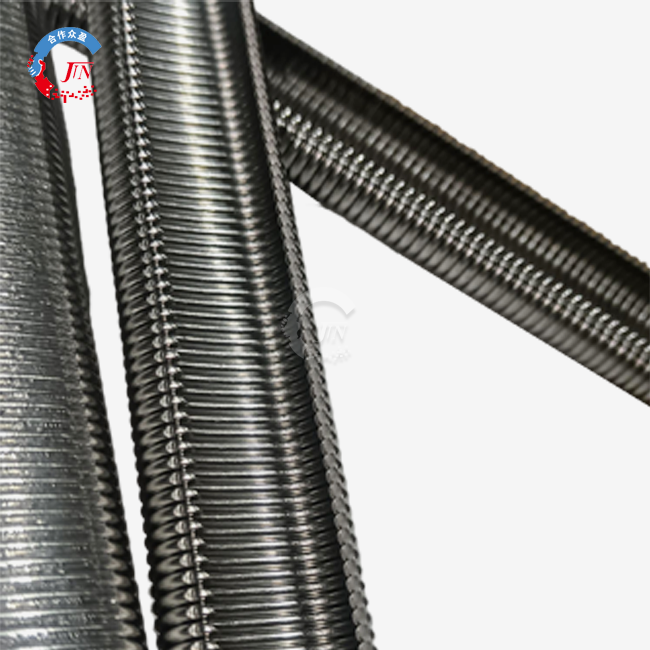
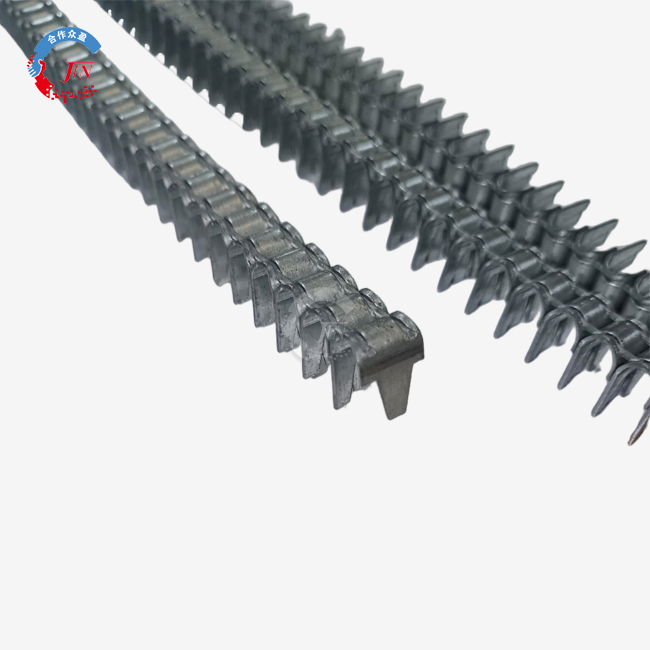
The basic structure of these fastening parts is made up of a 1.6mm wire width and a 12.7mm crown hole that is not closed yet. This particular design strikes the perfect mix between being able to penetrate and holding strongly, so it can be used with a wide range of materials, from thin fabrics to medium-density wire mesh.
Material Composition and Performance Standards
16 gauge 1/2 inch hog rings are typically manufactured from materials such as galvanized steel, which is the most common choice because it effectively resists rust and offers a strong cost-performance ratio. During the galvanization process, a protective zinc layer is applied, helping to extend service life in moderately humid environments. In addition, different alloy compositions can improve feeding stability, which is especially important when using high-speed pneumatic tools. For more demanding applications, stainless steel grades such as 304 and 316 provide superior corrosion resistance, making them well-suited for outdoor use or environments with high moisture exposure, such as farms or coastal areas.
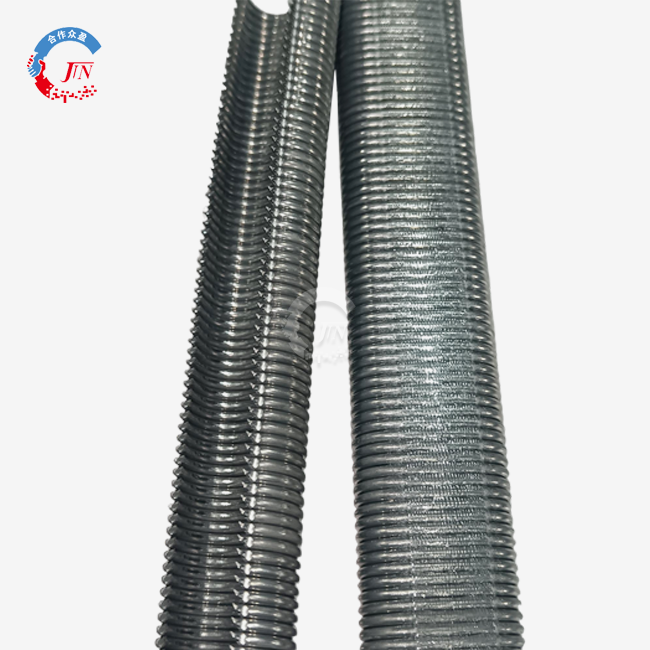
The metallurgical qualities that make sure consistent function are controlled by manufacturing standards. To keep feeding going smoothly, good providers strictly stick to dimensional tolerances, keeping the difference between sizes to within ±0.01mm. The finish on the surface must stay smooth and free of burrs that could catch on fabrics or hurt the tools. Tensile strength tests make sure that each batch can handle the mechanical forces that come up during fitting and long-term use.
Core Industrial Applications
These screws are very important for securing fabric covers and heating elements to foam frames in automotive seating assemblies. The rings have to keep their grip even though the weight is being moved and vibrated all the time. This requires both material stability and the right shape of the closure. When it comes to regular pumping, production lines in this sector value the speed boost that pneumatic installation offers.
16 gauge 1/2 inch hog rings are used in making furniture for many different applications. These rings are commonly used to attach fabric to wooden frames and to hold serpentine springs in place during sofa construction. In mattress assembly, they are essential for connecting border wires to the support layers. The sharp chisel tips allow them to cut cleanly through multiple layers of material without the need for pre-punching, which helps speed up the manufacturing process while maintaining the structural integrity of the finished product.
For wire mesh and cage building, you need fasteners that can firmly join heavy-gauge materials together. Manufacturers of pet cages, tools for chickens, and fence builders can all use the mechanical strength that these rings offer. The C-shaped design of the fastener lets it wrap around wires that cross each other, making a lasting mechanical bond that can't be pulled apart. When these things are used outside, the choice of material is even more important because early rust can cause structures to fail and safety issues to arise.
Installation Methods and Tool Compatibility
Manual hog ring pliers are small, light, and accurate, making them great for small jobs or installs in the field. These tools give workers a technical edge through lever action, which lets them get the right amount of closing force without making their hands too tired. In factories, where cycle times drop to less than two seconds per bolt, pneumatic choices make work much more quickly. Tool compatibility testing is still very important because makers build feeding systems around specific ring profiles. Mismatches lead to jams that stop production.
The strength of a joint is greatly affected by the way it was installed. 16 gauge 1/2 inch hog rings have to be cleanly cut to the material and wrap all the way around the surfaces before closing. When closure isn't full, gaps appear that make holding power weaker and cause snag dangers. When possible, operators should place bands so that they are perpendicular to the lines of stress. This will make them more resistant to pull-through forces. Maintenance on installation tools, like cleaning the feeding gears and replacing broken jaws, keeps them working the same way from one production run to the next.
Criteria for Choosing Quality Fasteners
To evaluate possible providers, you need a methodical technique that looks at many aspects of quality. Verification of the material is the first step. Ask for material certificates that list the steel grade, covering type, and coating thickness. According to ASTM B117, salt spray tests are an objective way to measure corrosion protection. Good galvanized goods usually last longer than 72 hours without red rust forming.
Dimensional Consistency and Manufacturing Precision
For production to go easily, fasteners must be able to run through pneumatic tools without stopping. Tight control of dimensions during production is what makes this reliable. Crown width changes greater than 0.1 mm lead to feeding problems because combined strips get stuck in the magazine channels. Wire width differences affect how closures work. Wire that is too small isn't strong enough, and wire that is too big needs too much closing force, which can damage surfaces or stress tools beyond their design limits.
Reputable makers use statistical process control to keep an eye on measurements all the time during production runs. Documentation that is of high quality should include batch testing data that shows measurement results for a number of different factors. Not having this kind of paperwork is a sign of weak quality systems, which are often linked to problems in the field.
Surface Treatment Quality Assessment
How long metal fasteners, such as 16 gauge 1/2 inch hog rings and screws, last in harsh environments depends on the protection that is put on the base wire to protect it. Different providers use very different methods for galvanization, and the coats they make are often thin, uneven, and prone to flaking. Some flaws can be seen with the naked eye. Rough surfaces, staining, or white rust are all signs of poor coating bonding. Quantitative testing, on the other hand, gives more accurate results. Specifications usually call for at least 8 microns of coverage for normal uses, and coating thickness scales accurately measure zinc deposition.
Stainless steel options get rid of the need to worry about coatings, but they add the need to verify the material grade. Type 304 stainless steel is resistant to rust enough for most indoor uses and some outdoor contact. Type 316 stainless steel with molybdenum added to make it more resistant to chlorine is needed in marine areas, chemical processing plants, and other harsh places. Magnetic testing is a quick way to check in the field—300-series steel has a weak magnetic reaction compared to 400-series grades that are sometimes used instead to save money.
Supplier Capabilities and Quality Systems
In addition to product specs such as 16 gauge 1/2 inch hog rings, operational traits of the seller also affect how well the procurement goes. Order delivery dependability is affected by production capacity, especially when demand goes up quickly. When manufacturers keep large inventory gaps, they can meet important orders that keep production lines running even when there are problems in the supply chain.
Certification of a quality management system is a concrete sign that a process is mature. Getting ISO 9001 approval shows that you are committed to following written processes, making improvements all the time, and using systems that allow for quick responses to quality problems. When asked, suppliers should be happy to share inspection records, process capability studies, and evidence of correction actions.
Being able to customize things adds strategic value. In order to meet production needs, non-standard specs are often needed, such as different crown widths, special finishes, or different collation setups. Suppliers with technical skills can work together to create custom solutions and try samples to make sure they work before starting mass production.
Comparing Alternative Specifications
Choosing the right wire size has a big effect on how well it works. There are heavier 14-gauge choices that are stronger for tough jobs where pull-through forces are higher than normal. The stronger wire doesn't bend as easily, but it takes more force to close, which could make it harder to use certain tools and take longer to install. Lighter 18-gauge versions make it easier to close hydraulic tools and make spinning faster, but they lose some of their staying power. In the middle is the 16-gauge standard, which gives enough strength for most industry uses while keeping installation efficiencies.
Crown width changes to meet the needs of different material thicknesses. For normal uses with one or two pieces of cloth, the 1/2-inch opening works fine. Crowns that are 5/8-inch wider can be used on thicker surfaces or in cases where more space is needed. But when the crown width gets bigger, the number of fasteners per linear measure goes down. This can affect the strength of the joint in some situations.
A cost-benefit study is needed to choose between coated steel and stainless steel as a material for 16 gauge 1/2 inch hog rings. Most of the time, galvanized options are 40–60% less expensive than stainless steel options, making them a strong choice for applications used in controlled environments. In indoor, temperature-stable conditions where the difference in corrosion resistance is less critical, galvanized fasteners can often last for decades. Stainless steel, however, is worth the additional cost in harsh or corrosive environments where long-term durability and reduced maintenance or replacement costs outweigh the initial material expense.
Bulk Procurement and Supplier Selection Strategies
Finding sources who understand industrial fastener requirements is the first step to efficient sourcing. Generic hardware sellers usually do not keep enough stock or technical expertise to support production environments. Specialized fastener manufacturers offer better value because they understand their products, can customize solutions, and can maintain a reliable supply, including items like 16 gauge 1/2 inch hog rings.
Verifying a supplier means looking at a lot of different operating aspects. Experience in manufacturing is important—older companies learn things about the process that younger companies don't have. We've been in business nonstop since 2015, so we've gained experience making C-rings, which means that the quality of our products is always the same. Being close to big ports makes transportation easier, which is especially important for buying things from other countries. Because we are close to Tianjin Port, our export operations are simplified, and we can ship full pallets, which reduces the risk of cargo damage.
When buying fasteners in bulk, the way prices are set reflects the amount that is promised and when it needs to be delivered. Annual supply deals usually get better prices and make sure there is enough product. Clear pricing models show the base price plus any changes needed for extra materials, special requests, or faster delivery. Instead of vague lump-sum pricing, competitive providers give specific quotes that break down the costs of each part.
Protocols for quality assurance for 16 gauge 1/2 inch hog rings guard against group differences. Reliable providers inspect arriving materials, keep an eye on the work in progress, and check the finished product. Ask for written proof of these systems, like measurement logs, inspection plans, and processes for not meeting standards. Suppliers who are sure of their quality systems are happy for buying teams to visit their factories and watch how they make things.
Customization services let you use more than just basic catalog things in your applications. OEM agreements make it possible to create custom fastener specs that are best for each product. Suppliers can reverse-engineer current fasteners and make drop-in replacements that exactly match how they work thanks to sample-based production. Both methods can be used at our plant, which can work from technical drawings or real samples to make custom versions that meet exact requirements.
Practical Implementation Guidance
To successfully install fasteners, you need to pay attention to details that are specific to the application, in addition to choosing the right product. When different metals come into contact with water, some base combinations cause galvanic corrosion, which can be very expensive to fix. When used in a fence, stainless bolts and galvanized mesh can break down faster if they are not properly separated or matched in terms of material.
Maintaining installation tools for 16 gauge 1/2 inch hog rings has a direct effect on how well they work and how productively they are used. Pneumatic gun systems pick up dirt and dust, which makes firing less reliable. The quality of the compressed air is very important. Moisture and particles damage internal parts and can also contaminate the fasteners. Routine daily cleaning and deep maintenance every three months help prevent performance from gradually declining over time, a problem that is often not noticed until critical production targets need to be met.
The way fasteners are stored affects how they work before they are installed. When kept in places with a lot of humidity and not enough air flow, galvanized items can get white rust. We use protected oil film coats that keep out moisture from the air and don't leave behind any residue that could stop the tool from feeding. This safety lasts until the product is used because it is sealed.
When installing things, it's important to remember to wear the right personal protective equipment for safety reasons. Metal pieces that fly around can hurt your eyes, especially when screws break during closing. When putting things together, everyone must wear safety glasses that are rated for impact protection. Controlling the pressure of pneumatic tools is important because too much air pressure can damage fasteners beyond their design limits, making them more likely to break and causing projectile dangers.
Conclusion
Choosing high-quality fasteners such as 16 gauge 1/2 inch hog rings requires balancing a number of factors, such as the material's sturdiness, the accuracy of the measurements, the supplier's dependability, and the price. The 16-gauge wire standard works well in a wide range of industrial settings, from making car upholstery to building animal cages. Galvanized steel options are a great value in controlled settings, while stainless steel options are worth the extra cost in situations where they will be exposed to toxic substances.
A successful buying process includes more than just the product requirements. It also includes the skills, systems, and dependability of the logistics and suppliers. Long-term value is higher for manufacturers with established operations, strong stocking systems, and customization tools than for commodity providers whose only goal is to compete on price. In addition to these skills, our facility offers quick customer service and technical help that keeps production lines going smoothly.
FAQ
What distinguishes 16-gauge wire from other wire thicknesses in fastening applications?
The number 16 means that the wire is about 1.6 mm in thickness, which puts it between the lighter 18-gauge and heavier 14-gauge choices. This standard strikes the perfect balance for most industrial uses—it has enough strength to hold things securely without needing too much closing force, which could damage substrates or slow down installation processes.
How do galvanized and stainless steel options perform in outdoor agricultural applications?
Galvanized steel works well in mild outdoor exposure and usually lasts between 5 and 10 years in farm cage use before corrosion starts to be a problem. This lasts longer than 20 years with stainless steel, even in tough environments with a lot of water and waste. Because of the difference in price, galvanized is better for buildings that will be replaced often, while stainless is worth the extra money for long-term installs.
Can these fasteners be installed using both manual and pneumatic tools?
All of the common assembly tools can be used with our C-ring screws. For outdoor work and low-volume tasks, manual hog ring tools can be used. In factories, however, pneumatic guns make installation much faster. The constant size requirements make sure that automatic tool magazines can feed the parts smoothly, and our protection coating recipe stops the buildup of residue that leads to jams.
What packaging quantities suit high-volume manufacturing operations?
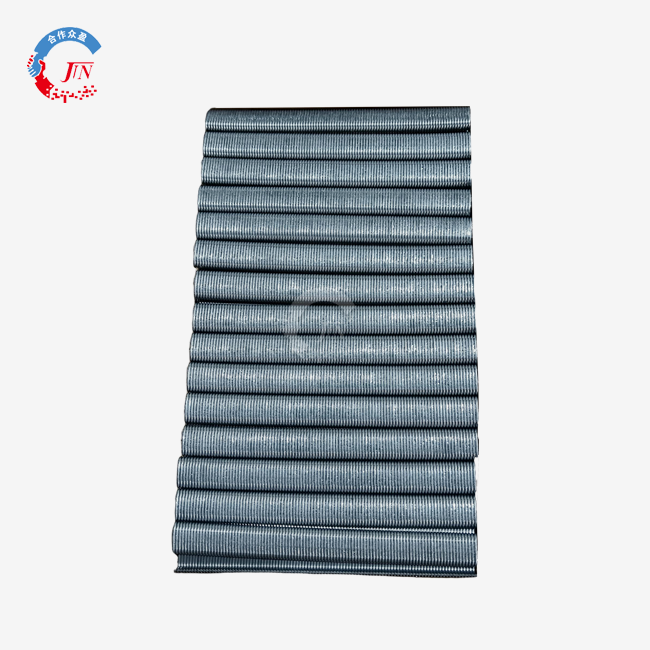
The number of pieces in an industrial box is usually between 2,500 and 10,000. Collated strips make it easier to load pneumatic tool magazines. We change the way the products are packed based on how often they are used and how much space is available. For regular large buyers, we offer full-pallet amounts that save them money on freight costs. Our large inventory allows for quick restocking, and common specs have production lead times of 3–5 days.
Partner With TJJZ for Reliable Fastening Solutions
Tianjin Jinzhuang New Materials Technology Co., Ltd. (TJJZ) sells C-ring screws that are made to work in harsh production settings. Our galvanized steel choices are both corrosion-resistant and affordable. Also, our precision making makes sure that the dimensions are always the same, which keeps tools from getting stuck and production from stopping. We keep a lot of supplies on hand so that we can quickly fill orders. Most common specifications ship within 3–5 days of order confirmation.
Before a batch is shipped, quality testing methods make sure that it meets strict performance standards. The protective oil film layer that we put on our screws keeps them from rusting in storage and keeps pneumatic tools from sticking when they're being used. With application support, our expert team helps procurement managers and production engineers choose the best fasteners for different uses in areas like furniture assembly, car seating, cage making, and fencing.
Custom production lets you meet specific needs that go beyond what's listed in a brochure. Our OEM services offer custom solutions backed by our production knowledge, whether you need different sizes, special finishes, or your own designs. Get in touch with our applications engineering team at userID@jinzhuangfastener.com to talk about your binding needs. We'll give you technical help, offer low prices for large orders, and send you samples that show the performance benefits that have made TJJZ a trusted 16 gauge 1/2 inch hog rings supplier since 2015.
References
1. American Society for Testing and Materials. (2019). ASTM F1667-18: Standard Specification for Driven Fasteners: Nails, Spikes, and Staples. West Conshohocken: ASTM International.
2. Metals Handbook Committee. (2018). Corrosion Resistance of Steel Fasteners in Industrial Environments: A Comprehensive Analysis. Materials Park: ASM International.
3. Industrial Fasteners Institute. (2020). Handbook of Fastening and Joining of Metal Parts: Design Standards and Performance Specifications. Cleveland: Industrial Fasteners Institute.
4. Zhang, W., & Morrison, P. (2021). Quality Control in Wire Fastener Manufacturing: Process Optimization and Defect Prevention. Journal of Manufacturing Science and Engineering, 143(8), 081-095.
5. National Association of Manufacturers. (2020). Best Practices in Industrial Fastener Procurement: A Guide for Production Managers and Purchasing Professionals. Washington: NAM Publications.
6. Chen, L., Rodriguez, M., & Takahashi, K. (2022). Comparative Performance Analysis of Galvanized versus Stainless Steel Fasteners in Corrosive Environments. International Journal of Materials Engineering, 12(3), 234-249.
Learn about our latest products and discounts through SMS or email