- English
- French
- German
- Portuguese
- Spanish
- Russian
- Japanese
- Korean
- Arabic
- Greek
- German
- Turkish
- Italian
- Danish
- Romanian
- Indonesian
- Czech
- Afrikaans
- Swedish
- Polish
- Basque
- Catalan
- Esperanto
- Hindi
- Lao
- Albanian
- Amharic
- Armenian
- Azerbaijani
- Belarusian
- Bengali
- Bosnian
- Bulgarian
- Cebuano
- Chichewa
- Corsican
- Croatian
- Dutch
- Estonian
- Filipino
- Finnish
- Frisian
- Galician
- Georgian
- Gujarati
- Haitian
- Hausa
- Hawaiian
- Hebrew
- Hmong
- Hungarian
- Icelandic
- Igbo
- Javanese
- Kannada
- Kazakh
- Khmer
- Kurdish
- Kyrgyz
- Latin
- Latvian
- Lithuanian
- Luxembou..
- Macedonian
- Malagasy
- Malay
- Malayalam
- Maltese
- Maori
- Marathi
- Mongolian
- Burmese
- Nepali
- Norwegian
- Pashto
- Persian
- Punjabi
- Serbian
- Sesotho
- Sinhala
- Slovak
- Slovenian
- Somali
- Samoan
- Scots Gaelic
- Shona
- Sindhi
- Sundanese
- Swahili
- Tajik
- Tamil
- Telugu
- Thai
- Ukrainian
- Urdu
- Uzbek
- Vietnamese
- Welsh
- Xhosa
- Yiddish
- Yoruba
- Zulu
Do Sharp Point Hog Rings Offer Better Grip and Holding Strength?
An In-Depth Guide for Global B2B Procurement Clients
Yes, sharp point hog rings do offer measurably better grip and holding strength compared to blunt-end alternatives. The precision-engineered needle tip penetrates dense substrates—such as automotive foam, heavy wire mesh, or upholstery fabric—without tearing or displacing surrounding material. This clean, deep pierce creates a tighter mechanical lock once crimped, reducing the risk of joint failure under tension or vibration. For industrial buyers in mattress manufacturing, furniture production, automotive seating, and cage assembly, this performance difference directly affects product quality, production speed, and long-term durability.


Understanding Sharp Point Hog Rings and Their Design Advantages
There is more to the geometry of a sharp point C-ring than just looks. It changes how the fastener interacts with the material it joins than just looks.
What Defines a Sharp Point Design?
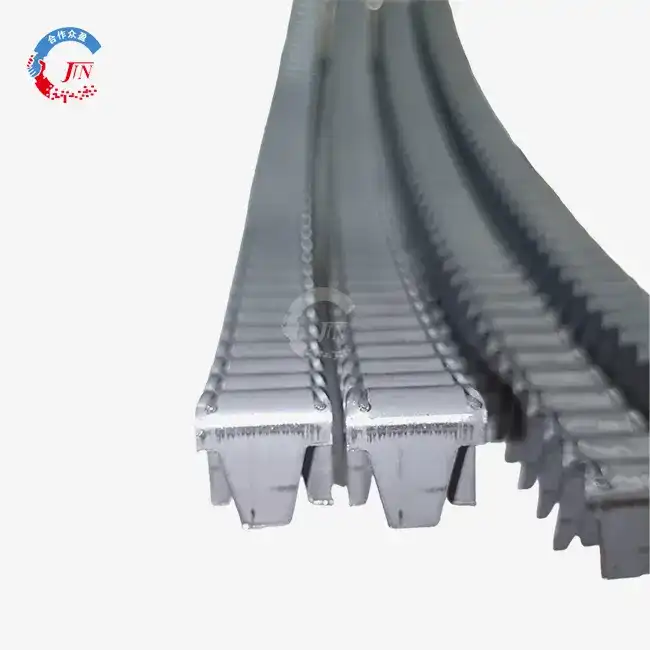
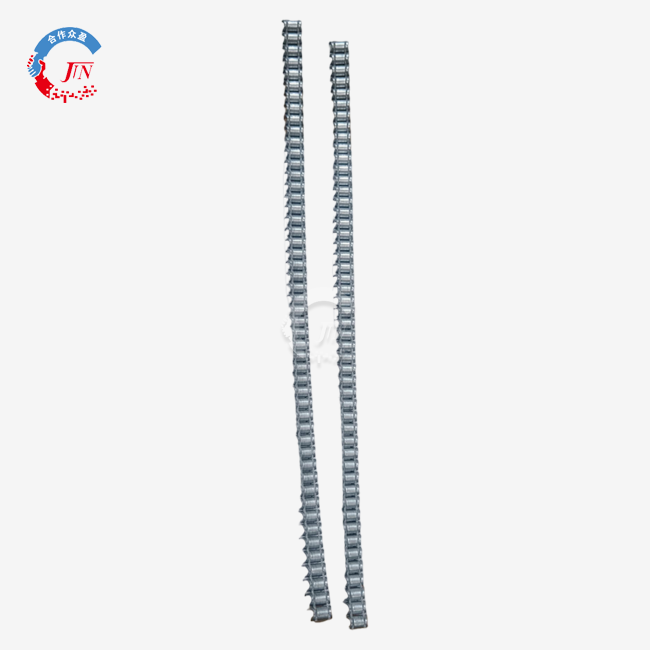
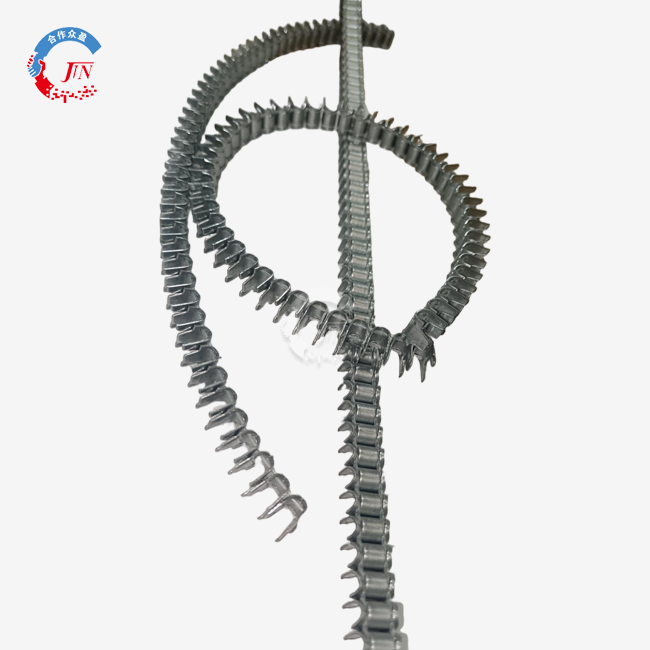
Sharp point hog rings have a multi-stage cold-headed tip that is usually formed at an angle between 30° and 45°. This tip shape lowers the entry force needed, which makes air tools last longer and keeps operators from getting tired. Standard flat rings need more force to be crimped, and they often crush wire coats instead of going all the way through them.
Material Composition and Its Role in Holding Strength
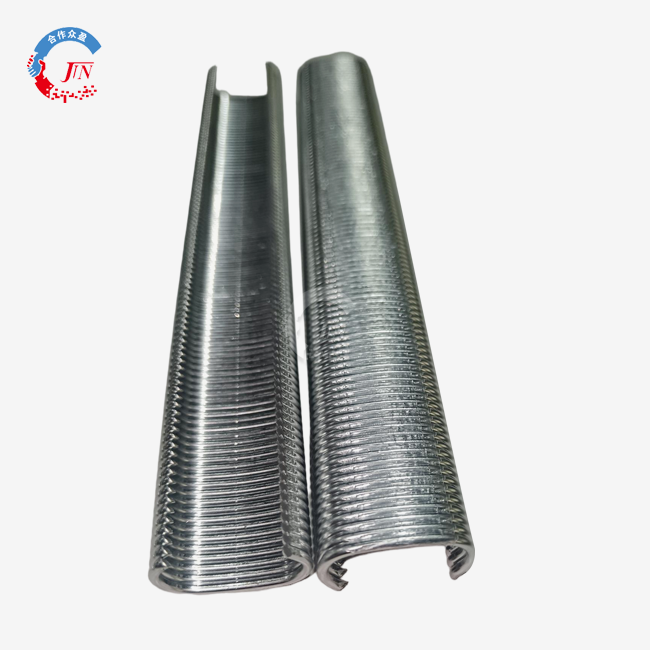
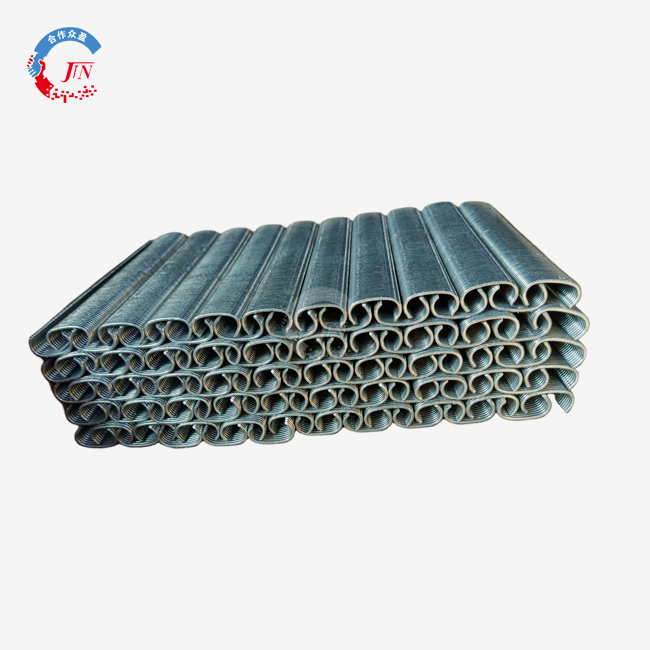
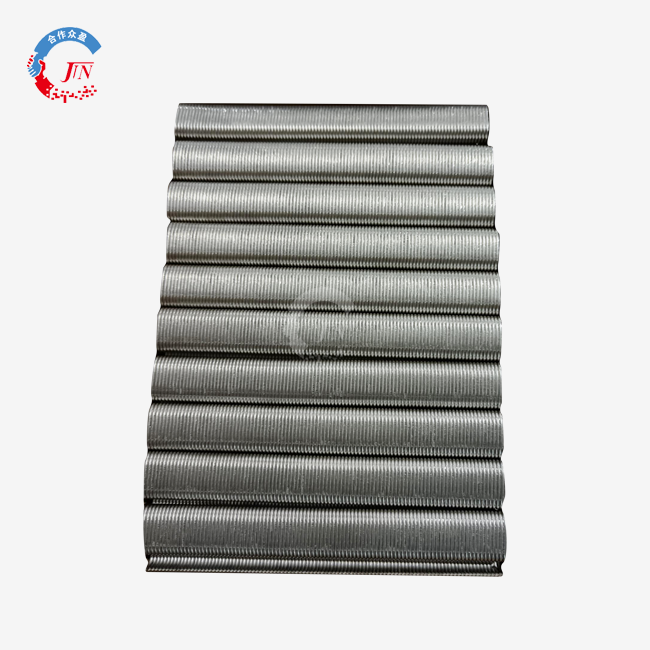
Most industrial-grade bands are made from high-carbon steel wire, and the gages range from 16G to 17G. For example, the C17 standard is 16.9 mm wide and 8.7 mm tall, which is the right size for both hand and pneumatic pliers to close the hole evenly. You can choose from coated steel, which doesn't rust and doesn't cost much, zinc-aluminum alloy, which makes rows more stable, and stainless steel, which is good for harsh or wet areas.

How Dimensional Consistency Affects Grip?
Every cycle, rings that were made with tight specs on size—within ±0.02 mm on wire diameter and crown width—close evenly. Dimensions that aren't always the same lead to partial closing, which lowers the mechanical grip area and raises the risk of the joint coming loose over time. Precision making is not a nice-to-have, it's a must for production lines.
Applications and Benefits of Sharp Point Hog Rings in Industry
The sharp point shape solves real operating problems that blunt rings just can't handle as well in a number of industrial sectors.
Automotive Upholstery and Seat Assembly
When making car seats, rings have to go through thick leather or vinyl and high-density polyurethane foam without damaging the grain. The sharp tip cuts cleanly through the material, which lets the ring wrap around the wire frame and crimp together securely. This makes seat covers stable even after being used a lot, which is a standard that both Tier 1 and Tier 2 car suppliers can't go against.
Cage and Wire Mesh Construction
C-type sharp point hog rings are used to connect mesh joints by companies that make chicken cages and wire fences. The sharp tip cuts through PVC coatings and wire junctions with little movement of the coating, which keeps the corrosion barrier in place at the joint. For agricultural installations outside, galvanized sharp point rings that have been tested for salt spray for more than 200 hours (per ASTM B117 standards) are the best choice.
Mattress and Upholstered Furniture Assembly
When making a mattress, hog rings connect the set of springs to the edge of the fabric. Sharp point rings cut down on the time it takes to squeeze each unit and keep the fabric from getting caught at the entry point. Sofa and upholstered furniture factories both benefit from this trait: it speeds up installation, makes joints look better, and cuts down on the amount of work that needs to be redone because of torn fabric at the fastening point.
Comparing Sharp Point Hog Rings with Alternative Fastening Solutions
A fair comparison is needed to pick the right type of fixing. In some situations, sharp point rings work well, but buyers should know when other choices are just as good.
Here is an organized list of the most popular options that you can choose from:
- Blunt Point Hog Rings: Lower cost per unit, but require higher tool pressure and produce less consistent penetration in dense materials. Suitable for soft substrates where penetration resistance is not a concern.
- Clip Staples (Clinch Clips): Offer a flat, wide contact surface that distributes holding force across a broader area. Best suited for spring-to-frame connections in mattresses and sofa frames where shear resistance matters more than piercing ability.
- Galvanized Hog Rings (Standard): Provide excellent rust resistance with a commercially standard 48–72 hours of salt spray protection, while heavy-duty Class 3 galvanization can reach 200–300 hours. Sharp point galvanized rings combine the penetration advantage with this corrosion protection.
- Stainless Steel Rings: Grade 316 stainless steel offers the highest corrosion resistance for coastal, marine, or chemical-exposure environments. The trade-off is a higher unit cost compared to galvanized options.
The best decision for buying something is one that takes into account the type of substrate, the environment, the compatibility of the tools, and the cost per unit. Sharp point rings that have been galvanized can be used in the most situations and are very cheap compared to their performance.
How to Choose the Right Sharp Point Hog Rings for Your Business Needs?
Selecting the right specification starts with understanding your production environment, not just the price list.
Match Gauge and Size to Your Application
The C17 specification (16.9 mm × 8.7 mm) fits most standard hog ring pliers and pneumatic tools using 17G sharp point hog rings. Buyers running 16G tools should confirm magazine compatibility before placing bulk orders. Available sizes in 1/2" and 3/4" cover the majority of upholstery, cage, and automotive applications.
Evaluate Coating Based on Environmental Exposure
For indoor furniture and mattress production, standard galvanized coating provides sufficient rust resistance. For outdoor fencing, cage systems, or humid agricultural environments, zinc-aluminum alloy or stainless steel options extend service life substantially. Request salt spray test data from your supplier before committing to a coating specification.
Supplier Criteria That Protect Your Production Line
A reliable supplier should offer sample-based production, respond to inquiries within a short window, and maintain sufficient standing inventory to support a 3–5 day production lead time. Customization support—including non-standard sizes, specialized coatings, and private-label packaging—is important for manufacturers with specific OEM requirements.
Best Practices for Using and Maintaining Sharp Point Hog Rings
When fitted or kept incorrectly, even the best fastener doesn't work well.
Tool Selection and Setup
Always make sure that the ring gage fits the tool's magazine. Standard C17 rings can be used with both manual hog ring pliers and pneumatic hog ring guns. Pneumatic tools make binding much faster and keep operators from getting tired on high-volume production lines. To avoid partial crimps, make sure that the air pressure setting is within the range suggested by the tool's maker.
Correct Installation Procedure
Before you squeeze, make sure the ring is in the right place at the joint and that the sharp tips are straight out from the surface of the material. The ring should be completely closed with a single, strong snap. If you only do partial crimping, the grip area gets smaller, and the joint could open up when it's loaded. Check a sample of rings from each production run to make sure they have the right shape for full closure.
Routine Inspection and Storage
Even for galvanized rings, keep them in a dry place away from water to keep them from oxidizing before installation. Check joints in completed goods on a regular basis, especially in outdoor cages or car seats that are subject to vibration, to find any rings that have opened or corroded too soon. If you replace a loose ring early, the structure won't fail later.
Conclusion
Sharp point hog rings provide a genuine performance advantage in applications where clean penetration, tight closure, and joint stability under load are required. The combination of precision tip geometry, consistent dimensions, and appropriate surface treatment makes them a practical choice for mattress manufacturers, furniture factories, automotive seat suppliers, and cage equipment producers. The C17 galvanized specification covers the broadest range of standard industrial applications, while alloy and stainless steel options address higher-demand environments. Selecting the right specification and working with a supplier who maintains stable inventory and fast response times protects your production schedule and product quality.
FAQ
Are sharp point hog rings suitable for all fencing materials?
They work well with standard chain-link, wire mesh, and PVC-coated wire. The pointed tip pierces mesh junctions cleanly without excessive coating displacement. For very thin or soft wire, confirm the gauge matches the material to avoid over-penetration.
How do I select the right size for my application?
Match ring width and height to the material thickness and wire diameter you are fastening. The C17 (16.9 mm × 8.7 mm) is the most widely used specification across upholstery, mattress, and cage applications. When uncertain, request samples before committing to a full production order.
What is the typical lead time for bulk orders?
Standard bulk orders are fulfilled within 3–5 production days when inventory is available. Customized specifications may require additional lead time depending on order volume and coating requirements.
Do sharp point rings damage wire coatings on mesh products?
When properly sized, the sharp tip pierces the mesh junction with less coating disruption than a blunt ring that crushes the wire surface. Galvanized coatings on the ring itself also protect the joint from secondary corrosion at the fastening point.
Are these rings compatible with standard pneumatic tools?
Yes. C17 rings are compatible with most standard pneumatic hog ring guns and manual pliers, provided the gauge and magazine type match the tool's specification.
Get a Bulk Quote on Sharp Point Hog Rings from TJJZ
Since 2015, TJJZ has been making C-type bolts and hog ring solutions, and they have kept the quality fixed from the time they get the raw materials until they ship them out. Our C17 galvanized sharp point hog rings supplier catalog has a lot of different gages, coatings, and custom specifications. We also offer 3–5 day lead times and promise to answer your questions within 3 minutes. We offer reliable full-pallet shipping and a low rate of cargo damage because we are close to Tianjin Port. To get a free sample or price on production, email us at userID@jinzhuangfastener.com or go to jinzhuangfastener.com right now.
References
1.Bickford, J. H. An Introduction to the Design and Behavior of Bolted Joints. Marcel Dekker, 1995.
2.Budynas, R. G., & Nisbett, J. K. Shigley's Mechanical Engineering Design. McGraw-Hill Education, 2020.
3.ASTM International. ASTM B117: Standard Practice for Operating Salt Spray (Fog) Apparatus. ASTM International, 2019.
4.STM International. ASTM A641/A641M: Standard Specification for Zinc-Coated (Galvanized) Carbon Steel Wire. ASTM International, 2020.
5.ISO. ISO 9227: Corrosion Tests in Artificial Atmospheres — Salt Spray Tests. International Organization for Standardization, 2017.
6.Parmley, R. O. Standard Handbook of Fastening and Joining. McGraw-Hill, 1997.
Learn about our latest products and discounts through SMS or email