- English
- French
- German
- Portuguese
- Spanish
- Russian
- Japanese
- Korean
- Arabic
- Greek
- German
- Turkish
- Italian
- Danish
- Romanian
- Indonesian
- Czech
- Afrikaans
- Swedish
- Polish
- Basque
- Catalan
- Esperanto
- Hindi
- Lao
- Albanian
- Amharic
- Armenian
- Azerbaijani
- Belarusian
- Bengali
- Bosnian
- Bulgarian
- Cebuano
- Chichewa
- Corsican
- Croatian
- Dutch
- Estonian
- Filipino
- Finnish
- Frisian
- Galician
- Georgian
- Gujarati
- Haitian
- Hausa
- Hawaiian
- Hebrew
- Hmong
- Hungarian
- Icelandic
- Igbo
- Javanese
- Kannada
- Kazakh
- Khmer
- Kurdish
- Kyrgyz
- Latin
- Latvian
- Lithuanian
- Luxembou..
- Macedonian
- Malagasy
- Malay
- Malayalam
- Maltese
- Maori
- Marathi
- Mongolian
- Burmese
- Nepali
- Norwegian
- Pashto
- Persian
- Punjabi
- Serbian
- Sesotho
- Sinhala
- Slovak
- Slovenian
- Somali
- Samoan
- Scots Gaelic
- Shona
- Sindhi
- Sundanese
- Swahili
- Tajik
- Tamil
- Telugu
- Thai
- Ukrainian
- Urdu
- Uzbek
- Vietnamese
- Welsh
- Xhosa
- Yiddish
- Yoruba
- Zulu
What Are Wire Fastening Rings and How Do They Work?
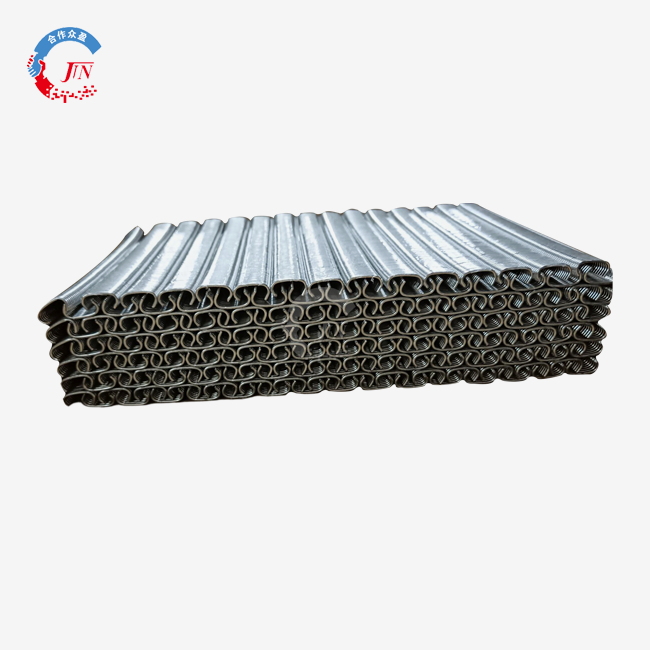
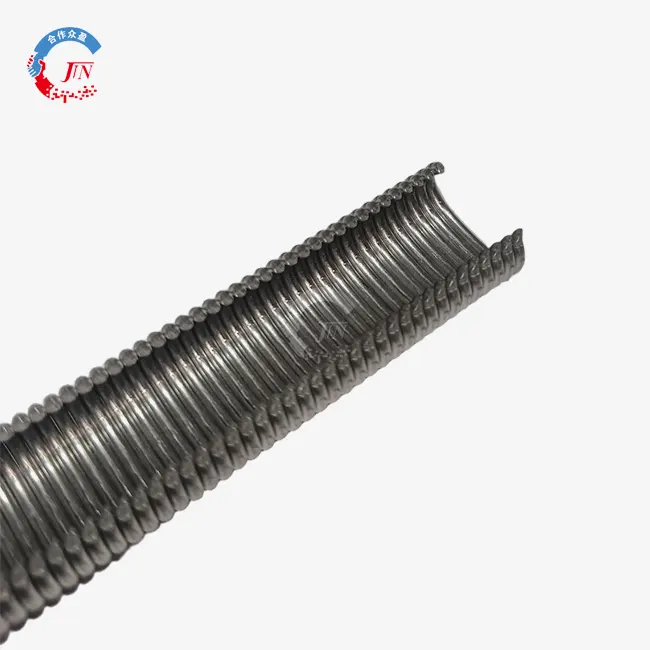
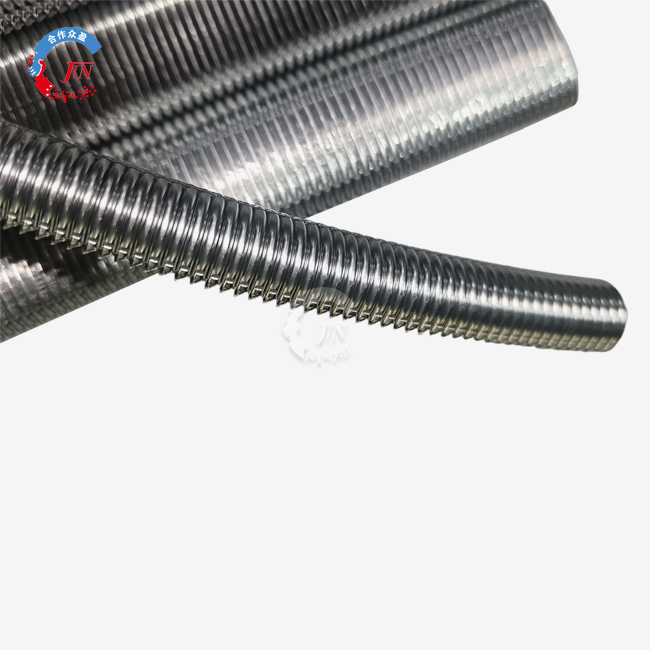
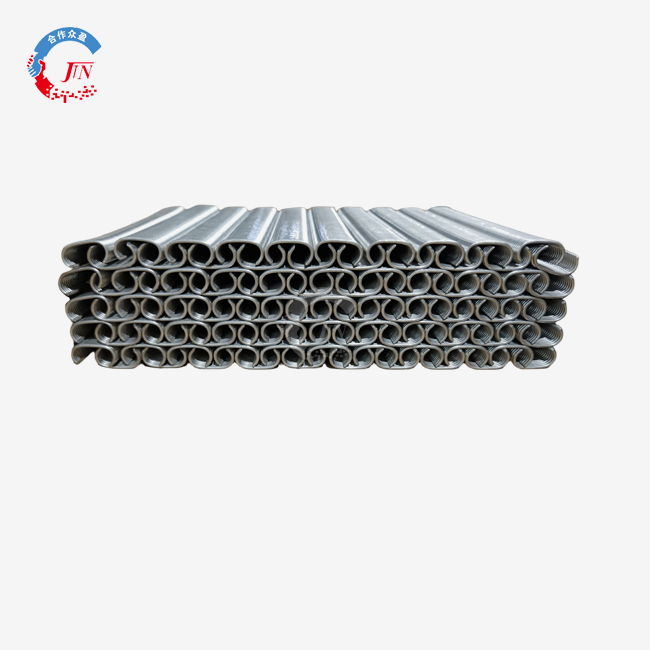
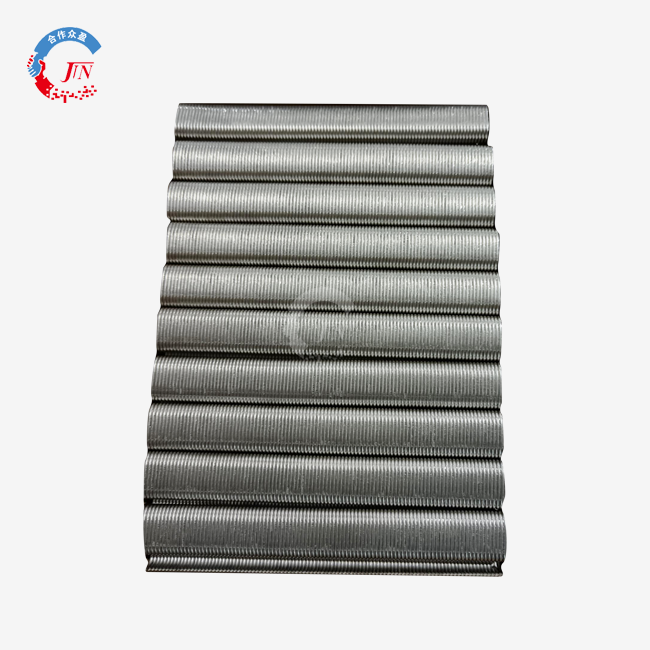
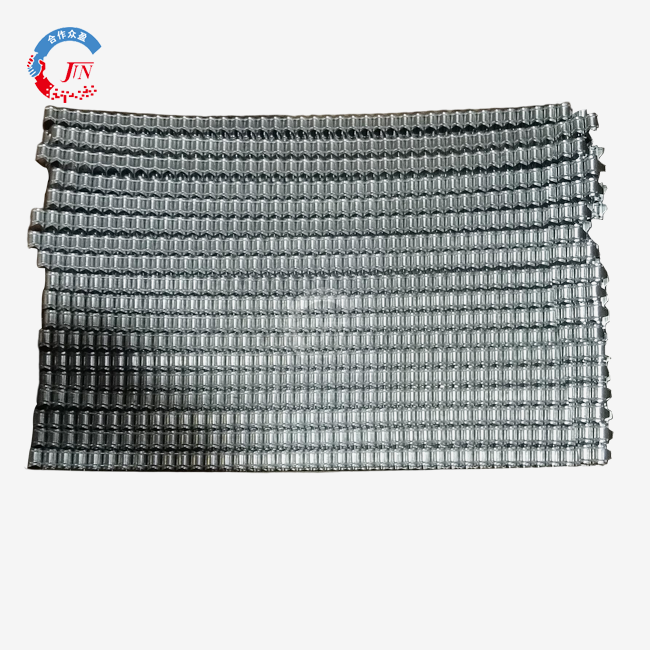
Wire fastening rings — commonly called hog rings or C-rings — are precision-engineered metal fasteners that secure wire-to-wire, wire-to-fabric, or wire-to-component joints through a compressed circular closure. Unlike plastic zip ties or cable clips, these rings form a permanent, high-tensile metal bond that holds firm under vibration, heat cycling, and mechanical stress. Industries ranging from mattress manufacturing to automotive seating rely on them daily. If you manage procurement or production, understanding how wire fastening rings work is the first step toward choosing a fastening solution that keeps your line running without interruptions.

Understanding Wire Fastening Rings: Definitions and Core Functions
What Makes Them Different from Standard Fasteners?
Most fasteners, like bolts, clips, and wire ties, need something to fit against them or rely on contact. Different things happen when wire fastening rings are used. The open C-shaped ring is crimped around the target materials by a pneumatic hog ring tool, which changes it into a closed "O" shape. This makes a mechanical lock that is made of a single piece and doesn't need any glue, threading, or extra hardware.
The Crimping Mechanism Explained
At 80 to 100 PSI, the tool presses both legs inward at the same time. When the legs meet, they cross a little, making a joint that can't be pulled apart. This is why the shape of the closure is important: industry pull-out test data shows that an incomplete "O" shape, which can be caused by not enough air pressure or old machinery, lowers joint strength by up to 40%.
Why B2B Production Lines Prefer Them?
On an assembly line with a lot of parts, speed and accuracy are musts. A trained person with a pneumatic hog ring tool can put on hundreds of rings an hour with almost no changes. This ability to be used again and again gets rid of the "creep" failure that happens with plastic ties and the unevenness that comes from twisting wires by hand.

Types and Materials of Wire Fastening Rings
Picking the right ring material isn't an easy task; it affects how long it will last, how strong it is, and how well it works with other tools. This list makes it easy to see the most common choices in the B2B market.
Galvanized Steel Rings
Hot-dip galvanized rings are usually used indoors for tasks like putting together mattress springs and upholstery for sofas. The gage of most wires is between 11 GA and 16 GA, and their tensile strengths are between 600 MPa and 900 MPa. They meet ASTM A641 for zinc-coated carbon steel and ASTM B117 for salt-spray protection for 72 to 500 hours, which is long enough for furniture and general industrial settings.
Stainless Steel and Galfan Options
Grade 304 stainless steel wire fastening rings work well in fairly corrosive environments. On the other hand, 316 stainless is the right choice for coastal or marine-adjacent settings where chloride-driven pitting rust is a real risk. Zinc-aluminum alloy (Galfan) rings last longer in acidic farming environments, which is why they are the best choice for putting together chicken cages and other poultry equipment.
Dimensional Tolerances and Sizing
There is an easy rule for choosing the right ring size: add 10 to 15 percent to the total diameter of the materials being joined. Crown width and leg length must have limits of no more than 0.05 mm. When rings are outside of this range, pneumatic tools get stuck while filling, which is one of the most common complaints from procurement managers about production downtime.
Installation Guide and Best Practices for Wire Fastening Rings
Installing something correctly the first time keeps it from breaking down or getting stuck, which can be very expensive. The steps are easy to follow, but there are a few small things that can make or break a production run.
Tools and Setup
You need a hog ring tool that works with air, an air compressor that is set to 80 to 100 PSI, and ring strips that are properly loaded. When you load tape-collated rings, the adhesive strip needs to be facing the tool's feed mechanism. Before you begin, make sure that the ring gage fits the tool's jaw specifications. Gages that don't match are a common reason why closures don't happen all the way.
Step-by-Step Application
Place the material junction exactly where the tool's jaw opens. Fully squeeze the trigger; do not let go in the middle of the stroke. When you look at the first five rings of a new batch, the closed ring should make a "O" shape that is tight and even, with no gaps that you can see. If the leg tips stay open, slowly raise the air pressure by 5 PSI until the valve closes all the way.
Maintenance and Inspection Protocols
Check the tool jaws for wear every 50,000 rotations. Replace rings that have surface rust, warping, or brittle fractures. Brittle fractures are often a sign of a high carbon content or poor annealing in the wire stock. Before you place a large order, ask your provider for a Mill Test Certificate (MTC) to make sure the chemical composition and heat treatment are correct.
Comparing Wire Fastening Rings with Alternative Fastening Solutions
In tough situations, production managers often wonder if plastic zip ties or hose clamps can be used instead of metal wire fastening rings. The truth is that it depends on the situation, but in most workplace settings, the difference in performance is big.
Here are the main differences that make a difference in B2B buying decisions:
- Zip ties vs. hog rings: Zip ties are cost-effective for light cable bundling but fail under UV exposure and thermal cycling above 85°C. Hog rings maintain joint integrity across temperature ranges from -40°C to 120°C, making them the correct choice for automotive seat assembly and outdoor cage manufacturing.
- Hose clamps vs. hog rings: Hose clamps offer adjustability but require tools for every adjustment and add weight. For high-volume upholstery and spring-to-frame attachment, hog rings apply in under one second per joint, reducing labor time substantially.
- Stainless steel vs. galvanized rings: Galvanized rings cost less and perform adequately indoors. Stainless rings carry a higher unit cost but eliminate replacement cycles in corrosive environments, producing a lower total cost of ownership over a three-to-five-year service period.
When looking at long-term production costs instead of just unit price, these differences become even more important. It might look like a cheap ring if it only gets stuck once every thousand applications, but the real costs are in the downtime and extra work.
Procurement Insights: How to Source the Best Wire Fastening Rings?
You should base your decisions about where to get wire fastening rings on five things that you can check: consistency in size, coating performance, tool compatibility, delivery lead time, and supplier manufacturing stability.
Evaluating Suppliers vs. Distributors
You have more control over specs, unique sizes, and coating choices when you buy directly from makers. Distributors make things easier, but they can't change many things about a product. For regular large orders, like those made in mattress, car, and cage factories, dealing directly with the maker will get you better prices and faster responses when you need to change the specs.
Pricing, Customization, and Lead Times
Reliable companies that make wire fixing rings can do sample-based production, which means they can make rings based on samples or technical models you give them. For normal orders, lead times from well-known companies are usually between 3 and 5 days. Make sure the factory has enough stock for your monthly needs so that you don't have to worry about supply interruptions.
Quality Verification Before Bulk Orders
Before signing a supply agreement, you should always ask for a sample order. Check the coating mass (g/m²) to make sure the salt-spray hour ratings are correct; the bend ductility with a 180-degree bend test to see if it is brittle; and the collation strip shear strength to make sure the feeding is solid. If a supplier gives you MTCs and corrosion test reports from a third party, that means they stand behind their production process.
Conclusion
In any setting with heat, pressure, or corrosion, wire fastening rings offer precise, high-performance fastening that outperforms plastic options. Once you know what the application needs, it's not hard to choose the right material, gage, and coating. Your production line will be safe from the hidden costs of inconsistent screws if you check the quality of your suppliers using MTCs, salt-spray data, and sample tests. The right hog ring standard keeps your operation clean and your product stable whether you're putting together beds, car seats, chicken coops, or wire mesh panels.
FAQ
What is the difference between sharp point and blunt point rings?
Sharp-point rings penetrate thick fabrics and geotextiles cleanly. Blunt-point rings are better for wire-to-wire connections, reducing injury risk and preventing material snagging during application.
How do I choose the right ring size?
Calculate the combined diameter of the materials being joined, then add 10–15% for the closure overlap. Match this figure to the ring's closure diameter specification from your supplier's catalog.
Can 304 stainless rings handle coastal environments?
No. Within five miles of a coastline, chloride ions cause pitting corrosion in 304 stainless. Specify 316 stainless steel for marine or coastal-adjacent applications.
Why are my rings fracturing during closure?
Fracturing usually indicates high carbon brittleness or inadequate annealing. Request an MTC from your supplier confirming chemical composition and heat treatment history.
Are these rings compatible with all pneumatic tools?
Not universally. Most tools require 80–100 PSI and a jaw sized to the specific ring gauge. Always verify gauge-to-jaw compatibility before purchasing a new ring specification.
Get Reliable Wire Fastening Rings from TJJZ — Request a Sample Today
As of 2015, TJJZ (Tianjin Jinzhuang New Materials Technology Co., Ltd.) has sold wire fastening rings and C-ring staples to companies that make mattresses, furniture, cars, and cages. Our rings have an oil-film coating that protects against rust. They feed without getting stuck, and they ship within 3–5 days from our warehouse near Tianjin Port. We can work with both unique specs and production based on samples. To get examples or a price, email our team at userID@jinzhuangfastener.com or go to jinzhuangfastener.com.
References
1.ASTM International. ASTM A641/A641M: Standard Specification for Zinc-Coated (Galvanized) Carbon Steel Wire. ASTM International, 2020.
2.ASTM International. ASTM B117: Standard Practice for Operating Salt Spray (Fog) Apparatus. ASTM International, 2019.
3.ISO. ISO 9227: Corrosion Tests in Artificial Atmospheres — Salt Spray Tests. International Organization for Standardization, 2022.
4.Parmley, Robert O. Standard Handbook of Fastening and Joining. McGraw-Hill, 1997.
5.Bickford, John H. Introduction to the Design and Behavior of Bolted Joints. CRC Press, 2007.
6.Machinery's Handbook Editorial Staff. Machinery's Handbook: Fasteners and Joining Methods. Industrial Press, 2020.
Learn about our latest products and discounts through SMS or email