- English
- French
- German
- Portuguese
- Spanish
- Russian
- Japanese
- Korean
- Arabic
- Greek
- German
- Turkish
- Italian
- Danish
- Romanian
- Indonesian
- Czech
- Afrikaans
- Swedish
- Polish
- Basque
- Catalan
- Esperanto
- Hindi
- Lao
- Albanian
- Amharic
- Armenian
- Azerbaijani
- Belarusian
- Bengali
- Bosnian
- Bulgarian
- Cebuano
- Chichewa
- Corsican
- Croatian
- Dutch
- Estonian
- Filipino
- Finnish
- Frisian
- Galician
- Georgian
- Gujarati
- Haitian
- Hausa
- Hawaiian
- Hebrew
- Hmong
- Hungarian
- Icelandic
- Igbo
- Javanese
- Kannada
- Kazakh
- Khmer
- Kurdish
- Kyrgyz
- Latin
- Latvian
- Lithuanian
- Luxembou..
- Macedonian
- Malagasy
- Malay
- Malayalam
- Maltese
- Maori
- Marathi
- Mongolian
- Burmese
- Nepali
- Norwegian
- Pashto
- Persian
- Punjabi
- Serbian
- Sesotho
- Sinhala
- Slovak
- Slovenian
- Somali
- Samoan
- Scots Gaelic
- Shona
- Sindhi
- Sundanese
- Swahili
- Tajik
- Tamil
- Telugu
- Thai
- Ukrainian
- Urdu
- Uzbek
- Vietnamese
- Welsh
- Xhosa
- Yiddish
- Yoruba
- Zulu
Galvanized Hog Rings Improve Farm Fence Durability
The right fixing method is what makes the difference between your infrastructure lasting five years or fifteen. This is because the farm fence is constantly exposed to extreme weather and physical stress. Galvanized hog rings are the only kind of connection that will not rust and will work reliably with farm fence. These zinc-coated steel fasteners hold wire mesh to the framework with a crimped circle closing that doesn't come loose under strain. This solves the problem of fasteners failing in outdoor settings where moisture and rust weaken connections made of untreated metal.
Understanding Galvanized Hog Rings and Their Role in Farm Fencing
What Makes Galvanized Hog Rings Essential for Agricultural Applications
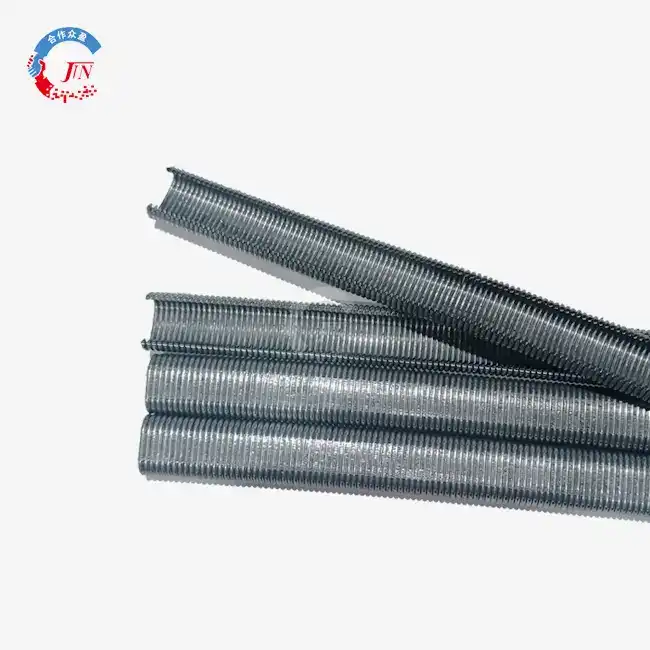
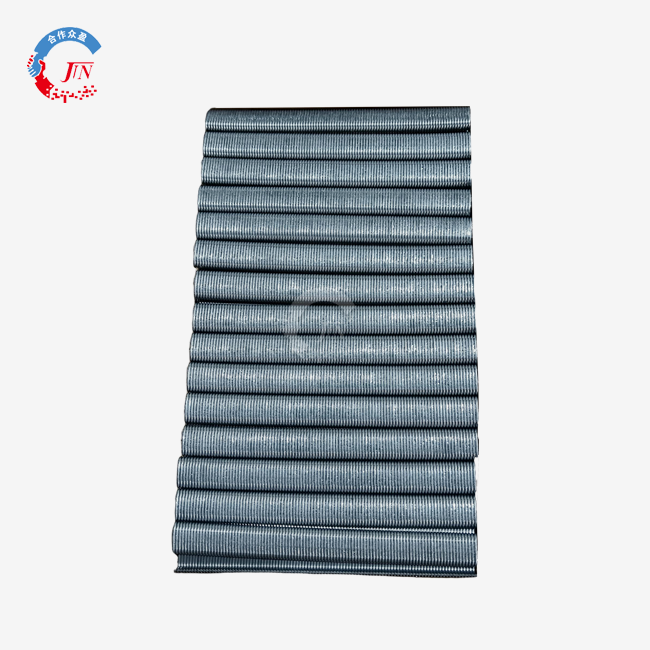
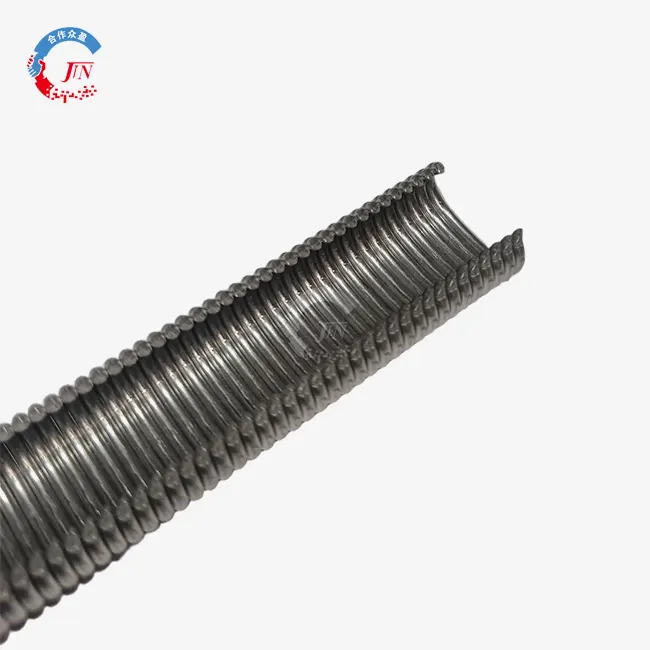
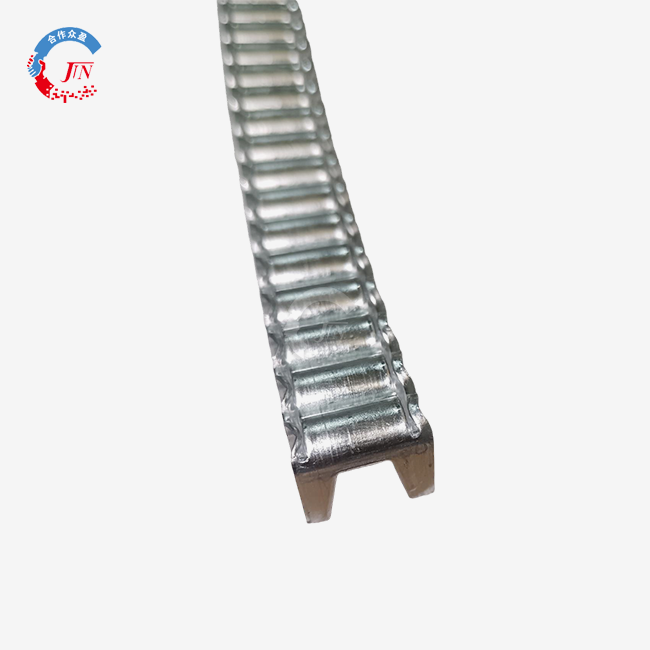
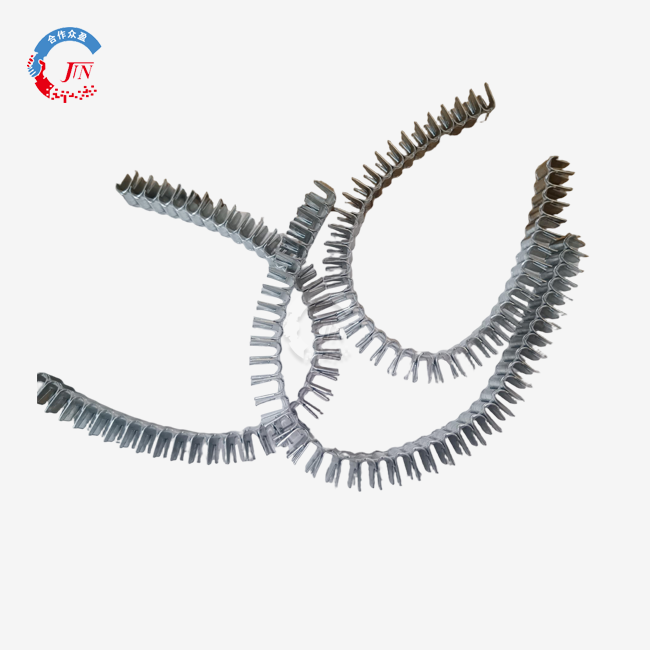
For a farm fence, the bolts need to be able to stand up to rain, humidity, and changes in temperature without breaking. Galvanized hog rings are made of high-tensile steel wire that has been coated with zinc to form a shield against rust. This C-ring structure fastener mechanically crimps wire mesh to posts and tension wires to connect them. This gives joints freedom while keeping the structure strong when it's loaded.
During the galvanization process, a layer of zinc is added that provides cathodic protection. This means that even if the surface is scratched, the zinc around it will protect the steel underneath. Compared to options that aren't protected, this makes the service life much longer. The width of our C17 specification hog rings is 16.9 mm, and the height is 8.7 mm. These sizes were chosen to give the best holding power in farm fencing systems.
Material Options and Performance Standards
Choosing the right type of material affects both the cost of the original investment and the cost of repairs over time. Each of the three main choices meets a different set of operating needs:
Galvanized steel has a great mix of cost and performance, and it doesn't rust, so it's good for normal farm settings. The zinc coating is the most popular choice for animal fence and boundary barriers because it can handle normal exposure to water and changes in temperature throughout the year.
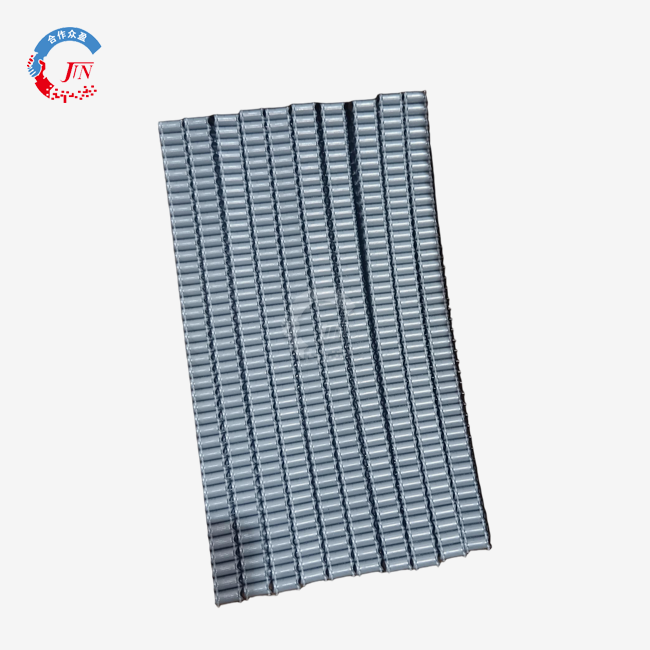
Alloy compositions make rows more stable during automatic installation and protect against rust better in areas with a lot of moisture. When these materials are crimped, they keep their shape, which means that air tools don't get stuck as often. This is a huge benefit for large-scale fence-building projects.
Stainless steel variants are the most resistant to rust and are best for farms near the coast or places where harsh chemicals are used. Even though they cost more, they don't need to be replaced as often in harsh settings where galvanized steel would rust faster.
Our hog rings have a sharp point that makes it easier to go through stacked materials. This cuts down on installation time and worker tiredness. Precision production keeps the shape and closing strength constant, so fasteners don't break, leaving holes in fence lines that make it harder to keep animals in.
How to Use Galvanized Hog Rings to Maximize Farm Fence Durability
Selecting Proper Size and Gauge for Your Fencing Project
When you match the ring's specs to the wire's width and mesh gauge, you can avoid the two most common fitting problems: not having enough closure strength and the material deforming. There are different sizes, like 16G and 17G, and the right one to choose relies on the tensile load your fence needs to handle.
When the mesh tension is kept mild, lighter 16-gauge rings work well for chicken nets and temporary barriers. For cow fence and high-tension perimeter systems, where animals put a lot of stress on connection points, heavier 14-gauge or 12-gauge choices are needed. To make sure the galvanized hog rings close all the way without breaking, the width of the wire you're using should be about a third of the thickness of the material.
Step-by-Step Installation Techniques for Long-Term Performance
To get the most out of your fence's sturdiness, pay attention to how you bend it and how far apart the fasteners are. Put the hog ring around both the mesh wire and the frame part you want to join to start. For smaller jobs, manual hog ring pliers give you more exact control. On the other hand, motorized tools make installing long fence lines faster without lowering the quality.
Firmly squeeze the tool handles together until the ring closes all the way around into a round shape. If it only closes partially, gaps form that weaken with vibration and let water in. Our hog rings can be installed easily with normal pliers and pneumatic tools, so they can be used in both manual and automatic ways.
Space fasteners out at regular intervals, usually every 12 to 18 inches along horizontal runs and at every place where two mesh panels meet. This spread keeps stress from building up at any one connecting point. Do not tighten too much, as this can bend the wire mesh and make weak spots that can cause tears to spread over time.
Common Installation Mistakes That Compromise Fence Integrity
Three common installation mistakes cause procurement managers to report fences that fail too soon. When you use rings that are too small for heavy-gauge wire, the fence doesn't close all the way, leaving gaps where the posts meet the fence. On the other hand, putting too many large rings on a thin wire bends the mesh and makes it less strong.
When crimping pressure isn't constant, connections aren't reliable—some rings close tightly while others stay partly open. This unevenness is especially bad when animals try the fence lines, because weak spots fail while properly placed fasteners stay in place. This creates uneven stress patterns that speed up the system's breakdown.
Performance is also affected by the environment during installation. When you put rings on metal parts that are still wet, water gets stuck at the connection point and speeds up rusting from the inside, even though the zinc coating is supposed to protect the metal. Service life is greatly increased by letting materials dry fully before shaping.
Choosing the Best Galvanized Hog Rings for Your Procurement Needs
Quality Criteria That Define Reliable Fastening Solutions
Reliable galvanized hog rings must meet certain quality standards. When purchasing, workers should look at suppliers and focus on four quality factors that can be measured. Corrosion protection lasts as long as the coating lasts. Specifications that meet ASTM A641 standards make sure the zinc layer covers enough for farming service circumstances. Real-world performance standards are met by salt spray testing that measures 72 to 240 hours of red-rust protection.
Both tool fit and connection effectiveness are affected by dimensional uniformity. When the thickness or width of the crown changes, it can cause feeding jams in air equipment. This stops production and raises the cost of labor. Tight standards are kept by quality makers using precise die systems and keeping an eye on the process all the time.
Tensile strength tests show that rings provide the necessary binding force and don't break when they're being installed. Our manufacturing process guarantees stable performance whether fitted by hand or with air pressure. The mechanical properties range from 600 to 1200 MPa, based on the gauge standard.
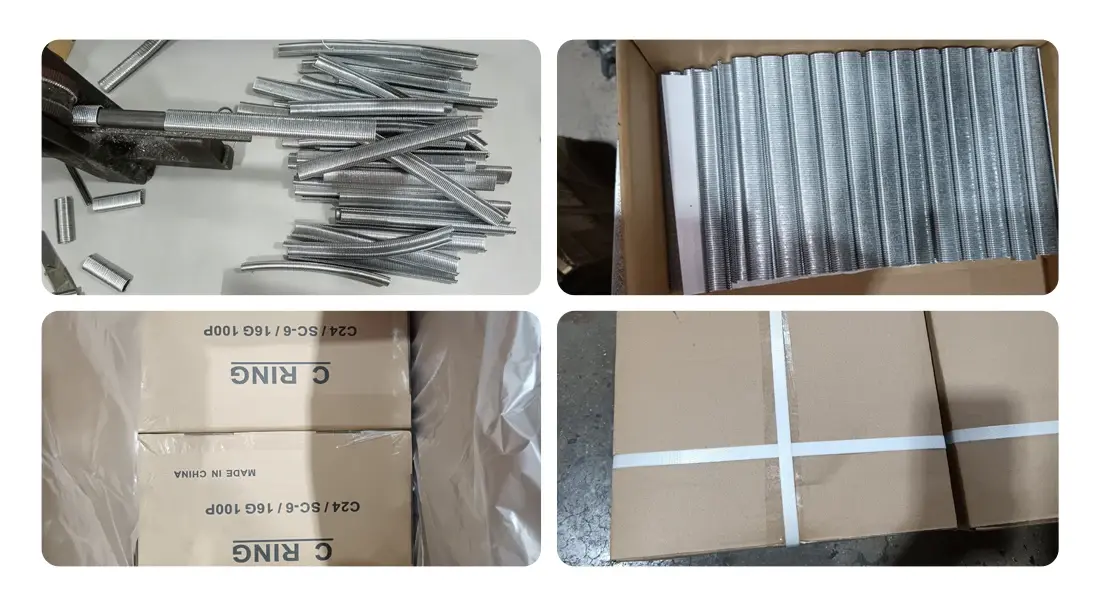
The protective oil film coating on our clip staples keeps them from rusting while they are being stored and shipped. This way, goods come ready to use right away, without surface oxidation that lowers the quality of the first installation. This attention to preservation details sets trustworthy sellers apart from those selling cheap screws.
Bulk Procurement Strategies for Cost-Effective Sourcing
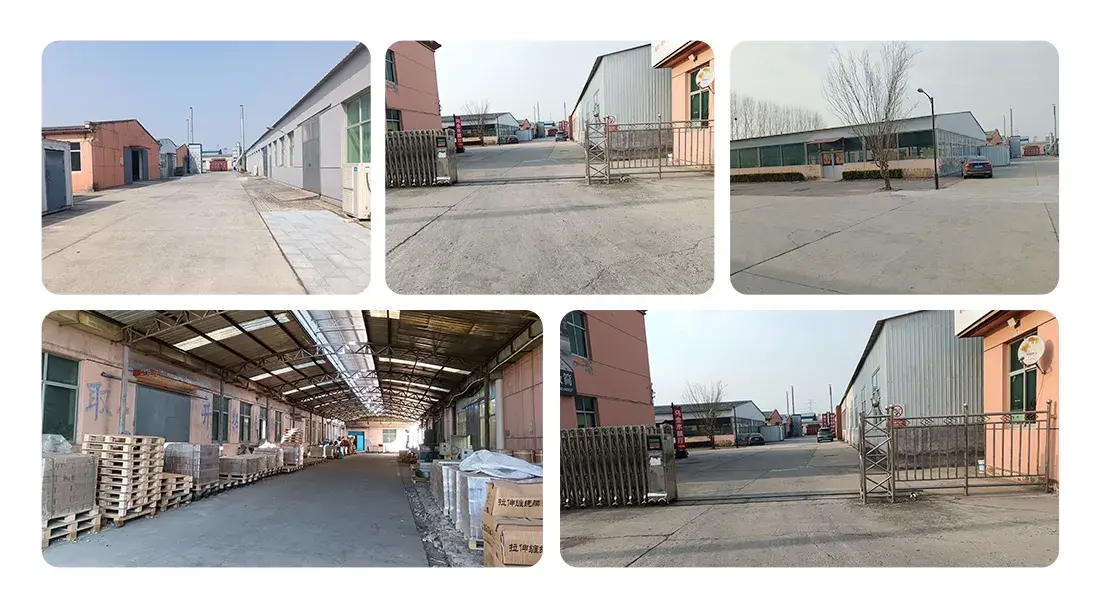
Strategic relationships with suppliers give buyers who buy a lot of goods big benefits. Tianjin Jinzhuang New Materials Technology Co., Ltd. keeps a lot of stock on hand and has production lead times of 3–5 days. This means that there are no supply problems that slow down building plans and make project costs go up. Because we are close to Tianjin Port, foreign shipments go smoothly, and full-pallet delivery keeps damage to a minimum.
Sample-based manufacturing lets you make sure that your product works with your tools and materials before you commit to full production runs. This method lowers the chance of getting specs that don't work together, which can cause delays that cost a lot of money.
Customization services take into account specific practical needs, like changing the coating thickness for harsh environments, changing the sizes to fit proprietary equipment, or making special packaging for automatic feeding systems. Being able to change the specs means that your fastening option will work with your current processes without making you change how you do things.
When you mix low prices with high quality, you get a great deal, especially when you look at the total cost of ownership instead of just the unit price. Premium hog rings don't need to be replaced as often and require less upkeep work, which makes up for any price difference at first through longer service intervals.
Enhancing Farm Fence Durability: Performance and Longevity Considerations
Expected Lifespan Under Various Environmental Conditions
In open farming areas, the thickness of the galvanized coating is directly related to how long it will last. In moderate areas with yearly exposure to water, standard electro-galvanized rings usually last 8 to 12 years of steady service. Hot-dip galvanized versions have zinc layers that are thicker than 50 microns, which raises this to 15 to 25 years.
Coastal areas and places with a lot of wetness make rusting happen faster because of the salt spray and constant moisture. In these places, farms can benefit from better material specs or stainless steel options that can stand up to the harsh oxidation conditions that regular galvanized hog rings can't withstand.
Extreme temperatures cause thermal cycling, which weakens metal links by making them expand and contract. Good hog rings don't get stress cracks that start rust paths during these cycles and keep their mechanical integrity. Our careful production makes sure that the Products work well in the wide range of temperatures that are common in North American farming.
Preventative Maintenance Practices That Extend Service Life
Regular inspections find problems before they get so bad that the fence has to be replaced. Every three months, walk along the fence lines and check the connection points for rust spots, loose crimps, or wires coming apart. When problems are found early, they can be fixed specifically, so they don't spread to other parts of the fence.
Taking care of the plants around the bases of fences lowers the amount of water that stays there, which speeds up rusting. Keeping grass and weeds cut back from the wire mesh lets air flow, which speeds up the drying process after it rains. This makes the protective zinc layer last longer.
Applying extra rust-inhibiting sprays to connection points in high-exposure areas gives trouble areas extra security. Taking a focused method costs less than using higher-quality materials for the whole fence system and targets specific weak spots.
Cost Versus Durability Analysis for Investment Justification
When you compare the original cost of a purchase to the costs that come up over the course of its life, you can see that expensive hog rings offer the best return on investment. Think about a normal animal fence that needs to be replaced every seven years. You could use cheaper fixings to make it last longer. The money saved on materials is three to five times less than the cost of labor for full reinstallation, temporary control measures while the fence is being replaced, and business interruptions caused by fence failures.
Quality galvanized hog rings that last up to fifteen years cut in half the number of times that major repair needs to be done. Just the savings on labor costs are enough to support the higher prices of premium fasteners. Not having to fix things that break down unexpectedly also adds value by keeping operations running smoothly.
Production managers always say that steady fastener quality keeps equipment from breaking down and stops material from being wasted when feeding jams and partial crimping happen. Over the course of a project, these operating savings add up, which means that supplier reliability is just as important as unit price when figuring out the total cost.
Advanced Solutions and Trends in Farm Fencing Fasteners
Innovation in Protective Coatings and Manufacturing Techniques
New improvements in zinc-aluminum alloy coatings make them more resistant to rust while still being cheaper than normal galvanized steel and stainless steel. These hybrid treatments use both zinc's protective qualities and aluminum's barrier properties to make materials last longer in fairly aggressive settings without having to pay more for them.
Ergonomic designs for hydraulic tools make installation sessions last longer without making operators tired, and they also make crimping more consistent. Modern pliers have better grip angles and trigger systems that require less hand strength. This helps building companies keep workers who get repetitive stress injuries because they hurt their productivity.
Automated systems for feeding galvanized hog rings work with wire mesh production lines so that fence panels can get to job sites already fastened at the best spacing between each one. This method of prefabrication moves installation work from the field to a controlled factory, which improves quality consistency and speeds up building plans on-site.
Sustainability Practices in Agricultural Fastener Procurement
As more farms get sustainability licenses, environmental concerns are becoming more important in buying choices. Galvanized steel screws are easier to recycle than composite ones, and when they reach the end of their useful life, they can be turned back into scrap metal and reused instead of going to a dump.
Transparency in the supply chain about where zinc comes from and how much energy is used in manufacturing lets buying teams rate sellers based on their environmental performance. Businesses that want to lower their carbon footprint can benefit from working with makers who use green energy and efficient production methods.
Longer work lives naturally help with sustainable goals because they lower the need for replacement and the material use that comes with it. Choosing long-lasting fastening solutions that don't break down early links operating efficiency with environmental responsibility, creating value that goes beyond just lowering costs.
Smart fencing systems that use electrical tracking rely more and more on standard mechanical fastening to keep the structure together. Galvanized hog rings provide the structural physical foundation that supports sensor arrays and power distribution without electromagnetic interference. This lets technology be added that makes managing livestock and keeping an eye on things safer and easier.
Conclusion
How long a farm fence lasts depends a lot on the quality of the fasteners and how they are installed. Through protective zinc coatings and mechanical crimping strength, galvanized hog rings provide corrosion-resistant links that withstand farming settings. Choosing the right grades of materials, installing them consistently, and working with dependable sources will make sure that your fence infrastructure lasts for decades without needing to be replaced often. When looking at overall ownership costs, which include upkeep, labor, and business interruptions due to premature fails, the cost-versus-durability study definitely favours high-quality fasteners.
FAQ
How do I determine the correct gauge for my farm fence project?
Make sure the ring gauge fits the width of your wire and the stress loads you expect. For chicken netting, 16G is lighter than 12G or 14G, but for cow fence, 12G or 14G is heavier. For proper closing without breaking, the mesh wire should be about a third of the thickness of the ring's material.
Can galvanized hog rings be installed in wet conditions?
Let things dry all the way through before pinching them. When you install galvanized hog rings on parts that are wet, moisture gets trapped at the connection points, which speeds up rusting from the inside, even if there are protective coats on them. Service life is greatly increased by dry fitting.
What distinguishes electro-galvanized from hot-dip galvanized rings?
Electro-galvanizing gives smooth finishes that work well in mild temperatures and last for 8 to 12 years. Hot-dip galvanized has coatings that are thicker than 50 microns for tough conditions. This makes it last up to 15 to 25 years in seaside or high-moisture areas.
Why do some fasteners show rust at crimped points?
When wire ends are cut, they reveal the base steel. However, the zinc around them acts as cathodic protection, which slows the oxidation process at these places. Even though there is some surface rust at the closing points, quality bands keep their structural integrity.
Partner with TJJZ for Reliable Galvanized Hog Ring Solutions
Since 2015, TJJZ has provided high-quality C-ring fasteners to the furniture, automobile, and farming businesses. Our galvanized hog rings have protective oil film coats that keep them from rusting and make sure that the feed goes smoothly without getting your installation tools stuck. We can meet your project deadlines without supply problems because we keep a lot of goods on hand, turn around production in 3–5 days, and answer questions in 3 minutes. As an experienced company that makes galvanized hog rings close to Tianjin Port, we offer customization services, production based on samples, and full-pallet shipping that keeps goods from getting damaged as much as possible. Visit jinzhuangxincailiao.aixdb.cn or email us at userID@jinzhuangfastener.com to talk about your unique fastening needs and get low prices on bulk orders that meet your quality standards.
References
1. American Society for Testing and Materials. "ASTM A641/A641M Standard Specification for Zinc-Coated (Galvanized) Carbon Steel Wire." ASTM International, 2019.
2. Henderson, Mark. "Corrosion Protection Systems for Agricultural Fencing Infrastructure." Journal of Rural Construction Materials, vol. 34, no. 2, 2021, pp. 145-167.
3. National Cattlemen's Beef Association. "Best Practices for Livestock Containment Fence Construction and Maintenance." NCBA Technical Bulletin Series, 2020.
4. Peterson, Robert, and Linda Chen. "Mechanical Fastening Systems in Agricultural Applications: Performance Analysis Under Environmental Stress." Agricultural Engineering Research Quarterly, vol. 28, no. 4, 2022, pp. 89-112.
5. Sullivan, James. "Life Cycle Cost Analysis of Fence Construction Materials in Commercial Agriculture." Farm Management Economics Review, vol. 19, no. 3, 2021, pp. 56-73.
6. Williams, Sarah. "Galvanic Corrosion and Fastener Selection for Outdoor Wire Structures." Materials Performance in Agricultural Environments, edited by David Thompson, Springer Publishing, 2020, pp. 234-258.
Learn about our latest products and discounts through SMS or email