- English
- French
- German
- Portuguese
- Spanish
- Russian
- Japanese
- Korean
- Arabic
- Greek
- German
- Turkish
- Italian
- Danish
- Romanian
- Indonesian
- Czech
- Afrikaans
- Swedish
- Polish
- Basque
- Catalan
- Esperanto
- Hindi
- Lao
- Albanian
- Amharic
- Armenian
- Azerbaijani
- Belarusian
- Bengali
- Bosnian
- Bulgarian
- Cebuano
- Chichewa
- Corsican
- Croatian
- Dutch
- Estonian
- Filipino
- Finnish
- Frisian
- Galician
- Georgian
- Gujarati
- Haitian
- Hausa
- Hawaiian
- Hebrew
- Hmong
- Hungarian
- Icelandic
- Igbo
- Javanese
- Kannada
- Kazakh
- Khmer
- Kurdish
- Kyrgyz
- Latin
- Latvian
- Lithuanian
- Luxembou..
- Macedonian
- Malagasy
- Malay
- Malayalam
- Maltese
- Maori
- Marathi
- Mongolian
- Burmese
- Nepali
- Norwegian
- Pashto
- Persian
- Punjabi
- Serbian
- Sesotho
- Sinhala
- Slovak
- Slovenian
- Somali
- Samoan
- Scots Gaelic
- Shona
- Sindhi
- Sundanese
- Swahili
- Tajik
- Tamil
- Telugu
- Thai
- Ukrainian
- Urdu
- Uzbek
- Vietnamese
- Welsh
- Xhosa
- Yiddish
- Yoruba
- Zulu
How Aluminum Hog Rings Perform in Corrosion-Sensitive Applications
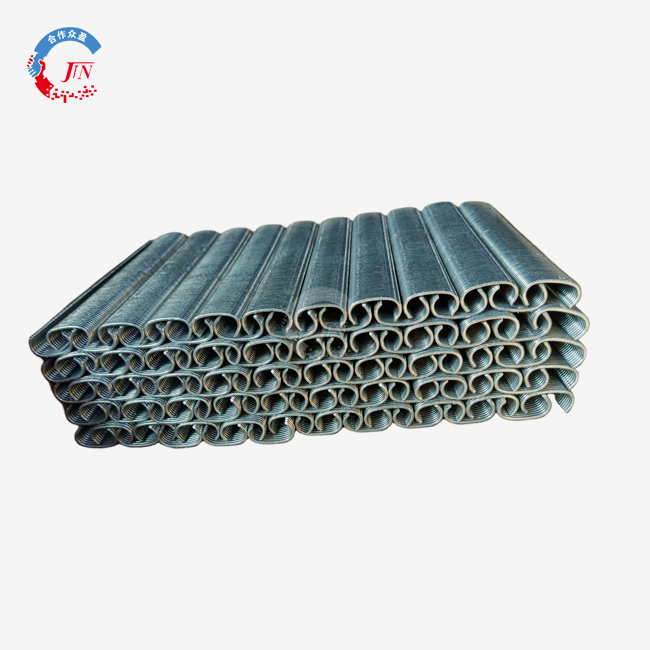
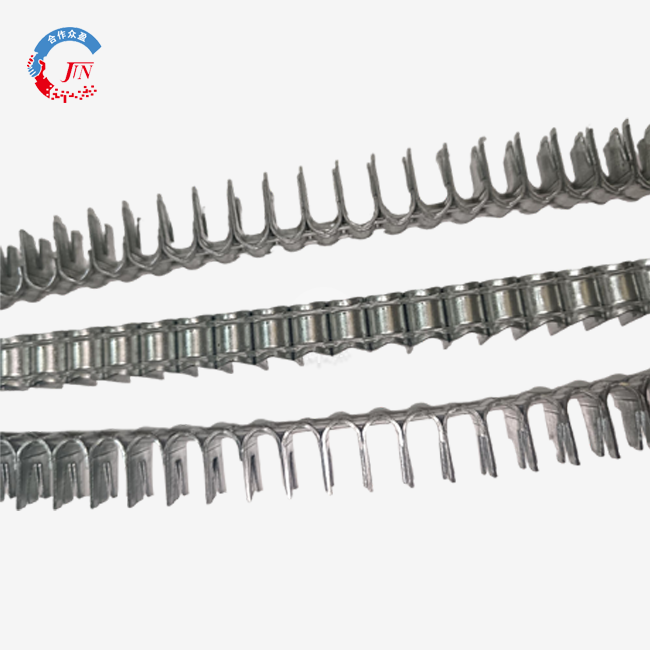
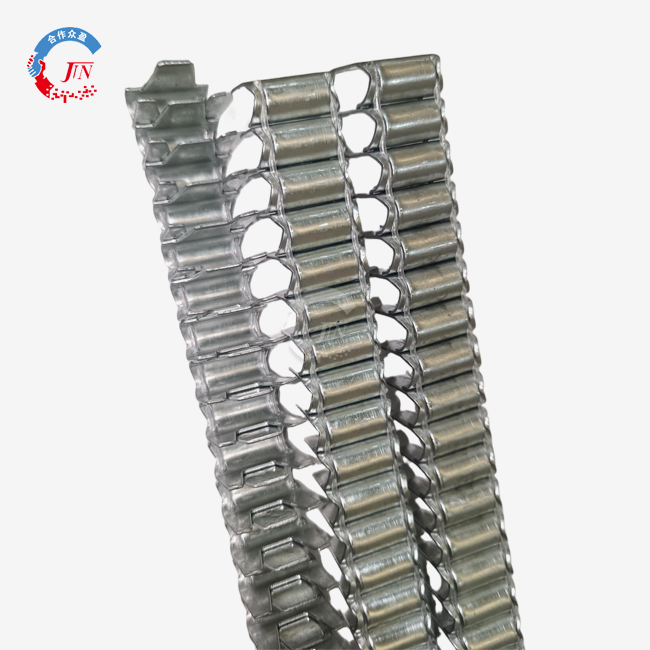
Aluminum hog rings are cold-formed C-shaped fasteners manufactured from high-strength aluminum alloy wire, typically 5052 or 6061 grade. In corrosion-sensitive applications, they outperform standard steel fasteners because aluminum naturally forms a stable oxide layer that blocks further oxidation. This passive barrier holds up against moisture, salt spray, and mild chemical exposure without any additional coating. For procurement teams in upholstery, fencing, automotive seating, and cage manufacturing, choosing aluminum hog rings means fewer field failures, lower maintenance costs, and longer product service life — especially in environments where rust is a constant threat.
Understanding Aluminum Hog Rings in Corrosion-Sensitive Applications
What They Are and How They Work
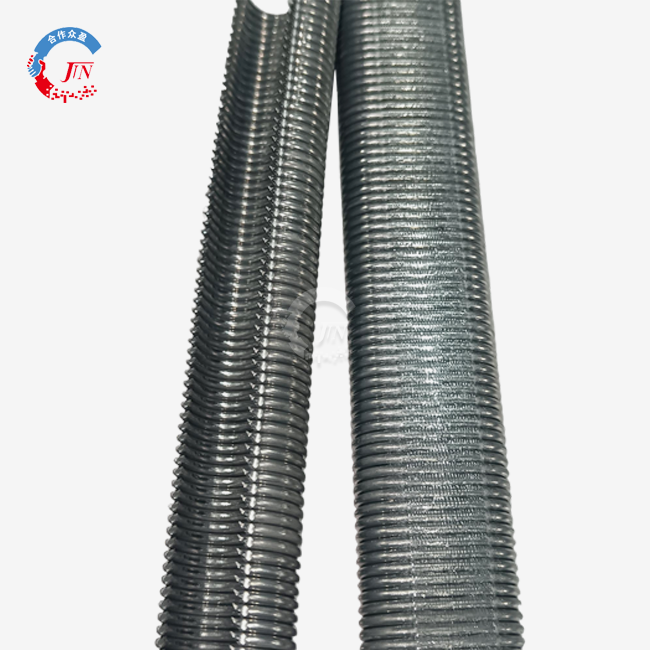
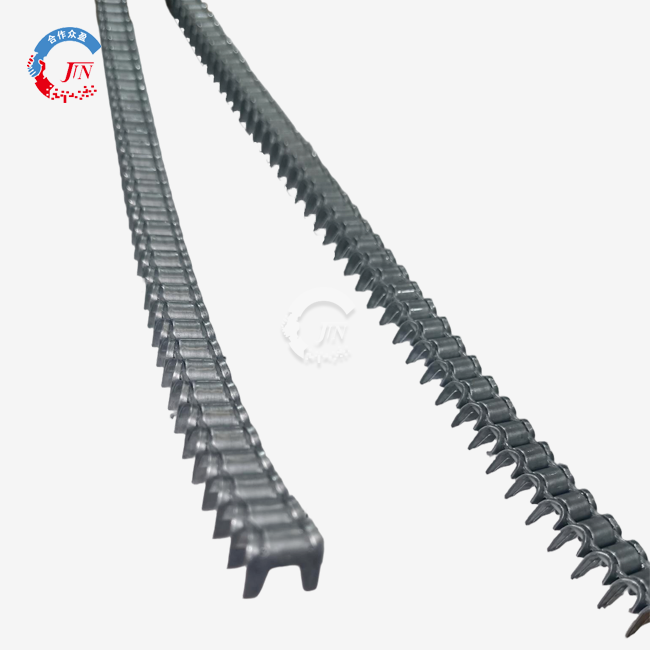
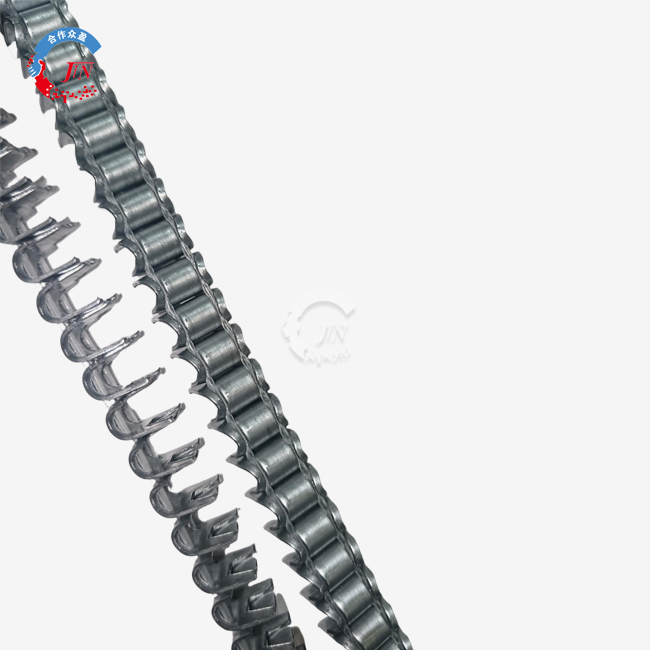
Aluminum hog rings are tiny, loop-shaped fasteners that are designed to be compressed shut with a hand-held or air-powered ringing tool to join two pieces. To shape them into "C," "D," or "M" shapes, drawn aluminum alloy wire is used. They stick together strongly when you squeeze them together. Since they don't let magnetic fields through, they can also be used in places where magnetic interference is a problem, like machinery for making food or electrical parts.
Why Corrosion Resistance Matters in Fastening?
Fasteners are left in hot, ammonia- or salt-filled air for years in places like sea walls and chicken coops. A lot of different kinds of coated steel can stand up to salt spray for 200 to 500 hours without rusting. The ASTM B117 test shows that most aluminum alloy fasteners can handle salt spray for at least 500 hours without breaking. For this reason, a cage, seat, or wire structure will last longer before it needs to be fixed or changed.
Environmental Factors That Drive Material Selection
When the humidity is above 80%, screws always break more quickly. This is especially true when they are near the coast or with animals, or when they are cleaned with chemicals in food or farming facilities. The oxide film on aluminum is natural and can stick together on its own. Ozone will quickly stick the film back together if the surface gets scratched. Aluminum is often better than coated steel because it can fix itself. This is why engineers who make outdoor chairs and car seats choose aluminum.
Comparing Aluminum Hog Rings with Other Materials for Corrosion Resistance
Aluminum vs. Galvanized Steel
The price of a galvanized steel hog ring is less per unit, but the zinc coating on them rusts off over time. That coating could come off after one or two years in places where chickens live or where there is water. This doesn't happen with aluminum because it doesn't rust, and it has a coating that wears off. Over five years, the lower number of times aluminum needs to be replaced usually makes up for the difference in cost.
Aluminum vs. Stainless Steel
Aluminum can be pulled apart with 25,000 to 40,000 PSI of force, while stainless steel can be pulled apart with 70,000 to 100,000 PSI of force. The stainless steel, on the other hand, is more expensive and weighs more. Most of the time, aluminum is strong enough to be used to make things like chairs, walls, and cages. Every gram of lighter weight helps the electric vehicle's range, so it's also good for car seats. Still, stainless steel is better than aluminum when the structure needs to hold more weight.
Aluminum vs. Copper
Copper doesn't rust, but aluminum hog rings are soft, pricey, and when it gets wet, it can react with other metals. We call this an electrical response. In the business world, it's not often used to hold things together. But aluminum is less expensive than steel and is easier for pneumatically fed automatic tools to work with. It doesn't rust either.
Choosing the Right Aluminum Hog Rings for Your Specific Application
Matching Ring Size to Load Requirements
The size and width of the ring must match the thickness of the wire and the amount of force that is needed. Wires with bigger widths can handle more pull-out loads. Most of the time, lighter gauges are best for connecting mattress springs to border wires or padding out sofa frames. For a strong fence or to make a chicken coop mesh, the wire needs to be stronger so it can handle being pulled and pushed over and over again.
You should think about these important things before you buy in bulk:
This is the range of sizes that good metal hog rings can fit. They have a size tolerance of ±0.02mm, which keeps hydraulic ringers from getting stuck and automatic production lines running smoothly.
The 5052 grade of aluminum doesn't rust as quickly in salt water. The 6061 grade, on the other hand, is tougher and better for structural uses where rusting is less likely to happen.- Finish on the outside: If the finish is smooth and free of burrs, things won't catch on soft surfaces like curtain fabric or couch fabric. This means there is less waste.
- Wire diameter tolerance: Premium aluminum hog rings maintain a dimensional tolerance of ±0.02mm, which prevents jamming in pneumatic ringers and keeps automated production lines running without interruption.
- Alloy grade: 5052-grade aluminum provides better corrosion resistance in saltwater environments; 6061-grade offers higher strength for structural applications with moderate corrosion exposure.
- Surface finish: A burr-free, smooth finish prevents snagging on soft substrates like upholstery fabric or netting material, reducing scrap rates.
These things should be thought about before picking a standard. This will protect both the quality and speed of work in the field.
Finishing Treatments for Harsh Environments
Adding an extra coat of anodizing or an oil film can help protect the base metal sometimes. This process makes the oxide layer thicker than it really is. This is a lot stronger against salt spray than 500 hours short. This option is good for people who need to find fasteners for marine aquaculture cages or animal cages close to the water.
When to Request Custom Specifications?
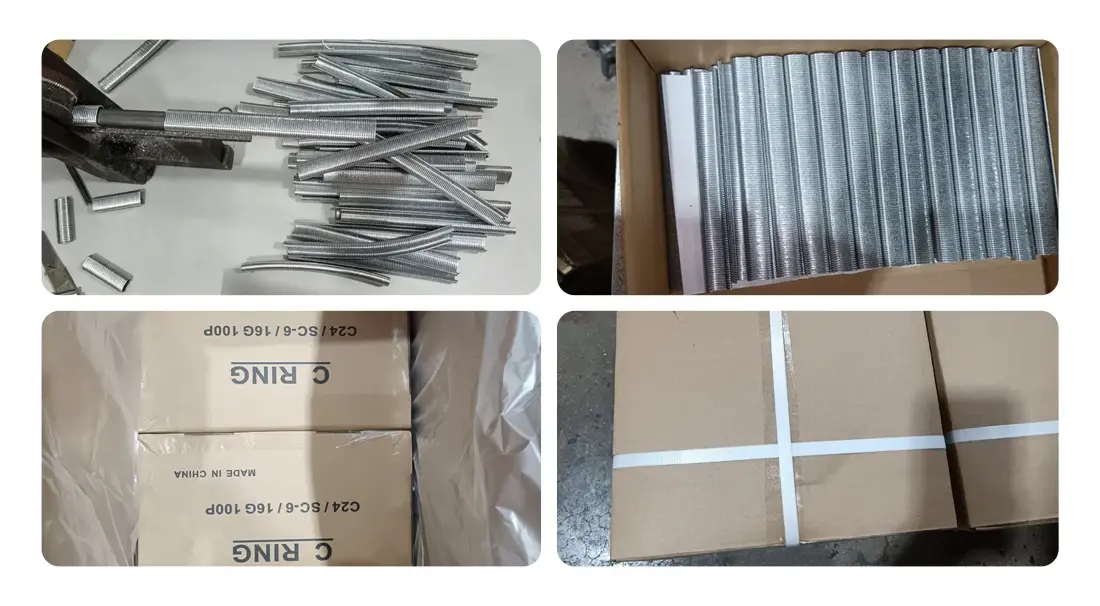
If you need technical help, makers can make wire thicknesses, ring hole widths, and metal grades that are just right for you. Standard sizes in catalogs are fine most of the time. To meet OEM quality standards, auto Tier 1 and Tier 2 suppliers often need very specific specs and clear information about the temperature. Before putting in a full order, many people ask to see factory samples. This helps make sure the parts are the right size and the tool can feed them.
How to Use Aluminum Hog Rings Effectively in Corrosion-Sensitive Settings?
Tool Selection and Handling
It's just as important to use the right bell tool as it is to use the right aluminum hog rings material. Aluminum pneumatic hog ring tools use controlled pinching force to close the ring all the way without breaking the wire. Steel can only be bent 90 degrees, but aluminum can be bent 180 degrees and still not break. Tightening too much with a tool that wasn't made for that can still leave small cracks in the joint that make it less resistant to rust.
Installation Best Practices for Upholstery and Fencing
If you can, place each ring so that the empty space faces away from the main way water will be entering. This means that the kink should be on the inside of the seat piece in textile work. When building fences or cages, it's important to make sure that the space between the rings meets the safety standards for the mesh design. Stress doesn't build up in one place when there is enough space between things. This could finally cause a joint to open.
Real-World Performance Evidence
As part of an aquaculture case study, the metal bolts on the frames of crab pots were tested and found to be in good shape after three full fishing seasons in the Pacific Ocean. But close pots with frames made of stainless steel started to rust after only one season. It is possible to figure out how much weight was saved when car seats switched from steel clip staples to aluminum fastening systems. Getting this done helped meet goals for gas mileage.
Streamlining Procurement of Aluminum Hog Rings for B2B Clients
Bulk Purchasing Advantages
People who buy a lot of chairs, mattresses, and cages can't handle shortages because they don't have enough time to make more. Production is saved right away when you work with a provider that has enough stock and can change orders quickly (within hours, not days). The price per unit goes down as you buy more, and damage is less likely to happen when you ship in full pallets instead of mixed loads.
Evaluating Supplier Qualifications
There are always a few things that can help you tell the difference between good and bad metal hog ring suppliers:
- Quality testing protocols: Salt spray testing per ASTM B117, XRF alloy verification, tensile pull-out testing, and ductility bend tests should all be standard practice, not optional services.
- Dimensional consistency records: Suppliers should provide inspection data showing crown width and gap opening measurements across production batches.
- Lead time transparency: A 3–5 day production lead time with confirmed inventory levels gives procurement teams realistic planning windows.
— Protocols for testing quality: Tension pull-out tests, ductility bend tests, XRF alloy proof tests, and salt spray tests should all be standard and not extra, according to ASTM B117.
Managing Custom Orders and After-Sales Support
It's important to be clear about the lead time. Procurement teams can make better plans when they know how much inventory they have and that the production lead time is 3–5 days.
Conclusion
Because of how they are made, aluminum hog rings work well in places where rust is a problem. For strong fasteners in animal facilities, marine infrastructure, car parts, and upholstered furniture, the natural oxide layer can be used. However, the buying team must choose the right metal grade and install it properly. Choose materials that are good for the environment and work with a reliable source. This will help you keep production lines running and lower the total cost of ownership over the life of the product.
FAQ
Are aluminum hog rings strong enough for cage assembly?
Yes. For standard poultry cage, pet cage, and livestock fence assembly, aluminum hog rings in the correct wire gauge provide sufficient pull-out strength. The 5052 alloy grade is particularly well-suited for outdoor cage structures where corrosion resistance is the primary concern.
Can I use aluminum hog rings with a standard pneumatic ringer?
Aluminum is more ductile than steel, so most pneumatic ringer tools handle aluminum rings without adjustment. However, confirm that the tool's jaw opening matches the ring size to avoid incomplete crimping or wire cracking.
Do aluminum hog rings work in food processing environments?
Yes. They are metal-detector-compatible, making them acceptable for securing food transport bags, filtration systems, and processing equipment where foreign material detection is a safety requirement.
How do aluminum rings hold up in sub-zero temperatures?
Unlike plastics or low-grade steels that lose ductility in extreme cold, aluminum alloys maintain their mechanical properties at sub-zero temperatures, making them suitable for cold storage and refrigerated transport applications.
What alloy grade should I specify for saltwater exposure?
5052-grade aluminum is the standard recommendation for saltwater or high-humidity environments. It offers better resistance to chloride-induced corrosion than 6061-grade, which is better suited to structural applications with moderate environmental exposure.
Request Samples or a Quote from TJJZ — Your Trusted Aluminum Hog Ring Supplier
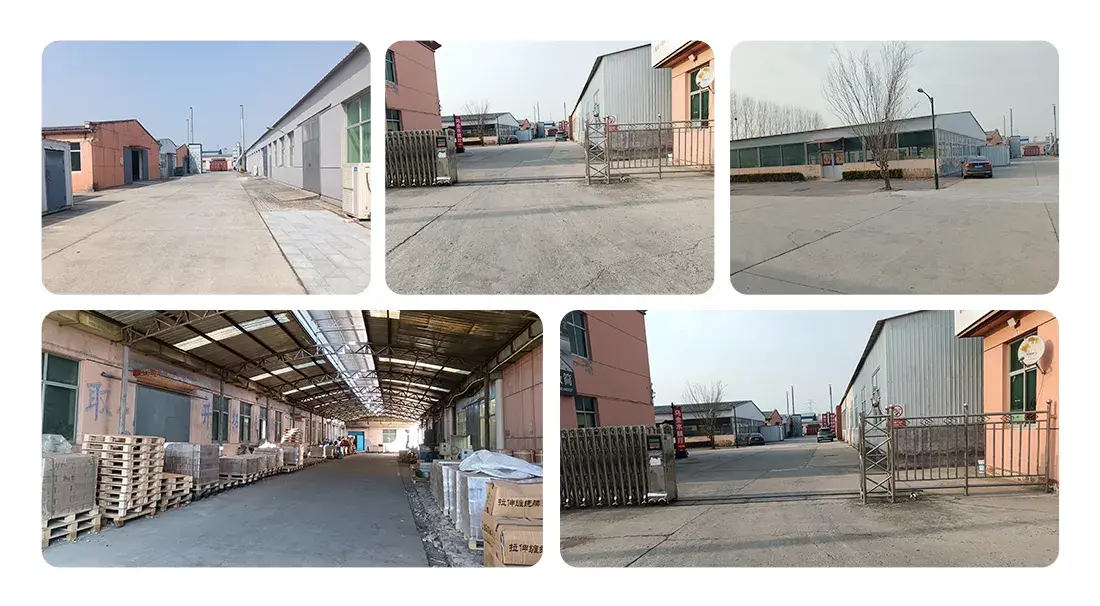
Since 2015, Tianjin Jinzhuang New Materials Technology Co., Ltd. has helped companies that make beds, furniture, cars, and cages with their aluminum hog rings building needs. Our store is close to Tianjin Port, and we ship within three to five days. By making things based on samples, we can also meet your specific needs. You can visit jinzhuangfastener.com or email our team at userID@jinzhuangfastener.com to learn more about our Products, get samples, or get a good deal when you buy a lot of them.
References
1. ASTM International. ASTM B117: Standard Practice for Operating Salt Spray (Fog) Apparatus. ASTM International, 2019.
2. Davis, J.R. Corrosion of Aluminum and Aluminum Alloys. ASM International, 1999.
3. Schweitzer, Philip A. Corrosion Engineering Handbook: Corrosion of Linings and Coatings. CRC Press, 2006.
4. The Aluminum Association. Aluminum: The Element of Sustainability. The Aluminum Association, 2021.
5. Granta Design. CES EduPack Material Property Data: Aluminum Alloy 5052-H32. Granta Design, 2020.
6. Fontana, Mars G. Corrosion Engineering. 3rd ed. McGraw-Hill, 1986.
Learn about our latest products and discounts through SMS or email