- English
- French
- German
- Portuguese
- Spanish
- Russian
- Japanese
- Korean
- Arabic
- Greek
- German
- Turkish
- Italian
- Danish
- Romanian
- Indonesian
- Czech
- Afrikaans
- Swedish
- Polish
- Basque
- Catalan
- Esperanto
- Hindi
- Lao
- Albanian
- Amharic
- Armenian
- Azerbaijani
- Belarusian
- Bengali
- Bosnian
- Bulgarian
- Cebuano
- Chichewa
- Corsican
- Croatian
- Dutch
- Estonian
- Filipino
- Finnish
- Frisian
- Galician
- Georgian
- Gujarati
- Haitian
- Hausa
- Hawaiian
- Hebrew
- Hmong
- Hungarian
- Icelandic
- Igbo
- Javanese
- Kannada
- Kazakh
- Khmer
- Kurdish
- Kyrgyz
- Latin
- Latvian
- Lithuanian
- Luxembou..
- Macedonian
- Malagasy
- Malay
- Malayalam
- Maltese
- Maori
- Marathi
- Mongolian
- Burmese
- Nepali
- Norwegian
- Pashto
- Persian
- Punjabi
- Serbian
- Sesotho
- Sinhala
- Slovak
- Slovenian
- Somali
- Samoan
- Scots Gaelic
- Shona
- Sindhi
- Sundanese
- Swahili
- Tajik
- Tamil
- Telugu
- Thai
- Ukrainian
- Urdu
- Uzbek
- Vietnamese
- Welsh
- Xhosa
- Yiddish
- Yoruba
- Zulu
How to Choose Zinc Plated Hog Rings for Wire Mesh Production
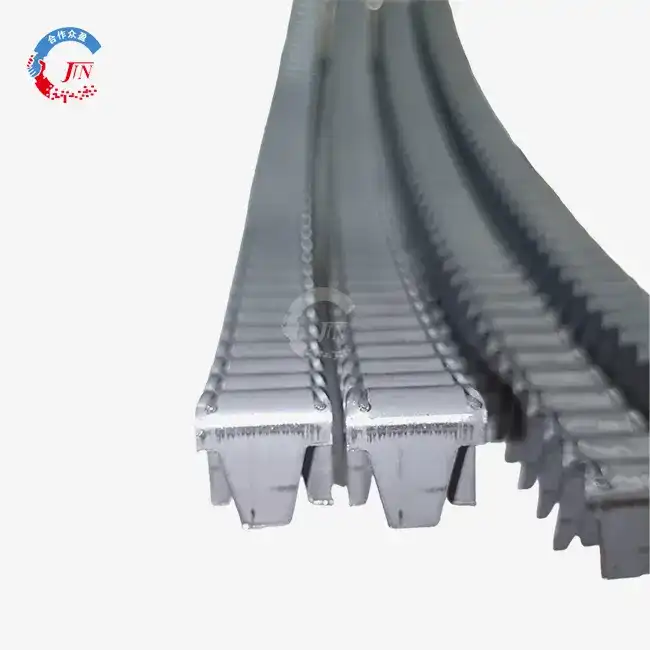
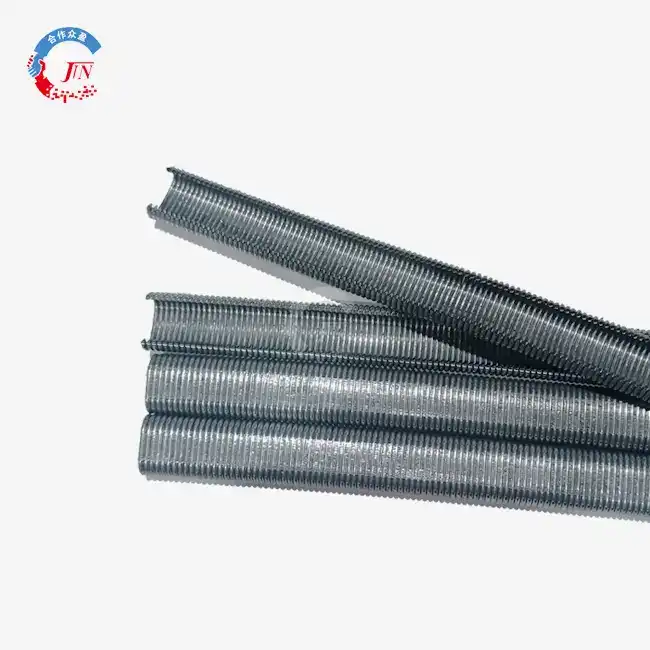
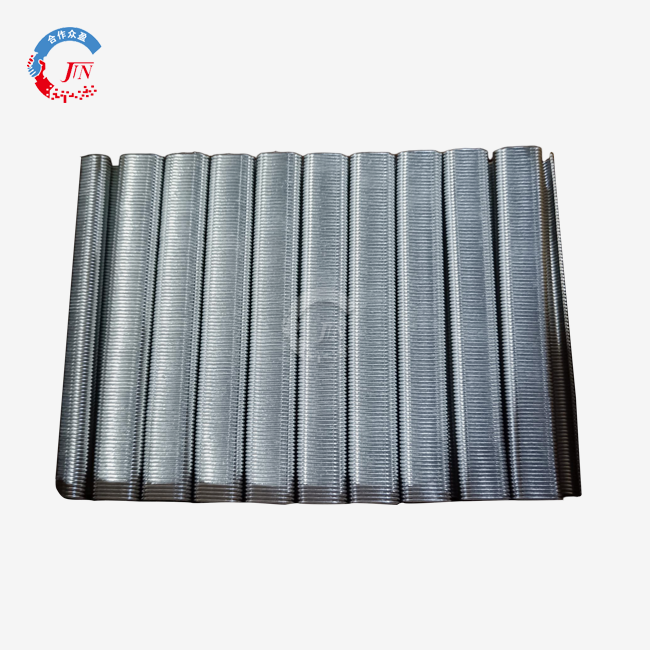
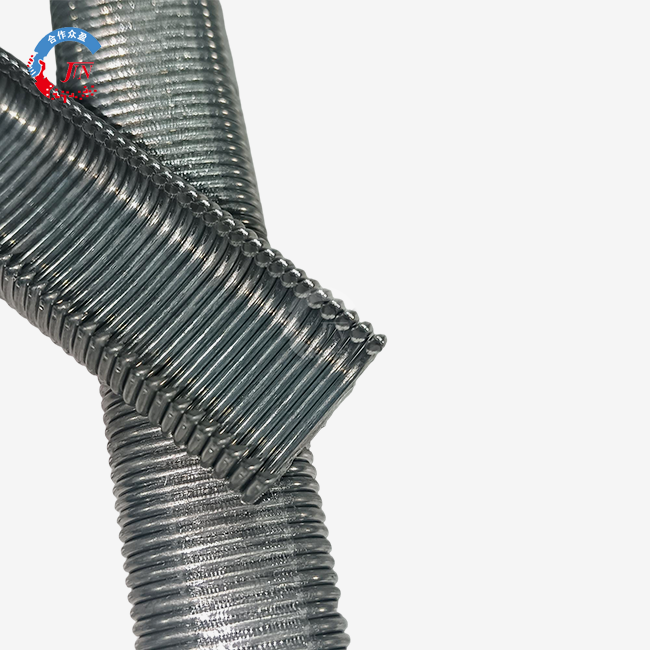
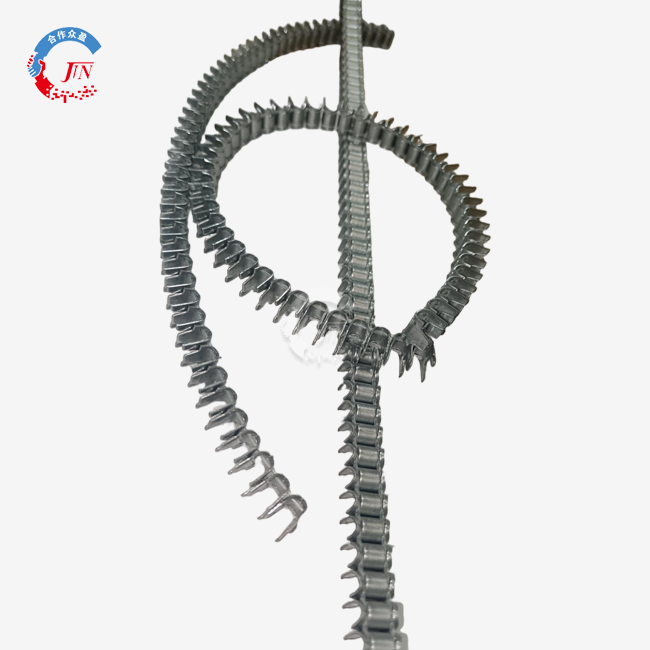
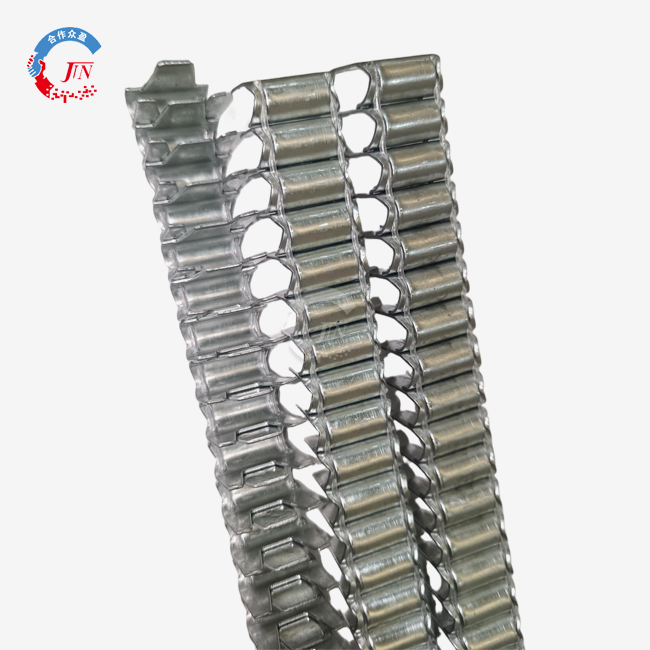
Choosing the right zinc plated hog ring for wire mesh production starts with understanding what separates a reliable fastener from one that causes machine jams, rust failures, and costly downtime. A zinc plated hog ring is a carbon steel C-shaped, D-shaped, or M-shaped fastener coated through electrolytic zinc plating. Wire gauges typically range from 11 to 16 AWG, with tensile strength maintained between 600 and 1,100 MPa. For wire mesh applications — from agricultural fencing to security barriers — selecting the correct size, coating weight, and material grade determines whether your production line runs smoothly or stalls.


Understanding Zinc Plated Hog Rings: Material, Properties, and Benefits
What Makes the Zinc Coating Work?
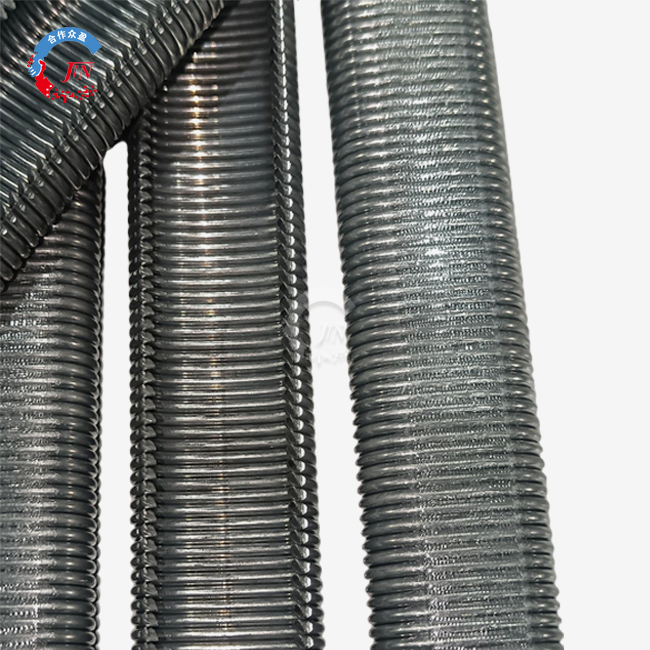
The electro-galvanized zinc layer is applied to protect against cathodic damage. It takes longer for zinc to rust than steel to do so when it comes into contact with water. How thick the coating is (in microns) determines how long a properly coated ring will last in regular rural conditions. The range is from 5 to 10 years. Something has to be able to handle salt spray for 72 to 120 hours before red rust appears in order to pass the ASTM B117 test. Goodness needs to be checked here.
Common Dimensions and Specifications
There are rings that are between 11 AWG and 16 AWG that are generally used to make wire mesh. The crown widths and leg lengths are kept within ±0.02mm of each other. With this level of accuracy, pneumatic magazines like the ones in the SR8, SC7, or HR23 line tools won't have any trouble filling. There should be no burrs on the surface; this is a must-have that will directly affect whether your pneumatic tool keeps running or gets stuck in the middle of production.

Where These Fasteners Get Used?
Zinc-plated C-rings are used in a lot of different ways, like to make spring beds, fences out of wire mesh, erosion-control gabions, and the padding of car seat cushions. These bolts have to handle heavy shear loads in gabion walls that are outside and go through freeze-thaw cycles. That many uses show why zinc finishing is better: it keeps things from rusting well and costs a lot less than stainless steel.
Key Criteria for Selecting the Right Zinc Plated Hog Rings
Assessing Load and Environmental Exposure
Before putting in a big order, production managers should make sure they have a good idea of how things work. When working on fences or chicken coops outside, rings are exposed to a lot more water than when working on furniture inside. When the humidity is about right, electro-zinc plating is enough. It might be better to use stainless steel or a thicker hot-dip galvanized coating in places that are close to the water or bad for plants. Making sure that the coating standard fits the real contact amount will help keep things from failing due to corrosion.
Matching Ring Size to Mesh Specifications
There's no Zinc Plated Hog Ring that works for everyone. What grade and crown size you need depends on how thick your mesh wire is, how many holes it has, and how much tightening force you need. The ring won't be able to fully close around the mesh wires that link them if it's too small. This will leave weak spots. The mesh around the ring could get bent if it's too big. Tests with samples before full production runs are a good way to make sure the fit is right.
Evaluating Supplier Quality Assurance
If a quality manager wants to hire a supplier, they should make sure that the dimensions are always the same, that the coating won't flake off in salt spray, and that the coating sticks well in a bend test. A 180-degree bend test checks to see if the zinc layer cracks or comes off while the wire is being crimped. It's important to do this because a coating that flakes off shows bare steel where the stress is. If you want to start comparing, suppliers who follow the ASTM A641 coating weight guidelines are a good pick.
Comparing Zinc Plated Hog Rings with Other Hog Ring Types
Zinc Plated vs. Hot-Dip Galvanized
Hot-dip galvanized rings are less likely to rust outside because the zinc layer on them is thicker. When the covering is thicker, on the other hand, the fastener sizes change more, which can cause high-speed air tools to feed them unevenly. Electric-zinc-plated rings are the best choice when speed on the production line and tool compatibility are very important. They have a better surface and are easier to control in size.
Zinc Plated vs. Stainless Steel
If you are going to be in saltwater for a long time, like at sea or in a food processing plant, stainless steel hog rings are the best choice. Steel rings, on the other hand, cost a lot more each, which adds up quickly when you make tens of thousands of bands every day. For wire mesh work in normal inland or low-moisture places, zinc-plated carbon steel rings give a strong structure at a cost that is easier to handle per assembly.
Zinc-Plated vs. Plastic Clips
Plastic clips don't rust, but they're not as strong when pulled apart and don't work well in UV light or when the temperature changes a lot. When used to put up fences or farm cages outside, plastic clips tend to break over time. Zinc-plated metal rings are the best long-term choice for wire mesh links that need to last because they don't break when they hit something hard or when the temperature changes.
Practical Tips for Installing Zinc Plated Hog Rings Efficiently
Choosing the Right Tool
Hand-held Zinc Plated Hog Ring tools can be used for small tasks or repairs. But wire mesh production lines that make a lot of mesh need motorized hog ring guns. The magazine specs for the tool have to exactly match the ring's measurements. The gauge and crown size are part of this. Most jams happen because the ring doesn't fit the tool's feed tube. This is also the easiest way to avoid them.
Step-by-Step Installation for Wire Mesh
The ring should go where two mesh wires meet. To crimp, place the ring in the teeth of the tool and line up where the wires meet. Then, start the tool or squeeze it to make it work. When the ring goes all the way around them, there shouldn't be any space between the wires. You might need to raise the pinching force if the mesh is larger. Before making a lot of them, you should always test-crimp a set to make sure the rings fit and the closing works well.
Routine Inspection and Maintenance
After they are put in place, checking the crimped connections often makes them last longer and finds corrosion early on, before it does damage to the structure. If it's outside, like in a chicken coop or a farm fence, check the joints after the first rainy season. If your rings are loose or only partially open, you should get new ones right away. The finish on the rings is also kept safe during the feeding process by following the manufacturer's instructions and keeping pneumatic tools clean and oiled.
Where and How to Procure Quality Zinc Plated Hog Rings?
Evaluating Suppliers Before Committing
When picking a seller, some of the most important things to look at are their experience making things, their quality certifications, their ability to make things, and how quickly they respond. Long-term supply deals are more likely to be made with providers whose production has been stable for a number of years and who can provide recorded salt spray test results and measurement inspection data. When you compare factory-direct sourcing to other ways of selling, it usually gives you more accurate pricing information and faster technical help.
Bulk Orders, Custom Sizing, and Packaging Options
Suppliers that can meet the specific diameter, crown, and bulk packing form needs of companies that make a lot of wire mesh are helpful. These forms should work with automatic feed systems. Sample-based production trials should be done before a full buy pledge is made so that specifications don't clash. When you use flexible packing that fits the feed needs of your production line, you don't have to handle as many rings and damage them as much while they're being kept.
Delivery Lead Times and Logistics Reliability
People who work on production lines have to stick to strict plans. You can move full pallets more safely and with more certainty if you buy from a supplier close to a major port, like Tianjin Port. Manufacturers of wire mesh should expect a production lead time of 3–5 days from any long-term source partner, as long as the buyer has enough stock on hand.
Conclusion
There are four practical things you need to think about when picking the right Zinc Plated Hog Ring for making wire mesh: the coating type needs to be right for your environment, the ring size needs to be right for your mesh and tool, the quality of the supplier needs to be checked through documented testing, and the terms of purchase need to work with your production schedule. Most of the time, zinc-plated carbon steel rings work best with wire mesh because they don't rust, are the right size, and are cheap. There will be less trash and more time on the production line if you make these choices before you place a big order.
FAQ
Are zinc plated hog rings suitable for outdoor wire mesh applications?
Yes, for standard inland outdoor environments with moderate humidity, zinc-plated rings perform well and can last 5 to 10 years depending on coating thickness. For coastal or marine conditions involving saltwater exposure, Grade 304 or 316 stainless steel is the recommended alternative.
Can these rings be customized for specific mesh gauges or tool types?
Yes. Reputable manufacturers can produce rings to custom wire gauges, crown widths, and leg lengths based on provided samples or engineering drawings. This is especially important for automated production lines where dimensional consistency directly affects feeding reliability.
What is the difference between electro-zinc plated and hot-dip galvanized rings?
Electro-zinc plated rings offer tighter dimensional tolerances and a smoother surface finish, which improves compatibility with pneumatic tools. Hot-dip galvanized rings carry a thicker zinc layer for heavier outdoor exposure but may cause tool feeding issues due to coating buildup.
Does the zinc coating crack when the ring is crimped?
High-quality zinc-plated rings use a flexible plating process that allows the zinc layer to deform with the steel wire during crimping without losing adhesion or flaking.
What quality tests should I request from a supplier?
Request salt spray test results per ASTM B117, a 180-degree bend test for coating adhesion, tensile and shear test data, and dimensional inspection reports confirming tolerances within ±0.02mm.
Get Your Custom Quote from TJJZ — Trusted Zinc Plated Hog Ring Supplier
TJJZ has been making Zinc Plated Hog Rings and C-ring fasteners since 2015. They always have stock, can make something in 3–5 days, and can answer questions about buying in 3 minutes. Based on samples, our plant can make gauges, coatings, and packing forms that are just right for you. The fact that we are close to Tianjin Port means that we can ship full box orders with little harm. You can get samples or a price quote for buying in bulk today by going to jinzhuangfastener.com or emailing our team at userID@jinzhuangfastener.com.
References
1. ASTM International. ASTM B117: Standard Practice for Operating Salt Spray (Fog) Apparatus. ASTM International, 2019.
2. ASTM International. ASTM A641/A641M: Standard Specification for Zinc-Coated (Galvanized) Carbon Steel Wire. ASTM International, 2020.
3. American Galvanizers Association. Hot-Dip Galvanizing for Corrosion Protection: A Guide for Specifiers. American Galvanizers Association, 2021.
4. Machinery's Handbook Editorial Staff. Machinery's Handbook: Fasteners, Materials, and Processes. Industrial Press, 2020.
5. National Association of Corrosion Engineers (NACE International). Corrosion Engineering Reference and Training Manual. NACE International, 2018.
6. Smith, D. E. Wire Products and Mesh Manufacturing: Industrial Standards and Applications. Society of Manufacturing Engineers (SME), 2017.
Learn about our latest products and discounts through SMS or email