- English
- French
- German
- Portuguese
- Spanish
- Russian
- Japanese
- Korean
- Arabic
- Greek
- German
- Turkish
- Italian
- Danish
- Romanian
- Indonesian
- Czech
- Afrikaans
- Swedish
- Polish
- Basque
- Catalan
- Esperanto
- Hindi
- Lao
- Albanian
- Amharic
- Armenian
- Azerbaijani
- Belarusian
- Bengali
- Bosnian
- Bulgarian
- Cebuano
- Chichewa
- Corsican
- Croatian
- Dutch
- Estonian
- Filipino
- Finnish
- Frisian
- Galician
- Georgian
- Gujarati
- Haitian
- Hausa
- Hawaiian
- Hebrew
- Hmong
- Hungarian
- Icelandic
- Igbo
- Javanese
- Kannada
- Kazakh
- Khmer
- Kurdish
- Kyrgyz
- Latin
- Latvian
- Lithuanian
- Luxembou..
- Macedonian
- Malagasy
- Malay
- Malayalam
- Maltese
- Maori
- Marathi
- Mongolian
- Burmese
- Nepali
- Norwegian
- Pashto
- Persian
- Punjabi
- Serbian
- Sesotho
- Sinhala
- Slovak
- Slovenian
- Somali
- Samoan
- Scots Gaelic
- Shona
- Sindhi
- Sundanese
- Swahili
- Tajik
- Tamil
- Telugu
- Thai
- Ukrainian
- Urdu
- Uzbek
- Vietnamese
- Welsh
- Xhosa
- Yiddish
- Yoruba
- Zulu
Galvanized Hog Rings Versus Pinning Nails
Procurement managers only have two options when they need to choose fasteners for furniture, beds, or cage assembly: galvanized hog rings or pinning nails. Traditional fixing nails often rust and need to be pre-drilled, but galvanized hog rings don't and can be installed faster. They also have stronger joints that don't need to be fixed. The zinc layer on hog rings protects them from moisture and extends their useful life in damp places. Their C-shaped design lets you crimp them without hurting the materials underneath. Knowing the technical differences between these fasteners helps producers cut down on production slowdown and keep the quality of their Products in furniture, agriculture, and the car industry.
Understanding Galvanized Hog Rings and Pinning Nails
What Are Galvanized Hog Rings?
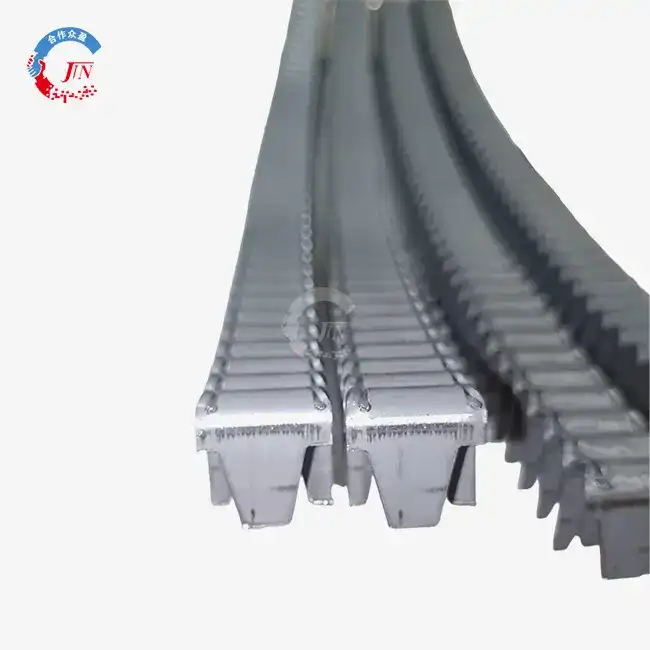
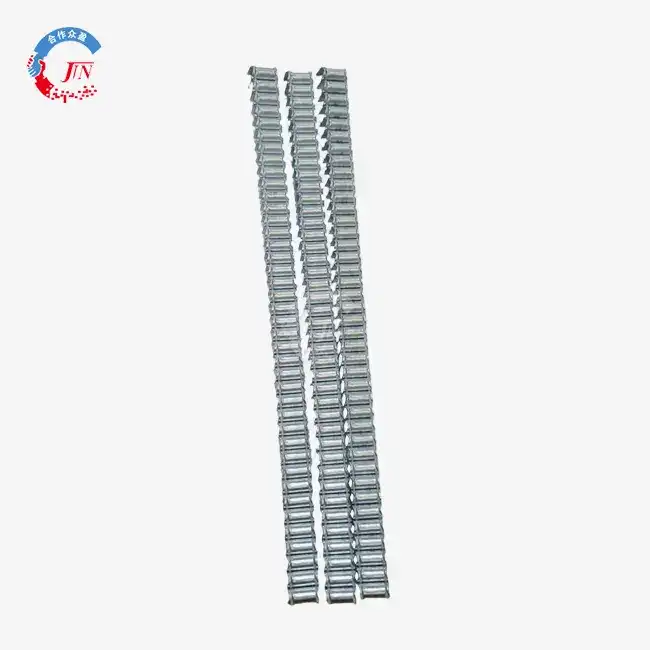
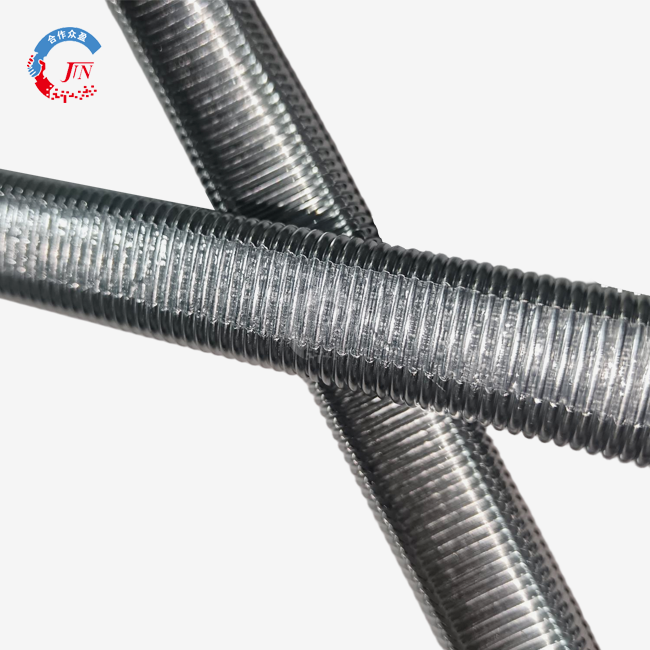
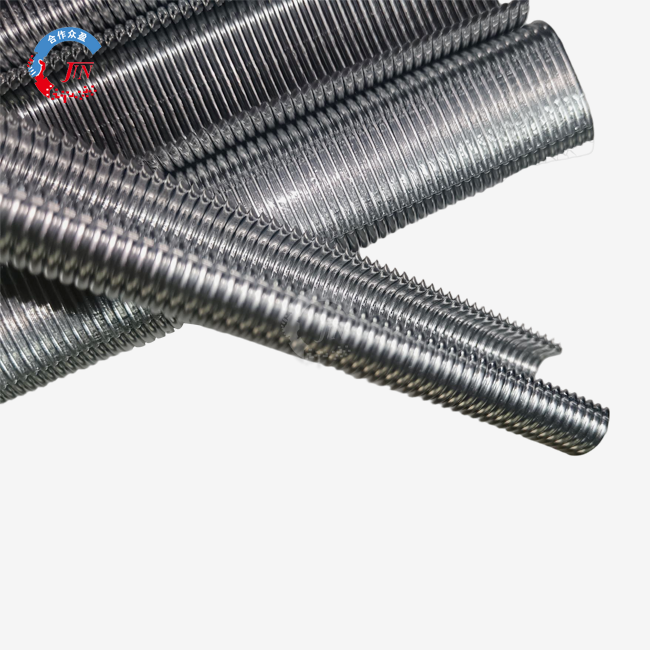
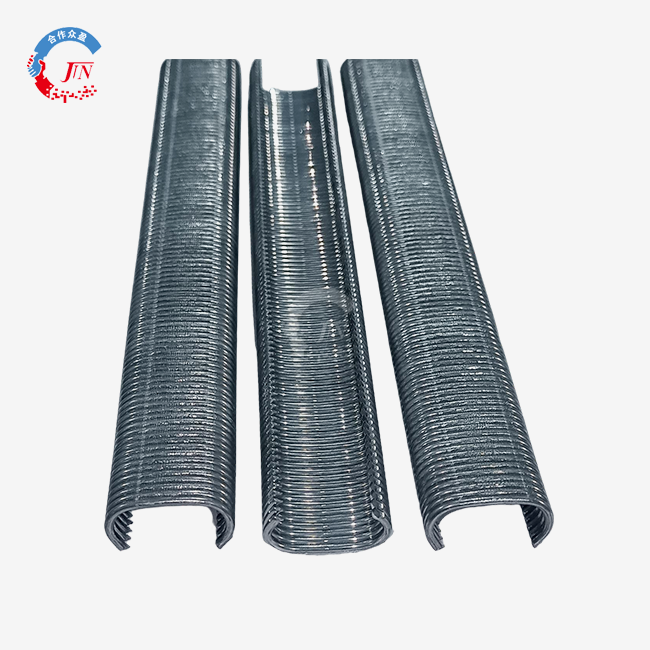
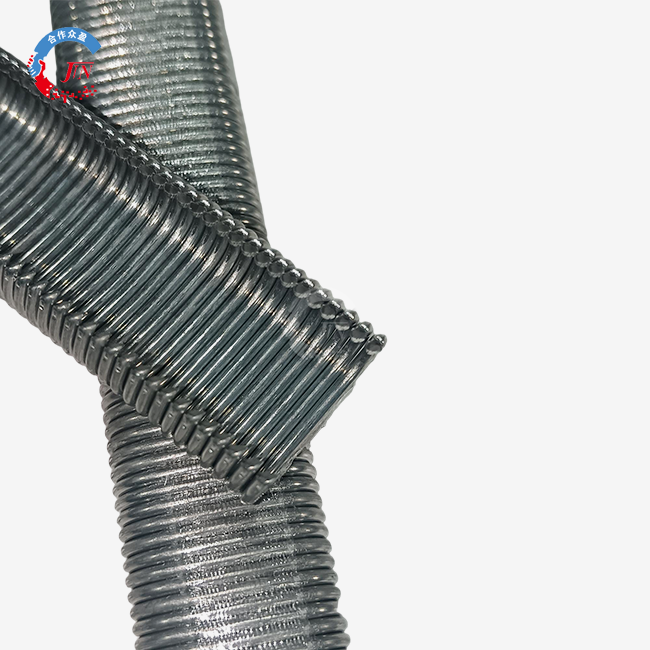
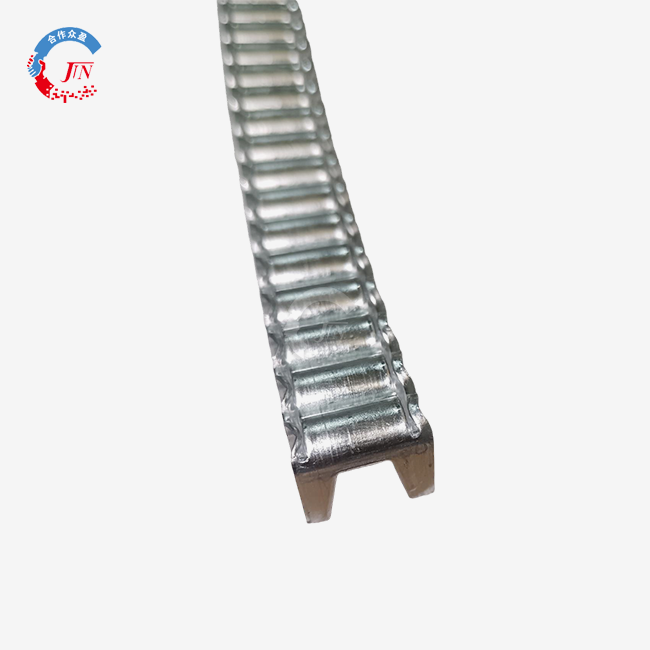
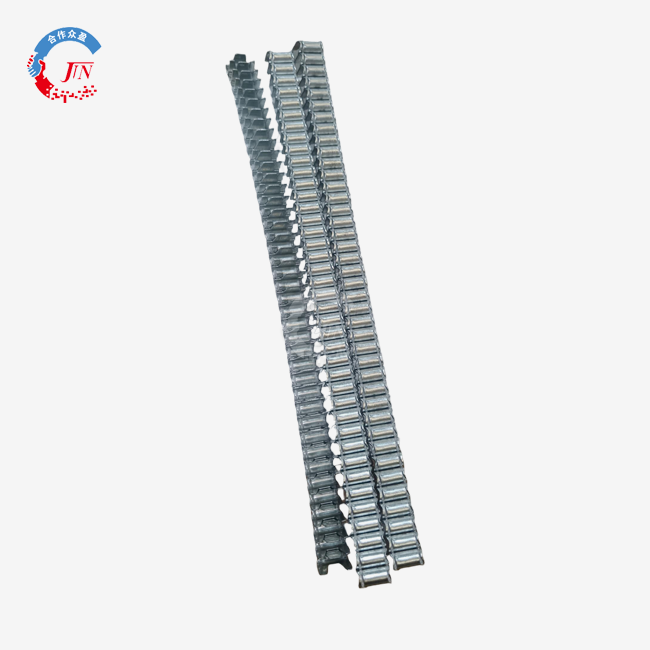
Galvanized hog rings are U-shaped metal fasteners made from high-strength steel wire that has been zinc-coated to protect it. This can be done by hot-dip or electro-galvanization. This layer stops rusting, which makes them perfect for places with a lot of moisture or that are outside. The wire is made into a C-ring shape that is 16.9 mm wide and 8.7 mm high. This shape is meant to be crimped around materials with either hand or pneumatic tools. The precise, sharp-point design of the fastener lets it go through cloth, wire mesh, or thin steel without breaking. The closed ring structure also makes sure that the hold is stable even when the material is twisted or shaking.
We make these screws in two different sizes (16G and 17G) to meet the needs of different loads. The galvanized steel choice is the most cost-effective for indoor furniture. The alloy and stainless steel options, on the other hand, are better at resisting rust in harsh environments, like chicken coops and car seats.
What Are Pinning Nails?
Pinning nails are thin, straight pins made from basic carbon steel. Hammers or nail guns are usually used to drive them through materials. In contrast to hog rings, these nails don't have any protective coverings unless they are treated in a certain way. This means that they can rust in damp places. Their straight entry needs to be perfectly aligned, and they often make small cracks in composite or wood materials. Pinning nails works best for small, light projects or short-term assembly. They don't do well with the repeated stress cycles that happen when building cushioned furniture or spring mattresses.
Key Structural Differences
The main difference is in how the fasteners work. Hog rings apply clamping force all around the edge of the material, making a link that is both flexible and solid, so it can be moved. Pinning nails work by rubbing against the material they're attached to, which can make them weaken over time. To crimp a hog ring, you need special tools, either manual or motorized, that can do it all at once. Pin nails, on the other hand, need a lot of force, which can damage delicate surfaces. It's important that your tools work well together. Our galvanized hog rings are fully compatible with normal hog ring pliers and air tools used in manufacturing lines for cars and furniture, making sure that everything runs smoothly and doesn't get stuck.
Performance and Durability Comparison
Corrosion Resistance and Longevity
Galvanized hog rings have a zinc covering that acts as cathodic protection, giving up its own protection to keep rust from getting to the steel underneath. According to ASTM B117 salt spray testing guidelines, good galvanized bolts can go 72 to 240 hours without turning red. This is a huge benefit for companies that make chicken cages and fences in coastal or high-moisture areas. In the same conditions, plain carbon steel fixing nails start to rust within weeks, which weakens the joint and leaves a stain on the materials next to it.
The choice of material has a direct effect on working life. Our galvanized steel hog rings are affordable and last 5–7 years outside, while our stainless steel models last 15+ years in marine settings. Alloy choices offer better row stability during high-volume pneumatic feeds, which cuts down on production stops. Even when they are galvanized, the cut ends of pin nails are exposed, which speeds up rust where the holding force is strongest.
Tensile Strength and Load-Bearing Capacity
The performance under load of galvanized hog rings is affected by dimensional uniformity. We make hog rings with very tight tolerances—differences in crown width and leg length are always within 0.1 mm. This ensures that each fastener consistently delivers a clamping force of 600 to 1200 MPa, depending on the gauge. When securing serpentine springs in couch frames or wire mesh to animal cage frames, this consistency is critical because uneven stress distribution can cause premature material failure.
The bending strength of pin nails is weaker because their smooth shanks only depend on friction. These screws become loose over time when they are used in car seats or when mattress springs are compressed over and over again. Our C17 standard hog rings keep their tight seal in high-tension situations, stopping the pop-outs and material separation that lead to warranty claims and extra work on the production line.
Size Selection Criteria
Picking the right gauge depends on the width of the base and the binding power that is needed. We suggest 17G hog rings (which have a lighter gauge) for upholstered materials and thin wire mesh that is less than 2 mm thick because their smaller profile keeps them from getting caught. For heavy-duty tasks like attaching 4 mm chicken coop wire or putting together car seat frames, 16G rings give you the extra tensile strength you need to handle daily stress cycles. When choosing pinning nails, length is more important than gauge, but because they can't grip around materials, they aren't very useful in multi-layer systems that are popular in modern furniture building.
Application Techniques and Efficiency
Correct Installation Procedures
To put on galvanized hog rings, you have to place the open C-ring around the materials you want to protect and then use pliers to close the ring all at once. Automobile seat makers say that pneumatic tools have 40% faster cycle times than hand crimping, which keeps operators from getting tired during high-volume runs. Our screws have a protective oil film finish that keeps them from rusting while they are stored and makes sure they feed smoothly through tool magazines without getting stuck.
To use pinning nails, you need to place them first, hit them hard, and often drill starter holes in hardwoods. This process takes more time and costs more work because it has more steps. Misaligned hits can break nails or split wood, which means more work and more waste.
Common Installation Mistakes
Operators sometimes over-crimp hog rings, which compresses materials too much and shortens the life of the cloth. Before making a lot of them, you should test the pinch depth on sample materials. When you switch between manual and air tools without changing the pressure settings, rings can come loose because of under-crimping. Our expert team gives you crimp force specs that are right for each gauge and material mix.
Most pinning nail failures are caused by nails that are too big and split thin panels or nails that are not pushed in deep enough. When there are a lot of these mistakes during long production runs, they need to be checked for quality, which takes more time.
Real-World Efficiency Gains
One of the biggest mattress makers moved from using nails to hold bed nets to cloth edges to using our C17 galvanized hog rings. They saw a 35% drop in the time it took to put together each unit and got rid of complaints about rust stains that had been happening with their old fastening method. The one-piece design keeps it from getting damaged during shipping, which cuts down on calls to field service. Upholstery shops like hog rings because they make surfaces smooth and free of snags. This is better than leaving nail heads out in the open, which can catch on skin or clothes.
Contractors who put up fences say it's faster to connect chain-link fabric to tension lines, especially when the ground is rough, and hammer hits aren't possible. Because crimped rings are flexible, they can handle small changes in orientation without weakening the joint.
Procurement Considerations for Galvanized Hog Rings and Pinning Nails
Supplier Reliability and Lead Times
When delivery lines are stable, production doesn't stop. Tianjin Jinzhuang New Materials Technology Co., Ltd. keeps a lot of stock on hand, and normal specifications have production wait times of 3–5 days. They also answer customer questions within 3 minutes. Because we are close to Tianjin Port, we can move full pallets with little damage, which is important for just-in-time manufacturing plans. We support sample-based manufacturing, which means that we can make special specs from samples you give us that fit your specific assembly needs.
Global buying teams should look at more than just the price of a source to see how consistent they are. Since 2015, we've been in business nonstop, learning how to make C-ring fasteners in a way that keeps the sizes stable across batches. This dependability is important for automatic feeding systems because an inconsistent fastener shape leads to jams that stop pneumatic tools and need help from an operator.
Pricing Models and Bulk Advantages
In wire drawing and galvanizing, volume savings are a result of economies of scale. We have reasonable pricing for bulk purchases that you make on a regular basis, and we offer yearly supply agreements that lock in rates and make sure that your inventory is allocated during busy times. Minimum order amounts strike a balance between production efficiency and customer freedom. This lets medium-sized furniture makers get industrial prices without having to keep too much stock on hand, which would tie up too much working capital.
Cost-per-fastener comparisons must take into account the total cost of installation. When you use galvanized hog rings, you don't have to pay extra for workers to line nails and do extra work, which usually makes up for their slightly higher unit price. The longer service life lowers the risk of warranty claims and customer complaints that hurt the brand's image.
Quality Certifications and Compliance
Professional buyers need proof that the materials can be tracked and meet performance standards. Our galvanized hog rings are made to meet the standards set by ASTM A641/A641M for zinc-coated carbon steel wire. The coating weight has been confirmed by tests in the lab. Customers can get mill certificates from us that show tensile strength ranges and salt spray resistance hours. This helps them meet their own quality audit and responsibility standards.
Automotive Tier 1 providers really like our strict dimensional control methods because they make sure that the parts are always the same shape and fit together tightly, which is important for automatic production lines. QA/QC managers like our rust-resistant recipe because it keeps working in a wide range of environments without needing special storage or handling instructions.
Why Choose Galvanized Hog Rings Over Pinning Nails?
Superior Multi-Application Versatility
Different types of businesses use galvanized hog rings because they can be used with a wide range of materials. The same basic design is used by companies that make mattresses to join bed nets with fabric edges, by companies that make furniture to attach leather to sofa frames, and by companies that make cage equipment to put together metal mesh structures. This makes keeping track of supplies easier than if you had to keep different pinning nail sizes for each type of material.
The C-ring structure can handle slightly misaligned materials during assembly, which is useful on production lines that move quickly and make it hard to get everything in the right place. For nails to hold things in place, they need to be perfectly straight. Hits at an angle weaken the hold and show flaws.
Enhanced Holding Strength Under Stress
Manufacturers of car seats have to follow strict safety rules because a broken bolt could hurt someone. Our galvanized hog rings make links that stay stable even when there is a lot of tension and shaking. The force is spread out around the ring's edge instead of being concentrated in one place. This arrangement stops the friction-based fixing nails from slowly coming loose after being compressed over and over again.
People who make livestock cages, like how twisted rings keep their structure strong even when they are exposed to animal waste and changes in temperature. The zinc covering protects against rust over time, so the holding strength stays the same over the equipment's useful life. This lowers the cost of repairs and replacements too soon.
Industry Validation
Manufacturers of poultry equipment say that our galvanized hog rings have made cages last 60% longer than cages that use uncoated fixing nails. Getting rid of problems caused by rust cut down on field service calls and made customers happier. Upholstery sellers stress that the smooth, closed ring shape stops fabric from snagging, which leads to guarantee claims. These real-world results show why more and more top brands are choosing galvanized hog rings for uses that need to be precise in terms of quality.
Conclusion
Galvanized hog rings outperform pinning nails across critical performance metrics—corrosion resistance, installation speed, and long-term holding strength. The protective zinc coating extends service life in challenging environments, while the C-ring design distributes clamping force to prevent material damage and premature loosening. Procurement managers gain operational advantages through faster assembly, reduced rework, and lower warranty exposure. We manufacture these fasteners with strict dimensional control and multiple material options to match specific application requirements, from indoor furniture to outdoor livestock equipment. The investment in quality galvanized hog rings pays dividends through improved production efficiency and enhanced product durability.
FAQ
Can Galvanized Hog Rings Be Reused After Removal?
The pinching process forever changes the shape of the metal, so it can't be used again. When you try to close and recrimp a hog ring, you weaken the material and make it less strong. For safety reasons and to keep the joints strong, we suggest using new screws when putting things back together.
How Do Galvanized Hog Rings Compare to Stainless Steel in Corrosion Resistance?
Galvanized hog rings provide excellent rust protection for most industrial environments at a lower cost. When exposed to chemicals or salt water, where galvanization would break down, stainless steel hog rings work better. We help customers select the appropriate material based on environmental conditions and budget constraints.
What Are Standard Lead Times for Bulk Orders?
Our inventory method lets us ship common items within 3–5 days of receiving proof of an order. Lead times may be extended to 10–14 days if you need a custom gauge or finish. This depends on when the production is scheduled. We keep extras of popular sizes on hand so that we don't run out of supplies during busy times for our customers.
Partner with TJJZ for Reliable Galvanized Hog Ring Solutions
Tianjin Jinzhuang New Materials Technology Co., Ltd. specializes in manufacturing premium galvanized hog rings that solve your fastening challenges. Our C17 specification rings combine rust-resistant zinc coating with precise 16.9 mm width and 8.7 mm height dimensions, ensuring smooth feeding and reliable crimping performance. We offer durable materials, stable quality, and quick delivery—advantages that reduce your production downtime and warranty costs. As an established galvanized hog rings manufacturer with continuous operations since 2015, we provide customization services, sample-based production, and responsive technical support. Contact Us at userID@jinzhuangfastener.com to discuss your specific requirements and request product samples that demonstrate our commitment to manufacturing excellence.
References
1. American Society for Testing and Materials. (2019). ASTM A641/A641M Standard Specification for Zinc-Coated (Galvanized) Carbon Steel Wire. ASTM International.
2. Henderson, R. & Williams, M. (2021). Industrial Fastening Systems: Performance Analysis and Selection Criteria. Manufacturing Engineering Journal, 47(3), 112-128.
3. National Association of Furniture Manufacturers. (2020). Best Practices in Upholstery Fastening and Material Assembly. NAFM Technical Guidelines.
4. Thompson, J. (2022). Corrosion Protection Methods for Metal Fasteners in Agricultural Applications. Journal of Agricultural Engineering, 58(2), 203-217.
5. United States Department of Transportation. (2018). Federal Motor Vehicle Safety Standards: Seat Assembly Requirements and Testing Protocols. NHTSA Technical Report.
6. Zhang, L., Chen, K., & Roberts, D. (2023). Comparative Study of Mechanical Fasteners in Furniture Manufacturing: Durability and Cost Analysis. International Journal of Industrial Technology, 31(4), 445-461.
Learn about our latest products and discounts through SMS or email