- English
- French
- German
- Portuguese
- Spanish
- Russian
- Japanese
- Korean
- Arabic
- Greek
- German
- Turkish
- Italian
- Danish
- Romanian
- Indonesian
- Czech
- Afrikaans
- Swedish
- Polish
- Basque
- Catalan
- Esperanto
- Hindi
- Lao
- Albanian
- Amharic
- Armenian
- Azerbaijani
- Belarusian
- Bengali
- Bosnian
- Bulgarian
- Cebuano
- Chichewa
- Corsican
- Croatian
- Dutch
- Estonian
- Filipino
- Finnish
- Frisian
- Galician
- Georgian
- Gujarati
- Haitian
- Hausa
- Hawaiian
- Hebrew
- Hmong
- Hungarian
- Icelandic
- Igbo
- Javanese
- Kannada
- Kazakh
- Khmer
- Kurdish
- Kyrgyz
- Latin
- Latvian
- Lithuanian
- Luxembou..
- Macedonian
- Malagasy
- Malay
- Malayalam
- Maltese
- Maori
- Marathi
- Mongolian
- Burmese
- Nepali
- Norwegian
- Pashto
- Persian
- Punjabi
- Serbian
- Sesotho
- Sinhala
- Slovak
- Slovenian
- Somali
- Samoan
- Scots Gaelic
- Shona
- Sindhi
- Sundanese
- Swahili
- Tajik
- Tamil
- Telugu
- Thai
- Ukrainian
- Urdu
- Uzbek
- Vietnamese
- Welsh
- Xhosa
- Yiddish
- Yoruba
- Zulu
How to Source Upholstery Clips for Furniture Manufacturing at Scale
Get the frame, the fabric pieces, and the tools you'll need to put the furniture together before you look for upholstery clips. When you do this, you can be sure that the clips you pick will fit your needs. Before you buy clips, make sure they are made of the right material and are the right size and type for the job. You should do this whether you're making a couch, a bed, or a car seat. Next, use your real production line to try some upholstery clips to make sure they fit well, are strong enough to hold things in place, are easy to put together, and work with your tools. There is a chance that you will waste a lot of money if you only compare suppliers by unit price. Don't just look at the price or length of time it takes to get the goods. Instead, think about how good they are and how consistent the batches are. Also, make sure that the business you buy from either has the upholstery clips you need in stock or can get more quickly if they run out. You can't put things together if you don't have even one important fastener. Supplies will be late. This guide is for engineers, plant managers, and procurement officers who buy a lot of things and need good ways to keep them together. In the United States, TJJZ has furniture parts for beds, chairs, and car seats. These people help them choose the best goods, make sure there are enough, and keep the quality of the work high. Furniture makers can choose fabric clips that work for them as long as they plan their stock well and test samples. This way, they don't have to stop production.
Furniture can be kept safe with leather, cloth, plastic, or foam. The covers stay in place with these small metal or plastic clips. Make sure you have the right clip to speed up the process, protect the look, and keep the cover in place. If you use the wrong clip, you could slip, tear, rust, do extra work, and even make a warranty claim.
Define What You Need Before You Contact Suppliers
Every move you make saves time once you have a plan. We need to choose one of these three things first.
Write a Clear Requirement Sheet
People who want to buy something should first write it down and then ask how much it costs. The clip can be used on office chairs, ottomans, headboards, couch arms, and most other things. Write down all the places it can go. Next, write down what it needs to hold, such as leather, knitted fabric, vinyl, canvas, or fabric that has foam in the back. Before you fold it, find out how thick the whole stack is. They often get twice as thick when you fold them. Talk about how tight the fabric is, whether it was hot or wet, what tool was used to lay it down, how much fabric you need each year, and how you want to ship and package it. Since every company charges the same amount for the same job, this sheet makes up the price difference. They can give a normal or unique choice if they know facts and not just guesses.
Know the Main Types of Upholstery Clips
You can use metal or plastic clips on furniture, and both work well. It might be made of carbon steel, steel that has been covered, steel that feels like steel, or spring steel. When they're full, they don't bend because they're so strong. Chrome covers it with a thin layer of metal, which keeps it from rusting. There is a zinc layer on coated steel that rusts first and protects the steel below. These clips are thinner, won't rust, and can be shaped in different ways. To fix things and make samples, it's better to use clips that can be used more than once. You can also use clips and C-ring nails to join frames and springs together. How strong is the group? How well does it handle heat? How easy is it to set up? How much does it cost? How long does it last?
Compare Clips With Staples and Other Fasteners
A lot of makers aren't sure whether upholstery clips or staples are better. The answer depends on the job, how it will be put together, and the cost of making it all together. When you need to keep things in place and make sure they are securely connected, upholstery clips are useful. You can use them to keep things in place, help put furniture together, and connect parts safely. They can also help you take things apart and put them back together more easily. But staples might still be a good choice for regular leather work and high-volume production where it's important to keep costs low per hook. If a plant already uses pneumatic staplers, switching to upholstery clips might cost more because they will need to buy more tools that work with the new ones, teach workers how to use them, and keep them in good shape. Before buying something, people should think about how much it will cost them to own it for the whole time. This includes the cost of tools, spare parts, repairs, labor, and any other costs that might come up because of a broken product or a guarantee claim. At first glance, cheap upholstery clips might look like a good idea. But if they don't fit the measurements or don't work well when they're attached, it can lead to extra work, production delays, and higher future costs. Manufacturers can see which fastening method is the best balance of strength, efficiency, and cost by putting both of them to the test in real production settings. If companies look at performance instead of just unit price, they can choose between upholstery clips and staples based on their own needs.
Match Size, Quality, and Compliance to Your Product
Once you know what the wants are, you can cut them down. You can tell how well a clip will work in real life by how it fits and looks.
Select the Right Size, Shape, and Holding Force
You can't choose a clip by its size alone. Find out how high the whole thing is. There is leather, foam, backing, folded fabric, and other things that aren't part of this. Next, check the heel's length, the gap between the legs, the jaw's depth, the grips, the spring action, and the edge's shape. These all change how the tool looks and how well it holds things. If the clip isn't deep enough, the cover might come off. Someone could tear the fabric or move more slowly if the clip is too tight. It's best to test the binding force in real life, like when the seat moves, the foam flattens, or the fabric is tight. It is important to make sure that the clip fits your powered, pneumatic, hand-held, or factory-made tool. I learn more from a short test on a real frame than from a list of specs.
Check Quality, Rust Resistance, and Compliance
What is made and how it is made are both parts of quality. When you look at metal fasteners, you should see if they have any cracks, burrs, sharp edges, burrs in the coating, or if they can resist rust. The ASTM B117 salt spray test is used by many labs to find out different things. When you use resin, make sure it stays stiff, is the right color, and doesn't melt when it gets hot. A rough edge can catch or tear a cover, so it's important to have burrs. It only takes one lost fastener to stop the run and jam a tool, so the line can keep going. If you're in a certain market, you may also want to see material licenses, records of inspections, and proof that chemicals follow rules such as REACH (EC) No 1907/2006. Don't forget to ask the seller how they handle problems. Things get done quickly when there is a clear plan for how to do them.
What TJJZ Offers for Upholstery Fastening
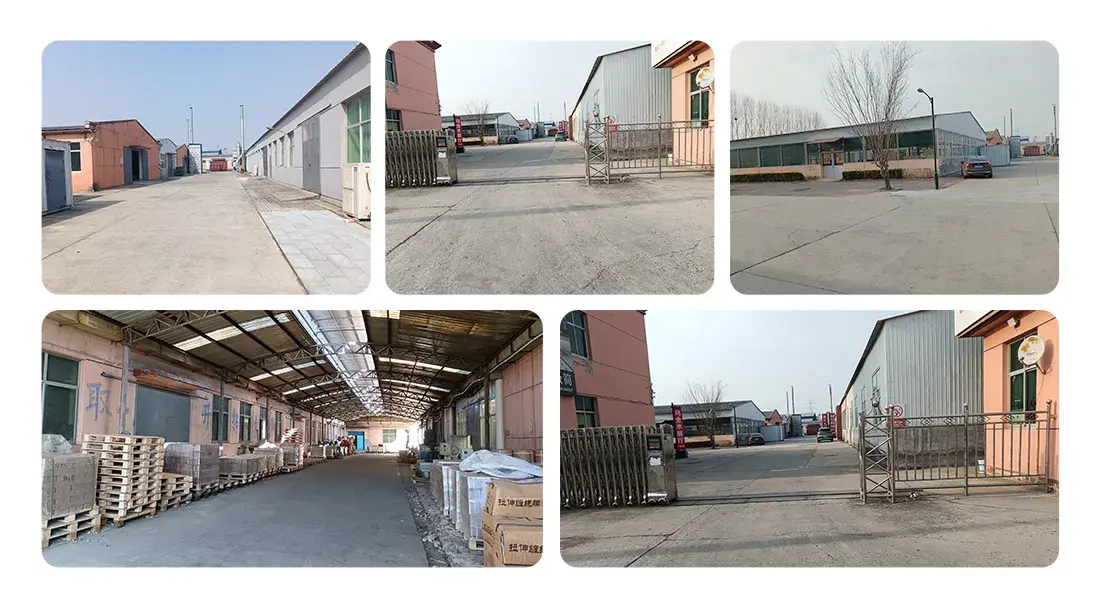
On February 10, 2015, Tianjin Jinzhuang New Materials Technology Co., Ltd. (TJJZ) opened for business. Poly-row nails, roll nails, code nails, and paper-row nails are just a few of the types of nails we make. When people want to buy chairs, they usually ask these two things:
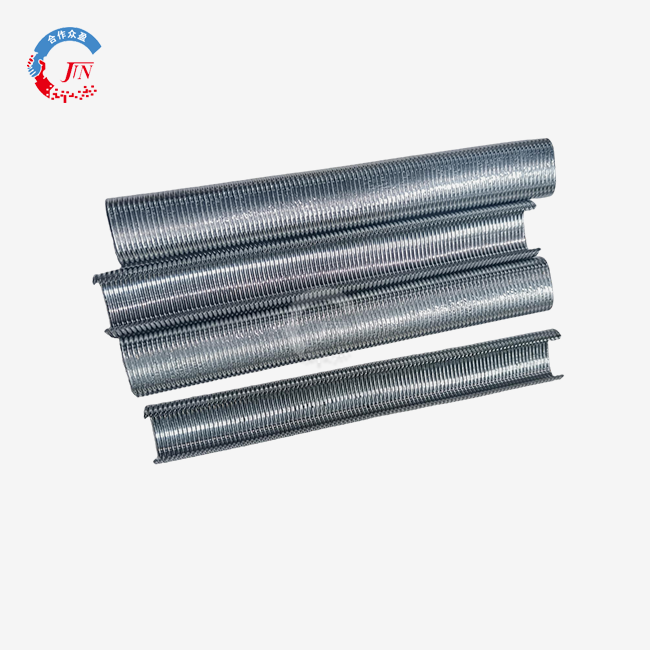
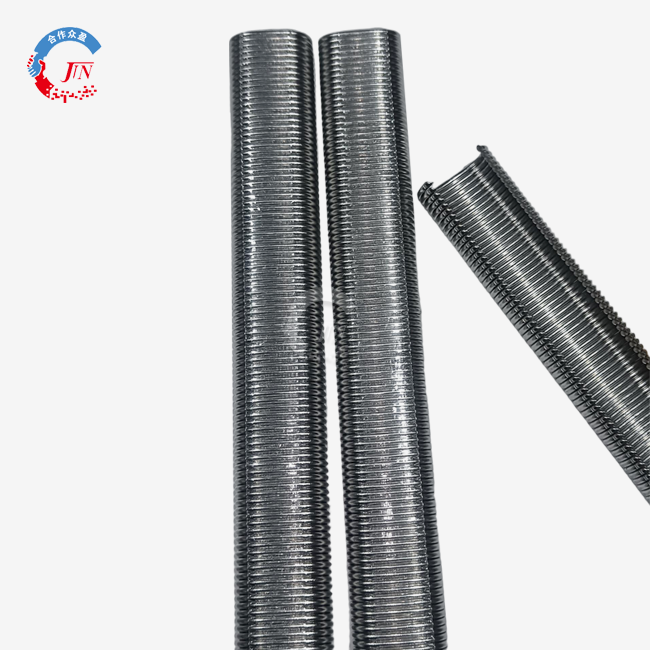
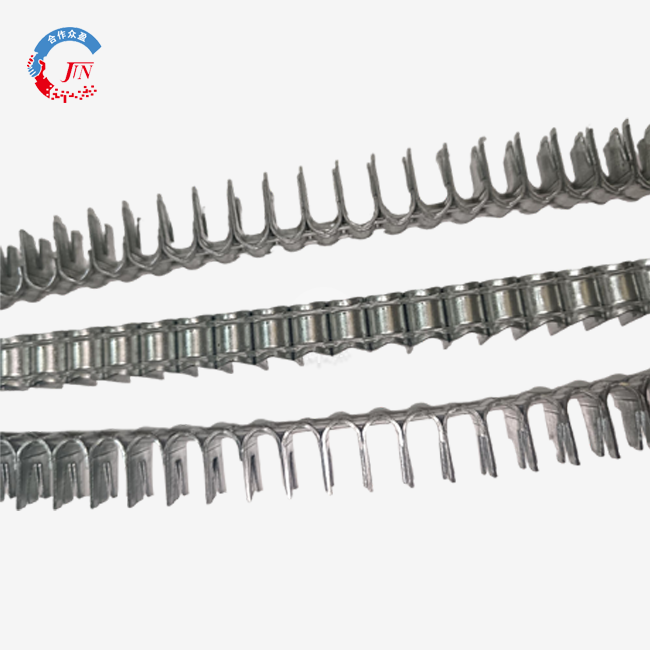
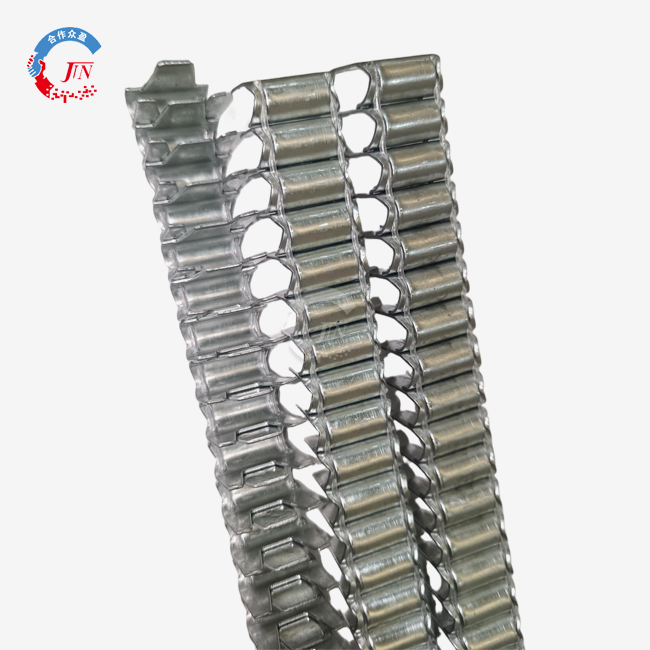
- Clip staples: We coat clip staples with a protective oil film that resists rust in storage and in use. Furniture plants use them to fasten fabric and leather to frames and to join springs. Our factory makes them to the exact sample you send, so your tool settings and frame design stay the same.
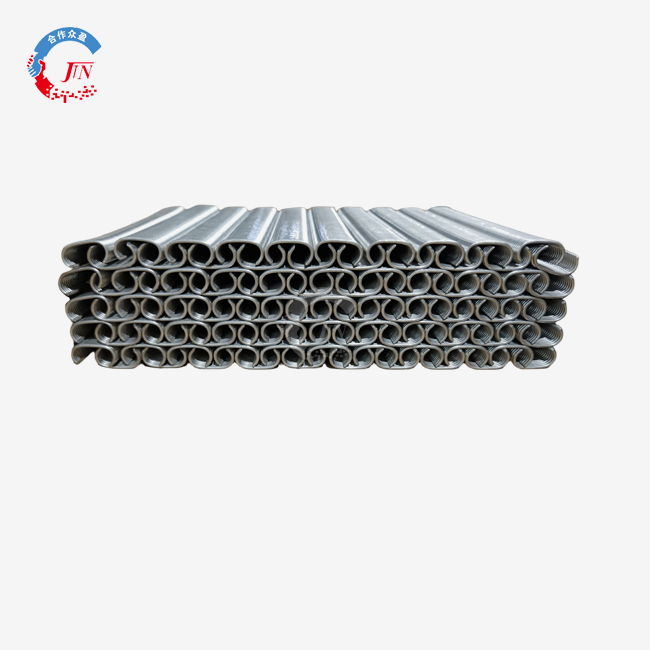
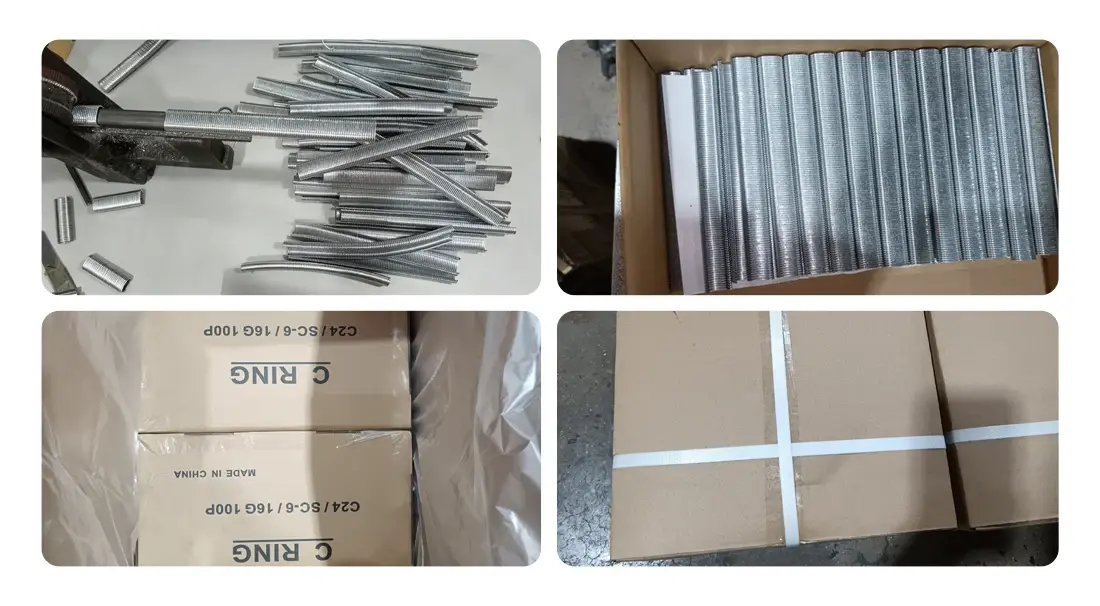
- C-ring staples: We supply galvanized, zinc-aluminum alloy, and stainless steel versions. They carry no adhesive residue, so they feed smoothly and do not jam the tool. Sofa makers use them on cushion upholstery, mattress plants use them to join the bed net to fabric, and automotive seat suppliers use them on seat cushions.
That way, the lines won't rust, tools won't get stuck, and the lines won't stop working.
Build a Sourcing Process That Protects Your Production Line
A simple step is taken to make sure that the quality doesn't change from the first sale to the fifty-first. It also tells you how much each deal really costs.
Qualify Suppliers and Test Samples
Before you look for upholstery clips, you should find suppliers who have made industrial fasteners, auto parts, or furniture before. You can trust the service if they know how to shape wire, stamp it, and make different kinds of upholstery clips. Review product datasheets carefully to confirm available dimensions, material options, surface finishes, minimum order quantities (MOQs), lead times, production capacity, and export documentation. Before you approve a supplier, make sure you test the upholstery clips on the frames, fabric layers, and assembly tools that will be used on the line, not just on a clean desk. Make sure there are clear rules for what is acceptable, keep a "golden sample" that has been accepted, and plan a way to keep materials, sizes, and finishes from being changed without permission. Find out how providers handle safety stock, restock materials, and keep tools in good shape for production programs that happen over and over. This will help you avoid sudden supply interruptions. Plan production better when sellers can show they have what you need in stock and that you won't have to wait long. Since 2015, TJJZ has been making clips for furniture and has items in stock. Production and reaction times are usually between 3 and 5 days, but can be longer or shorter depending on the needs of the order and our availability. To find a reliable source of upholstery clips, buyers should look at the supplier's technical know-how, quality control measures, and how they handle their inventory. In the long run, this will help them keep a steady supply for making things.
Compare Price, MOQ, Logistics, and Total Cost
Use the same files to get quotes from all of your providers for big orders, first orders, regular orders, and orders that only happen once a year. That's a fair point. There should be separate lines for freight, tools, packaging, inspection, and packaging. To keep your cash flow steady, you need to find the right MOQ for your steady demand. These names were chosen by the International Chamber of Commerce (ICC). They make it clear who is in charge of each step and who pays for it before they ship something. Pick the term first, then check how much it costs to get there. The ending number changes based on the export papers, the box sizes, and the way the stacks are laid out. Another study from 1995 by Lisa Ellram called "Total Cost of Ownership" says you should think about more than just the price of the house. When you compare prices, you should think about how much it costs to hire people to set up the items, fix things, keep the tools in good shape, and keep stock. Our plant is close to Tianjin Port, so the goods aren't damaged too much. They are shipped on full pallets.
Avoid Common Bulk Buying Mistakes
You're already in a lot of trouble when you pick something based on price or what you don't fully understand. Fixing cheap clips that break, move, rust, or look funny takes more work. You can't tell how big the stack is if you only measure a small part of it. If you don't test the app, you might not find bugs until after the line starts. What kinds of materials can be used, how they will be packed, and how changes can be made should all be put down in the deal. Make a list of the lots to find a bad one quickly. The sofa line won't work without extra pieces, so keep them on hand. There is a service that can back up your apps, even if you don't use them very often.
Choose a Long-Term Supplier With Confidence
You can choose a partner after the tests and prices are over. It's easy to make the choice after these steps.
Pick the Right Supplier Model
You can choose the right upholstery clips based on how many you want to make, what you want to use them for, how long you want them to last, and how many things you need to attach. Standard upholstery clips are easy to find online from sellers and wholesalers. You can use them for small runs, repairs, and test samples. They come in many shapes and sizes. Read the supplier's past records on quality, quantity, and shipping terms to make sure the fasteners fit your needs before you buy. Distributors may be a better choice for small furniture stores and manufacturers. For bulk orders, custom sizes, OEM projects, and to keep costs low over time, though, it's usually best for big manufacturers to buy upholstery clips straight from the plant. It's also easier to go over technical details and come up with new ways to fix things when you talk to the maker directly. You could get upholstery clips made just for your frame, find a way to hide the clips, or change the way the frame is put together if everyday clips don't work. People who buy from TJJZ can help them make the right clips for their projects by giving them examples, drawings, and details about how the clips will be used. How much do you think you'll need each year, the order number, the materials you want to use, and any changes you need? This will help you get a price. Then, the company can give you a better price quote for the fabric clips you need, tell you about some good items, and figure out how many they can make.
Use a Procurement Checklist
The list that the people in charge of building, quality, transportation, and buying all use is the same. Everyone will know what they need to do. Read about how the product is used, the grade of the material, the finish, the tool for installation, and some examples of what it can do. Check out the clips' size and how well they hold things in place as well. When looking for a provider, you should think about their industry knowledge, experience, quality control, paperwork, capacity, wait time, ability to make changes, and customer service after the sale. Prices, tools, packing, labeling, shipping times, inspection rules, reordering steps, and emergency supplies must all be agreed upon before the deal is finalized. That's what ISO 9001:2015 says. A quality management system needs to keep track of the checks that are done and the steps that are taken to fix bugs. That's why you need to ask each service provider how it does this. By making sure everything is okay before you buy, these checks will speed up the next order.
Score Suppliers With a Weighted Method
Scorecards that give points show what people think. Score each supplier on product performance, quality consistency, total cost, capacity, delivery, compliance, customization, technical support, and responsiveness. After that, give each case a number. Some repair buyers care most about having a low MOQ and getting their orders quickly. On the other hand, making people care more about quality and keeping the work going is what we mean. OEM clients usually let engineers use their tools, work alone, and ask for help from other engineers. Make a supply deal that lists everything you need, how much it will cost, who will own the tools, who is responsible for fixing problems, and how long the lead time is once you've chosen a winner. Why does it matter how fast you answer? Because taking three minutes to answer a rush order will save you a shift.
Conclusion
When people buy a lot of fabric clips, they should not only look at the price per clip, but also at how well the clips work and how much the whole purchase will cost. There are times when manufacturers need to compare different types of fasteners, like metal and plastic clips, staples, and upholstery clips. A detailed list of what is needed helps the people who buy things find the ones that will work best with the machines they use. Some of the things that can change how well bolts and upholstery covers stay in place are clip size, holding power, surface finish, and burr control. After the first order, buyers should be clear about what they want, agree on what amount of error is acceptable, and test runs should be done on real production frames. If you want to properly evaluate upholstery clips, you also need to know the total cost of ownership. This includes minimum order quantities (MOQs), freight terms, possible downtime, and maintenance or repair costs due to problems with fastening. One way for teams to compare suppliers is to use a structured checklist and a weighted supplier scorecard. The scorecard can show how reliable the supplier is over the long term, how quickly they deliver Products, and how much stock they have. If manufacturers choose dependable suppliers and are clear about what they need, they can find upholstery clips that help with quick assembly, lower costs that come up out of the blue, and stable production over time.
FAQ
Are metal or plastic clips better?
In every case, neither side comes out on top. Metal clips are stronger and won't break, but rubber clips are lighter and won't rust. Pick one based on the weight, the space, the tool, and the length of time it will last. Make sure you picked the right one by trying it out on your own frame.
Can upholstery clips replace staples?
Sometimes. Clips help you fix things and put them where they belong. This works great for furniture that can be used in various ways. It is always best to fix old furniture with staples because they are cheap and work fast. Add up all the costs, like staff, tools, and extra work, before you make the switch.
How do I choose the correct clip size?
To get a sense of how big the stack is, fold the paper and then measure it. First, make sure that the legs are the same length, the hole is the same width, and the mouth is the same depth. Make sure they fit your tool too. First, send a sample to the supplier to see how strong it is. Then place a big order.
Request Samples and a Bulk Quote for Upholstery Clips From TJJZ
Ready to source upholstery clips at volume? TJJZ is an upholstery clips supplier that makes clip staples and C-ring staples for furniture, mattress, and automotive seat producers. We keep stock, produce in 3–5 days, and answer inquiries within 3 minutes. Send your sample or specification sheet to userID@jinzhuangfastener.com, or visit jinzhuangfastener.com, and we will quote your bulk order.
References
1. ASTM International, Standard Practice for Operating Salt Spray (Fog) Apparatus (ASTM B117), 2019
2. International Chamber of Commerce, Incoterms 2020 Rules, 2019
3. European Parliament and Council of the European Union, Regulation (EC) No 1907/2006 (REACH), 2006
4. ASM International, ASM Handbook Volume 13A: Corrosion: Fundamentals, Testing, and Protection, 2003
5. International Journal of Physical Distribution & Logistics Management, "Total Cost of Ownership: An Analysis Approach for Purchasing" by Lisa M. Ellram, 1995
6. International Organization for Standardization, ISO 9001:2015 Quality Management Systems — Requirements, 2015
Learn about our latest products and discounts through SMS or email