- English
- French
- German
- Portuguese
- Spanish
- Russian
- Japanese
- Korean
- Arabic
- Greek
- German
- Turkish
- Italian
- Danish
- Romanian
- Indonesian
- Czech
- Afrikaans
- Swedish
- Polish
- Basque
- Catalan
- Esperanto
- Hindi
- Lao
- Albanian
- Amharic
- Armenian
- Azerbaijani
- Belarusian
- Bengali
- Bosnian
- Bulgarian
- Cebuano
- Chichewa
- Corsican
- Croatian
- Dutch
- Estonian
- Filipino
- Finnish
- Frisian
- Galician
- Georgian
- Gujarati
- Haitian
- Hausa
- Hawaiian
- Hebrew
- Hmong
- Hungarian
- Icelandic
- Igbo
- Javanese
- Kannada
- Kazakh
- Khmer
- Kurdish
- Kyrgyz
- Latin
- Latvian
- Lithuanian
- Luxembou..
- Macedonian
- Malagasy
- Malay
- Malayalam
- Maltese
- Maori
- Marathi
- Mongolian
- Burmese
- Nepali
- Norwegian
- Pashto
- Persian
- Punjabi
- Serbian
- Sesotho
- Sinhala
- Slovak
- Slovenian
- Somali
- Samoan
- Scots Gaelic
- Shona
- Sindhi
- Sundanese
- Swahili
- Tajik
- Tamil
- Telugu
- Thai
- Ukrainian
- Urdu
- Uzbek
- Vietnamese
- Welsh
- Xhosa
- Yiddish
- Yoruba
- Zulu
Pneumatic Hog Rings for Upholstery Manufacturers: Bulk Sourcing Guide
Pneumatic hog rings are metal rings that fit tightly around fabric, springs, foam supports, and wire frames by squeezing air. Because of this, they can be used to make furniture, car seats, mattresses, and other things for business. If someone buys an inflatable Hog Ring, they need to remember five things to make sure it works well and keeps making rings. Take a look at the bolt's ring size and wire thickness to make sure they are the right size for the job. Second, make sure that you can use the pneumatic tool and the pneumatic Hog Rings together. If the ring size is wrong, it might be hard to feed the tool or close it. Third, figure out where the work will be done and how protected it needs to be from rust. This can help you pick the safest material or finish, like zinc-aluminum-coated steel, stainless steel, or coated steel. Fourth, test the pneumatic Hog Rings on your own production line to see how well they close, fit, and are strong. Look at more than just the price per unit before you pick a provider. They should also have good quality records, short wait times, the ability to make a lot of things, and low overall costs for fastening. Make sure you know when to replace something, how much it will cost, and how much is in stock before you buy it. This will help you keep the cost of buying things the same and not change how much you make. You should be able to find pneumatic Hog Rings that fit your needs, work with your tools, and help you get things done quickly and regularly if you follow these steps.
Pneumatic Hog Rings: Basics, Applications, and Alternatives
What Are Pneumatic Hog Rings and Why Do Upholstery Manufacturers Use Them?
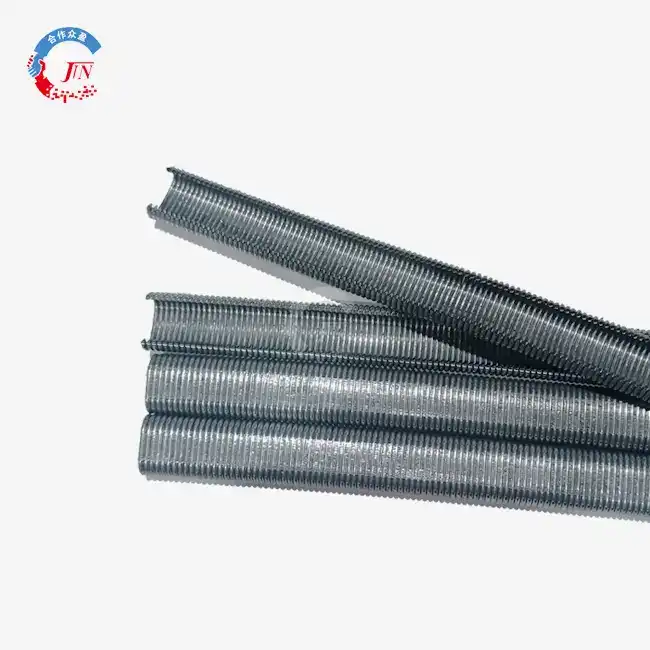
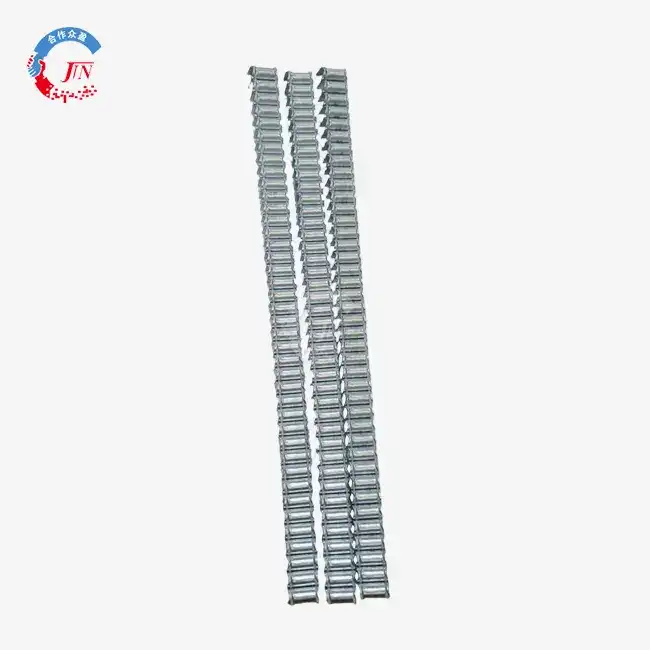
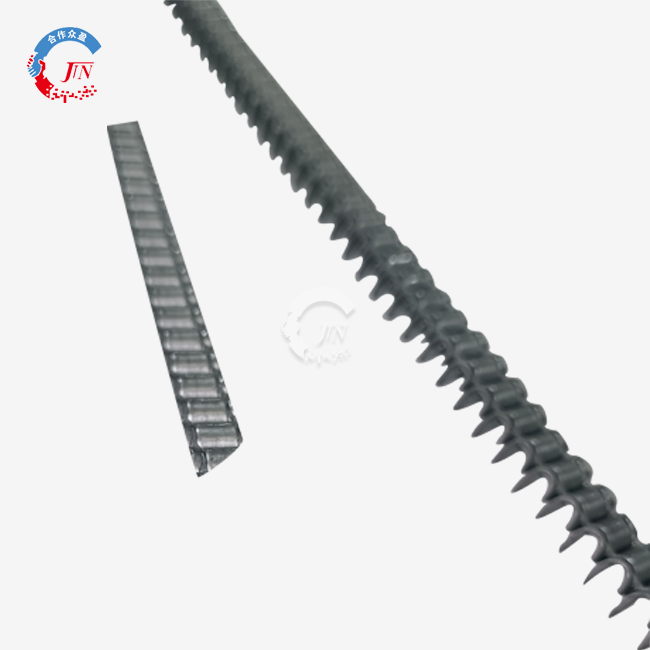
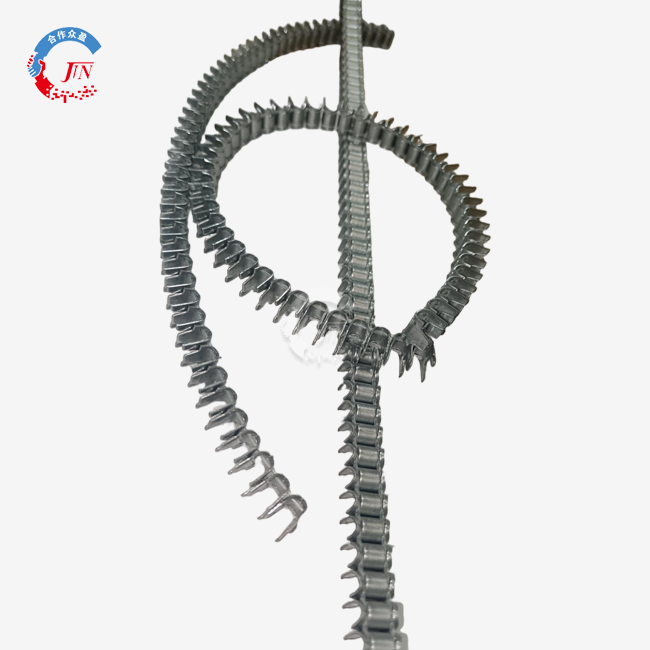
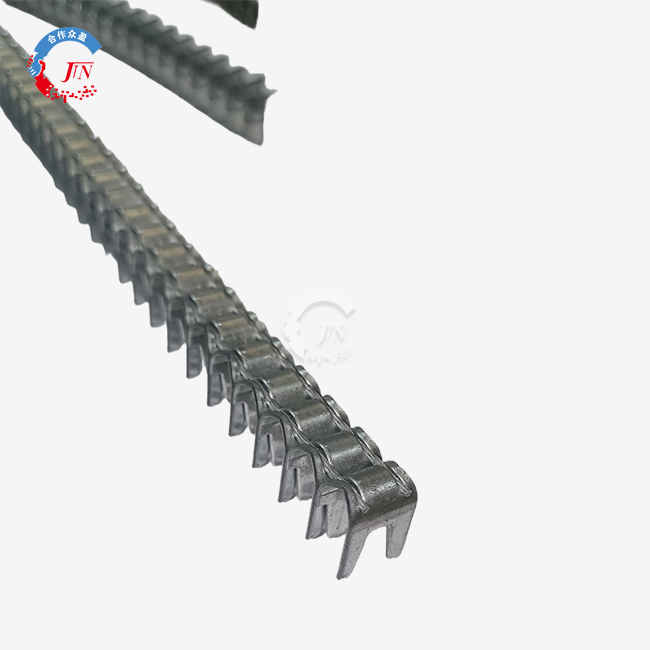
Pneumatic Hog Rings can be closed with a tool that uses compressed air. You can wrap cloth, springs, foam supports, wire frames, or mesh around them. They are now ready to use. You might also call them clinch rings, seat rings, or C-rings. The machine can fire all of the rings at the same time because they are held together with tape or plastic strips. The worker puts the pieces where they belong, adds metal to the rings, positions the tool over the stuck spot, pulls the trigger, and checks that it stays closed. Not only is this faster, but it also works better from shift to shift and doesn't wear out your hands as quickly as using hand tools. A lot of plants that make furniture use it since it's always the same.
Pneumatic Hog Ring Applications in Upholstery and Related Industries
These fasteners are usually found on couches, chairs, recliners, mattresses, and cushions. They hold threaded wires, springs, upholstery fabric, and elastic web in place for people who make furniture. The mattress makers want the gaps between the springs and border wires to be even, and they also want the snaps to stay in place. The people who sell car seats want to have a lot of control over the samples and measurements that are okay. The same hardware holds together animal cages, fences, and wire mesh chicken netting. Galvanized rings can be used for most jobs that need to be done inside or outside. Marine, wet, or clean environments are better places for stainless steel rings. What the product is made of and how it will be used should always match the specification.
Comparing Pneumatic Hog Rings with Alternative Fastening Methods
When you have to do the same thing over and over, setting up a pneumatic system is faster and easier than using hand tools. Users don't get tired and can do other things. NIOSH has found a link between doing hard, repetitive work with your hands and getting musculoskeletal diseases. It's also good for your health to make things easier to hold. It's still good to have hand tools for jobs that don't change very often, fixes, and drafts. In each market, the language used is also different. "C rings," "hog rings," and "C-shaped staples" can all refer to different types of shapes. Look at the sizes and how they close instead. In order to decide what to do, I add up the prices of the ring, the tool, the compressor, the downtime, and the installation. You can learn more than just the lowest price per unit from a small test run.
How to Specify Pneumatic Hog Rings for Your Production Line
How to Choose the Correct Pneumatic Hog Ring Size and Wire Gauge
It's not always clear what a size number, like 3/4 inch or 1 inch, means. Check to see if the number for each provider means the inside width, the leg length, or a different size. The wire diameter is also important. Most of the time, a 15-gauge ring is bigger than a 16-gauge ring. It can hold more weight, but each ring has to be closed with more wire and force. 16-gauge might work well for parts that aren't very heavy. Write down the wire's finish, its tolerance, its inside and outside measurements, its closed-ring size, and how it will be packed. First, put the ring to the test on real foam, fabric, mesh, or spring wire. After that, you should make a big order.
Pneumatic Hog Ring Tool Compatibility and Installation Requirements
The ring and the tool are the same thing. Check the type of tool, the approved ring series, the wire gauge, how the magazine is set up, the direction of loading, the operating pressure, and the number of cycles per minute. Before you load, turn off the airflow and make sure the feed is smooth. Before the first make-up shot, do it again. The tool's nose should always be straight and square to the part that it's attached to. The driver blade and feed system could break if you mix the gauges. Check that the ring fits the tool. If the sorting width isn't even or if glue is left over, jams can also happen. Sometimes rings that don't close all the way, parts that are too old, parts that aren't lined up right, or too much pressure can cause the fabric to tear or deform unevenly.
Galvanized Versus Stainless Steel Pneumatic Hog Rings
Hemp hog rings are a cheap way to keep things together when making mattresses, reupholstering furniture, or putting together wire mesh, fencing, animal cages, or chicken netting. To make sure they last a long time, people who buy gas Hog Rings should think about how strong they are and how well they resist rust. A lot of people like zinc-coated carbon steel wire. ASTM A641 lists zinc-coated carbon steel wire and sets standards for the coating and the properties of the material. Zinc-aluminum alloy coatings may be better at stopping corrosion than regular galvanizing in places that get a lot of water, like farming sites, but it depends on the coating system and the conditions of use. Grade 304 or 316 stainless steel pneumatic Hog Rings might work better in salt water or other places where rust is a problem. Because it has molybdenum in it, Grade 316 is better at resisting corrosion from chloride than Grade 304. To be sure that your pneumatic Hog Rings work, ask your supplier for certificates of material, coating details, and corrosion test reports. A common test method known as ASTM B117 is often used to test salt spray. But you should look at the test results in light of the real service setting. Before you buy a lot of pneumatic Hog Rings, make sure you know what kind of material, finish, and resistance to corrosion you need. This will help you get consistent quality and long-lasting performance from the fasteners.
Bulk Sourcing Strategy for Pneumatic Hog Rings
Bulk Sourcing Checklist for Upholstery Manufacturers
You need to make a list of everything that needs to be done before you can trust a big order. Make your choice about the ring size, wire gauge, material, finish, limits, how well the lid closes, tool model, packing format, inspection standard, and the fewest flaws that you are willing to accept. Figure out how often or how many times a year it will be used. Next, think about how much safety stock costs and how long it takes to make, store, and change designs. Find out how well each supplier can make things, how they keep an eye on quality, how much they can handle, how often they can handle repeat orders, and how long they've been exporting. You should put representative samples through real-life production tests before they are approved. Lastly, agree on the minimum order quantity (MOQ), prices, lead times, Incoterms, payment terms, what the documents and goods should look like, and what to do if the goods don't meet the requirements. If you write these things down, you won't have these arguments again.
How to Evaluate a Pneumatic Hog Ring Manufacturer or Supplier
If they are skilled, they should be able to bend, cut, coat, check, and pack wire. This is to find out if the business has its own building or hires someone to do it. What other specifics do you have? You should also ask the company if they can make things in your size, gauge, and material. Having the ability to keep track of each batch and keep records like material certificates, sealing data, measurement inspection reports, and measurement guides is helpful. It is well known that ISO 9001 is a way to manage quality. But you should also ask to see examples of the rings to be sure they are good. You can see examples of how to fix things, how long it takes to respond, and how long it takes to turn around papers. You should agree in writing on OEM packaging, private labels, barcodes, and shipping dates before you place the first order.
Cost and Procurement Strategy for Bulk Pneumatic Hog Rings
Sometimes the cheapest price per box doesn't mean the cheapest price all together. I add up the cost of the ring, freight, duties, packaging, labor, running the compressor, tool maintenance, scrap, defects, and downtime to get the total cost of each installed fastener. In the U.S., you need to know that making compressed air costs a lot of money. If the ring works right the first time, it saves a lot of money. Boxes work best for one-offs and small runs. On the other hand, agreements for a year, planned releases, or cartons often work better and cost less for steady demand. You can buy more rings and keep better track of them if you keep all of their sizes the same. Plan full-pallet amounts, put together predictions from different plants, and always have a different source on hand that has been accepted.
Quality Control and Final Selection
Quality Inspection and Maintenance for Pneumatic Hog Ring Systems
Check both the rings that come with them and the tools that are used to put them on. For rings, check the labels, wire gauge, sizes, finish, and shape of rings from different lots and cases. Also, look at how many boxes there are and what kind of damage or rust there is on the rings. There are a lot of people who use micrometers to check how big the wire is. Then, in line with ASTM B117, they try it with salt spray to make sure the coating comes off easily, and there is no residue near the driver blade. There is a way to compare new orders to the ones you keep. Make sure your tools have enough air pressure, clean and oil them, and use them a lot. Not only the triggers and nose pieces but also the magazines, drivers, seals, springs, and drivers. Rings should be kept in clean, dry, and sealed boxes. Do not put these boxes near chemicals or floors that are wet. Change the order of the things that come in and go out as well. Count how many delays, jams, and downtimes there were during the day.
Reading Test Results Before Approving a Bulk Order
Before you place a large order for pneumatic Hog Rings, you should make sure that the fasteners work reliably in real production conditions by running a test run. First, test a certain number of Hog Rings that are pneumatic from each sample lot. Check the airflow in the pneumatic tool to make sure it works properly. Write down any rust, damage to the surface, feeding issues, or rings that don't close all the way during the test. Next, pull the closed rings apart to see how well they stick together and make sure they're strong enough for the job. You should make sure that each sample lot of pneumatic Hog Rings is judged in the same fair way before you test them. Talk to the supplier about making any changes that need to be made to the ring's size, coating, material, or assembly directions if the tests show problems. Once the sample has been approved, compare the quality of the first batch of production to the sample to make sure it stays the same. It keeps production going and makes sure that big orders of pneumatic Hog Rings meet the performance standards. This way, buyers can find problems early on.
Recommended Decision Guide for Upholstery Manufacturers
Fit is more important than price. If the material is thick, the load, and the tool are all taken into account, 15-gauge or 16-gauge galvanized rings are often used for furniture inside. It's important for mattress lines to have stable closures, easy feeding, and sizes that stay the same. Car programs might need to be able to record things, keep track of them, and get permission from the customer. Once you know how resistant the steel is to corrosion, coastal and humid places are often good places for it. When it rains or snows, the coating on fences, cages, and chicken netting shouldn't come off. At the very bottom of the list should be quality, dependability of the provider, landed cost, delivery, documentation, and customization. How well they connect and work with each other should be the most important things. This order makes sure that a low quote doesn't hide the fact that the line might not work out.
TJJZ Fastening Solutions for Upholstery and Related Industries
Product Range for Mattress, Furniture, Automotive, and Cage Production
Since February 2015, Tongjiang Jinzhuang New Materials Technology Co., Ltd. (TJJZ) has been in business. There are many types of nails made at our plant, such as roll nails, code nails, compression nails, mold nails, and paper-row nails. A-shaped stapler rings hold thin plates or fabric together. They are often used to join the bed net to the mattress cover, to reupholster chairs and car seat pillows, and to put together farm equipment cage mesh. You can use our roll coil nails on decks, crates, wire reels, and furniture frames made of wood. We also sell, fix, and do work on air tools. People who buy cages, beds, furniture, and car seats stay in this price range.
Materials, Coatings, and Quality Control at TJJZ
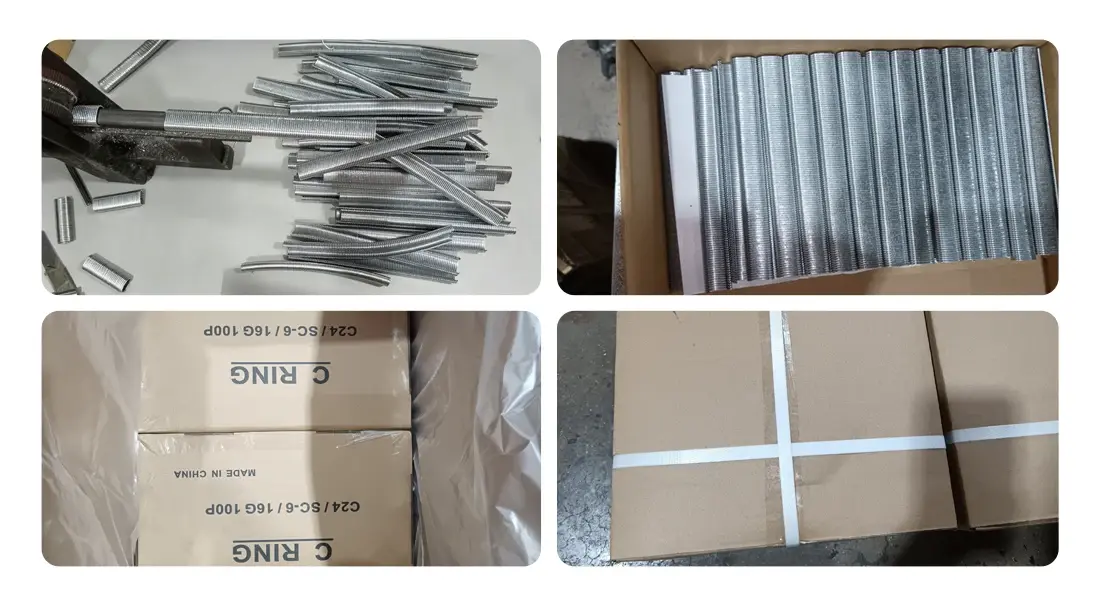
We have steel, zinc-aluminum alloy, and coated C-ring staples, among others. Our goods are made so that their surfaces don't rust, their shapes are flat and smooth, and they don't have any cracks, wrinkles, or other changes in shape. Also, they are made so that they are all one piece and hard to break. Clip staples don't rust because they have an oil film on them. Our C-ring staples don't have any extra glue on them, so they're easy to feed through the tool. Our R&D team helps us think of new goods, and we check the quality of everything, from the raw materials we buy to the stuff that we sell. They check things like how long something lasts, how well it works, and how well it doesn't rust. We can also make something that fits your wants and is the right size if you send us a style.
Lead Time, Inventory, and Logistics from Tianjin
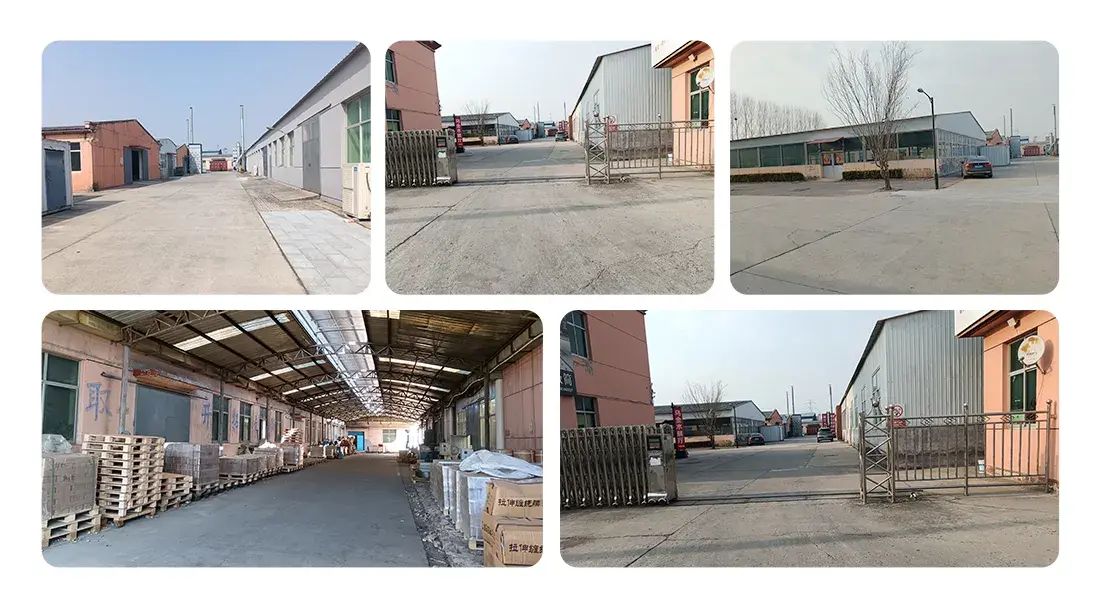
We say it will take 3–5 days to make because we can't wait to get started. People can ask us things, and we'll answer them in three minutes or less. We can send goods to other countries because we are close to Tianjin Port. We use full pallets to keep the goods safe. Since 2015, our production has stayed the same, which is good for people who want to buy from us every year. We often offer better prices and quality to people who buy in bulk from us. We'll come up with a plan that works for you if you tell us your sample, tool model, and annual amount.
Conclusion
They can close pieces more evenly and faster with pneumatic Hog Rings than with hand tools. But the outcome relies on how well the ring size, wire gauge, material, and finish fit the tool and the assembly. Galvanized and zinc-aluminum rings can be used for most things inside and on farms. Once the grade is known, rings made of stainless steel can be used in coastal and corrosive environments. There needs to be a written specification, sample trials, incoming inspection, tool maintenance, and proof that the supplier is in charge of shaping, coating, and packing for bulk sourcing to work. Instead of just looking at the unit price, it's more accurate to look at the total cost per fitted fastener. This includes freight, downtime, and scrap. The line is less likely to stop if fit is put first, then quality, delivery, and cost.
FAQ
What causes Pneumatic Hog Rings to jam?
Most jams happen because the collation width isn't even, there is glue left over, tool parts are worn out, or too much or too little pressure is used. There should be no gaps between the rings, and they should all be the same size. Also, make sure the driver and magazine are clean.
Can I use 15-gauge rings in a 16-gauge tool?
Not at all. You could hurt the driver blade and feed mechanism if you use the wrong gauge. Make sure the ring fits the tool at all times.
Are zinc-aluminum rings better than standard galvanized rings?
In places with a lot of water, zinc-aluminum alloy coatings work better than standard galvanizing most of the time. They can be used to make cages and other things for farming. A good way to check performance is to use salt spray.
Does air pressure affect ring closure?
Yes. If you don't press down hard enough, the wire or tool anvil could get damaged. If you press down too hard, the rings could come loose. Stick to the range that the tool maker tells you to.
Request Pneumatic Hog Rings Samples and a Bulk Quote from TJJZ
Looking for a Pneumatic Hog Rings supplier that answers within 3 minutes? TJJZ ships from near Tianjin Port, quotes a 3–5 day production lead time, and produces from your sample. Send your ring size, material, tool model, and annual volume to userID@jinzhuangfastener.com, or visit jinzhuangfastener.com for details. Our team will prepare a quotation and sample plan for your line.
References
1. ASTM International, ASTM B117: Standard Practice for Operating Salt Spray (Fog) Apparatus, 2019
2. ASTM International, ASTM A641/A641M: Standard Specification for Zinc-Coated (Galvanized) Carbon Steel Wire, 2019
3. National Institute for Occupational Safety and Health, Musculoskeletal Disorders and Workplace Factors, 1997
4. U.S. Department of Energy and Compressed Air Challenge, Improving Compressed Air System Performance: A Sourcebook for Industry, 2003
5. ASM International, ASM Handbook, Volume 13A: Corrosion: Fundamentals, Testing, and Protection, 2003
6. International Organization for Standardization, ISO 9001: Quality Management Systems – Requirements, 2015
Learn about our latest products and discounts through SMS or email