- English
- French
- German
- Portuguese
- Spanish
- Russian
- Japanese
- Korean
- Arabic
- Greek
- German
- Turkish
- Italian
- Danish
- Romanian
- Indonesian
- Czech
- Afrikaans
- Swedish
- Polish
- Basque
- Catalan
- Esperanto
- Hindi
- Lao
- Albanian
- Amharic
- Armenian
- Azerbaijani
- Belarusian
- Bengali
- Bosnian
- Bulgarian
- Cebuano
- Chichewa
- Corsican
- Croatian
- Dutch
- Estonian
- Filipino
- Finnish
- Frisian
- Galician
- Georgian
- Gujarati
- Haitian
- Hausa
- Hawaiian
- Hebrew
- Hmong
- Hungarian
- Icelandic
- Igbo
- Javanese
- Kannada
- Kazakh
- Khmer
- Kurdish
- Kyrgyz
- Latin
- Latvian
- Lithuanian
- Luxembou..
- Macedonian
- Malagasy
- Malay
- Malayalam
- Maltese
- Maori
- Marathi
- Mongolian
- Burmese
- Nepali
- Norwegian
- Pashto
- Persian
- Punjabi
- Serbian
- Sesotho
- Sinhala
- Slovak
- Slovenian
- Somali
- Samoan
- Scots Gaelic
- Shona
- Sindhi
- Sundanese
- Swahili
- Tajik
- Tamil
- Telugu
- Thai
- Ukrainian
- Urdu
- Uzbek
- Vietnamese
- Welsh
- Xhosa
- Yiddish
- Yoruba
- Zulu
What Are C Ring Fasteners Used for in Manufacturing?
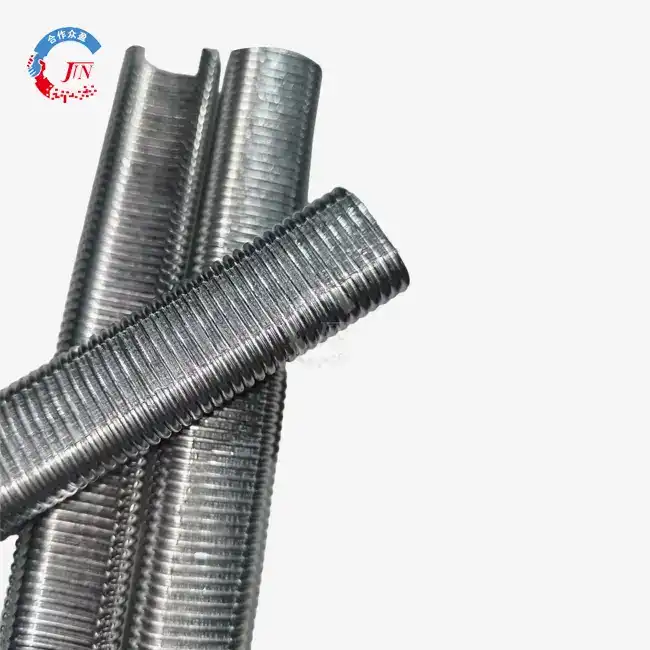
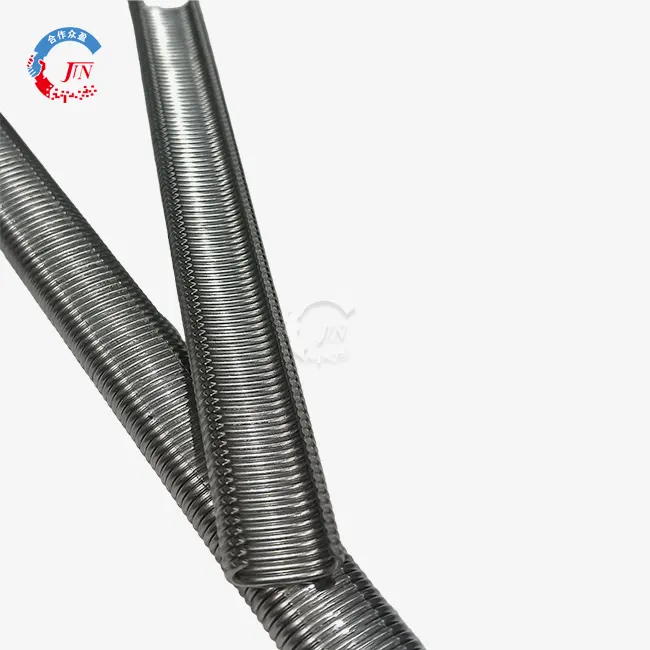
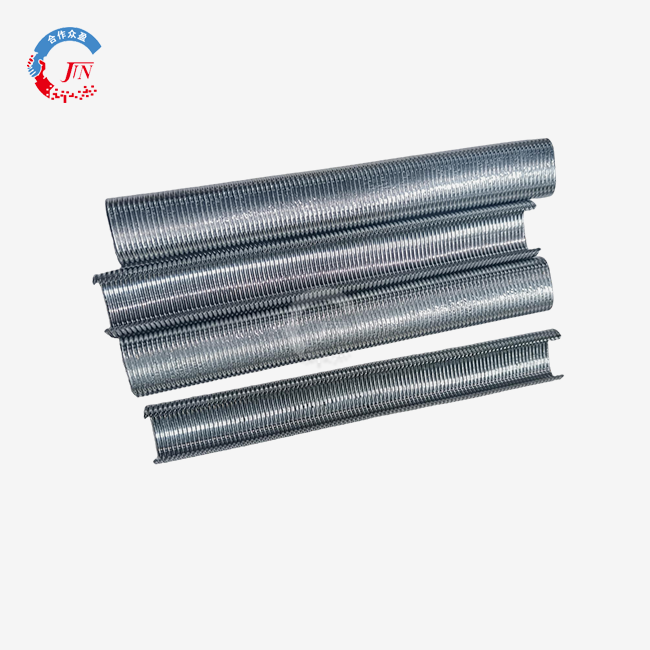
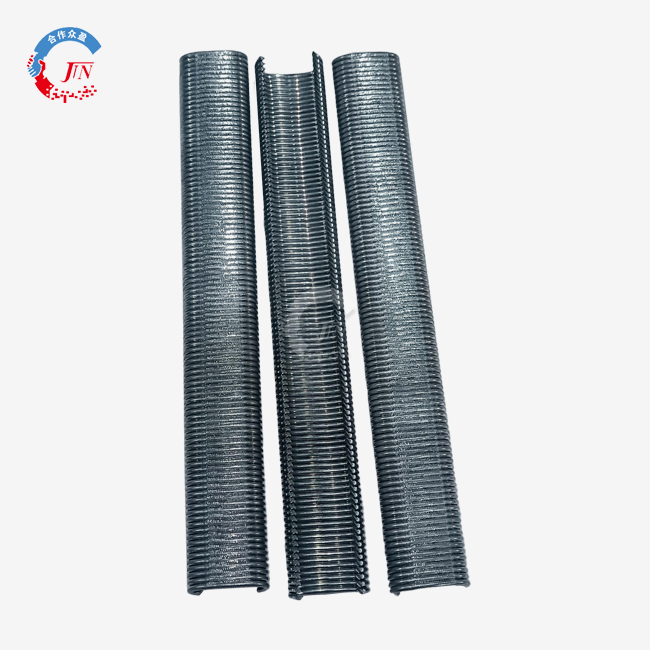
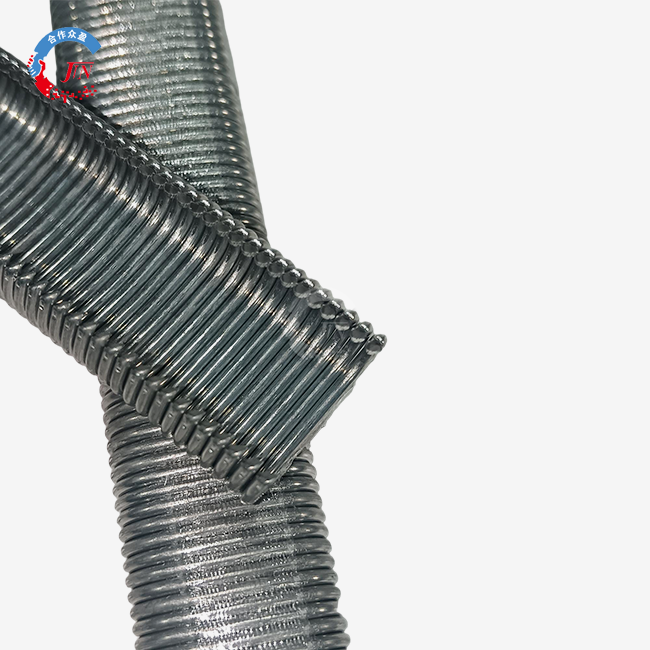
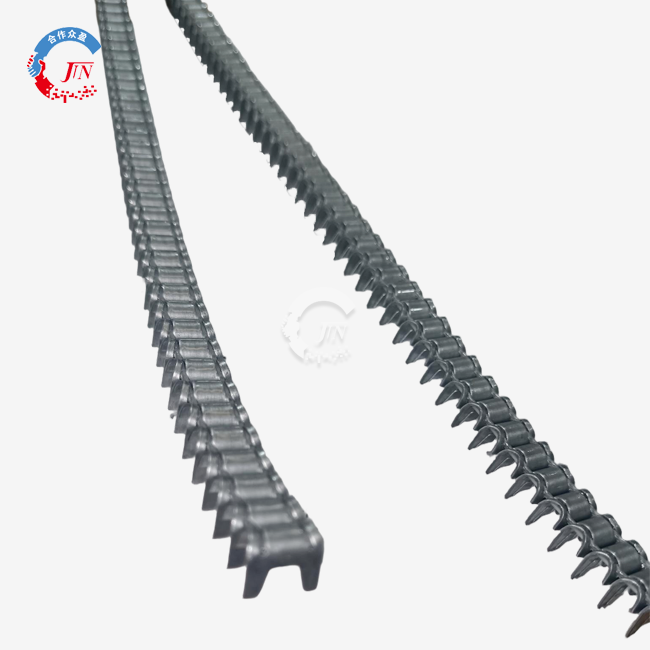
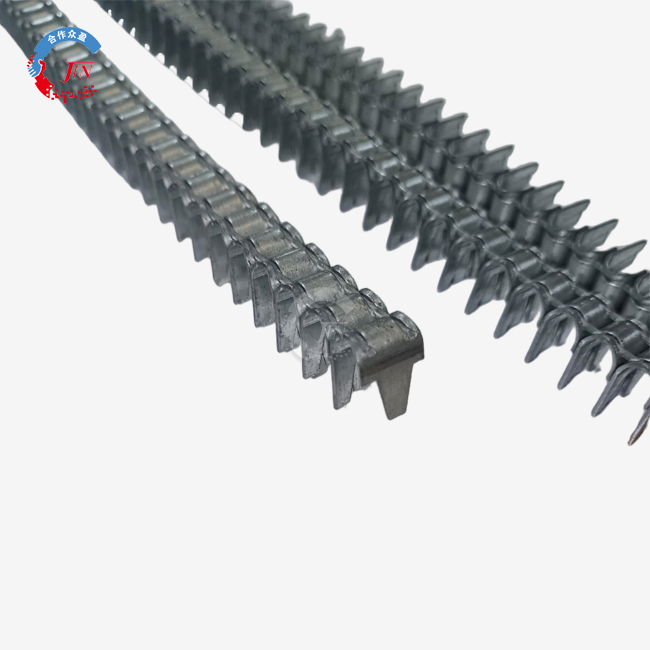
C ring fasteners, also called hog rings or clinch clips, are special wire closures in the shape of an open "C" that are manually crimped into a tight circle link. In factories, these fasteners make it easy to put things together by attaching fabrics, mesh, and wire structures quickly and permanently. Their open design lets them be quickly placed around substrates before pneumatic or manual crimping tools close the loop, creating a strong 360-degree hold that is better than traditional staples in high-vibration and tension-heavy applications like automotive seating, upholstered furniture, mattress assembly, and building agricultural cages.
Understanding C Ring Fasteners: Definition, Types, and Working Principles
What Makes C Ring Fasteners Unique
Instead of relying on the depth of entry alone like regular screws do, C ring fasteners wrap around materials. Think about how a belt fastens through a buckle instead of a nail going through wood. The half-circle shape spreads the weight over a bigger surface area, which lowers the stress levels that can lead to fabric breaking or wires slipping. When assembly tools put pressure on the fastener, the space between its legs closes. This traps the base inside a mechanical interlock that can withstand pullout forces of up to 200 pounds, depending on the wire diameter.
Material Variations and Their Performance Characteristics
To meet the needs of the environment, TJJZ manufacturers make three main types of materials:
Galvanized Steel is the best choice when it comes to price and protection from rust. The zinc coating can handle some moisture, which is common in places like furniture companies and car assembly plants. Our C17 standard has a 16.9mm width profile and a protective oil film covering that keeps it from rusting while it's being stored and keeps it running smoothly through pneumatic tools without getting stuck.
Zinc-Aluminum Alloy makes rows of sorted strips more stable, which keeps them from getting tangled up during fast automatic operations. The alloy makeup is more resistant to corrosion than standard galvanization. This means that the product will last longer in damp places like upholstery shops, where cloth wetness speeds up the oxidation process.
Stainless Steel choices are safe enough for use in food preparation and the sea environment. Galvanic corrosion doesn't happen in Type 304 and 316 grades, so they can be used in saltwater fishing gear or cattle cages where animals are in direct contact with the metal.
How C Ring Fasteners Differ from Alternative Retaining Devices
Snap rings need shafts to have grooves machined into them, which can't be done when connecting cloth to wire frames. E rings need exact adjustment holes and only offer side-to-side support. While circlips are useful for rotating parts, they don't have the compression strength needed for cushion stress. The open-entry form of hog rings gets rid of the need for pre-drilled access points. This lets workers put fasteners anywhere along a wire mesh or spring coil without having to take it apart.
Applications of C Ring Fasteners in Manufacturing Industries
Automotive Seating and Interior Assembly
Dozens of C ring fasteners hold foam seats to wire support rods inside every passenger car seat. Workers on an assembly line use pneumatic hog ring guns to fasten seat covers around surrounding wires at speeds of more than 15 per minute. The closed-loop design keeps the cloth from moving around during the millions of compression cycles that a seat goes through over its lifetime. For projects that need to be as cheap as possible, Tier 1 providers ask for 16-gauge galvanized versions, but luxury names need stainless steel to keep leather from getting rust stains.
Mattress and Bedding Production
The people who make spring mattresses use these fasteners to connect the quilted top panels to the outer border wires and the interior coil springs. Our C17 specification's 8.7mm height is just the right amount of depth to hold two layers of spring wire and cloth without making pressure points that sleepers might feel through padding that isn't comfy. A queen-size mattress usually needs 180 to 220 nails, so a reliable supply chain and feeding that doesn't get stuck are important for keeping production plans.
Furniture Upholstery and Frame Construction
When sofa makers try to attach stretchy fabrics to spiral spring systems, they run into some unique problems. Traditional clips tear delicate fabrics, and glue doesn't hold up when bent over and over again. Instead of having two sharp legs, hog rings spread the stress around the fastener's diameter. This keeps the fabric from getting damaged during the run. These closures are used to connect mesh backrests to metal chair frames. The fastener's vibration resistance stops the squeaking that happens when staples come loose.
Agricultural Equipment and Animal Enclosures
Manufacturers of chicken coops use galvanized nails that can handle animal waste and ammonia to put together wire mesh walls. Each 6-foot piece of the cage needs about 40 closures at the points where the wires meet to keep the mesh from deforming when birds peck at it. Pet cage makers like the installation because it can't be changed—once it's crimped, the clamp can't be pulled open without cutting tools, which keeps animals safe. Suppliers of fishing gear use steel versions for lobster traps and oyster boxes that are buried in saltwater, which is very corrosive.
Advantages and Durability of C Ring Fasteners
Performance Benefits That Reduce Production Costs
The benefits these C ring fasteners offer directly translate to cost savings:
Installation Speed is the main thing that affects the economy. Crimps can be made with pneumatic tools in less than two seconds, while hand-tying wire or adding glue takes eight to twelve seconds. By moving from manual wire-tying methods, a furniture shop with two shifts saves about six hours of work per desk every week.
Vibration Resistance stops threaded fasteners and friction-fit clips from coming loose, which can happen. Test results show that hog rings that are properly placed keep their clamping force after 500,000 vibration cycles at 50Hz frequency, which is about 10 years in car seating use.
Material Flexibility lets the base move without breaking. When you use upholstery fabrics, they stretch, and when the temperature changes, the metal frames get bigger. The fastener's rounded shape lets it stay in place even when the position changes slightly, unlike hard nails that create points where tears can start.
Comparing Galvanized Versus Stainless Steel Durability
When tested with salt spray, different performance patterns are found. After 240 hours of constant exposure, the surface of galvanized fasteners rusts. This is fine for indoor furniture but not for outdoor fences. After 1,000 hours, stainless steel 316-grade models show no corrosion, which is why marine equipment makers are willing to pay an extra 40%. Our zinc-aluminum alloy choice fills in this gap. It is resistant to 500 hours of salt spray and costs only 15% more than galvanized, making it perfect for storing pet cages in damp barns.
Load Capacity and Structural Integrity Standards
Tensile strength is directly related to wire size. According to ASTM F1575 standards, 15-gauge screws can handle 180 pounds of pullout force, while 17-gauge models can handle 120 pounds of pullout force, making them better for lighter upholstery work. Our Tianjin factory uses precise production to keep dimensional tolerances within 0.1mm. This makes sure that the crimping works every time and doesn't fail early because the closing isn't complete or the material splits.
How to Select and Install the Right C Ring Fasteners for Your Manufacturing Needs
Matching Fastener Specifications to Application Requirements
Load analysis is the basis for making the right choice of C ring fasteners. Find out how much tension your system can handle. For example, the static load of mattress cloth is different from the tension that a sofa cushion feels when it hits a spring wire while being sat on. First, divide this force by the number of connection points. Next, choose a wire diameter that is 50% bigger than the load on each fastener.
Installation Best Practices for Consistent Quality
90% of startup mistakes can be avoided by using the right tools. For full closing, pneumatic hog ring tools need 90 to 100 PSI of air pressure. When there isn't enough pressure, holes appear where substrates can move freely. Our fasteners have sharp points that cut through multiple layers of material neatly. However, tools with dull teeth crush the wire instead of shaping it, which makes the joints weak.
Custom Sizing and Bulk Procurement Strategies
TJJZ does sample-based production, which means that our engineering team looks at your current fasteners and either makes replacements that are exactly the same or offers ways to make them better. A mattress maker recently sent us samples that showed the cloth tearing easily. To fix the problem, we suggested raising the width from 14 mm to 16.9 mm, which would spread the pressure over a larger area and stop the damage.
Procuring C Ring Fasteners: Suppliers, Pricing, and Brand Trust
Evaluating Supplier Capabilities and Reliability
Besides price, procurement managers should check three important aspects of a seller of C ring fasteners. Manufacturing stability is important. Factories that have been open since 2015, like TJJZ, have stable quality processes and workers who know what they're doing that new businesses don't have. When production lines suddenly run out of materials, it's important to be able to communicate quickly; sellers who answer questions within three minutes avoid costly downtime.
Understanding Pricing Structures and Value Drivers
The price of steel affects the cost of raw materials, but the speed of production causes bigger price changes. The dimensions of automated wire-forming tools are more accurate than those achieved by hand-bending, and there are fewer jamming failures that waste time and materials. Our precise production process keeps the shape consistency that automatic feeding systems need, which is why our prices are 8–12% higher than those of commodity imports that cause lines to stop working all the time.
Certifications and Quality Assurance Programs
Material testing certifications give you real information about how well a product works, while ISO 9001 recognition shows that quality control systems have been documented. Manufacturing control can be seen in salt spray test results, tensile strength measures, and dimensional inspection records. TJJZ tests batches according to ASTM standards and includes certificates of approval with every package to meet your quality assurance needs without having to pay for extra inspections when the goods arrive.
Conclusion
When choosing the right C ring fasteners for your production setting, you need to think about how long the material will last, how fast it can be installed, and the total cost of ownership. For indoor furniture and car interiors, galvanized choices work reliably, while stainless steel types are necessary for harsh farming and marine environments. TJJZ has been making high-quality Products and keeping a ready inventory since 2015. This way, your production lines won't have to deal with the expensive downtime that comes from using bad screws that get stuck, don't close properly, or rust before they're supposed to. Procurement teams make sure that fasteners work reliably by matching wire size to load needs and working with suppliers who can respond quickly and offer technical support. This helps them meet their output and quality goals for assemblies.
FAQ
What distinguishes hog rings from standard staples in upholstery work?
Staples work by putting two sharp legs through surfaces and concentrating stress at puncture places that tear fabrics when they are under strain. Hog rings wrap around materials in a closed loop, spreading force around the fastener's diameter to keep the fabric from ripping while still letting it move while it's being used.
Can these fasteners be reused after removal?
Crimping forever changes the shape of the wire, which gets rid of the spring tension that is needed for a safe reconnection. Trying to reuse makes links that are weak and likely to break. Replacement costs are about $0.02 to $0.08 per bolt, which isn't much when you compare them to guarantee costs when a product fails.
How does galvanization thickness affect corrosion resistance?
Rust-free service life is proportionately longer for heavier zinc coats. In climate-controlled buildings, our normal galvanized finish protects for 18 to 24 months. When exposed to the elements outside, this time decreases to 6 to 8 months before surface rust shows up. However, the structure stays strong for another 2 to 3 years.
Which wire gauge works best for an automotive seat assembly?
Most car specs call for 16-gauge bolts, which have a 180-pound pullout resistance and can handle crash hits and seatbelt tensioning forces. Sometimes, high-end makers ask for 15-gauge for extra safety in high-stress attachment places.
Partner with TJJZ for Reliable C Ring Fastener Supply
TJJZ makes precision-manufactured hog rings that are resistant to rust, work consistently, and feed without jams. These rings are the fastening solutions your production lines need. Our ready-to-ship inventory and custom production wait times of 3–5 days keep assembly processes from being stopped by supply problems. We've been making C ring fasteners since 2015 and offer reasonable prices on large orders. We also offer technical help to make sure that the specs fit your needs, and our customer service team responds quickly to questions. Contact our team at userID@jinzhuangfastener.com about your fixing problems and ask for samples that show the quality difference that precision manufacturing makes for putting together mattresses, furniture, cars, and farm equipment.
References
1. Johnson, M. & Williams, R. (2021). Industrial Fastening Systems: Design, Selection, and Application. Manufacturing Technology Press.
2. American Society for Testing and Materials. (2022). ASTM F1575 Standard Test Methods for Determining Performance of Fasteners Used in Soft Body Armor. ASTM International.
3. Chen, L. (2020). "Comparative Analysis of Mechanical Fastening Methods in Automotive Upholstery." Journal of Manufacturing Processes, 58, 342-351.
4. Davis, K. (2023). Corrosion Prevention in Metal Fasteners: Material Selection and Surface Treatment. Industrial Engineering Publishers.
5. National Association of Furniture Manufacturers. (2022). Best Practices Guide for Upholstery Fastening Systems. NAFM Technical Standards Committee.
6. Thompson, P. & Garcia, S. (2021). "Load Distribution Analysis of Ring-Type Fasteners in Tension Applications." International Journal of Mechanical Engineering, 45(3), 278-289.
Learn about our latest products and discounts through SMS or email