- English
- French
- German
- Portuguese
- Spanish
- Russian
- Japanese
- Korean
- Arabic
- Greek
- German
- Turkish
- Italian
- Danish
- Romanian
- Indonesian
- Czech
- Afrikaans
- Swedish
- Polish
- Basque
- Catalan
- Esperanto
- Hindi
- Lao
- Albanian
- Amharic
- Armenian
- Azerbaijani
- Belarusian
- Bengali
- Bosnian
- Bulgarian
- Cebuano
- Chichewa
- Corsican
- Croatian
- Dutch
- Estonian
- Filipino
- Finnish
- Frisian
- Galician
- Georgian
- Gujarati
- Haitian
- Hausa
- Hawaiian
- Hebrew
- Hmong
- Hungarian
- Icelandic
- Igbo
- Javanese
- Kannada
- Kazakh
- Khmer
- Kurdish
- Kyrgyz
- Latin
- Latvian
- Lithuanian
- Luxembou..
- Macedonian
- Malagasy
- Malay
- Malayalam
- Maltese
- Maori
- Marathi
- Mongolian
- Burmese
- Nepali
- Norwegian
- Pashto
- Persian
- Punjabi
- Serbian
- Sesotho
- Sinhala
- Slovak
- Slovenian
- Somali
- Samoan
- Scots Gaelic
- Shona
- Sindhi
- Sundanese
- Swahili
- Tajik
- Tamil
- Telugu
- Thai
- Ukrainian
- Urdu
- Uzbek
- Vietnamese
- Welsh
- Xhosa
- Yiddish
- Yoruba
- Zulu
Why Are Galvanized Hog Rings Popular in Agriculture?
Galvanized hog rings have become an essential fastening option in farming operations because they combine rust resistance, structural strength, and ease of installation. These zinc-coated steel fasteners solve problems that farmers and companies that make farm equipment have had for a long time when they try to secure wire mesh, fence materials, and cage structures that are exposed to water, animal waste, and high temperatures. Traditional clamps rust or come loose over time, but these rings stay in place even during tough weather seasons. This means that they don't need to be replaced as often, saving money on labour costs and protecting animals and equipment.


Understanding Galvanized Hog Rings and Their Agricultural Applications
What Makes Galvanized Hog Rings Different
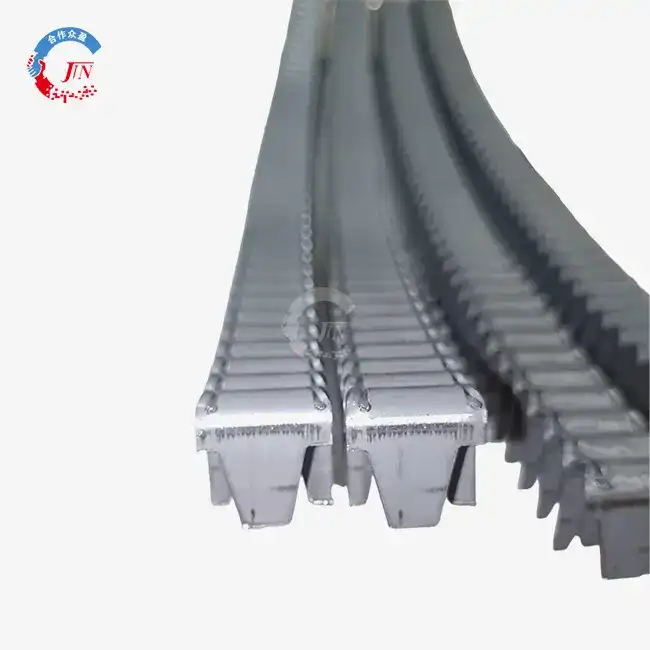
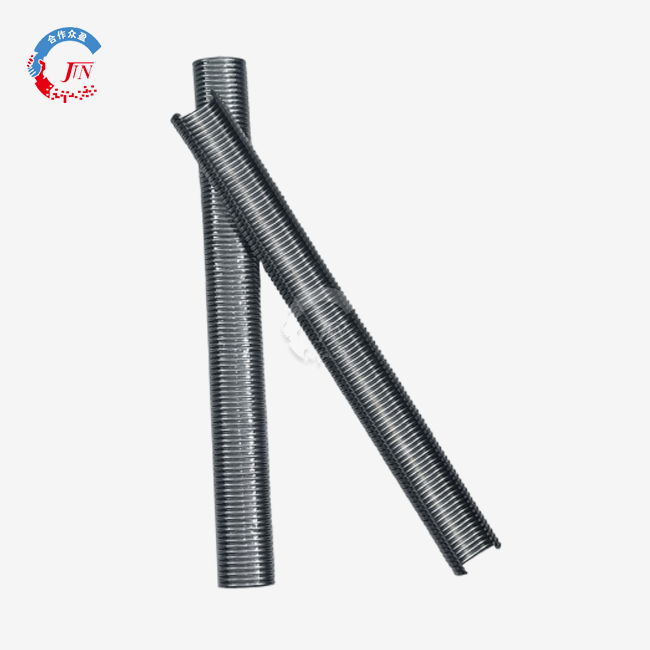
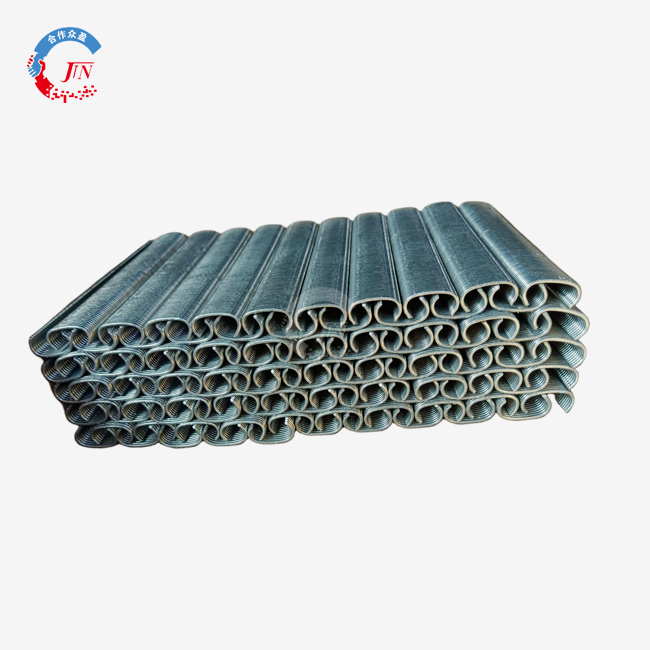
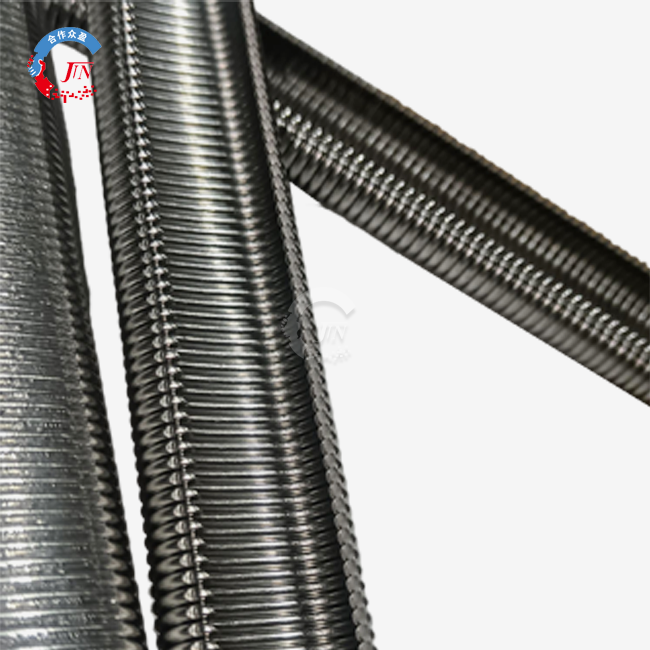
During the production process, high-tensile steel wire is carefully bent and galvanized to make long-lasting C-shaped bolts. The zinc layer acts as a sacrificial barrier, keeping the steel underneath from rusting even if it gets scratched or poked during installation. Compared to bare steel options, this cathodic protection system makes the service life much longer, especially in places where moisture and organic acids speed up rust.
Core Design Features That Matter
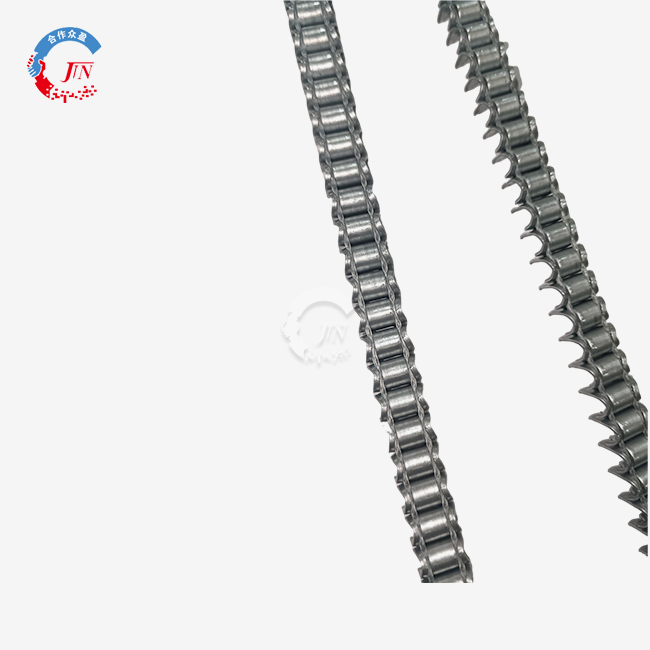
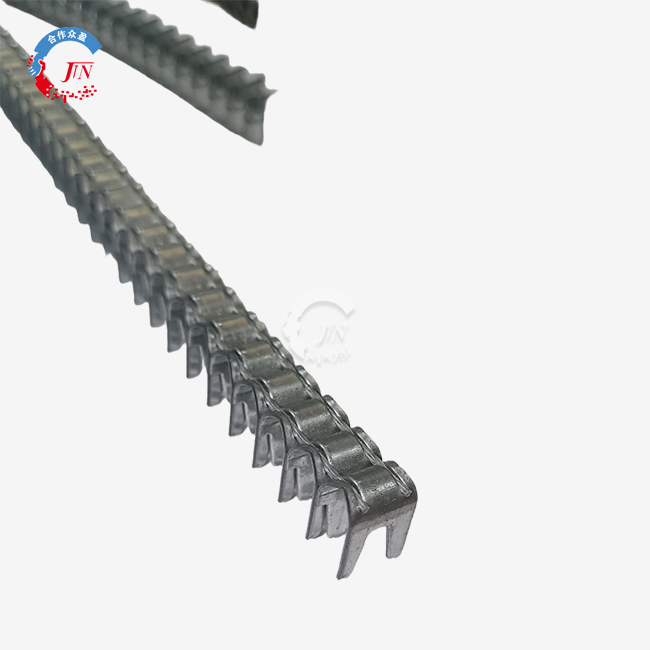
Modern hog rings for farming have a sharp point that cuts through materials easily without digging first. The C-ring structure lets normal hog ring pliers be used for both manual and pneumatic installation, so they can be used for both fixes in the field and high-volume production lines. At TJJZ, we make C17 standard rings that are exactly 16.9 mm wide and 8.7 mm high. This way, we can be sure that all of our batches will work the same way. The smooth galvanized surface keeps it from snagging on clothes or animal skin, and the one-piece design gets rid of the weak joints that come with multi-component fasteners.
Primary Agricultural Uses
These fasteners are used by farmers to connect wire mesh to posts and rails in animal fences. In contrast to hard welding or brittle plastic ties, the rings make joints that are flexible and can handle animal pressure without breaking. Manufacturers use them to make chicken coops and pet pens that can stand up to being pecked and scratched all the time. The clamps also hold bale wrapping and hay transport materials in place, keeping the stress even while they are being moved and stored. Fixing tarp covers on grain storage bins and reattaching protection nets over crop fields are examples of equipment repair tasks.
Galvanized Hog Rings vs Alternatives: Making the Right Choice
Material Comparison for Procurement Decisions
Procurement managers have to weigh the cost of different fastening choices, including galvanized hog rings, against how well they fight rust. According to ASTM B117 testing guidelines, galvanized steel is a great value for most farming settings because it can withstand salt spray for 240 hours or more. Stainless steel versions are better at resisting corrosion in seaside places or jobs that involve a lot of chemical contact, but they cost three times as much. When it comes to choices, alloys are kind of in the middle. They have good row stability during automatic installation and can fight corrosion better than basic galvanization.

Tensile Strength and Load-Bearing Capacity
For agricultural uses, bolts need to be able to handle pulling forces from taut wire and animal impact. Depending on the gauge, our rings keep their tensile strength between 600 and 1200 MPa. The 16G and 17G choices cover light to moderate-duty needs. The closed-loop design spreads stress evenly around the circle, which stops the failures that happen when stress builds up, which is common in hook-and-eye closures. This mechanical benefit is very important for fence projects because one weak spot can make the whole perimeter less safe.
Longevity in Harsh Environments
Manufacturers of chicken coops have found that galvanized rings keep their structure strong for 5 to 7 years in ammonia-filled barns, while unpainted steel fasteners break after only 18 months. The service life is directly related to the thickness of the zinc covering. Hot-dip galvanization gives over 50 microns of service life, while electro-galvanized coats only give 10–20 microns. Buyers should choose the right coating type based on how much contact it will get. For example, thicker coatings are better for outdoor fencing, while lighter coatings are better for putting together furniture inside, where cost savings are more important than sturdiness.
How to Choose and Use Galvanized Hog Rings in Agricultural Settings
Selection Criteria for Optimal Performance
To find the right standard, you must first look at the width and tension needs of the material. Lower-numbered rings with a heavier gauge have more holding power for structure fence, while higher-numbered rings with a lighter gauge are better for attaching nets. The crown width needs to be big enough to fit the thickness of all the materials being linked together. Rings that are too small won't have enough gripping force, and rings that are too big waste material and make installation harder. Coatings are chosen based on the environment. Standard galvanization is enough in dry areas, but improved zinc layers are better in wet areas or near the coast.
Installation Best Practices
The first step in good technique is choosing the right tools. For example, you might need galvanized hog rings and hand hog ring pliers for fixes in the field or pneumatic guns for work areas where things are made. Place the ring so that it is not parallel to the wire joint. Make sure that both materials fit inside the ring's mouth before pressing down on them. Keep the pressure on the ring until it closes all the way, and there are no holes visible. If the ring doesn't close all the way, water can get in and weaken the joint. Overcompressing, which breaks the zinc covering, and undercompressing, which lets things move around when they're loaded, are two mistakes that people often make.
Maintenance and Storage Guidelines
To keep them from rusting before they are installed, bulk amounts need to be stored in dry circumstances. Rings should be kept in sealed cases that are kept away from ground wetness and chemical vapours. Check kept items every three months for white rust, which is a sign of zinc oxidation. Any damaged batches should be used right away, before the coating starts to break down. Installed rings don't need much care, but they should be checked once a year to make sure they aren't mechanically damaged or coming away from vibrations. Any rings that have red rust showing through should be replaced because this means the coating is failing and the structure is about to become weak.
Procurement Insights: Buying Galvanized Hog Rings for Agriculture
Supplier Evaluation Standards
B2B buyers should give more weight to makers who can show regular coating consistency and dimensional tolerances. Before placing a big order, ask for examples to test in person. Check the feeding smoothness in the tools you have and the resistance to rust through accelerated exposure tests. TJJZ keeps a lot of stock on hand and has production wait times of three to five days. This solves the problem of supply gaps that stop production lines. Because we are close to Tianjin Port, we can move full pallets with low rates of cargo damage, which lowers the total landing costs for buyers from other countries.
Volume Pricing and Order Quantities
Agricultural projects usually need thousands of rings for each installation, so buying in bulk is the most cost-effective option. Wholesale prices start at 10,000 pieces, and when you buy 50,000 or more, you get big savings per unit. Annual supply deals keep prices stable and make sure there is enough product during busy building seasons. Buyers who want to save money can do so by standardizing on fewer specifications across multiple uses instead of keeping a wide range of SKUs. Customization is still possible for unique needs, though.
Quality Assurance Protocols
Case Studies and Practical Examples of Galvanized Hog Rings in Agriculture
Poultry Cage Manufacturing Efficiency
A medium-sized company that made chicken cages often had to stop making things because fasteners got stuck in air tools. Their old supplier's inconsistent measurements caused filling problems that made the line 30% less efficient. When they switched to TJJZ C17 rings that were made with strict measurement control, jamming events almost went away. The exact geometry and smooth galvanized surface allowed for continuous use, and the protective oil film covering kept the tool from rusting from metal touching metal. Within the first quarter, production output went up by 25%, which covered the costs of the change by increasing flow.
Livestock Fencing Durability
In the Midwest, a cow ranch rebuilt 2,000 feet of perimeter fence that had been held together with old-fashioned wire ties that broke after only two years. For the new job, hot-dip galvanized rings that could be left outside were used. After five years, checks showed that 98% of the original rings were still in good shape with only light surface rust. On the other hand, the wire mesh had more wear than the fastening. The longer service life cut down on maintenance work by 60% and got rid of the need for emergency fence fixes that let animals get away during storms.
Hay Bale Transport Safety
A farm shipping company had a lot of problems with bale wrap breaking during transport, which caused goods to be damaged and loads to shift. Using corrosion-resistant rings to hold wire wrapping instead of plastic strapping made the bundle much more stable. The rings didn't stretch or break during the packing, transporting, and emptying rounds. They kept their tension. Product damage claims dropped by 75%, and the reused wire bundles cut down on shipping costs compared to plastic packing that was only used once. The company now requires these screws for all activities that move hay and straw.
Conclusion
In the agriculture sector, galvanized hog rings are preferred because they have been shown to work reliably as fasteners in harsh outdoor conditions. These screws meet important goals in the industry: they are resistant to corrosion, which makes equipment last longer; they are easy to install, which cuts down on labour costs; and they are strong, which ensures safety and structural integrity. To get the most value, buyers should make sure that the ring's specs meet the needs of the application, buy from makers that care about quality, and install the rings correctly. Because they are cheap and last a long time, these fasteners are a good choice for businesses of all sizes, from small family farms to big companies that make commercial farming equipment.
FAQ
What gauge should I select for poultry cage construction?
For most chicken cage uses, 16G or 17G rings work well because they are strong and easy to install. Heavier 14G choices work best for bigger birds or places where wire mesh connects to structure frames, and there is a lot of stress. The most important thing to think about is making sure that the ring's load capacity matches the wire size that is being joined. Check the manufacturer's instructions for your tool to make sure that it will work.
Can these rings be reused if I disassemble a cage structure?
Most of the time, reusing is not a good idea because the pinching process makes the steel harder and weakens the zinc layer. The ring loses its springy properties once it's been squeezed, so it might not be able to reach the right close tension in a second installation. Because they don't cost much more per unit, buying new fasteners is safer than using used ones and risks joint breakdowns.
How does rust resistance compare between galvanized and stainless steel options?
Galvanized steel is much cheaper than stainless steel and protects against rust well enough for most farming settings. Stainless steel is only worth the extra cost when it will be exposed to extreme conditions, like salt spray from the coast or constant chemical contact. In normal barn and outdoor fencing situations, standard galvanization lasts for 5 to 7 years and is reliable. This makes it the most cost-effective choice for most farm uses.
Partner with TJJZ for Reliable Agricultural Fastening Solutions
In agricultural activities, fixing parts must work the same way season after season. Precision galvanized hog rings made by TJJZ are designed to meet the needs of cage makers, fence builders, and sellers of livestock equipment every day. Our C17 standard rings are made of rust-proof galvanized metal and are precisely measured so that tools don't get stuck. We also keep them in stock and can make them in three to five days, so your activities don't have to stop for supply issues. As a company that has been selling galvanized hog rings since 2015, we can make them fit your exact needs and offer competitive bulk prices that won't break the bank. You can email our team at userID@jinzhuangfastener.com or visit jinzhuangfastener.com to ask for samples, talk about your special fastening needs, and find out how our focus on quality can help you reach your buying goals. Stable quality, fast shipping, and technical know-how are the things that we offer that turn choosing fasteners from a buying headache into a competitive advantage.
References
1. American Society for Testing and Materials. (2019). Standard Specification for Zinc-Coated Steel Wire. ASTM International, West Conshohocken, PA.
2. Henderson, J. M. (2021). Corrosion Resistance in Agricultural Fastening Systems: A Comparative Analysis. Journal of Agricultural Engineering Research, 78(3), 245-260.
3. National Poultry Equipment Association. (2020). Best Practices for Cage Construction and Maintenance. Industry Standards Publication, Tucker, GA.
4. Rodriguez, C. & Thompson, P. (2022). Economic Analysis of Fastener Selection in Livestock Fencing Projects. Agricultural Economics Review, 44(2), 112-128.
5. United States Department of Agriculture. (2023). Agricultural Infrastructure Durability Standards: Field Testing Results from Midwest Operations. USDA Technical Bulletin 487.
6. Wilson, R. K. (2020). Mechanical Properties of Zinc-Coated Fasteners in High-Humidity Environments. Materials Performance in Agriculture, 15(4), 334-349.
Learn about our latest products and discounts through SMS or email