- English
- French
- German
- Portuguese
- Spanish
- Russian
- Japanese
- Korean
- Arabic
- Greek
- German
- Turkish
- Italian
- Danish
- Romanian
- Indonesian
- Czech
- Afrikaans
- Swedish
- Polish
- Basque
- Catalan
- Esperanto
- Hindi
- Lao
- Albanian
- Amharic
- Armenian
- Azerbaijani
- Belarusian
- Bengali
- Bosnian
- Bulgarian
- Cebuano
- Chichewa
- Corsican
- Croatian
- Dutch
- Estonian
- Filipino
- Finnish
- Frisian
- Galician
- Georgian
- Gujarati
- Haitian
- Hausa
- Hawaiian
- Hebrew
- Hmong
- Hungarian
- Icelandic
- Igbo
- Javanese
- Kannada
- Kazakh
- Khmer
- Kurdish
- Kyrgyz
- Latin
- Latvian
- Lithuanian
- Luxembou..
- Macedonian
- Malagasy
- Malay
- Malayalam
- Maltese
- Maori
- Marathi
- Mongolian
- Burmese
- Nepali
- Norwegian
- Pashto
- Persian
- Punjabi
- Serbian
- Sesotho
- Sinhala
- Slovak
- Slovenian
- Somali
- Samoan
- Scots Gaelic
- Shona
- Sindhi
- Sundanese
- Swahili
- Tajik
- Tamil
- Telugu
- Thai
- Ukrainian
- Urdu
- Uzbek
- Vietnamese
- Welsh
- Xhosa
- Yiddish
- Yoruba
- Zulu
Why Galvanized Hog Rings Remain an Industry Standard
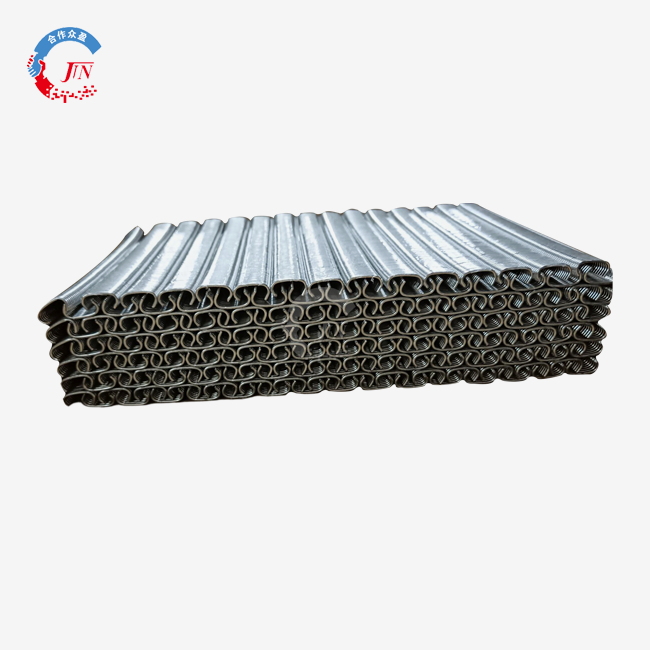
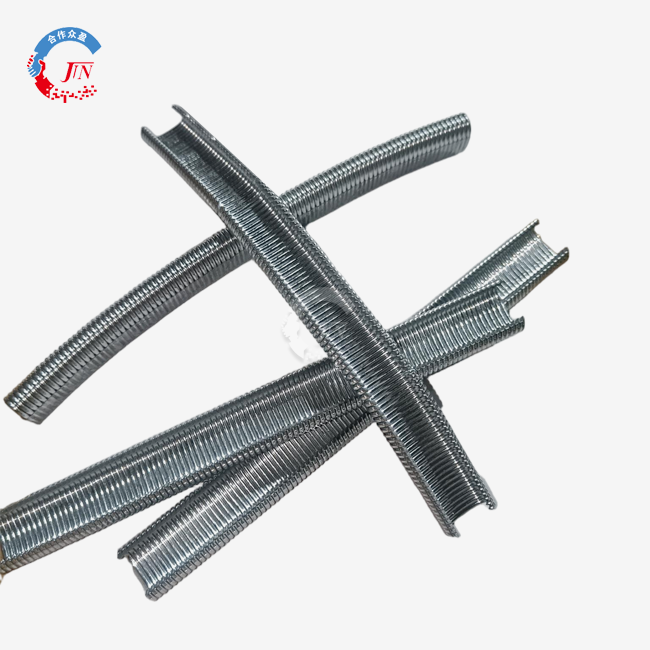
Galvanized hog rings have earned their place as a go-to fastening solution across dozens of manufacturing sectors—and for good reason. These C-shaped metal rings, coated with a protective zinc layer, deliver reliable corrosion resistance, consistent clamping force, and broad tool compatibility at a price point that makes high-volume production practical. From mattress spring assembly to poultry cage construction, procurement managers keep specifying them because they work predictably, ship quickly, and hold up in demanding environments where cheaper alternatives fail within months.
Understanding Galvanized Hog Rings: Key Features and Applications
What They Are and How They Are Made
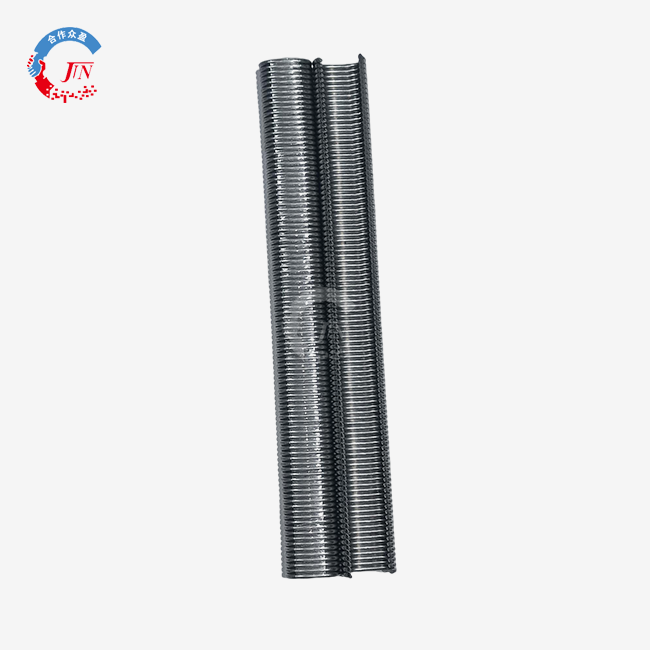
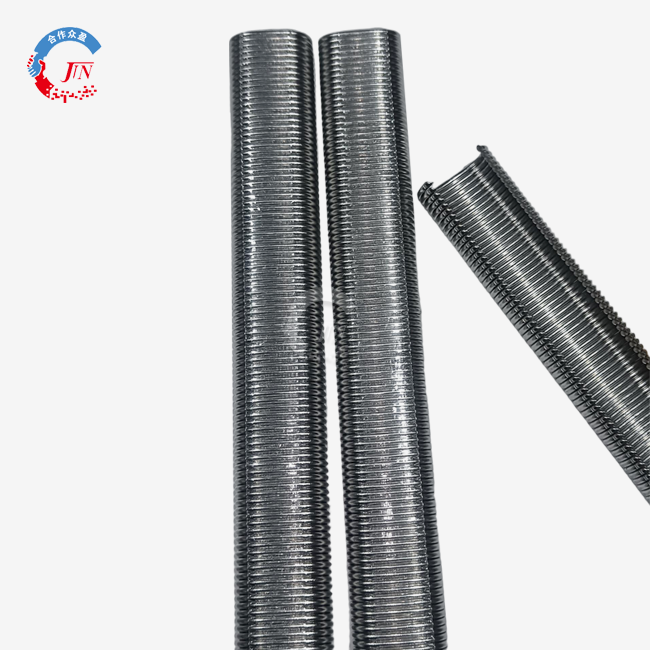
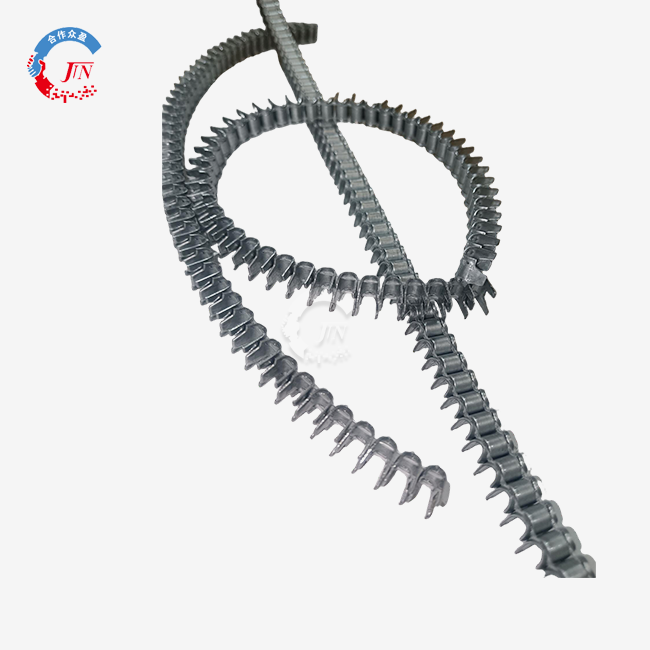
A galvanized hog ring is a C-shaped wire fastener made from high-tensile steel wire that has a zinc coating added to it. This coating can be electro-galvanized for a smooth finish inside or hot-dip galvanized for a thicker barrier for use outside. Once hog ring pliers or a vacuum tool are used to crimp the ring, it turns into a tight loop that holds two materials together for good. ASTM A641/A641M says that the zinc coating must weigh at least a certain amount per square meter in order to guarantee the service life that was planned.
Sizes, Gauges, and Specifications
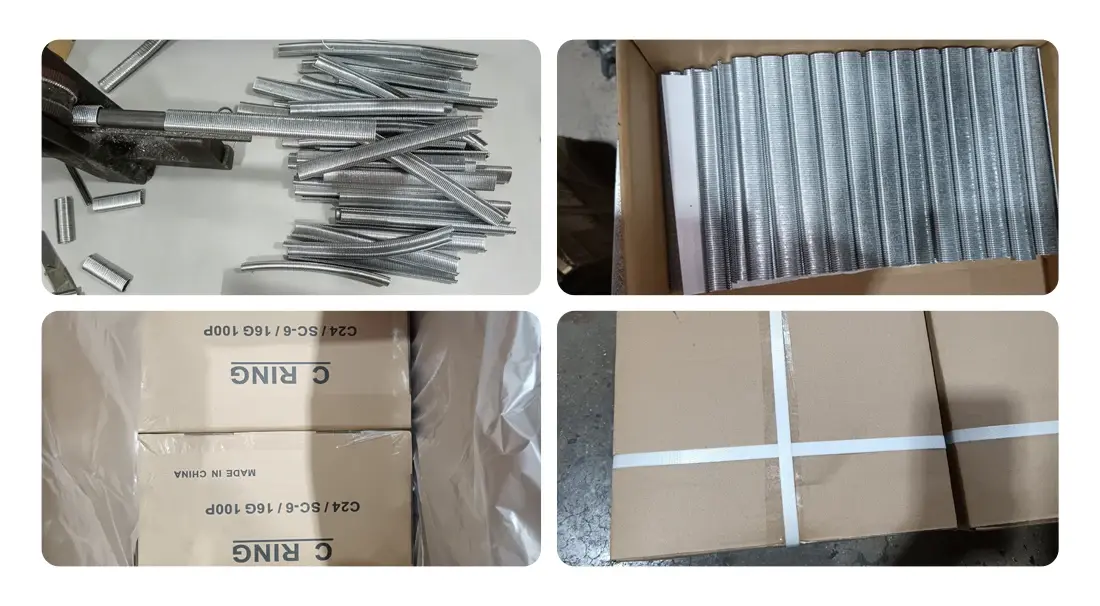
TJJZ makes C17 standard rings that are 16.9 mm wide and 8.7 mm tall. They come in 1/2" and 3/4" sizes and 16G and 17G wire gauges. These measurements are good for most industrial uses, like reupholstering furniture, putting together spring mattresses, building cages, and fixing car seats, and they don't need any special machine changes.
Real-World Application Breadth
A lot of different things can be used to make zinc-coated C-rings useful. In mattress companies, they are used on production lines to connect spring units to layers of fabric. They are used by sofa makers to attach the upholstery. People who make chicken cages depend on them for mesh-point connections that can handle animal waste and humidity. Automotive Tier 1 suppliers use them to attach seat cushions and frames inside cars, where shaking resistance is a must.
Comparing Galvanized Hog Rings with Other Materials: Making the Right Choice
Galvanized vs. Stainless Steel Rings
Stainless steel rings protect against corrosion better in marine or chemically harsh environments, but they usually cost three to five times more per unit than galvanized rings. Electro-galvanized steel protects against rust well enough for most indoor furniture, mattresses, and normal cages. It also passes the ASTM B117 salt spray test after 72 to 240 hours, which makes it the cost-effective choice for large buyers.
Galvanized vs. Black (Untreated) Steel Rings
Black steel rings don't have any kind of protective layer on them. Oxidation starts within weeks in any place with humidity above 60%. That risk is taken away by galvanized hog rings, where the zinc layer works as a sacrificial anode and corrodes faster than the base metal. When fasteners rust, production managers get a lot of warranty claims. One of the fastest ways to cut down on product returns is to switch from black steel to galvanized steel.
Galvanized vs. Plastic Clip Options
Metal rings are stronger and don't move around as much as plastic fasteners, but they can be used to close very light-duty fabrics. Plastic bends when it is loaded, like in car seat assemblies or structural cage panels. Galvanized wire bands keep their shape and gripping force even when they are under constant kinetic stress. This is a benefit that plastic can't match in industrial settings.
How to Effectively Use Galvanized Hog Rings in Your Projects?
Choosing the Right Tool and Ring Combination
Before placing a bulk order, the first thing to check is that the tools will work together. TJJZ rings are made to fit normal hog ring tools and hog ring guns that use air pressure. The C17 specification fits common magazine profiles, but before placing an order, make sure that the ring geometry (C-type, D-type, and M-type rings cannot be switched) matches the jaw profile of the tool. A mismatch leads to problems with feeding and wastes time during production.
Installation Steps for Consistent Results
Precision sharp-point design on TJJZ rings speeds up entry and keeps installers from getting tired during hand installation. For pneumatic fitting, make sure the air pressure in the tool stays within the range suggested by the manufacturer, which is usually 70 to 100 PSI. If it goes above that, the ring could break at the joint. Before running the whole batch, make sure the rings in the magazine are in the right order, do a test crimp on some scrap material, and check the closed loop to make sure it's completely closed.
Maintenance and Inspection Practices
After they are put in place, checking the ring joints visually on a regular basis in places with a lot of humidity or outside can help find surface oxidation early on before it spreads. Every six months, check the connection points in chicken coops or outdoor fences that get wet or ammonia-filled, and replace any rings that show through-rust. Keeping rings that aren't being used in a dry, covered container stops the zinc from breaking down before they even get to the production floor.
Procurement Insights: Buying Galvanized Hog Rings Smartly and Efficiently
Evaluating a Reliable Galvanized Hog Ring Supplier
When looking for a galvanized hog rings maker for large orders, the most important things to look at are stability in dimensions, corrosion test results, and a history of on-time deliveries. Ask for test reports that were done with salt spray and micrometers to confirm the wire diameter and crown width. If your suppliers can't give you these papers, your production line could get stuck, or your warranty could be voided.
Before you sign a supply deal, you should check these main source factors:
- Dimensional control: Wire diameter and crown width must stay within tight tolerances to prevent pneumatic tool jams. TJJZ enforces strict dimensional checks at every production stage.
- Coating integrity: The zinc layer must not flake during crimping. TJJZ rings carry an oil-film protection on clip staples and adhesive-free surfaces on C-rings, ensuring smooth, clean feeding every cycle.
- Inventory depth and lead time: TJJZ has maintained stable production since 2015 with ready stock and a 3–5 day production lead time, keeping supply lines from stalling.
These things have a direct effect on whether your production line stays on plan or has to deal with costly delays.
Pricing, MOQ, and Logistics
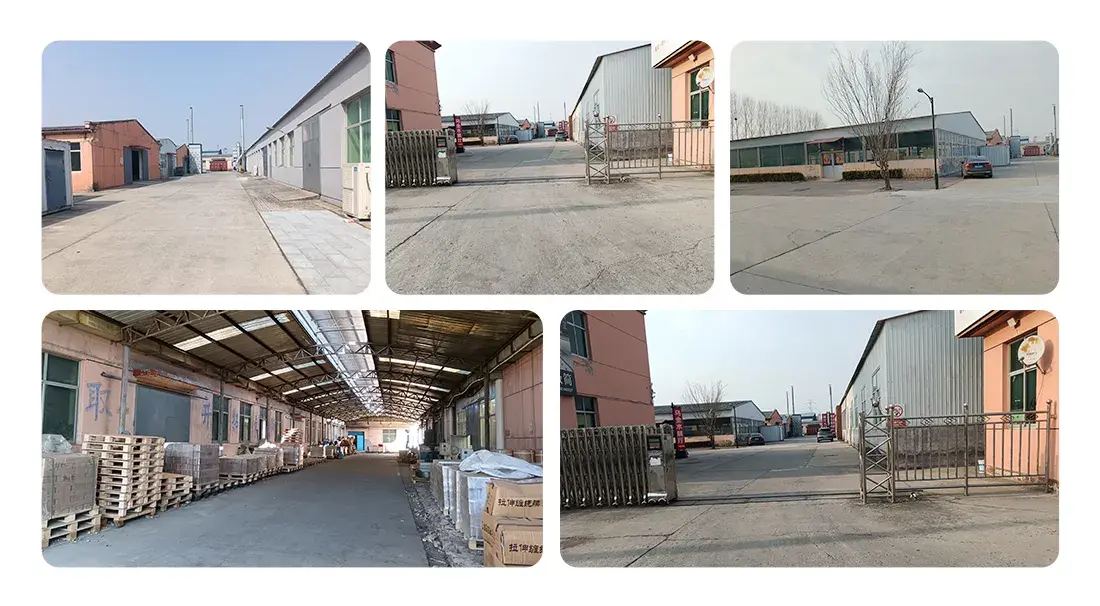
Bulk pricing for C-rings works better for larger orders, which is good for companies that make mattresses, furniture, and cages that buy a lot of them. Because TJJZ is close to Tianjin Port, it can handle full-pallet transportation with low rates of cargo damage. This helps U.S. importers get more stable landed costs. We accept OEM and ODM orders with unique coatings, wire gauges, or packing. Sample production is available before committing to a full run.
Why Galvanized Hog Rings Continue to be the Industry Standard?
Proven Performance Across Decades
Zinc-coated C-rings are still preferred in the furniture, automotive, farming, and fencing industries because they have a history of delivering results that can be measured. Tensile strength (600–1200 MPa based on gauge), cathodic zinc protection, and mechanical ease have all made this fastening method last longer in real production settings than most others that have come out in the last 20 years.
Quality Assurance That Procurement Teams Can Verify
The people in charge of procurement like things they can test. TJJZ's quality control method checks four things that can be seen and measured: resistance to salt spray, coating adhesion during crimping, uniformity of dimensions using micrometers, and tensile strength when tool jaws are pressed on it. Before being shipped, each batch goes through this process. This way, QA managers at receiving sites don't have to rely on what the seller says to decide whether to accept or reject a batch.
Adaptability to Industry-Specific Requirements
Different places of production need different requirements. TJJZ offers three types of materials: galvanized steel, which is a good mix between price and performance; zinc-aluminum alloy, which makes rows more stable and resists rust; and stainless steel, which is best for chemical or sea conditions that are very harsh. With this range, buyers in the furniture, agriculture, and auto industries can standardize their relationships with suppliers without sacrificing performance for specific uses.
Conclusion
Galvanized hog rings have stayed the standard in the industry because they solve real production problems consistently and at a price that makes sense. Their zinc coating keeps them from rusting, their C-ring shape makes it easy to crimp them with standard tools, and their precise measurements keep automated lines from getting stuck in the middle of a feed. The right ring specification is important whether your factory makes spring mattresses, upholstered furniture, car seats, or chicken coops. It keeps production going and the Products lasting. In all fields, real-world proof points to the same conclusion: zinc-coated wire rings are still the best way to go when you need to fasten something that needs to be durable, quick, and cheap.
FAQ
What is the difference between electro-galvanized and hot-dip galvanized hog rings?
Electro-galvanized rings have a zinc layer that is thinner and smoother, making them better for indoor uses like furniture upholstery. Hot-dip galvanized rings have a coating that is more than 50 microns thick. This means that they can be used outside, in agriculture, or in places with a lot of moisture where corrosion resistance needs to be extended.
Why do some zinc-coated rings show rust at the cut ends?
During the cutting process, the wire tips become bare steel. On the other hand, the zinc around it acts as cathodic protection, which means it corrodes faster than the base metal. This makes the oxidation process go much more slowly at the exposed point and doesn't mean that the coating has failed all the way around the ring body.
How do I select the correct gauge for my application?
Wire with a lower gauge number is thicker. Rings made of 9-gauge steel can hold heavy structural fencing and gabion baskets. 16G and 17G rings, like TJJZ's C17 design, are common for building cages, putting together mattress springs, and padding where smaller clamping is enough.
Can I use galvanized rings with stainless steel mesh?
This combination is usually not a good idea. When you put two different metals together with water, you make a galvanic cell, which speeds up the rusting of the less valuable metal. If you can, try to match the bolt material to the net material.
What causes tool jamming, and how can I prevent it?
When rings have uneven crown widths or wire sizes, they often get jammed. Every output batch at TJJZ is checked for dimensions down to the micrometer level to make sure that the ring shape is in line with the tolerances of the tool magazine.
Request a Sample or Bulk Quote from TJJZ — Your Trusted Galvanized Hog Ring Manufacturer
Since 2015, TJJZ has been making C-rings and clinch clips all the time. They have ready stock, wait times of 3–5 days, and answer questions within 3 minutes. Our galvanized hog rings are made to strict standards for size and salt spray, and we can also make them to the exact specs of OEM and ODM buyers. Visit jinzhuangfastener.com or email our team at userID@jinzhuangfastener.com to get samples or a competitive quote on bulk orders right now.
References
1. ASTM International. ASTM A641/A641M: Standard Specification for Zinc-Coated (Galvanized) Carbon Steel Wire. ASTM International, 2022.
2. ASTM International. ASTM B117: Standard Practice for Operating Salt Spray (Fog) Apparatus. ASTM International, 2019.
3. Fontana, M. G. Corrosion Engineering. McGraw-Hill, 1986.
4. Gerhardus Koch et al. International Measures of Prevention, Application, and Economics of Corrosion Technologies (IMPACT) Study. NACE International, 2016.
5. Bralla, J. G. Handbook of Manufacturing Processes. Industrial Press, 2007.
6. Schweitzer, P. A. Corrosion Engineering Handbook: Fundamentals of Metallic Corrosion. CRC Press, 2007.
Learn about our latest products and discounts through SMS or email