- English
- French
- German
- Portuguese
- Spanish
- Russian
- Japanese
- Korean
- Arabic
- Greek
- German
- Turkish
- Italian
- Danish
- Romanian
- Indonesian
- Czech
- Afrikaans
- Swedish
- Polish
- Basque
- Catalan
- Esperanto
- Hindi
- Lao
- Albanian
- Amharic
- Armenian
- Azerbaijani
- Belarusian
- Bengali
- Bosnian
- Bulgarian
- Cebuano
- Chichewa
- Corsican
- Croatian
- Dutch
- Estonian
- Filipino
- Finnish
- Frisian
- Galician
- Georgian
- Gujarati
- Haitian
- Hausa
- Hawaiian
- Hebrew
- Hmong
- Hungarian
- Icelandic
- Igbo
- Javanese
- Kannada
- Kazakh
- Khmer
- Kurdish
- Kyrgyz
- Latin
- Latvian
- Lithuanian
- Luxembou..
- Macedonian
- Malagasy
- Malay
- Malayalam
- Maltese
- Maori
- Marathi
- Mongolian
- Burmese
- Nepali
- Norwegian
- Pashto
- Persian
- Punjabi
- Serbian
- Sesotho
- Sinhala
- Slovak
- Slovenian
- Somali
- Samoan
- Scots Gaelic
- Shona
- Sindhi
- Sundanese
- Swahili
- Tajik
- Tamil
- Telugu
- Thai
- Ukrainian
- Urdu
- Uzbek
- Vietnamese
- Welsh
- Xhosa
- Yiddish
- Yoruba
- Zulu
Aluminum Hog Rings for Mesh Bags and Lightweight Netting Assembly
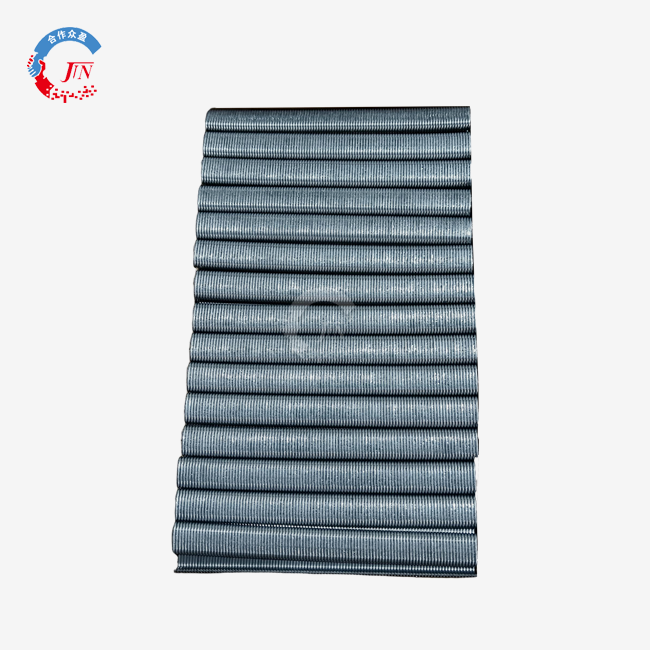
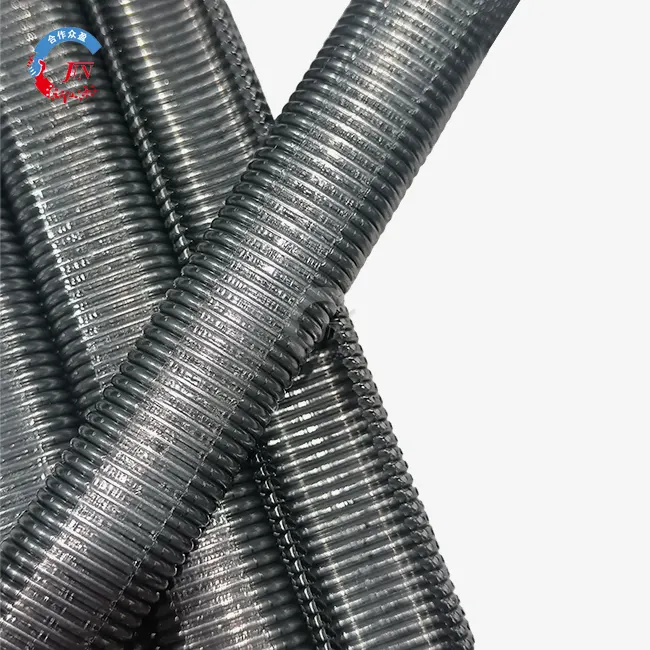
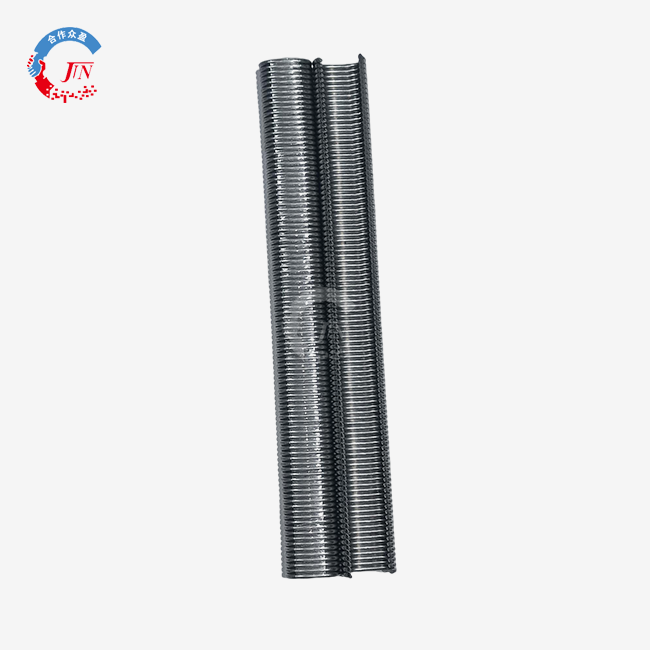
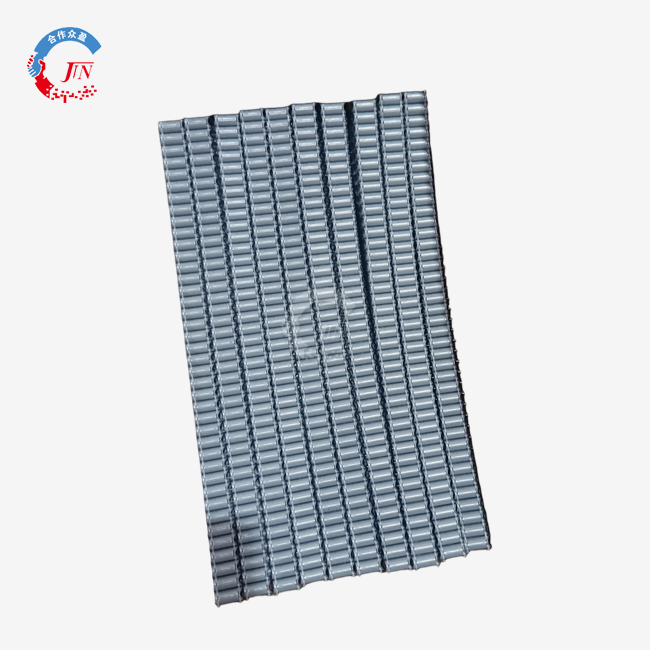
If you source fasteners for mesh bags, agricultural netting, or lightweight enclosure systems, aluminum hog rings deserve a serious look. These C-shaped fasteners, cold-formed from aluminum alloy wire, join two components through mechanical crimping without heat or adhesives. Their natural oxide layer blocks corrosion where steel would rust within weeks. At roughly 2.70 g/cm³, they weigh about one-third as much as steel rings, which matters in weight-sensitive production lines. From aquaculture cages to poultry enclosures to food-grade transport bags, aluminum hog rings deliver the grip strength and longevity that procurement teams in mesh bag and netting assembly genuinely need.

Understanding Aluminum Hog Rings and Their Applications
What Exactly Are Aluminum Hog Rings?
Aluminum hog rings are connectors that are cold-formed and made of high-strength aluminum alloy wire, typically 5052 or 6061. The ring is crimped shut around two pieces of material with a mechanical or hand hog ring plier. This joins them without screws, welds, or glue. Based on the metal temper, the tensile strength ranges from 25,000 to 40,000 PSI. This is strong enough to handle the pull-out forces that happen when you seal mesh bags and make frames out of light netting.
Material Comparison: Aluminum vs. Steel vs. Stainless Steel
It's cheaper to use steel rings, but they rust quickly when they get wet or are outside, leaving rust marks on mesh or cloth. Costs more and weighs more than iron, but stainless steel doesn't rust. Copper rings are hard and cost a lot, but they can be used in some electrical situations. Because it has a self-healing oxide layer, aluminum doesn't rust. It's also light enough that tools don't get tired when putting together a lot of parts, and it's not too expensive for big sales.
Primary Industry Applications
Rings made of aluminum are used in many places where weight and rust protection are important. If you leave steel rings outside, they will rust quickly. Instead, aluminum rings are used to close the panels of chicken coops and pet enclosure frames. Aluminum rings are used on large mesh produce bags and filter sacks because they can be found by normal metal detectors. This is what is needed for checks on food safety. Salt spray can kill galvanized steel in months, but it doesn't hurt the oxide layer on aluminum used in aquaculture and seaside walls very much.

How to Select the Right Aluminum Hog Rings for Your Needs
Size and Wire Gauge Selection
How well the grip works and whether the mesh will fit depend on the size of the ring. Fine mesh with wires that are less than 1.5 mm wide works best with rings that are 3/4 inch or 1 inch in diameter. Heavy mesh and larger bag sides can be put through rings that are up to 1-1/2 inches wide. It is the wire gauge that tells us how strong the ring is across its width. A bigger diameter is harder to pull out, but it also needs more force to be crimped. If you match the ring size to the mesh wire width, the joint won't open all the way, which is the main reason why netting assemblies fail.
Alloy Grade Considerations
5052-grade aluminum doesn't rust as easily and is often used in marine, agricultural, and outdoor settings, making it a suitable material for aluminum hog rings used in demanding environments. 6061-grade aluminum can handle slightly more tension and is ideal for building frames that need to withstand greater force. The diameters of both grades are typically controlled within ±0.02 mm, helping ensure that the wire moves smoothly through pneumatic hog ring tools without getting stuck.
Comparing Total Cost of Ownership
When buying, managers figure out the total cost; they need to think about more than just the unit price. For example, they need to think about how often the parts need to be changed and how long the tools are out of commission. To be fair, aluminum rings cost more per unit than steel rings. However, because they don't rust and don't break as often, the total cost of assembly over the life of a product can be cheaper. When a company makes outdoor bars and plastic bags, the math always works out in their favor.
Step-by-Step Guide: How to Use Aluminum Hog Rings in Mesh Bag and Netting Assembly
Tool Selection and Safety Preparation
Choose a pneumatic hog ring tool rated for the ring gauge you selected. Confirm air pressure settings match the tool manufacturer's specifications — typically 70 to 90 PSI for standard aluminum rings. Wear safety glasses, as crimped wire ends can occasionally deflect. Check the ring magazine for burr-free loading; rings manufactured with a smooth, burr-free finish feed consistently and reduce the chance of tool jams during high-speed production runs.
Positioning and Crimping Process
Place the open ring through both mesh layers or around the bag edge and the frame wire simultaneously. Position the tool jaw so the ring center aligns with the junction point, then fully depress the trigger in one smooth motion. A properly crimped ring closes flush with no visible gap at the tip. Incomplete closure — often caused by ring-to-gauge mismatch — leaves a sharp open tip that can snag fabric or injure handlers. Inspect the first 10 rings of each production batch to confirm consistent closure before running full volume.
Addressing Common Assembly Challenges
The two most frequent problems in netting assembly are ring misalignment and tool feeding jams. Misalignment happens when operators rush placement; slowing down slightly during positioning adds seconds per ring but eliminates rework. Feeding jams typically trace back to rings with inconsistent dimensions or adhesive residue from manufacturing. Specifying rings with a protective oil film and no adhesive residue — a quality standard that TJJZ's C-ring Products maintain — prevents this problem at the source.
Procurement and Supply Chain Considerations for Aluminum Hog Rings
Sourcing Channels and Bulk Purchase Benefits
If someone wants to buy a lot of aluminum hog rings, they can do so from manufacturers, local distributors, or industrial platforms online. When you buy from a manufacturer, you have the most say over the prices, specs, and wait times. It's cheaper per unit to buy in bulk, and you can be sure of a steady supply, which is important for production lines that have to stick to tight plans. If you want to buy metal hog rings in bulk, make sure the company you're considering lets you order samples first.
Packaging, Lead Times, and Logistics
Standard packaging comes in boxes with 5,000 to 10,000 rings. If you need a lot of rings, you can order a full load. Any planned buying process can work with a production lead time of three to five days. For people from other countries, it's important to be close to a major port. When suppliers are close to Tianjin Port, they can ship full pallets and have low damage rates, which makes it easier for the buyer to do the receiving inspection.
Verifying Supplier Quality Standards
Make sure you have proof of the salt spray test results (ASTM B117, minimum 500-hour exposure) and the dimensional inspection records before you place big orders. Check with the seller to see if they use XRF analysis to see what kind of alloy it is and if they test finished rings for tensile pull-out. These checks take some time at the start, but they keep things moving. Agreements to buy from suppliers once a year whose production has been stable since 2015 and whose quality records can be seen are less risky.
Ensuring Long-Term Performance and Avoiding Common Pitfalls
Corrosion Resistance in Practice
When the surface of aluminum is scratched, an oxide layer appears almost right away. This is why it works so well in damp places. But wood that has been treated with ACQ can make it react negatively when it touches it. If the frames of your assembly are made of pressure-treated wood, make sure that the rings have a protective covering that goes over them. This will keep surface rust from spreading faster where the rings touch.
Common Selection and Installation Errors
Most of the time, specifications go wrong because rings that are too small are used on large mesh. Because the ring tips don't close all the way, the joint isn't strong. When rings are too big for fine mesh, there is too much room for mesh wires to move around when they are loaded. Don't make either of these mistakes. Before you finish the ring design, do a simple pull-out force test on samples that have already been put together. When wires are bent 180 degrees, the test shows that the metal won't break when it's crimped.
Testing Protocols to Confirm Quality
Before you buy a new ring source, you should do three simple checks on it. The given tolerances are measured with a digital caliper, the mesh is put through an ASTM B117 500-hour salt spray test, and it is pulled apart by hand. If something breaks, these three tests can be done on most factory floors without the need for special lab equipment. They cover the types of failure that stop production the most.
Conclusion
Some people who make cloth bags, cages, or nets need rust protection but don't want to pay more or carry around more stainless steel. Aluminum hog rings are a good way to join things. It depends on you to pick the right ring size, check the metal grade, and work with a source that keeps records of their quality process. If you don't, your assembly line will either waste time on repair and tool jams. If you pinch the right ring the right way, it should stay together as long as the product it holds does. The point of this group is to do just that.
FAQ
Are aluminum hog rings as strong as stainless steel versions?
Stainless steel has higher ultimate tensile strength, but aluminum rings provide sufficient pull-out resistance for most netting and mesh bag applications. Their 25,000 to 40,000 PSI tensile range, combined with significantly lower weight and cost, makes them the standard choice for agricultural and packaging uses.
Can I use manual pliers instead of a pneumatic tool?
Yes. Aluminum's greater ductility compared to steel means manual pliers close the ring with less effort, reducing operator fatigue during lower-volume runs. Pneumatic tools are preferred for high-volume production due to speed and consistency.
Do aluminum rings work in sub-zero temperatures?
Unlike some plastics or low-grade steels that become brittle in extreme cold, aluminum alloy rings maintain their mechanical properties at sub-zero temperatures, making them suitable for cold-storage packaging and refrigerated logistics applications.
Are they detectable in food packaging environments?
Yes. Aluminum is detectable by standard industrial metal detection systems, making these rings acceptable for securing food transport bags and produce netting in facilities that require metal-detection audits.
What ring size should I choose for lightweight produce netting?
For netting with wire diameters under 1.5 mm, a 3/4-inch or 1-inch ring in a lighter gauge wire is typically correct. Always crimp a 10-piece test batch and perform a manual pull-out check before committing to full production volume.
Get Your Custom Quote from TJJZ — Trusted Aluminum Hog Rings Manufacturer
Since 2015, TJJZ has been making C-ring closures. They keep a steady stock, have a 3–5 day production wait time, and can answer questions in 3 minutes. An office near Tianjin Port is where we ship our aluminum hog rings on full pallets. This keeps delivery times steady and damage rates low. Before you buy the whole size, you can order samples from us to make sure they fit. You can email our team at userID@jinzhuangfastener.com or visit jinzhuangfastener.com to get prices and details.
References
1. ASTM International. ASTM B117: Standard Practice for Operating Salt Spray (Fog) Apparatus. ASTM International, 2019.
2. ASTM International. ASTM B211: Standard Specification for Aluminum and Aluminum-Alloy Bar, Rod, and Wire. ASTM International, 2019.
3. Kaufman, J.G. Properties of Aluminum Alloys: Tensile, Creep, and Fatigue Data at High and Low Temperatures. ASM International, 1999.
4. Davis, J.R. (ed.). Aluminum and Aluminum Alloys. ASM International, 1993.
5. Groover, M.P. Fundamentals of Modern Manufacturing: Materials, Processes, and Systems. Wiley, 2020.
6. Pilling, J., and Ridley, N. Superplasticity in Crystalline Solids. The Institute of Metals, 1989.
Learn about our latest products and discounts through SMS or email