- English
- French
- German
- Portuguese
- Spanish
- Russian
- Japanese
- Korean
- Arabic
- Greek
- German
- Turkish
- Italian
- Danish
- Romanian
- Indonesian
- Czech
- Afrikaans
- Swedish
- Polish
- Basque
- Catalan
- Esperanto
- Hindi
- Lao
- Albanian
- Amharic
- Armenian
- Azerbaijani
- Belarusian
- Bengali
- Bosnian
- Bulgarian
- Cebuano
- Chichewa
- Corsican
- Croatian
- Dutch
- Estonian
- Filipino
- Finnish
- Frisian
- Galician
- Georgian
- Gujarati
- Haitian
- Hausa
- Hawaiian
- Hebrew
- Hmong
- Hungarian
- Icelandic
- Igbo
- Javanese
- Kannada
- Kazakh
- Khmer
- Kurdish
- Kyrgyz
- Latin
- Latvian
- Lithuanian
- Luxembou..
- Macedonian
- Malagasy
- Malay
- Malayalam
- Maltese
- Maori
- Marathi
- Mongolian
- Burmese
- Nepali
- Norwegian
- Pashto
- Persian
- Punjabi
- Serbian
- Sesotho
- Sinhala
- Slovak
- Slovenian
- Somali
- Samoan
- Scots Gaelic
- Shona
- Sindhi
- Sundanese
- Swahili
- Tajik
- Tamil
- Telugu
- Thai
- Ukrainian
- Urdu
- Uzbek
- Vietnamese
- Welsh
- Xhosa
- Yiddish
- Yoruba
- Zulu
Zinc Plated Hog Ring for Automotive Seat Cover Manufacturing
If you're sourcing fasteners for automotive seat assembly, choosing the wrong hog ring can quietly destroy your production efficiency. A zinc plated hog ring offers the right balance of corrosion protection, dimensional consistency, and cost control that automotive seat cover manufacturing demands. This guide breaks down everything procurement managers, production engineers, and OEM buyers need to know — from material science to bulk purchasing strategy.

Understanding Zinc Plated Hog Rings and Their Role in Automotive Seat Covers
It's helpful to know why these fasteners work so well in automotive seating applications before looking at other options or placing a large order.
What Is a Zinc Plated Hog Ring?
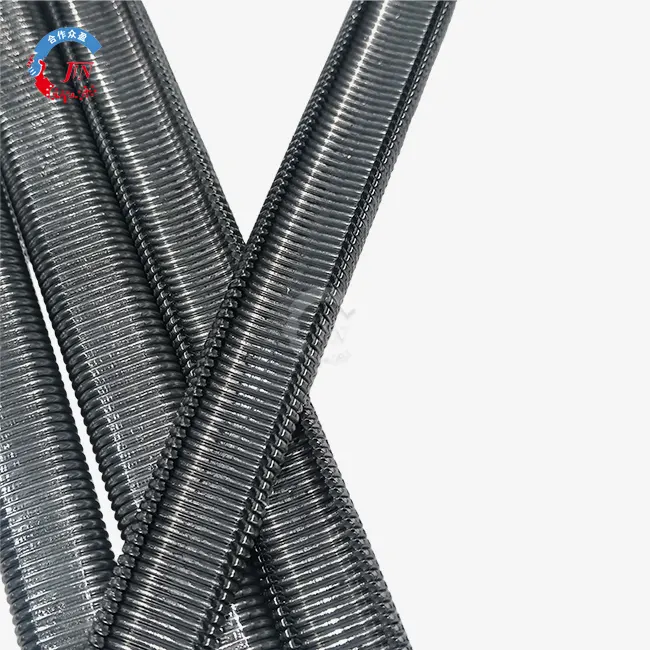
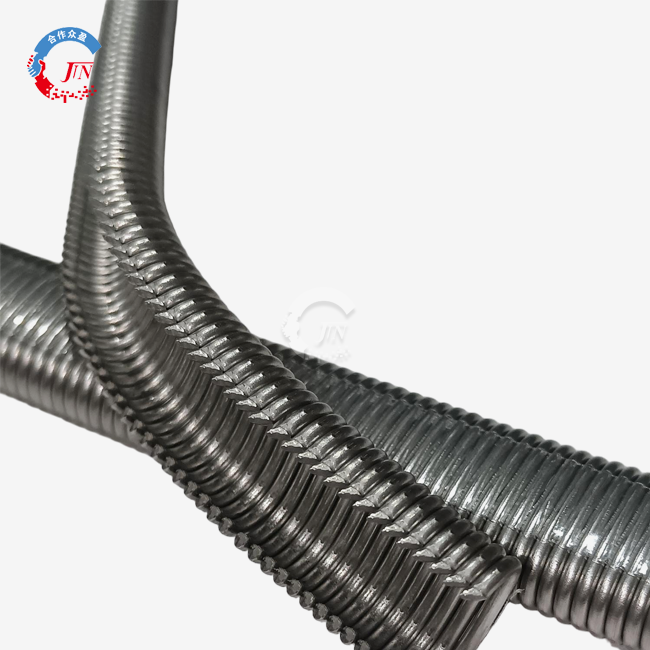
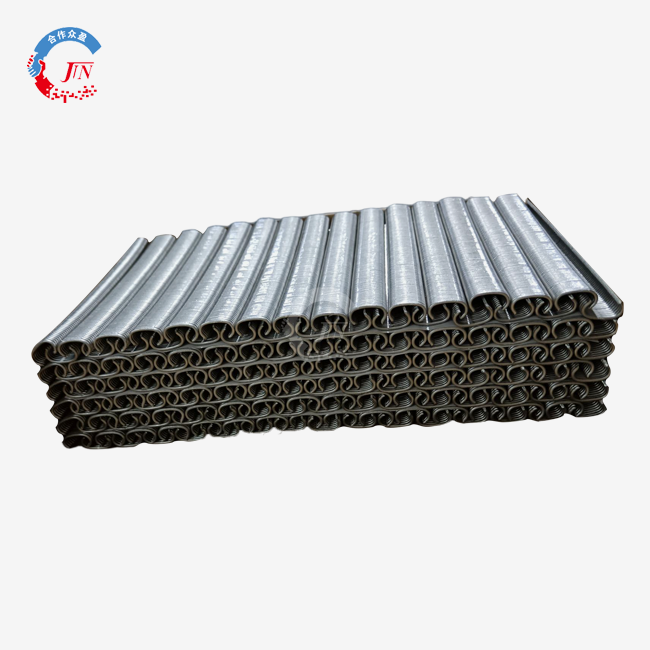
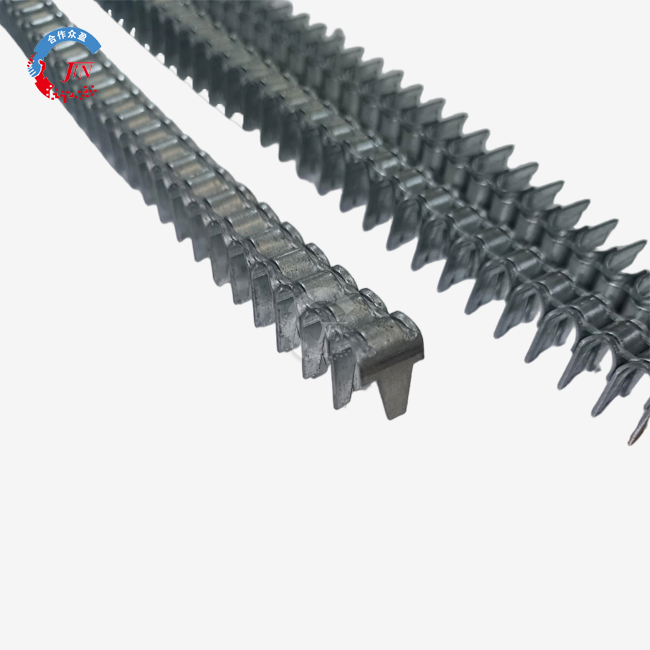
An electro-galvanized carbon steel wire fastener is called a Zinc Plated Hog Ring. This means that an electrolytic process bonds a zinc layer directly to the steel surface. A pneumatic or hand hog ring pliers are used to make the ring into a "C," "D," or "M" shape and then crimp it shut. As a sacrificial barrier, the zinc covering corrodes before the steel core does. This makes the fastener last longer in places with mild humidity, which is exactly what you'll find in car seat parts.
How They Compare to Other Materials?
You can choose from stainless steel, hot-dip galvanized, or black oxide. Stainless steel is better at resisting rust, but it costs a lot more per unit, which makes it harder to use for making a lot of internal seats. The zinc layer on hot-dip galvanized rings is thicker, but the uneven coating can make it hard for pneumatic magazine tools to feed the rings. Black oxide rings don't protect against corrosion very well and should only be used in dry, indoor settings. Zinc-plated rings are in the middle because they are practical, don't rust, have a smooth surface, and are cheap enough to be mass-produced.

Common Sizes and Wire Gauges
The wire gauges for automotive seat hog rings are usually between 11 and 16 AWG, and the tensile strength is kept between 600 and 1,100 MPa so that the rings don't spring back after being crimped. Crown widths and leg lengths are different for each type of seat, but in quality-controlled production, they are kept within ±0.02mm. This level of accuracy is important because assembly lines for car seats work quickly, and even a small change in size can stop production and jam tools.
How to Use and Install Zinc Plated Hog Rings for Optimal Results?
It's not enough to just squeeze a ring shut for a proper installation. How well the bend is done directly impacts how long the seat cover stays in place, even after years of passengers using the car and the car shaking.
Step-by-Step Installation Process
Choose the right ring gauge and crown size for your seat wire frame and fabric type to start. Put the rings into a pneumatic hog ring gun that works with them. Common magazine models for these guns are the SR8, SC7, and HR23 series. Place the open ring around the point where the wire and fabric meet, and then press the button on the tool to close the ring all the way. There is no gap in a full crimp, and it makes a strong, flush link without cutting into the upholstery material.
Tool Compatibility and Ring Size Selection
Tool jamming due to mismatched fastener measurements of Zinc Plated Hog Ring is one of the most common production problems I see in car upholstery lines. The crown of the ring has to be the exact same width as the magazine hole on the tool. At TJJZ, rings are made with smooth, burr-free surfaces so that feeding doesn't get interrupted. Before ordering a lot of fasteners, you should always check the tool specification sheet to make sure they will work.
Troubleshooting Common Installation Issues
If the ring slips, it's likely because the gauge is too light for the wire thickness being attached. If you can see zinc flaking off after crimping, it means the coating doesn't stick well enough. A 180-degree bend test done before production can find this kind of quality problem. If corrosion shows up within a few weeks of installation, it's likely that the salt spray resistance has failed. ASTM B117 testing should make sure that rings can handle at least 72 to 120 hours before red rust shows up. Line stops that cost a lot of money can be avoided by buying from a maker that does strict quality control at all of these places.
Comparing Zinc Plated Hog Rings with Alternative Materials
When making cars, choices about what to buy have real effects. If you choose a material that saves a few cents per ring but causes corrosion or jamming, it will cost you a lot more in repairs and downtime.
Here is a straight comparison of the four main materials used for hog rings in car seats:
Zinc-plated (also called electro-galvanized): Provides consistent accuracy in measurements and smooth feeding for high-speed pneumatic tools. Corrosion resistance meets the normal humidity conditions inside of vehicles, and ASTM B117 salt spray tests usually show that it works for 72 to 120 hours. This is the usual way to put together a lot of car seats.
Steel made of stainless steel (Grade 304/316): Offers the best protection against corrosion and works well in coastal or high-moisture settings. The unit cost is much higher, though, and the hardness of the material can make tool wear faster in pneumatic guns during long production runs.
- Zinc Plated (Electro-Galvanized): Offers consistent dimensional precision and smooth feeding performance in high-speed pneumatic tools. Corrosion resistance meets the moderate humidity conditions inside vehicle interiors, typically passing 72–120 hours in ASTM B117 salt spray testing. This is the standard choice for automotive seat assembly at scale.
- Stainless Steel (Grade 304/316): Provides the strongest corrosion resistance available and suits marine or high-moisture environments. However, the unit cost is considerably higher, and the material hardness can accelerate tool wear in pneumatic guns over long production runs.
- Hot-Dip Galvanized: Carries a thicker zinc layer than electro-galvanized variants, which increases outdoor durability. The uneven coating surface, though, creates friction in pneumatic magazine channels and causes jamming — a well-documented problem in fast-paced production lines.
- Black Oxide: The most affordable option but offers almost no corrosion protection. Appropriate only for dry indoor applications without any moisture exposure. Not recommended for automotive seat interiors.
These differences are important because picking the wrong material can lead to issues that show up weeks or months after the product is made, like rust on the seat covers, structural issues, or guarantee claims.
Procurement Guide: Buying Zinc Plated Hog Rings in Bulk for Automotive Manufacturing
People who buy a lot of cars are always on the go. Because supply gaps mean that production lines have to stop, the procurement plan needs just as much attention as the product design.
Evaluating Suppliers and Quality Standards
Check that a Zinc Plated Hog Ring supplier's Products meet ASTM A641 for coating weight and ASTM B117 for salt spray performance before you buy from them. Ask to see proof of measurement inspection records and make sure the company does automatic optical checks on the crown width and leg length. TJJZ is an example of a seller that has been producing consistently since 2015 and has the track record that high-stakes car procurement needs.
Pricing Models and Minimum Order Quantities
The price of hog rings in bulk depends on the wire gauge, the coating type, and the number of rings that are ordered. Most manufacturers have tiered pricing that rewards customers who sign up for a yearly supply agreement. TJJZ supports sample-based manufacturing, which lets buyers send in real samples to be matched with production before placing full-volume orders. This makes specification risk a lot lower.
Delivery Terms and Inventory Support
Supply delays can't be absorbed by production lines. TJJZ always has enough stock on hand and has a production lead time of three to five days. Full-pallet delivery, which is close to Tianjin Port, lowers the risk of damage to foreign shipments. When a customer asks a question, they get an answer within three minutes, and the company itself imports and exports items and technologies.
Ensuring Long-Term Value and Future-Proofing Your Hog Ring Supply
Durability Expectations in Automotive Environments
In a normal car interior, an electro-galvanized hog ring that is properly specified works reliably for the expected service life of the seat assembly, which is usually 5 to 10 years, depending on the coating thickness in microns. Early-stage rust can be found before it becomes a structural problem by checking the seat cover fastening spots on a regular basis while the car is being serviced.
Innovations in Zinc Plating Technology
Zinc-aluminum alloy coats are becoming more popular as an improvement over zinc plating. When compared to hot-dip galvanizing, these coats are better at resisting rust and don't leave behind the uneven sizes that come with it. Because TJJZ has galvanized, zinc-aluminum alloy, and stainless steel options, buying teams can choose materials that meet the exact needs of the surroundings.
Partnering With a Stable, Responsive Manufacturer
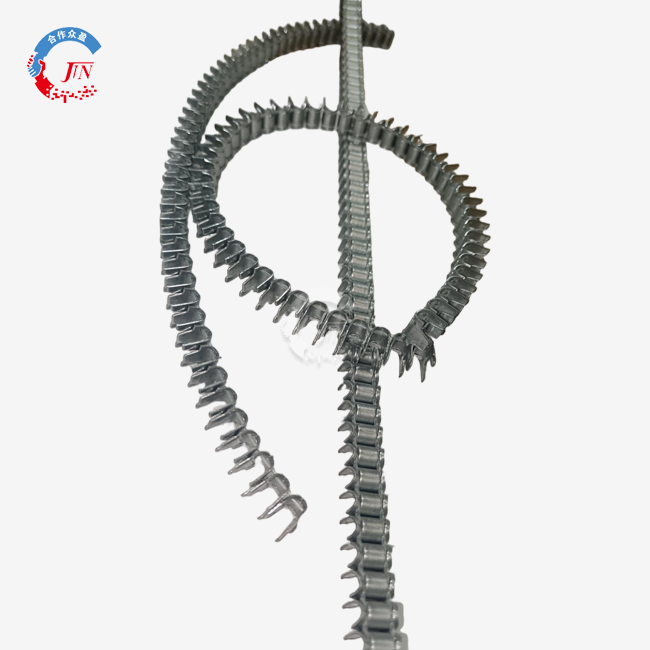
Stable suppliers are important for keeping the supply chain going. TJJZ has been in business since February 2015, has an active research and development team working on C-type nails and hog rings, and offers support before and after the sale. Their clip staples have an oil film covering that keeps them from rusting, and their C-ring goods don't leave any glue residue behind so that pneumatic feeding goes smoothly.
Conclusion
Choosing the right fastener for making car seat covers affects the quality of the product, how quickly it is made, and how reliable the supply will be in the long run. Zinc Plated Hog Rings are a useful, low-cost option for automakers that always works well in real-world situations. When bought from a manufacturer that is quality-controlled and has a history of consistent sizes and on-time delivery, these small parts make a real difference on the production line. All of this is possible without giving up anything if you have the right source partnership.
FAQ
What size hog ring works best for automotive seat covers?
For automotive seat upholstery, wire gauges between 14 and 16 AWG are most often used. The right crown width is based on the thickness of the cloth and the diameter of the seat wire frame. Before committing to a bulk order, I think you should ask your supplier for a matched sample.
Why choose zinc plating over stainless steel for seat assembly?
Zinc-plated fasteners are much cheaper than stainless steel and are strong enough to withstand corrosion inside a vehicle. Stainless steel is the best choice for places that are close to water or saltwater. When it comes to normal car seats, zinc plating works well and keeps unit costs low.
Does the zinc coating crack during the crimping process?
High-quality Zinc Plated Hog Rings are made with a flexible electro-galvanizing process that lets the covering bend with the steel wire while it's being crimped without coming off or losing its stickiness. Before production, you should always ask your seller for bend test approval to make sure of this.
Can I order custom sizes and coatings?
Yes. TJJZ can make bands based on samples and can make them to specific requirements for gauge, crown width, leg length, and coating type, whether it's normal zinc, zinc-aluminum alloy, or stainless steel.
Request Bulk Pricing or Free Samples From TJJZ
Zinc Plated Hog Ring goods from TJJZ have been sold to companies that make car seats, furniture, and cage equipment since 2015. We make it easy to buy in bulk because we have a 3- to 5-day production wait time, are close to Tianjin Port, and promise to answer your questions within 3 minutes. You can email our team at userID@jinzhuangfastener.com or go to jinzhuangfastener.com to get free samples, custom specs, or a full list of our products.
References
1. ASTM International. ASTM B117: Standard Practice for Operating Salt Spray (Fog) Apparatus. ASTM International, 2019.
2. ASTM International. ASTM A641: Standard Specification for Zinc-Coated (Galvanized) Carbon Steel Wire. ASTM International, 2020.
3. Society of Automotive Engineers. SAE J2364: Automotive Seat System Durability Test Procedures. SAE International, 2018.
4. Bralla, James G. Handbook of Manufacturing Processes. Industrial Press, 2007.
5. Schweitzer, Philip A. Corrosion Engineering Handbook: Corrosion of Linings and Coatings. CRC Press, 2006.
6. Automotive Industry Action Group (AIAG). Supply Chain Quality Management Systems Guidelines for Automotive Suppliers. AIAG, 2021.
Learn about our latest products and discounts through SMS or email