- English
- French
- German
- Portuguese
- Spanish
- Russian
- Japanese
- Korean
- Arabic
- Greek
- German
- Turkish
- Italian
- Danish
- Romanian
- Indonesian
- Czech
- Afrikaans
- Swedish
- Polish
- Basque
- Catalan
- Esperanto
- Hindi
- Lao
- Albanian
- Amharic
- Armenian
- Azerbaijani
- Belarusian
- Bengali
- Bosnian
- Bulgarian
- Cebuano
- Chichewa
- Corsican
- Croatian
- Dutch
- Estonian
- Filipino
- Finnish
- Frisian
- Galician
- Georgian
- Gujarati
- Haitian
- Hausa
- Hawaiian
- Hebrew
- Hmong
- Hungarian
- Icelandic
- Igbo
- Javanese
- Kannada
- Kazakh
- Khmer
- Kurdish
- Kyrgyz
- Latin
- Latvian
- Lithuanian
- Luxembou..
- Macedonian
- Malagasy
- Malay
- Malayalam
- Maltese
- Maori
- Marathi
- Mongolian
- Burmese
- Nepali
- Norwegian
- Pashto
- Persian
- Punjabi
- Serbian
- Sesotho
- Sinhala
- Slovak
- Slovenian
- Somali
- Samoan
- Scots Gaelic
- Shona
- Sindhi
- Sundanese
- Swahili
- Tajik
- Tamil
- Telugu
- Thai
- Ukrainian
- Urdu
- Uzbek
- Vietnamese
- Welsh
- Xhosa
- Yiddish
- Yoruba
- Zulu
Aluminum Hog Rings for Automotive Interior Component Production
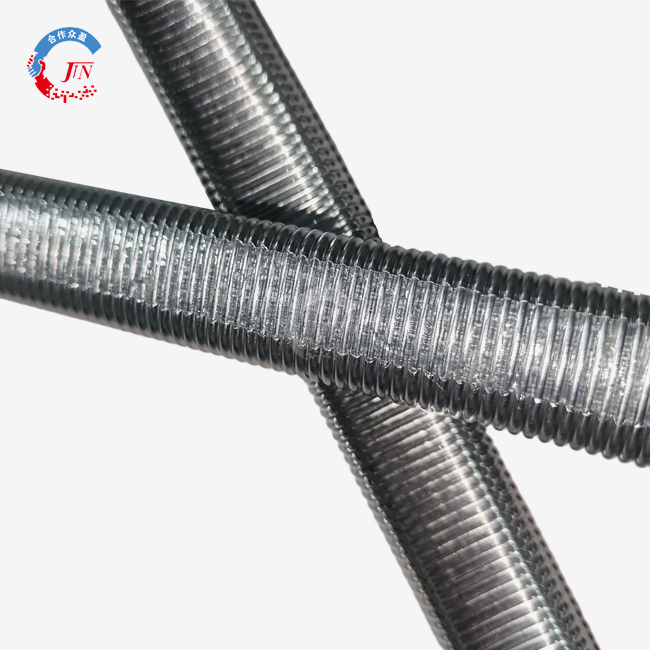
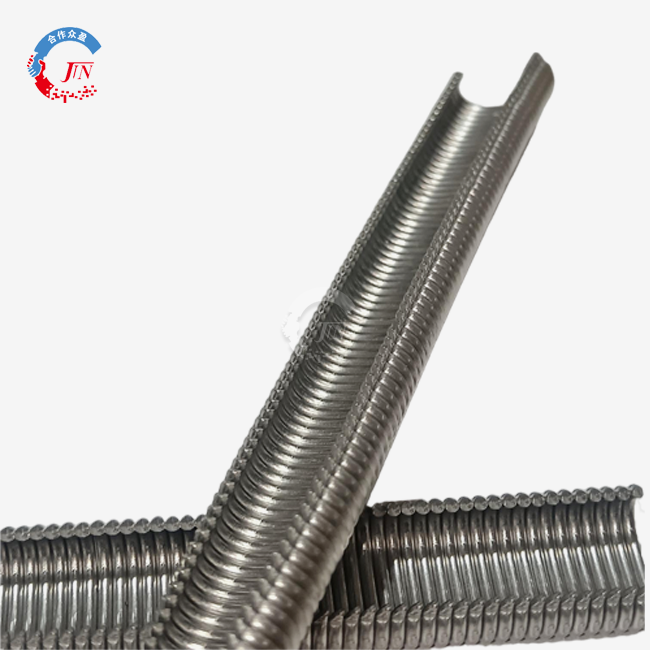
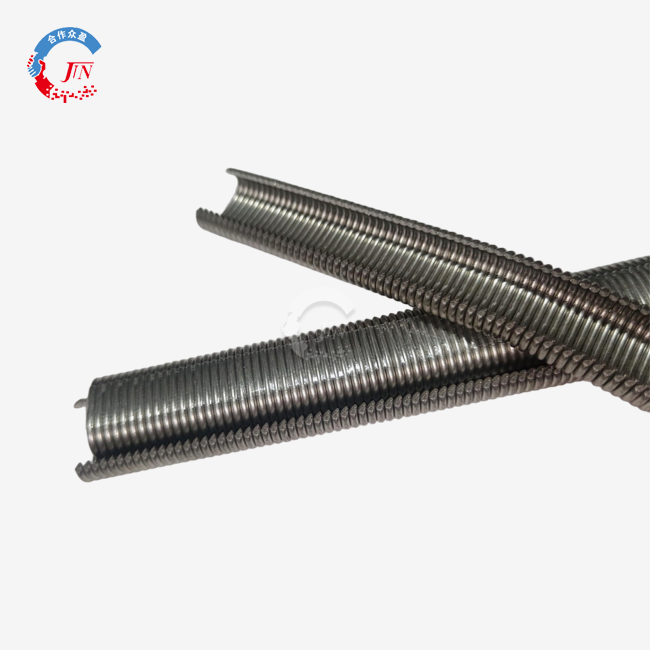
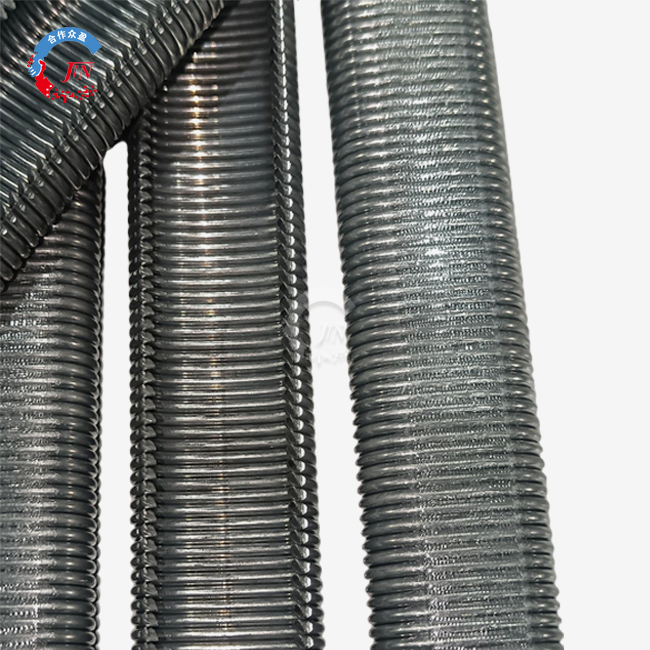
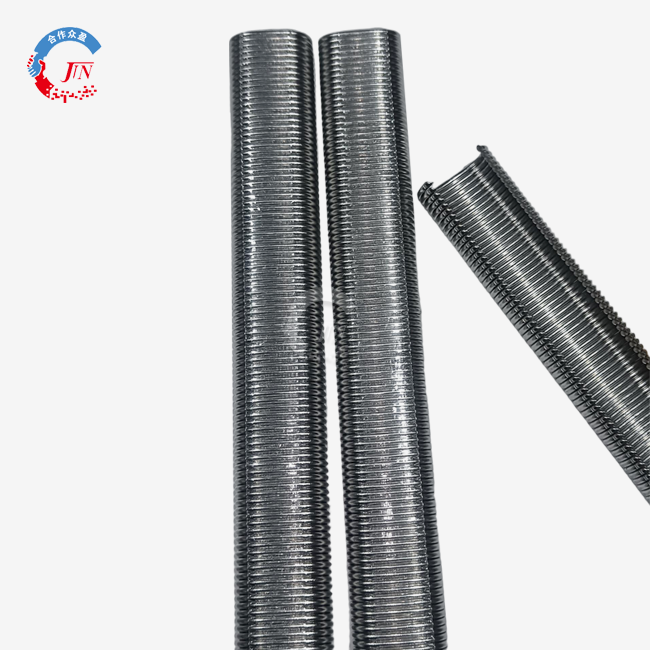
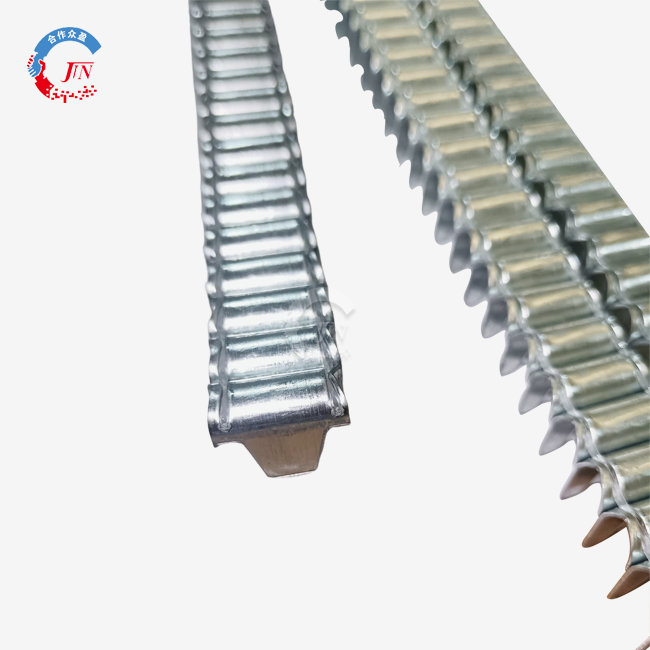
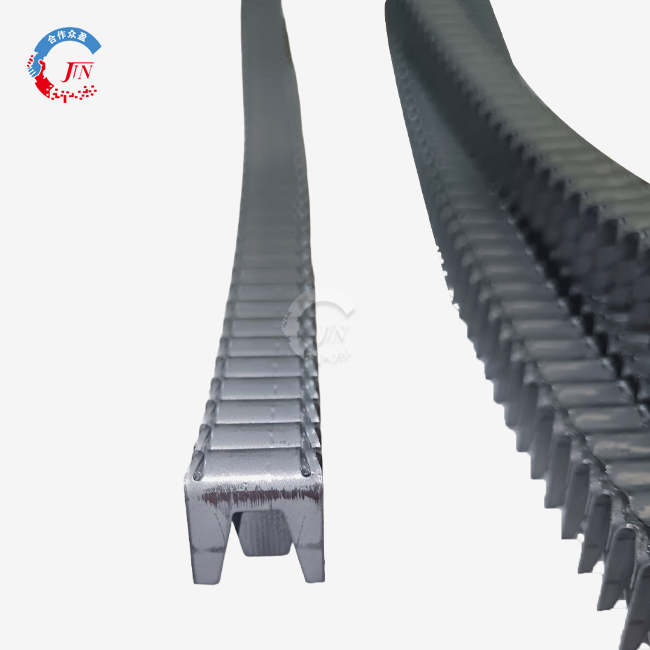
When automotive manufacturers ask about the best fastening solution for seat assembly and interior upholstery, aluminum hog rings consistently come up as a top answer. These C-shaped or D-shaped fasteners, cold-formed from high-strength aluminum alloy wire, secure fabric, foam, and structural components together through mechanical crimping. In automotive interior production, they attach seat covers to wire frames, fix door panel linings, and support airbag housing assemblies. Their low density — approximately 2.70 g/cm³ — combined with natural corrosion resistance makes them particularly well-suited for the weight-sensitive, moisture-exposed environment inside a vehicle.

Understanding Aluminum Hog Rings and Their Applications in Automotive Interiors
What Are Aluminum Hog Rings?
Aluminum hog rings are industrial fasteners made from 5052 or 6061-grade aluminum alloy wire in the shapes of "C," "D," or "M." When you crimp them around two pieces of material, they stay together. Aluminum, unlike steel, forms a natural oxide layer that protects against rust without any extra protection. Their tensile strength varies from 25,000 to 40,000 PSI, which is strong enough for most car upholstery and light structure fastening needs without adding too much weight.
Core Applications in Automotive Interiors
These ring fasteners hold fabric and leather covers directly to the wire spring frame under seat cushions in cars. They also hold down layers of foam filling, which keeps the shape of the cushion stable over time. They are used for more than just seats. For example, they are used to attach door panels, the headliner, and airbag components when non-magnetic, lightweight fastening is required. Tier 1 and Tier 2 auto suppliers need consistent ring geometry so they can run pneumatic hog ring tools quickly without having to stop feeding.

Why Automotive Manufacturers Prefer Aluminum?
There is more and more pressure on the car business to make vehicles lighter, so they use less gas and have longer ranges for electric vehicles. Even though steel screws are strong, they add a lot of weight to large-scale seat assembly. Aluminum ring fasteners make parts lighter while still passing the OEM quality standards for pull-out strength. Because they aren't magnetic, they don't get in the way of seat position sensors and computer seat adjustment systems. This is a real issue that becomes more important as car interiors depend more on technology.
Comparing Aluminum Hog Rings to Other Materials in Automotive Production
Aluminum vs. Steel and Galvanized Steel
Steel hog rings have a higher ultimate tensile strength, but they rust red in humid car environments, especially in places where road salt speeds up corrosion. Galvanized steel slows down this process, but it costs more and has magnetic qualities that can mess up electronics. On the other hand, aluminum forms a solid oxide barrier on the surface without any other treatment. Aluminum's corrosion resistance is much better for seat assemblies that will be exposed to changes in temperature, condensation, and spilled liquids over the course of a vehicle's life.
Aluminum vs. Stainless Steel and Copper
Stainless steel ring rivets are just as resistant to rust as aluminum hog rings, but they cost a lot more per unit. The difference in cost adds up quickly in high-volume auto production, where thousands of rings are used every day. Copper hog rings are used in electrical applications, but they don't help with fastening fabric and add extra weight. Aluminum strikes a good balance between good mechanical performance, better corrosion resistance than galvanized options, and a price point that works for budgets that buy a lot of aluminum for cars.
Aluminum vs. Plastic Fasteners
Plastic clip fasteners are lighter, but they can't be bent so tightly around wire frames without breaking. Many plastics become brittle in sub-zero temperatures, which is a big problem for car assembly lines in cold places. This makes the rate of defects higher. Aluminum's mechanical properties stay the same at a lot of different temperatures, from the freezing assembly line to the daily heat cycles that a finished car goes through.
How to Select the Best Aluminum Hog Rings for Automotive Interiors?
Size and Dimensional Specifications
The diameter of the wire frame and the thickness of the cloth being attached determine the ring size. Most of the time, rings that are 1 inch or 1.5 inches in diameter are used to put together car seats. The wire diameter tolerance shouldn't be more than ±0.02 mm. Tighter tolerances keep the crimp force constant throughout a full production shift and prevent feeding jams in pneumatic tools. Before rings go into production, procurement teams should make sure they have dimensional certificates for each lot that is shipped.
Alloy Grade and Corrosion Resistance Standards
5052-grade aluminum is often used in car uses because it has more magnesium than other grades, which makes it more resistant to corrosion in salt-spray settings. The Products should be made to the standards set by ASTM B211 for aluminum alloy wire. Suppliers of good quality test their products with salt spray according to ASTM B117 for at least 500 hours to make sure they don't rust. It makes sense to ask sellers for XRF alloy verification records to make sure that the alloy amount that was reported fits what was actually in the product.
Supplier Evaluation Criteria
Reliable automotive fastener providers keep records of their quality control processes, offer packaging forms that work with OEMs, and keep enough stock on hand to meet production-line call-off plans. Line stops are less likely to happen when there is a 3–5 day production lead time and confirmed stock availability. For international purchases, suppliers near major ports are more convenient because it is easier to keep track of shipment times and cargo damage rates when the distances between suppliers and customers are shorter.
Optimal Usage and Installation Techniques of Aluminum Hog Rings in Automotive Production
Tool Selection and Compatibility
Because aluminum is more flexible than steel, pneumatic hog ring pliers made for it need slightly lower closing force settings than steel ring tools. This is because over-crimping can change the shape of the ring. Most normal pneumatic ringers can handle aluminum rings without any changes to the tool. To avoid misfires, the width of the ring should be matched to the size of the feed channel. For repairs or small jobs, manual hog ring tools are useful. Because aluminum is soft, hand-crimping is easier than working with steel rings.
Handling and Installation Best Practices
Here are the main installation rules that production teams should stick to to make sure quality is always high:
- Store rings in sealed packaging until use to prevent surface oxidation that can cause feeding drag in pneumatic tools.
- Verify that ring gap opening matches the combined material thickness being fastened before loading a new ring size into the tool.
- Set pneumatic tool pressure to the manufacturer's recommended range for aluminum to avoid ring deformation during closing.
- Inspect the first 20 crimps at the start of each shift to catch any dimensional drift before it affects a large production run.
If you follow these steps with aluminum hog rings, you'll cut down on scrap and make sure that tools keep running smoothly during full work shifts. Production managers at Tier 1 seat suppliers say that moving from galvanized steel rings to aluminum rings cut down on tool jams by a measurable amount. This is mostly because the consistent wire finish in aluminum makes it easier for pneumatic delivery channels to work.
Common Production Challenges and Solutions
When material deforms during crimping, it's usually because the tool pressure or the wire diameter on the rings isn't the same. Every new batch of wire is put through a flexibility test, which means it is bent 180 degrees without cracking on the surface. This finds problems with the quality of the wire before it gets to the assembly station. If surface rust causes feeding drag, moving to rings with a thin protective oil film will fix the problem without changing the quality of the crimp or leaving any residue on upholstery materials.
Procurement Strategies and Pricing Insights for Aluminum Hog Rings
Bulk Purchasing and Cost Management
When making a lot of car seats, the rings usually need to be bought in boxes of 5,000 to 25,000 per SKU. Buying in bigger packs lowers the cost per unit and makes it easier to keep track of supplies. When comparing suppliers, the cost-per-1,000-units figure, which takes into account freight, import duties, and quality testing costs, gives a more accurate picture of the total landed cost than the list price alone. When suppliers offer sample-based production, buying teams can test how well rings work in their own tools before placing a full-volume order.
Building Long-Term Supplier Relationships
Annual supply agreements are used to make cars, and supply chain risk is reduced by fastener providers who offer guaranteed wait times and good communication. Suppliers with a long history of making things, like TJJZ, which has been in business nonstop since 2015, can guarantee stable production in a way that newer vendors can't. Logistics factors like being close to Tianjin Port, being able to move full pallets, and having low shipping damage rates are important when looking for long-term contracts with foreign automotive fastener providers.
Pricing Framework by Supplier Type
When it comes to aluminum ring fasteners, direct factory suppliers usually have the best prices. This is especially true for custom specifications like non-standard ring diameters, special alloy grades, or changed protective coatings. In exchange for having local stock and faster delivery windows, distributors charge a fee. For big auto accounts that know how much they will need each month, direct factory procurement with agreed-upon safety stock arrangements usually gives the best price-to-quantity ratio.
Conclusion
Aluminum hog rings are useful and can be measured in the building of car interiors. Because they don't rust, are light, and work with standard pneumatic tools, they are a reliable choice for seat covers, door panels, and structural interior parts. To make sure the quality meets OEM standards, it's important to choose the right alloy grade, check the consistency of the dimensions, and buy from a supplier with a history of successful manufacturing. Product performance and supply reliability should be more important than list price when it comes to procurement teams that are in charge of high-volume automotive interior programs.
FAQ
What ring size works best for automotive seat upholstery?
Most automotive seat cover applications use 1-inch or 1.5-inch aluminum hog rings. The right size depends on wire frame diameter and fabric layer thickness. Requesting sample rings before confirming a purchase order lets production teams verify fit in their specific tool before committing to volume.
Are aluminum hog rings strong enough for structural seat components?
Aluminum alloy rings in the 5052 or 6061 grade offer tensile strength between 25,000 and 40,000 PSI — sufficient for upholstery fastening and light structural connections. For heavy structural load applications, stainless steel is a better specification, but aluminum handles the majority of automotive interior fastening requirements without issues.
Do aluminum ring fasteners work with standard pneumatic hog ring tools?
Yes. Most pneumatic hog ring pliers accept aluminum rings without modification. Tool pressure settings should be adjusted slightly lower than steel specifications to prevent ring deformation during closing. Matching feed channel dimensions to ring width is the most important compatibility check.
How does aluminum compare to galvanized steel for corrosion resistance?
Aluminum outperforms galvanized steel in long-term corrosion resistance. The natural oxide layer on aluminum protects against moisture and salt exposure without relying on a plating layer that can chip or wear. Salt spray testing at 500 hours per ASTM B117 confirms this performance advantage.
Can aluminum hog rings be detected by metal detectors?
Yes. Aluminum is detectable by standard industrial metal detection equipment, which makes these fasteners acceptable for food transport bag closures and filtration systems where contamination control is required.
Request Aluminum Hog Ring Samples from TJJZ — Trusted Manufacturer Since 2015
TJJZ makes metal hog rings and automotive-grade rivets that are designed to be consistent across the production line. With a lead time of 3–5 days, confirmed inventory, and responses to buyer questions in 3 minutes or less, TJJZ helps procurement teams that can't afford to have their supplies cut off. As a direct manufacturer of aluminum hog rings close to Tianjin Port, we can offer low prices on large orders and production based on samples for specific needs. To get samples right away, email us at userID@jinzhuangfastener.com or go to jinzhuangfastener.com.
References
1. American Society for Testing and Materials (ASTM). ASTM B117: Standard Practice for Operating Salt Spray (Fog) Apparatus. ASTM International, 2019.
2. American Society for Testing and Materials (ASTM). ASTM B211: Standard Specification for Aluminum and Aluminum-Alloy Bar, Rod, and Wire. ASTM International, 2021.
3. Davis, J.R. Aluminum and Aluminum Alloys. ASM International, 1993.
4. Automotive Body Repair News (ABRN). "Interior Fastening Systems in Modern Vehicle Assembly." Endeavor Business Media, 2022.
5. SAE International. SAE J369: Flammability of Polymeric Interior Materials — Horizontal Test Method. SAE International, 2020.
6. Assembly Magazine. "Fastener Selection for Automotive Seating Applications." BNP Media, 2021.
Learn about our latest products and discounts through SMS or email