- English
- French
- German
- Portuguese
- Spanish
- Russian
- Japanese
- Korean
- Arabic
- Greek
- German
- Turkish
- Italian
- Danish
- Romanian
- Indonesian
- Czech
- Afrikaans
- Swedish
- Polish
- Basque
- Catalan
- Esperanto
- Hindi
- Lao
- Albanian
- Amharic
- Armenian
- Azerbaijani
- Belarusian
- Bengali
- Bosnian
- Bulgarian
- Cebuano
- Chichewa
- Corsican
- Croatian
- Dutch
- Estonian
- Filipino
- Finnish
- Frisian
- Galician
- Georgian
- Gujarati
- Haitian
- Hausa
- Hawaiian
- Hebrew
- Hmong
- Hungarian
- Icelandic
- Igbo
- Javanese
- Kannada
- Kazakh
- Khmer
- Kurdish
- Kyrgyz
- Latin
- Latvian
- Lithuanian
- Luxembou..
- Macedonian
- Malagasy
- Malay
- Malayalam
- Maltese
- Maori
- Marathi
- Mongolian
- Burmese
- Nepali
- Norwegian
- Pashto
- Persian
- Punjabi
- Serbian
- Sesotho
- Sinhala
- Slovak
- Slovenian
- Somali
- Samoan
- Scots Gaelic
- Shona
- Sindhi
- Sundanese
- Swahili
- Tajik
- Tamil
- Telugu
- Thai
- Ukrainian
- Urdu
- Uzbek
- Vietnamese
- Welsh
- Xhosa
- Yiddish
- Yoruba
- Zulu
3/16 Hog Ring Supplier: Compatibility and Wholesale Buying Guide
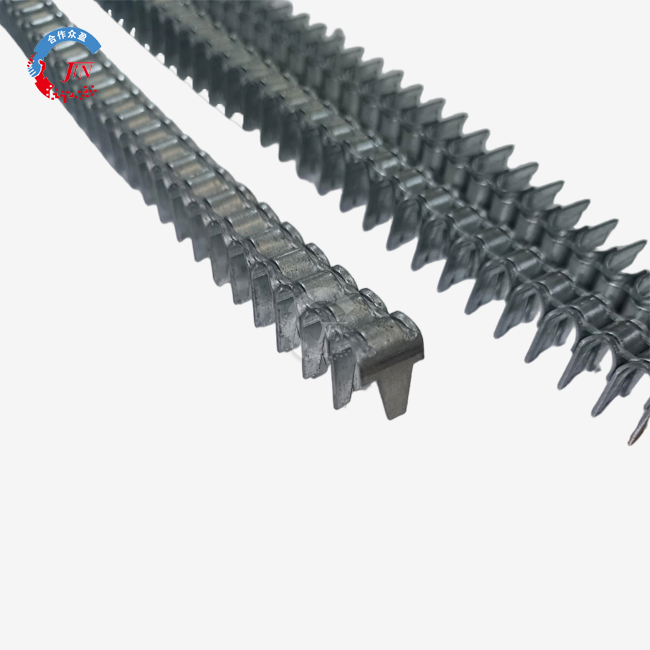
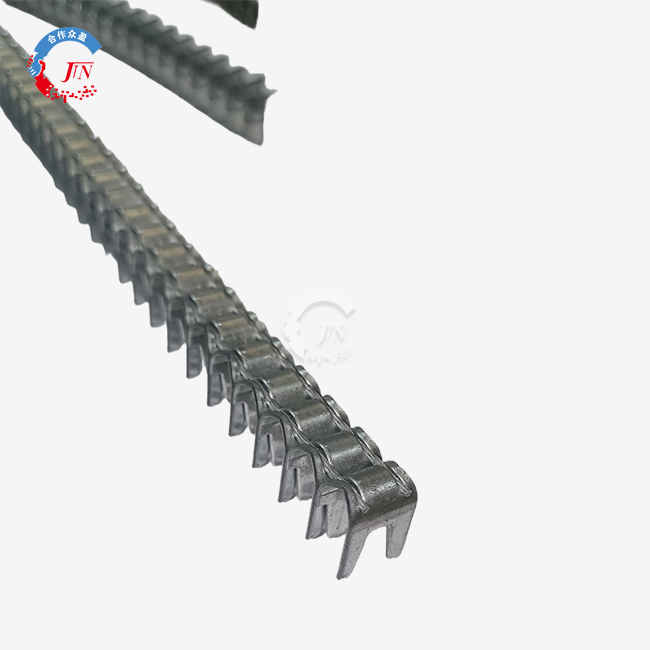
This guide has everything you need to know about finding 3 16 hog rings for industrial use, from gauge specs and tool compatibility to wholesale prices and choosing a supplier. Whether you are in charge of purchasing for a factory that makes mattresses, seats for cars, or cages, picking the right hog ring gauge will have a direct impact on your production speed, product quality, and long-term costs. This guide was made to help you make an informed purchase decision and get in touch with a supplier that can actually deliver on a large scale.

Understanding 3/16 Gauge Hog Rings: Specifications and Applications
What Does "3/16 Gauge" Actually Mean?
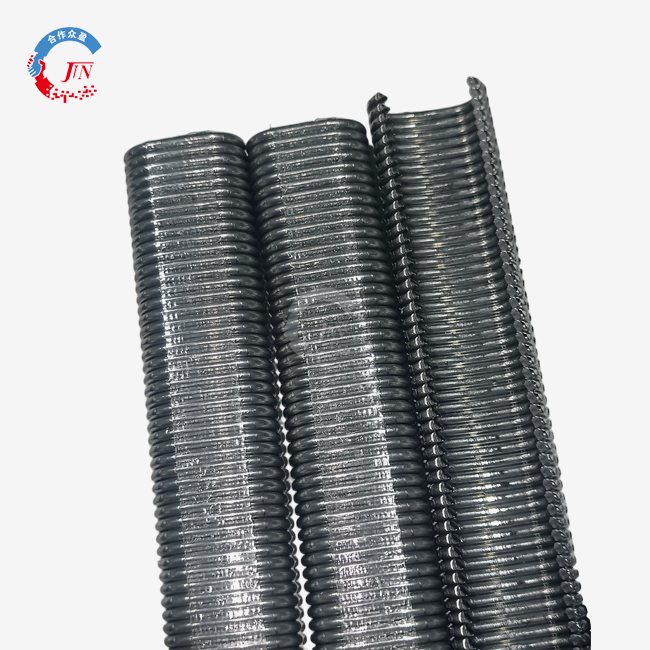
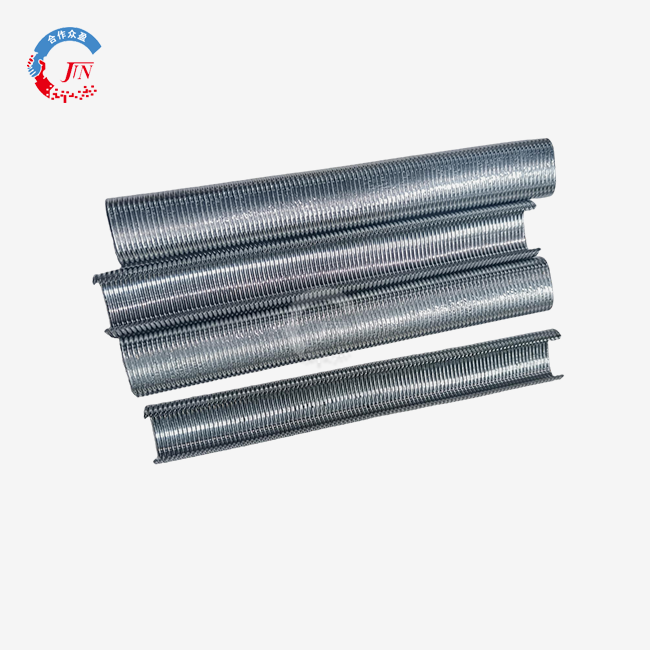
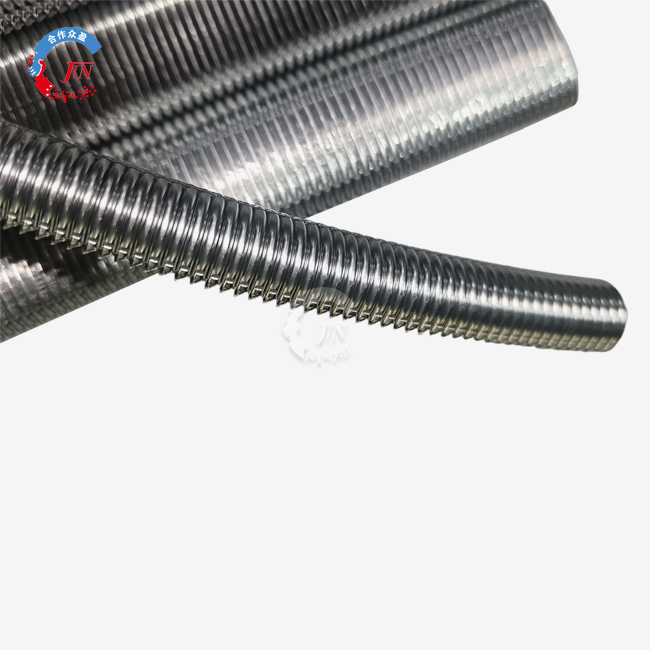
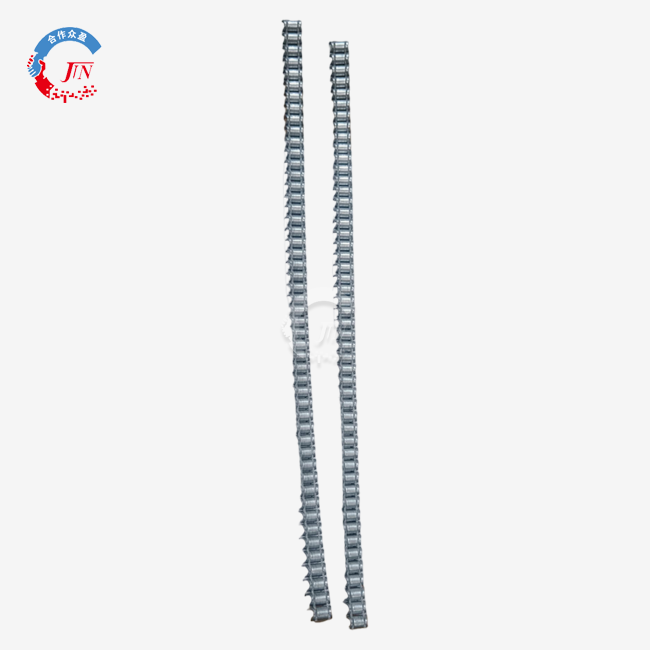
The "3/16" number refers to the wire diameter of the ring, which is about 4.76mm. This puts it firmly in the middle weight range for hog rings. It's strong enough for structural links in cage assembly and upholstery, but it's also bendable enough that it doesn't crack when it closes. Rings are usually made in C-forms or half-round shapes, and they can be crimped with either hand or pneumatic tools.
Common Materials and Coatings
Lots of 3/16 gage hog rings are made from galvanized steel, stainless steel (Grade 304 or 316), or wire that is made of zinc and aluminum. Galvanized options are good for putting together furniture inside and fixing mattress springs. For outdoor cages, marine uses, and humid auto environments, stainless steel types are best, especially Grade 316 with molybdenum content. ASTM B117 salt spray testing guidelines say that Grade 316 rings can go more than 1,000 hours without turning red. This makes them the best choice for long-term needs.

Where Are They Used?
People work in a lot of different fields that use these rings. In mattress making, they connect the spring pieces to the cloth panels and border wire. When making furniture, they hold the upholstery fabric to the seat frames. They join wire mesh sections with reliable tensile strength, which is useful for cages and fencing. For car seats, they attach solid frames to seat leather and internal foam parts. Their consistent dimensional tolerance makes sure that automated production lines can feed them smoothly, which directly cuts down on machine downtime.
Compatibility and Installation: Ensuring Optimal Use of 3/16 Hog Rings
Matching the Right Tools
One of the most ignored aspects of buying a hog ring is how well the tools will work together. Either hand hog ring tools or pneumatic hog ring guns can be used with the 3/16 gage. The jaw opening and track width must be the same size as the ring's crown. In production lines with a lot of items, pneumatic tools are better because they cut down on user fatigue and cycle time. Before buying a lot of rings, always check the manufacturer's specification sheet to make sure the crown widths don't clash, which can cause feed jams.
Step-by-Step Installation Tips
Preparing the materials, including the correct size of 3 16 hog rings, is the first step in a proper installation. Rings can only fit correctly on clean, dry surfaces. Place the open ring around the two pieces of wire or cloth that you want to join, then put it in the jaws of the tool and squeeze it all the way down until it forms a tight oval or circle. Don't use partial crimps because they leave gaps that make the hold weaker. For upholstery jobs, make sure that the rings are always spaced out the same amount (usually every 2 to 3 inches) so that the stress is spread out evenly across the fabric panel.
Troubleshooting Common Problems
In production, two problems happen most often: rings deform during crimping and don't close properly. When a ring deforms, it's usually because the gauge on the ring and the tool jaw don't match up. Closing that doesn't happen consistently is usually a sign of old tool teeth or rings that don't fit together properly because they were made poorly. Finding rings whose dimensions have been checked using digital calipers for quality control gets rid of most feeding and fitting problems before they get in the way of your production plan.
Comparing 3/16 Gauge Hog Rings with Other Gauges and Alternatives
3/16 vs. 14 Gauge vs. 18 Gauge
Knowing when to use each gauge will help your product work better and save you money. Here's a direct look at the three most common industrial gauges side by side:
- 14 Gauge (Heavy-Duty): Thicker wire, higher tensile load capacity. Best for heavy wire mesh fencing, gabion walls, and structural cage assembly where the connection point bears significant tension. Less flexible, harder to close manually.
- 3/16 Gauge (Mid-Weight): The balanced choice for upholstery, spring mattress assembly, automotive seating, and poultry cage construction. Handles moderate loads while maintaining clean closure and smooth feeding.
- 18 Gauge (Light-Duty): Thinner wire, lower holding strength. Suited for light fabric attachment, hobby projects, and non-structural connections. Not recommended for industrial production environments.
Each gauge is used for a specific thing. Matching the gage to the job saves both the quality of the output and the life of the tool.
Stainless Steel vs. Galvanized Rings
The coating or material grade is just as important as the gage for people who live outside or in places with a lot of humidity. Galvanized rings protect against corrosion well enough for dry indoor uses and are a cost-effective option for companies that make mattresses and furniture. Because they contain molybdenum and chromium, stainless steel rings—especially 316-grade rings, such as 3 16 hog rings—offer much greater resistance to rust. This makes them an excellent choice for chicken coops, coastal construction, and vehicles used in humid environments.
Are Zip Ties a Viable Alternative?
Zip ties are sometimes used to put together light nets or make temporary fixtures. But they aren't as good as hog rings when it comes to lasting load-bearing uses. Hog rings make a strong metal seal that doesn't easily come off and isn't affected by UV light or changes in temperature. Continuous tension and UV exposure break down zip ties, so they usually need to be replaced every 12 to 24 months outside. Over time, hog rings have proven to be the more reliable and cost-effective choice for any production task where long-term durability is important.
Wholesale Buying Guide for 3/16 Gauge Hog Rings: What Procurement Managers Should Know
Key Supplier Evaluation Criteria
When you need to buy a lot of 3/16 hog rings, you need to do more than just compare prices per thousand units. Here are some things that procurement managers should think about before signing a yearly contract:
- Dimensional Consistency: To keep tools from getting stuck, rings must fit within very small gaps. Ask for quality inspection records or Optical Emission Spectroscopy (OES) data that proves the makeup of the material.
- Coating Verification: To make sure that galvanized or stainless steel goods really don't rust, ask for salt spray test certificates (ASTM B117).
- OEM Capability: If a supplier offers sample-based manufacturing, you can test how well the ring works in your specific tool and application before placing a large order.
- Lead Time and Inventory: Having a production lead time of 3–5 days and knowing that stock is available will keep the supply chain running smoothly during busy production times.
With these criteria, you can quickly get rid of companies you don't trust. This will keep your production line from having to stop for quality reasons.
Bulk Pricing and Order Structures
When you buy industrial hog rings, including 3 16 hog rings, most stores charge you by the box, which holds around 5,000 to 10,000 units. You save money when you buy more. Most of the time, the minimum order quantities (MOQs) for wholesale prices are between 50,000 and 100,000 units. When there are terms that add value to a long-term supply agreement, like sending samples, mixed-gauge sales, or special packing, the deal is worth more. Buyers who are close to big ports can get better landing costs. You should bring this up with your supplier when you're negotiating.
Logistics and Customs Considerations
Buyers in the United States need to think about how close the ports are, how well the pallets are packed, and how often the cargo gets damaged. If you buy from sellers near Tianjin Port or other major export ports, your goods will generally be shipped faster and on more stable schedules. It is less possible that damage will happen during shipping if the pallets are full. This is very important for shipping bulk rings, since rings that get bent while being shipped can affect how well they feed.
Trusted Manufacturers and What to Look for in a Long-Term Partner
What Reputable Manufacturers Offer
The best hog ring makers are able to find the materials they need, keep production levels steady, and respond quickly to customer needs. In North America, Arrow Fastener, RingKing, and Stanley are well-known brands whose goods are always the same. But for big B2B buyers who want low prices and the freedom to make changes, working directly with skilled factory-level providers is often the best long-term choice.
TJJZ: A Factory-Level Supplier Worth Considering
This company, Tianjin Jinzhuang New Materials Technology Co., Ltd. (TJJZ), has been making C-ring staples, clip staples, and other goods that go with them since 2015. The wire they use to make their C-rings is galvanized, zinc-aluminum alloy, or stainless steel. They test the quality control process by looking at the sizes and how well they resist rust before they are sent out. Customers who are new to TJJZ can get samples of the rings to make sure they work with their tools and apps before they place a big order.
Why Supplier Stability Matters
When production managers switch fastener suppliers in the middle of a cycle, they know it can be dangerous. It is much safer to buy from a company that has a history of being reliable, clear quality standards, and quick answers (TJJZ confirms questions within 3 minutes). Your production schedule will stay safe if you make long-term deals with reliable manufacturers. This will also give your quality assurance team a solid quality base to work from.
Conclusion
There are three things that are most important when choosing 3 16 hog rings for your production line: making sure the gauge and material specs are correct, making sure the rings will work with your tools, and finding a seller that can consistently deliver high-quality rings on time. These tips will help you make better buying choices no matter what you're doing, like putting together a mattress spring assembly line, chicken coops, or car seat covers. Check the details, ask for samples, and judge suppliers based on quality documentation and lead time, not just unit price.
FAQ
Are 3/16 gauge hog rings compatible with standard pneumatic hog ring guns?
Yes, but the tool jaws must be the right size for the ring's crown width and gauge. Check to see what gauge range the tool can handle before you order a lot of them. Rings with tight dimensional tolerances feed more consistently and make automated lines less likely to get jammed.
What is the difference between galvanized and stainless steel hog rings?
For dry, indoor tasks like putting together mattresses and furniture, galvanized rings are a cheap option. Stainless steel rings, especially 316 grade, don't rust when exposed to chloride. This makes them the best choice for outdoor cages, buildings near the coast, and humid car settings.
How do I verify ring quality before placing a large order?
Ask for a Material Test Report (MTR) that confirms the grade of the wire, a salt spray test certificate that meets ASTM B117 standards, and a report on the wire's dimensions. Reliable sellers also send sample shipments so you can see how the ring works in your production tools before you buy it.
What is the standard pack size for wholesale purchasing?
Most industrial suppliers put rings in boxes with between 5,000 and 10,000 of them. Most of the time, MOQs for trade prices start at 50,000 units. If your production needs more than one gauge, ask your supplier about mixed-size orders.
Can 3/16 gauge rings be customized for specific applications?
Yes. Experienced manufacturers like TJJZ offer sample-based production, which lets you change the wire material, coating type, ring diameter, and packaging format to exactly what you need for your application.
Get Wholesale 3/16 Hog Rings from TJJZ — Request a Sample Today
With more than nine years of experience, TJJZ is a reliable 3 16 hog rings maker that offers galvanized, zinc-aluminum alloy, and stainless steel options for use in mattress, furniture, car, and cage assembly. The production lead time is 3–5 days, samples are used for production, and full pallets are shipped from Tianjin Port, so TJJZ offers a steady supply at reasonable prices. You can email us at userID@jinzhuangfastener.com or go to jinzhuangfastener.com right now to ask for samples or talk about your bulk needs.
References
1. ASTM International. ASTM B117: Standard Practice for Operating Salt Spray (Fog) Apparatus. ASTM International, 2019.
2. ASTM International. ASTM A276: Standard Specification for Stainless Steel Bars and Shapes. ASTM International, 2017.
3. Bickford, John H. An Introduction to the Design and Behavior of Bolted Joints. Marcel Dekker, 1995.
4. Fastener Technology International. Corrosion Resistance in Industrial Fastening Systems. Fastener Technology International, 2021.
5. Society of Automotive Engineers. SAE J429: Mechanical and Material Requirements for Externally Threaded Fasteners. SAE International, 2014.
6. Upholstery Journal. Best Practices in Spring Assembly and Fabric Fastening for Furniture Manufacturers. Upholstery Journal, 2022.
Learn about our latest products and discounts through SMS or email