- English
- French
- German
- Portuguese
- Spanish
- Russian
- Japanese
- Korean
- Arabic
- Greek
- German
- Turkish
- Italian
- Danish
- Romanian
- Indonesian
- Czech
- Afrikaans
- Swedish
- Polish
- Basque
- Catalan
- Esperanto
- Hindi
- Lao
- Albanian
- Amharic
- Armenian
- Azerbaijani
- Belarusian
- Bengali
- Bosnian
- Bulgarian
- Cebuano
- Chichewa
- Corsican
- Croatian
- Dutch
- Estonian
- Filipino
- Finnish
- Frisian
- Galician
- Georgian
- Gujarati
- Haitian
- Hausa
- Hawaiian
- Hebrew
- Hmong
- Hungarian
- Icelandic
- Igbo
- Javanese
- Kannada
- Kazakh
- Khmer
- Kurdish
- Kyrgyz
- Latin
- Latvian
- Lithuanian
- Luxembou..
- Macedonian
- Malagasy
- Malay
- Malayalam
- Maltese
- Maori
- Marathi
- Mongolian
- Burmese
- Nepali
- Norwegian
- Pashto
- Persian
- Punjabi
- Serbian
- Sesotho
- Sinhala
- Slovak
- Slovenian
- Somali
- Samoan
- Scots Gaelic
- Shona
- Sindhi
- Sundanese
- Swahili
- Tajik
- Tamil
- Telugu
- Thai
- Ukrainian
- Urdu
- Uzbek
- Vietnamese
- Welsh
- Xhosa
- Yiddish
- Yoruba
- Zulu
Galvanized C Type Ring for Gabion Mesh and Wire Cage Assembly
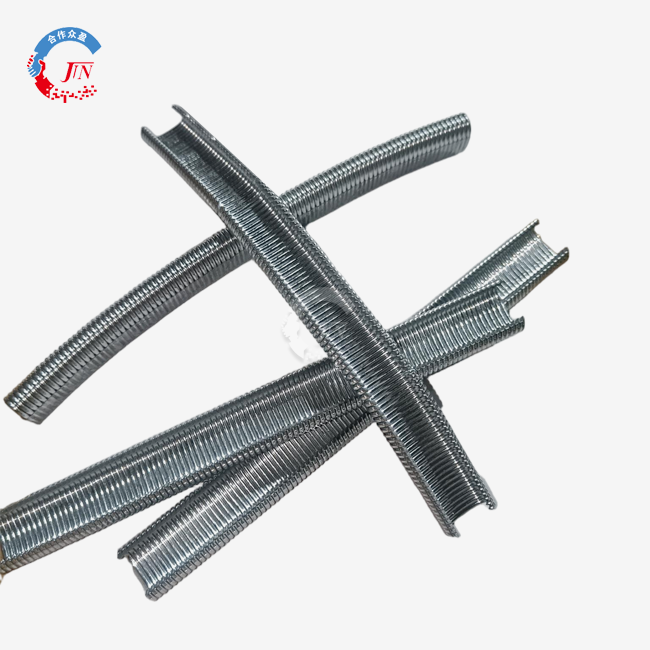
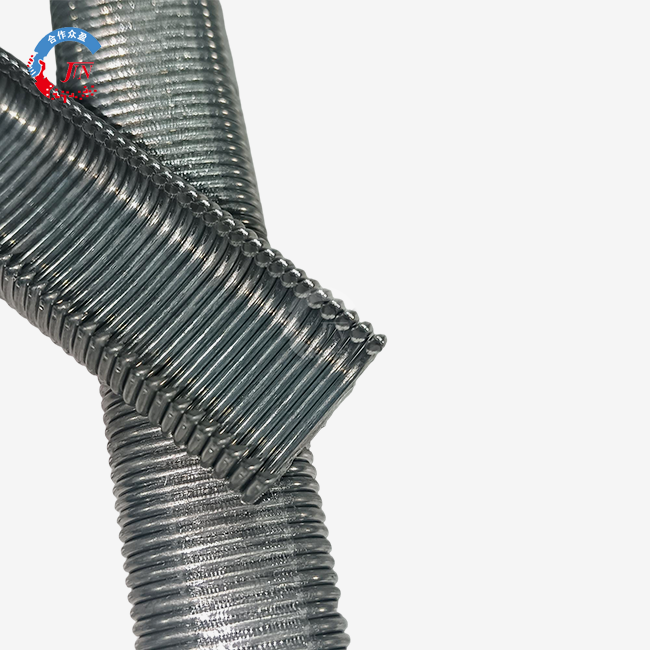
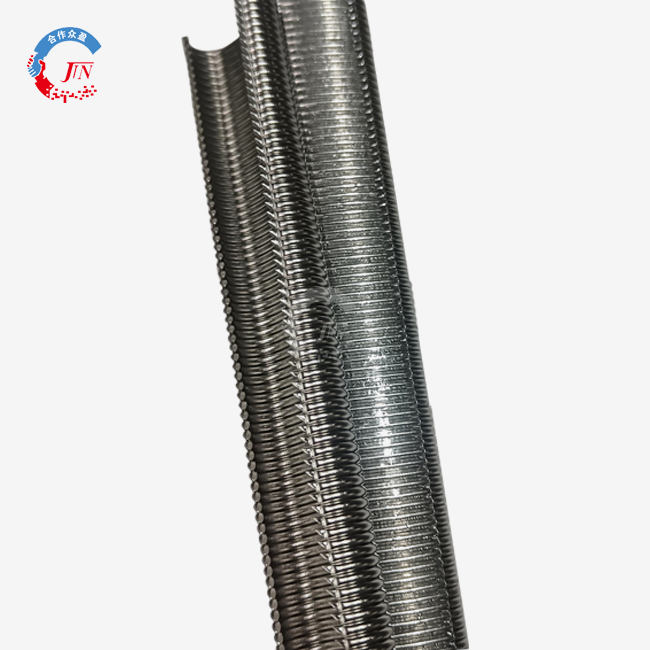
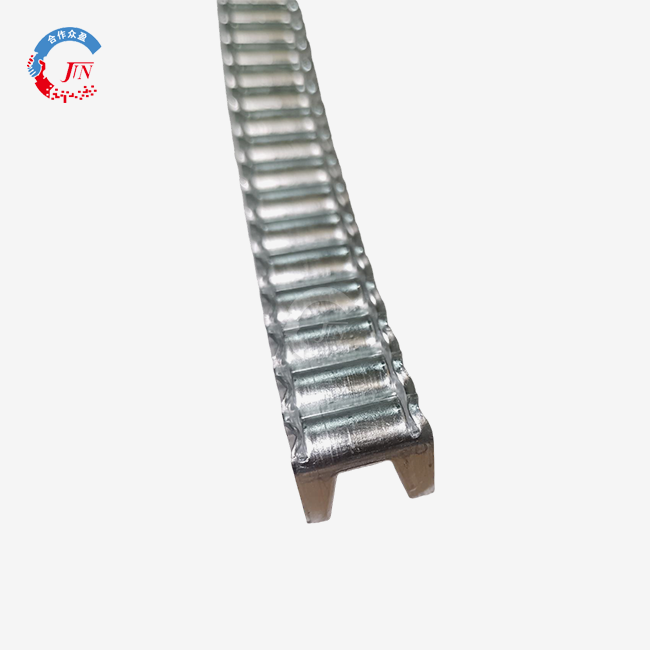
A galvanized C type ring is a precision-formed steel wire fastener with a protective zinc coating, widely used to connect and secure gabion mesh panels and wire cage structures. In civil engineering, agricultural fencing, and cage manufacturing, this small component carries serious structural responsibility. When you choose the right ring — matched to the right gauge, coating, and application — you get a connection that holds under load, resists moisture, and lasts for years without replacement. This guide walks through everything a B2B procurement team needs to know before placing an order.

Understanding Galvanized C Type Rings: Specifications, Benefits, and Uses
What the Product Actually Is
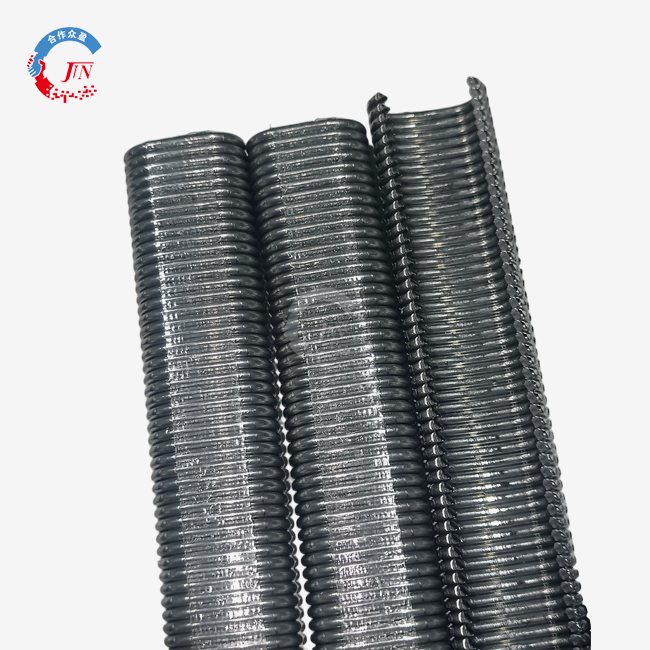
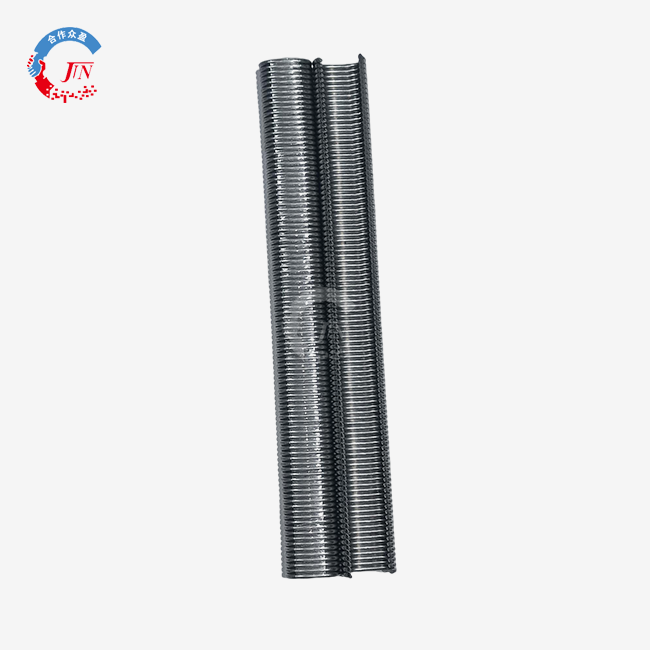
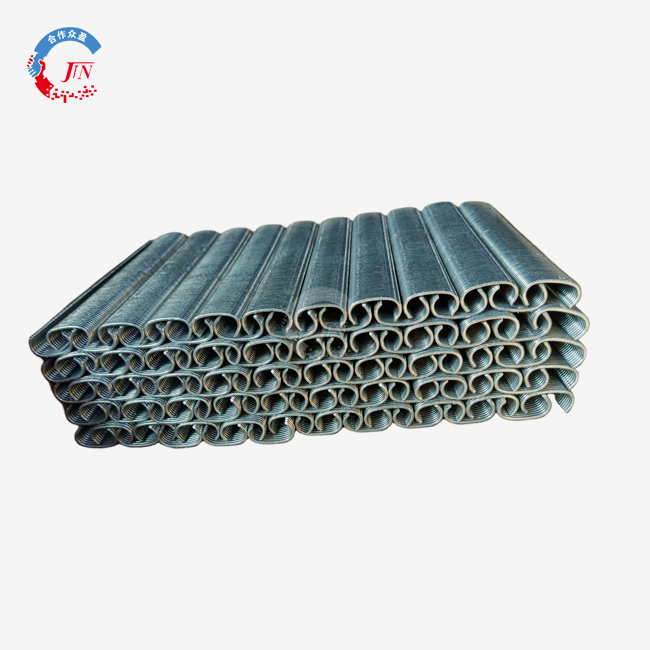
To close it, you can either squeeze it shut by hand or use a pneumatic tool. The steel wire is short and bent. A hog ring is another name for a C-type ring. Two places where wires meet are locked together by the ring. These rings are put along each seam of a gabion basket to make it stronger. The wire's diameter is usually between 1.6 mm and 3.0 mm, and its tensile strength is over 700–900 MPa, which is important for mesh applications that need to hold weight.
How Galvanization Works and Why It Matters
The zinc coating that is added during galvanization works as a wall that is ready to be broken before the steel itself does. During hot-dip galvanization, up to 200 g/m² of zinc is added. This gives the ring good protection against dirt, water, and bad weather. There is less metal on the outside of electro-galvanized rings, but the surface is smoother. This is more important when you're inside or using a tool that is sensitive. Standards like EN 10244 and ASTM A641 are used to make both kinds.

Primary Use Environments
Galvanized C rings are used in three tough spots. They keep gabion basket holes closed against the pressure of groundwater and the earth in the field of concrete engineering. On farm and border fences near the coast or in places with a lot of humidity, people use chain-link or wire mesh panels. Over and over, they squeeze and shake the fabric to attach it to the wire frames. In the mattress business and in auto upholstery, this is done. There are different wire gauges and zinc-coating weights that need to be used in different places.
Comparing Galvanized C Type Rings with Alternative Materials
Galvanized vs. Stainless Steel
An environment with salt water or marine life is better for bands made of stainless steel, especially Grade 316. Each one costs a lot more, but it lasts longer. Hot-dip galvanized rings are a much cheaper way to protect wood from rust for most gabion and land-based fence needs. Most of the time, you don't need stainless steel unless the job will be in close contact with salt water or high tide.
Galvanized vs. Zinc-Plated (Electro-Galvanized)
Hot-dip rings have a zinc layer that is 45–85 μm thick, while zinc-plated rings have a layer that is 5–15 μm thick. Galvanized C Type Ring Products are ideal for indoor applications where appearance matters and tool access is limited, such as sofa reupholstering, mattress assembly, and car seat manufacturing. Hot-dip galvanized rings, with their thicker zinc coating, are better suited for outdoor gabion applications exposed to rain, soil, and moisture.
Material Comparison at a Glance
Click on the link below to quickly find the right type of ring for your team:
| Material | Zinc Layer | Best For | Relative Cost |
|---|---|---|---|
| Hot-Dip Galvanized | 45–85 μm | Outdoor, soil, water | Medium |
| Electro-Galvanized | 5–15 μm | Indoor, upholstery | Lower |
| Stainless Steel 316 | N/A | Marine, saltwater | High |
| Black Oxide | None | Dry indoor only | Lowest |
Before you get prices or examples, this table will help you pick the right stuff.
How to Choose the Right Galvanized C Type Ring for Your Project
Matching Ring Size to Mesh Specifications
The ring gauge must match the width of the wires in the gabion mesh that is being put together. Either the joint is loose and moves around when it's loaded, or the ring gets stuck in the air tool and won't work. Most standard sizes are 15 or 16 gauge, but the thickness of the mesh wire and the size of the tool magazine need to be checked against each other. When procurement teams place big orders, they should ask for 3D models and check the open-width limits.
Evaluating Supplier Quality Certifications
The salt spray test should be recorded for 72 to 96 hours according to ASTM B117, and there should be no red rust. The zinc covering mass data and physical inspection reports should also be provided. It is also important to be able to make enough. Line stops caused by late supplies are less likely to happen if suppliers keep stock on hand and offer wait times of 3–5 days.
Custom Sizing and Logistics Planning
For some gabion projects or cage buildings, Galvanized C Type Ring products may need to be available in different sizes to meet specific engineering requirements. Manufacturers with a good reputation support sample-based production. In other words, your engineering team can provide the factory with a product sample or technical drawing, and the factory will manufacture the rings accordingly. If you need a customized product, the lead time will likely be longer, so plan your procurement timelines accordingly. Working with a manufacturer near a major port like Tianjin Port can also help streamline international shipping and reduce the risk of transportation damage.
Bulk Purchase and Sourcing Strategies for Galvanized C Type Rings
When a production company needs a lot of goods every day, they usually buy them in bulk. People who buy in bulk save money because the price per unit goes down and shipping costs go down. These are the best ways for B2B buyers to always make a purchase:
- Annual supply agreements with your galvanized C ring manufacturer lock in pricing and guarantee inventory allocation. This protects your production schedule during market price fluctuations in zinc or steel wire.
- Full-pallet shipments reduce cargo damage rates compared to mixed or partial loads. Suppliers near major ports can consolidate orders efficiently and dispatch within a short window.
- Pre-production samples should always be tested in your actual pneumatic tools before committing to a full order. A ring that feeds cleanly and crimps consistently in testing will perform the same way on the production floor.
If you sign an annual supply agreement with the company that makes your galvanized C rings, you can lock in prices and make sure you have enough stock. You can keep making things even if the market price of zinc or steel wire changes.- There is less damage to full-pallet shipping than to mixed or partial loads. When suppliers are near big ports, they can quickly pack up orders and ship them out.
You should always test pre-production samples of the Galvanized C Type Ring with your actual air tools to ensure proper compatibility before placing a bulk order. A ring that feeds smoothly and crimps consistently during testing is more likely to deliver reliable performance on the production floor.
Maintaining Quality and Ensuring Optimal Performance Over Time
Installation Best Practices
The pressure at which the crimps are made should not change during installation. Some rings move when they are loaded, while others crack the zinc layer and let the base steel rust. For each ring gauge, the air tool pressure should be set to the level recommended by the maker. It's important to check this often during shifts.
Inspection and Early Corrosion Detection
A fine, white layer on the zinc's surface called "white rust" means the coating is beginning to come off. It doesn't change how well the system works right away, but it does show that the zinc layer is getting smaller. Keep rings in dry, well-ventilated places and pack them in VCI (Vapor Corrosion Inhibitor) to slow down this process while they are being stored. As part of regular maintenance, most civil engineering rules say that gabion structures should be looked at once a year.
When to Upgrade to a Higher-Performance Ring
If a structure is in an ISO 9223 corrosivity category of C4 or C5, it might not last as long as it was supposed to. This can happen in heavily polluted industrial sites or industrial coastal zones. That being said, high-aluminum zinc-alloy finishing or stainless steel rings are the best way to make it better.
Conclusion
To pick the best Galvanized C Type Ring for gabion mesh and wire cage assembly, you need to do four things: make sure the wire gauge fits the mesh; choose the right coating weight for the exposure environment; check that the dimensions work with your pneumatic tools; and work with a supplier who keeps quality and inventory levels stable. When rings are hot-dip galvanized, they can be used inside or outside. For some choices, there are upgrade options. If you place the ring correctly and check it regularly, it will keep your buildings safe and your production line going smoothly.
FAQ
What is the difference between hot-dip and electro-galvanized C rings?
By adding up to 200 g/m² of zinc, hot-dip galvanization makes the metal stronger. This makes it perfect for use outside where it will touch the ground, like in gabion baskets. Electric-galvanized rings are better for use in furniture or mattress companies that don't have a lot of room for tools because the finish is thinner and smoother.
Can I order custom sizes for a specific gabion mesh project?
Yes. Companies such as TJJZ offer sample-based production. The factory will make rings with the exact open-width and wire size you need if you send them a sample or technical plan.
How long does galvanization last outdoors?
ISO 9223 says that a hot-dip galvanized ring with 85 μm of zinc should last 20 to 30 years in a standard C3 corrosivity environment. This means that it should be left outside in a city or light industrial setting. The covering should start to break down after that, and it should become a problem for the structure.
Will these rings work with any pneumatic tool?
No, the magazine of the tool has to match the crown width and ring gauge. Before you place an order, you should always make sure that the sizes fit. TJJZ gives dimensional data sheets for each product grade to help with tool matching.
How should I store galvanized C rings to prevent white rust?
Keep rings in a dry, well-ventilated place with VCI packing. Do not put bags right on concrete floors, where water can gather.
Partner With TJJZ for Dependable Galvanized C Ring Supply
This company, Tianjin Jinzhuang New Materials Technology Co., Ltd. (TJJZ), has been making C-ring staples since 2015 and always has stock ready to go. Three to five days are needed for production. When you ask a question, our Galvanized C Type Ring supplier team answers it in three minutes or less, and from Tianjin Port, they ship full pallets of orders. If you need a trial or bulk price right away, email our team at userID@jinzhuangfastener.com or visit jinzhuangfastener.com. This is true whether you need rings that are already in stock or rings that are made just for you.
References
1. ASTM International. ASTM A641/A641M: Standard Specification for Zinc-Coated (Galvanized) Carbon Steel Wire. ASTM International, 2020.
2. European Committee for Standardization. EN 10244-2: Steel Wire and Wire Products — Non-Ferrous Metallic Coatings on Steel Wire. CEN, 2009.
3. International Organization for Standardization. ISO 9223: Corrosion of Metals and Alloys — Corrosivity of Atmospheres — Classification, Determination and Estimation. ISO, 2012.
4. ASTM International. ASTM B117: Standard Practice for Operating Salt Spray (Fog) Apparatus. ASTM International, 2019.
5. Broomfield, John P. Corrosion of Steel in Concrete: Understanding, Investigation and Repair. Taylor & Francis, 2007.
6. McKittrick, W., and Darlington, R. Gabion Structures and Their Engineering Applications in Erosion Control. Thomas Telford Publishing, 2003.
Learn about our latest products and discounts through SMS or email