- English
- French
- German
- Portuguese
- Spanish
- Russian
- Japanese
- Korean
- Arabic
- Greek
- German
- Turkish
- Italian
- Danish
- Romanian
- Indonesian
- Czech
- Afrikaans
- Swedish
- Polish
- Basque
- Catalan
- Esperanto
- Hindi
- Lao
- Albanian
- Amharic
- Armenian
- Azerbaijani
- Belarusian
- Bengali
- Bosnian
- Bulgarian
- Cebuano
- Chichewa
- Corsican
- Croatian
- Dutch
- Estonian
- Filipino
- Finnish
- Frisian
- Galician
- Georgian
- Gujarati
- Haitian
- Hausa
- Hawaiian
- Hebrew
- Hmong
- Hungarian
- Icelandic
- Igbo
- Javanese
- Kannada
- Kazakh
- Khmer
- Kurdish
- Kyrgyz
- Latin
- Latvian
- Lithuanian
- Luxembou..
- Macedonian
- Malagasy
- Malay
- Malayalam
- Maltese
- Maori
- Marathi
- Mongolian
- Burmese
- Nepali
- Norwegian
- Pashto
- Persian
- Punjabi
- Serbian
- Sesotho
- Sinhala
- Slovak
- Slovenian
- Somali
- Samoan
- Scots Gaelic
- Shona
- Sindhi
- Sundanese
- Swahili
- Tajik
- Tamil
- Telugu
- Thai
- Ukrainian
- Urdu
- Uzbek
- Vietnamese
- Welsh
- Xhosa
- Yiddish
- Yoruba
- Zulu
How to Choose 1 Inch Hog Rings for Heavy-Duty Netting Applications
Choosing the right 1 inch hog rings for heavy-duty netting starts with understanding your application's load requirements, wire gauge, and environmental exposure. A 1-inch crown width makes these rings ideal for bridging thick or multi-layered substrates — tasks where smaller fasteners fail. Whether you're securing gabion baskets, livestock fencing, or automotive upholstery frames, the correct material grade, gauge thickness, and tool compatibility directly determine how long your installation holds up under real-world stress. This guide walks procurement professionals through every key decision point.

Understanding 1 Inch Hog Rings and Their Applications
What Are 1 Inch Hog Rings?
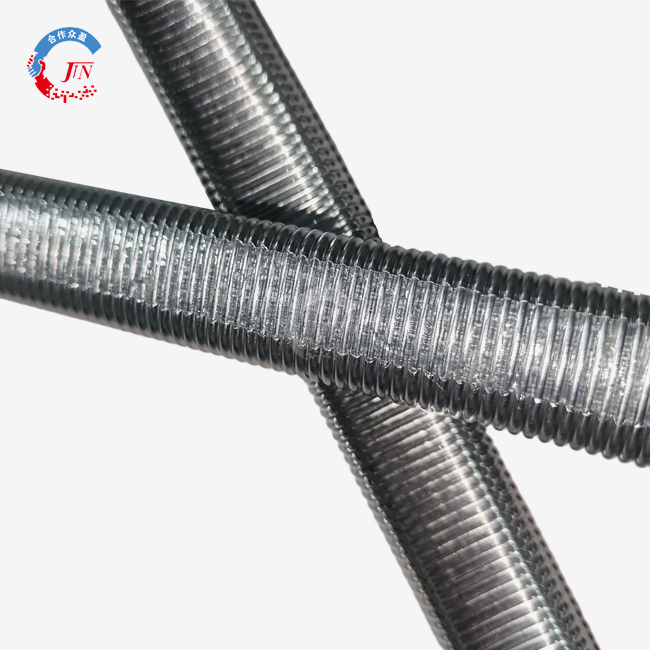
The top width of a 1-inch hog ring before it is closed is exactly 1 inch. It is either C-shaped or D-shaped and is made of heavy-gauge wire. The 9-gauge or 11-gauge wire used to make these rings is carefully shaped to give them great twisting strength across wire-to-wire links. The crown is very wide, so it can go around thick nets, insulation layers, or wire bundles that thinner fasteners can't. When C-style rings close, they make a round loop. When D-style rings close, they make a flatter crimp for parts that are not flexible.
Common Materials and Coatings
304 stainless steel, 316 stainless steel, and hot-dip galvanized steel are the three major types of steel on the market. As per ASTM A641, hot-dip galvanized rings have the right amount of zinc on them and are the most popular way to build an outdoor farm fence or gabion. It is good for general industrial settings to use 304 stainless steel. But 316-grade stainless steel, which has more molybdenum, doesn't get scarred by chloride, which is why professionals recommend it for places near the ocean or coast.

Where These Rings Are Used
These rings are used in many areas. In civil engineering, gabion baskets are put together in a way that makes them strong enough to handle constant water pressure. Truck and boat seat frames are locked with thick, multi-layer foam and plastic when heavy padding is done for cars and boats. To keep animals inside and protect the edges of an agricultural fence, high-tensile chain-link mesh is joined to 7-gauge tension wire. Because the span is 1 inch, you can connect several thick wire strands without breaking the structure loop.
Criteria for Choosing the Right 1 Inch Hog Rings for Heavy-Duty Netting
Match Wire Gauge to Application Load
The gauge width is directly linked to the pull-out resistance. For load-bearing gabion or security fencing, 9-gauge rings are the standard because they don't bend when they're under tension all the time. There is no need to over-crimp 11-gauge rings because they are strong enough to hold farm netting or softer furniture with a thinner substrate wire. A measure that isn't right for the job is one of the main reasons why fasteners break early in practice.
Prioritize Corrosion Resistance Based on Environment
The choice of material for 1 inch hog rings should be based on the exposure profile of the screen, not just the price. At the very least, hot-dip galvanized rings are needed for outdoor farming and erosion control applications. Where salt air, fertilizer runoff, or chemical wash-down is present, 316-grade stainless steel is essential. Cheaper coatings are likely to rust within 12 to 18 months, weakening structural joints and requiring re-fastening. This leads to additional maintenance costs that no production manager wants to face.
Verify Tool Compatibility Before Ordering
Heavy-duty hand hog ring pliers or wide-jaw hydraulic tools made for this crown width are what you need for 1-inch rings. A regular 3/4-inch tool will jam and not crimp properly, leaving gaps in the seals that will break when they're put under stress. Before you buy a lot, make sure that the tools you already have can handle 1-inch rings. If not, you will have to pay extra for new tools on top of the price of the rings you want to buy. You can make sure the tools fit before you buy the whole set if the seller gives you sample sets before you order a lot.
Comparing Types and Variants of 1 Inch Hog Rings
Stainless Steel vs. Galvanized: A Practical Comparison
Outside, galvanized rings last longer and cost less per unit as long as the weight of the zinc layer meets ASTM A641. Stainless steel rings are more expensive at first, but they don't need to be treated again and again as they wear out. If you put them somewhere that is likely to rust, this makes them cheaper over five to ten years. When purchasing managers who are in charge of yearly deals look at the total cost of ownership, not just the unit price, they often find that stainless steel is the better choice for heavy-duty setups.
1 Inch vs. 1.25 Inch: Sizing Decisions
It can be used for tasks that need extra-thick wire packages or stacked layers of netting because the 1.25-inch version has a wider closing loop. The 1-inch size, on the other hand, gives enough wrap depth with less waste per ring for heavy-duty netting uses with single-strand or double-strand wire. If the ring is too big for the wire, it makes a free crimp that spins when the system is moved around. It has been seen in gabion repair studies that this kind of structure can fail.
Heavy-Duty Hog Rings vs. Staples and Clips
Staples and clips work well for attaching flat materials to frames, such as padding or fabric. However, 1 inch hog rings are better suited for joining two wire strands under high tension because they form a tight mechanical loop around both wires. This loop distributes the load across the entire ring body, providing a more secure connection. Compared with screws, chain link fasteners such as rings can offer better resistance to wire separation under tensile stress. For structural fencing and gabion applications, rings are often the preferred fastening solution when required by the applicable standards.
How to Use and Install 1 Inch Hog Rings Effectively for Netting Applications
Tools and Protective Gear You Need
First, make sure you have the right tools for the job. A pneumatic hog ring tool for 1-inch rings works best when the PSI level is between 90 and 120. It's fine to use hand hog ring tools for small repair jobs, but they get tired quickly when used for production runs. If the ring doesn't feed right, it can fly out with a lot of force, so always wear safety glasses. Putting in place heavy-duty gloves to protect your hands from the wire ends.
Step-by-Step Fastening Technique
Put the ring tool's jaws around both wire strands before you squeeze. To make sure the ring is closed all the way, steady full-stroke pressure is needed. As long as you only squeeze the ring a little, it's still open enough to slip under load. To build gabions according to ASTM C1260 or a similar set of rules, space rings no more than 12 inches apart along the seams of each panel. Once the seal is crimped, run a covered finger along it to make sure there is no wing-out. If there is, it means the tool couldn't handle the thick wire diameter.
Common Installation Challenges and Fixes
With mesh corners that are too close together or when attaching nets to rigid frames, it can be hard to get to your tools. With extended-nose hog ring tools, you can reach areas that are out of reach by an extra 2 to 3 inches. Won't the 1 inch hog rings close all the way? Either reduce the size of the wire bundle or raise the air pressure in the tool to a level within the recommended range. When rings break during crimping, it means the material may be too brittle. Instead of these rings, choose ones manufactured to meet ASTM A580 ductility standards.
Bulk Purchasing and Supplier Considerations for 1 Inch Hog Rings
Understanding Packaging and Pricing Models
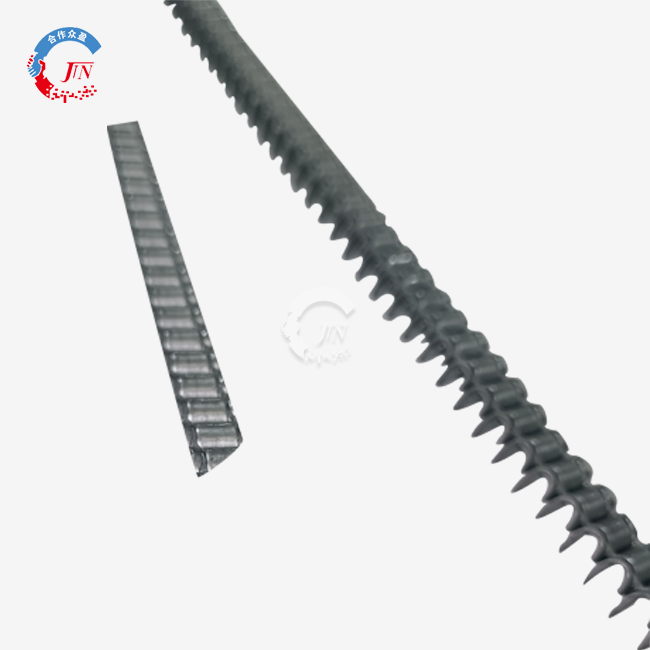
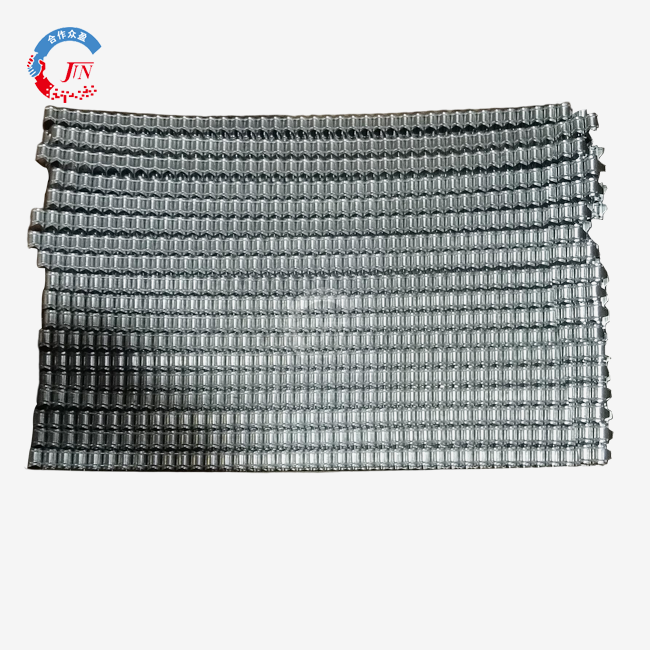
For hand tools, industrial 1-inch hog rings are usually sold in large, loose groups. For pneumatic tools, they are sold in strips of 40 to 50 rings. The number of pieces in a box varies based on the gauge and material. You should add up the shipping weight (galvanized rings are lighter per unit than stainless steel rings) and check to see if the seller offers full-pallet shipping, which lowers the risk of freight damage per unit.
Supplier Reliability and Certification Factors
A provider's licenses can tell you a lot about how well they check the quality of their work. If you need to, make sure that the wire coatings meet ASTM A641 or A580 and that the company does business in line with ISO 9001. There is less specification risk on custom orders when suppliers make Products based on models that customers give them. This is just as important as the production lead time. Production lines won't be stopped by lack of goods if you have them on hand and a lead time of 3 to 5 days.
Value-Added Services That Matter for B2B Buyers
Services like quick order response, flexible minimum order amounts, and custom packaging choices make it much easier to find what you need when you buy a lot of things on a regular basis. Freight has to travel less distance on land when providers are close to major export ports. This means that goods are less likely to get damaged before they get to the customer. There is a big difference between a reliable long-term supplier and a one-time deal when it comes to logistics.
Conclusion
It's important to find a heavy-duty wire fastener that fits four things: the material grade should be right for the job, the gauge should be right for the load, the ring size should be right for the wire diameter, and 1 inch hog rings should come from a supplier who can provide consistent sizes with no burrs or coating flakes and maintain reliable inventory for on-time delivery. When these four factors align, installation is easier, production stays on track, and your linked structures can remain secure for years without frequent repairs.
FAQ
What is the difference between C-style and D-style 1 inch hog rings?
C-style rings close into a rounded loop, making them better suited for flexible materials like upholstery or rope. D-style rings produce a flatter crimp with more surface overlap, which is preferred for rigid wire-to-wire structural connections where rotational movement must be prevented.
Can I use these rings with a standard 3/4-inch pneumatic tool?
No. A 3/4-inch tool cannot properly feed or crimp a 1-inch ring. You need a pneumatic tool with a jaw width specifically designed for the 1-inch crown to achieve a complete, structurally sound closure.
Which material grade is best for outdoor agricultural fencing?
Hot-dip galvanized steel meets the performance requirements of most agricultural fencing applications and complies with ASTM A641. For coastal farms or high-humidity environments with fertilizer exposure, 316-grade stainless steel offers longer service life.
What causes rings to wing out or fail to close fully?
The most common causes are wire diameter exceeding the ring's rated closure capacity or insufficient tool air pressure. Both result in incomplete crimps. Verify that your wire bundle diameter falls within the ring's specified closure range before production.
How many rings come in a standard industrial strip?
Standard pneumatic-collated strips contain 40 to 50 rings. They use high-quality collation tape or adhesive that leaves no residue inside the tool magazine, preventing feed jams during high-volume runs.
Get Reliable 1 Inch Hog Ring Supply from TJJZ
Since 2015, Tianjin Jinzhuang New Materials Technology Co., Ltd. (TJJZ) has been making C-ring screws all the time. We can make your 1 inch hog rings in 3–5 days after getting your order. They come in both galvanized steel and stainless steel grades. Since we are close to Tianjin Port, we can only ship full box loads. This keeps the amount of damage low. You can trust our company to make 1 inch hog rings, and we can take on special orders based on models. Go to jinzhuangfastener.com or email us at userID@jinzhuangfastener.com right away to get examples or a price for a lot of them.
References
1. ASTM International — ASTM A641: Standard Specification for Zinc-Coated (Galvanized) Carbon Steel Wire, ASTM International, 2020.
2. ASTM International — ASTM A580: Standard Specification for Stainless Steel Wire, ASTM International, 2021.
3. Wire Reinforcement Institute — WRI Manual of Standard Practice: Structural Welded Wire Reinforcement, Wire Reinforcement Institute, 2019.
4. Journal of Construction Engineering and Management — "Corrosion Performance of Galvanized Steel Fasteners in Outdoor Agricultural Structures," ASCE, 2018.
5. Gabion Technologies Inc. — Gabion Design and Installation Guide: Engineering Standards for Erosion Control Applications, Gabion Technologies Inc., 2020.
6. Industrial Fastener Institute Handbook — "Mechanical Properties and Testing Standards for Formed Wire Fasteners," Industrial Fastener Institute, 2017.
Learn about our latest products and discounts through SMS or email