- English
- French
- German
- Portuguese
- Spanish
- Russian
- Japanese
- Korean
- Arabic
- Greek
- German
- Turkish
- Italian
- Danish
- Romanian
- Indonesian
- Czech
- Afrikaans
- Swedish
- Polish
- Basque
- Catalan
- Esperanto
- Hindi
- Lao
- Albanian
- Amharic
- Armenian
- Azerbaijani
- Belarusian
- Bengali
- Bosnian
- Bulgarian
- Cebuano
- Chichewa
- Corsican
- Croatian
- Dutch
- Estonian
- Filipino
- Finnish
- Frisian
- Galician
- Georgian
- Gujarati
- Haitian
- Hausa
- Hawaiian
- Hebrew
- Hmong
- Hungarian
- Icelandic
- Igbo
- Javanese
- Kannada
- Kazakh
- Khmer
- Kurdish
- Kyrgyz
- Latin
- Latvian
- Lithuanian
- Luxembou..
- Macedonian
- Malagasy
- Malay
- Malayalam
- Maltese
- Maori
- Marathi
- Mongolian
- Burmese
- Nepali
- Norwegian
- Pashto
- Persian
- Punjabi
- Serbian
- Sesotho
- Sinhala
- Slovak
- Slovenian
- Somali
- Samoan
- Scots Gaelic
- Shona
- Sindhi
- Sundanese
- Swahili
- Tajik
- Tamil
- Telugu
- Thai
- Ukrainian
- Urdu
- Uzbek
- Vietnamese
- Welsh
- Xhosa
- Yiddish
- Yoruba
- Zulu
3/16 Hog Rings for Precision Wire Mesh and Netting Assembly
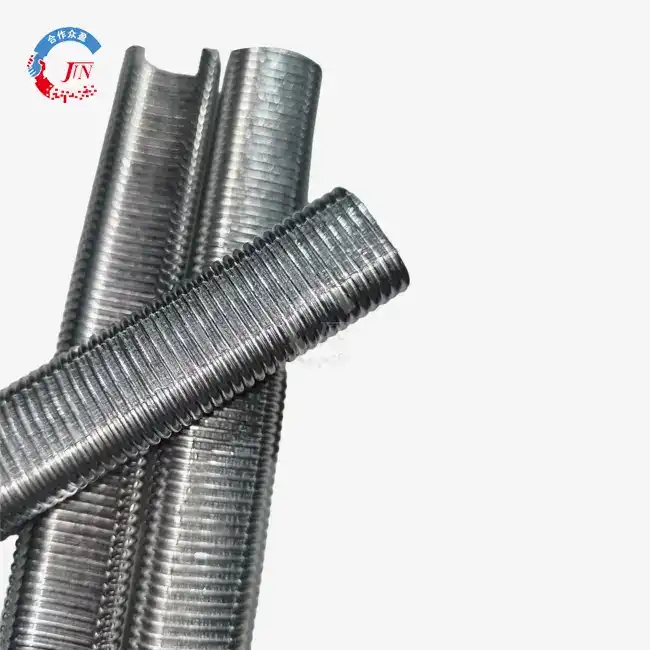
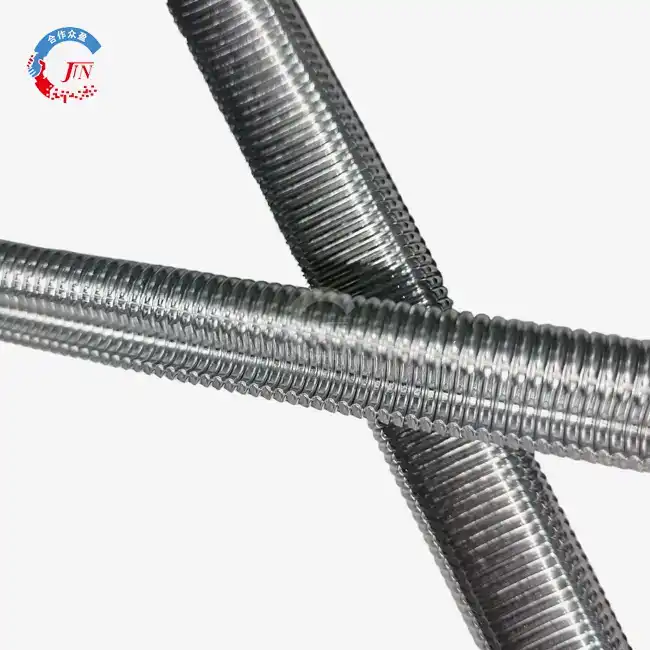
When your production line depends on tight, reliable wire connections, the fastener you choose matters more than most people realize. The 3 16 hog rings I want to walk you through today are a specific-gauge C-shaped fastener engineered for wire mesh joining, netting assembly, cage construction, and upholstery securing. Manufactured from Grade 316 stainless steel or galvanized steel, these rings measure 3/16 inch in diameter and deliver the tensile strength—typically 70,000 to 90,000 psi—needed for demanding B2B applications across agriculture, automotive, furniture, and industrial fencing sectors.


Understanding 3/16 Gauge Hog Rings and Their Applications
What Makes This Gauge Distinct?
The 3/16-gauge is in the middle of the 14-gauge and 18-gauge choices. It strikes a balance between structural strength and crimping flexibility that can't be found anywhere else. In wire mesh assembly, this means that the ring doesn't crack when it's loaded or bend when it's crimped—two types of failure that really mess up production.
Core Materials: Stainless Steel vs. Galvanized
Because it has 2–3% molybdenum, Grade 316 stainless steel has a Pitting Resistance Equivalent Number (PREN) that is high enough to stop corrosion caused by chloride. Galvanized steel is a cheap alternative that can be used in dry or low-humidity areas. When buying fasteners for animal cages outside, coastal fencing, or aquaculture nets, procurement teams should make sure they are 316 stainless. Galvanized rings work effectively and cost less per unit when used to fix furniture springs or fabric inside.

Where 3/16 Rings Are Used Across Industries?
These rings show up in many areas. They are used to connect hexagonal wire mesh pieces in chicken cages. Manufacturers of car seats crimp them to keep the spring assemblies inside the cushion frames. They are needed by mattress factories to connect pocket spring units to border wire. They are used by fencing companies to connect gabion baskets and security barrier wire. The uniform size range of the ring and its smooth feeding performance in pneumatic tools make it useful for all uses.
How to Use 3/16 Gauge Hog Rings Effectively in Wire Mesh Assembly?
Tools You Need Before You Start
Getting the right tools is the first step to a proper installation. For small jobs, manual hog ring pliers work, but pneumatic hog ring guns make automated lines much more productive. For 3/16 rings in particular, make sure that the jaw width and throat depth of the tool match the ring gauge. Using the wrong tools is the most common reason why crimps and rings deform.
Step-by-Step Installation Process
Place the open 3 16 hog rings around the two wire strands you want to join, and then firmly squeeze the tool handles or trigger until the ring closes all the way. It's important that the closed loop doesn't leave any holes between the lines. Make sure the pressure stays the same. A ring that isn't properly crimped can slip when it's pulled, while a ring that is too crimped could crack at the joint. Test-crimp ten rings at the start of each shift for high-volume mesh assembly to make sure the tools are calibrated.
Avoiding Common Installation Errors
When loading and firing hog rings, always wear gloves that won't cut you and safety glasses. Wire ends can spring out of nowhere. If the feed gets stuck, make sure the rings are properly seated in the magazine and that the tool spring tension is correct. Weak connection points are generally caused by a worn tool jaw rather than a broken ring, so keep track of when to service tools the same way you keep track of how many fasteners you use.
Selecting the Best 3/16 Gauge Hog Rings for Your Procurement Needs
Material and Coating Selection Criteria
Your material is determined by your environment. 316 stainless steel is needed because it can handle high humidity, chemical wash-down, and salt spray. It meets the standards set by ASTM A276 and ASTM A493. Galvanized or zinc-aluminum alloy finishes offer good corrosion protection at a lower cost for protected internal uses like fixing couch springs or putting together car seats. When you order stainless grades, you should always ask your supplier for a Material Test Report (MTR) to make sure the molybdenum content is correct.
Comparing Supplier Options for Bulk Orders
For example, Vigor, Pony, Arrow, Grip-Rite, and IDEAL are some of the well-known names that sell hog rings in North America. Different price levels and minimum order amounts apply to each brand. When B2B buyers place recurring bulk orders, the most important things that set one supplier apart from another are consistent dimensions, feeding performance data, and the ability of the supplier to hold buffer inventory. A provider that answers questions right away and ships within 3–5 days of confirmation of order takes away a big risk from your production plan.
Bundle Options and Cost Efficiency
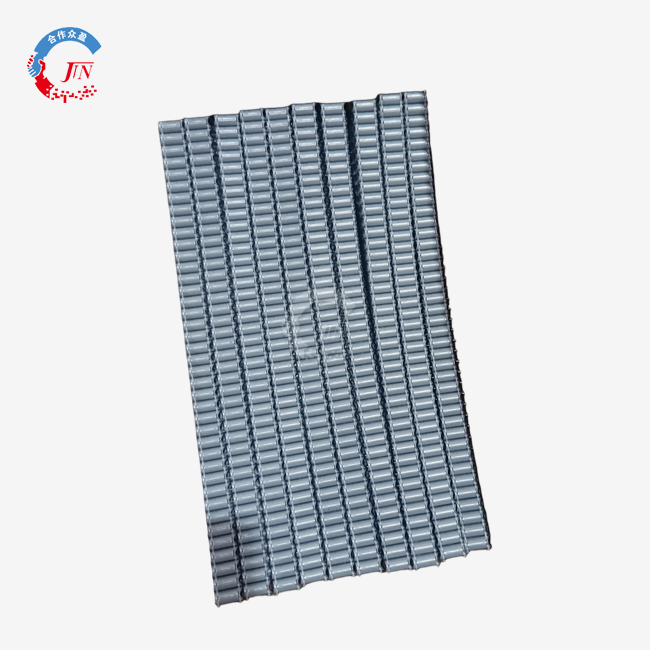
Buying hog rings with pliers or pneumatic tools that work with them often lowers the total cost of buying things for each assembly cycle. Value pack forms, which usually have 500 to 5,000 rings per box, lower the price per unit while keeping supplies stable. When buyers are in charge of yearly supply deals, they should discuss tiered pricing based on quarterly volume commitments instead of single-order quantities. This makes the cost more stable across fiscal periods.
Enhancing Wire Mesh Assembly Efficiency with 3/16 Gauge Hog Rings
Process Improvements on the Assembly Line
Manufacturers of cage equipment say that switching from hand-crimping to air tools for 3/16-gauge wire rings can cut the time it takes to attach each unit by 40–60%. Ergonomic gas guns keep operators from getting tired during long shifts, which directly cuts down on mistakes and product returns. Putting ring feeders at arm height and loading magazines before shifts start cuts down on idle time even more.
After optimizing their hog ring process, manufacturers usually report the following gains in real-world efficiency:
- Automotive seat assembly lines that standardized on pneumatic 3/16 ring tools reported a 35% reduction in fastening cycle time per seat unit, with fewer warranty claims related to interior fabric separation.
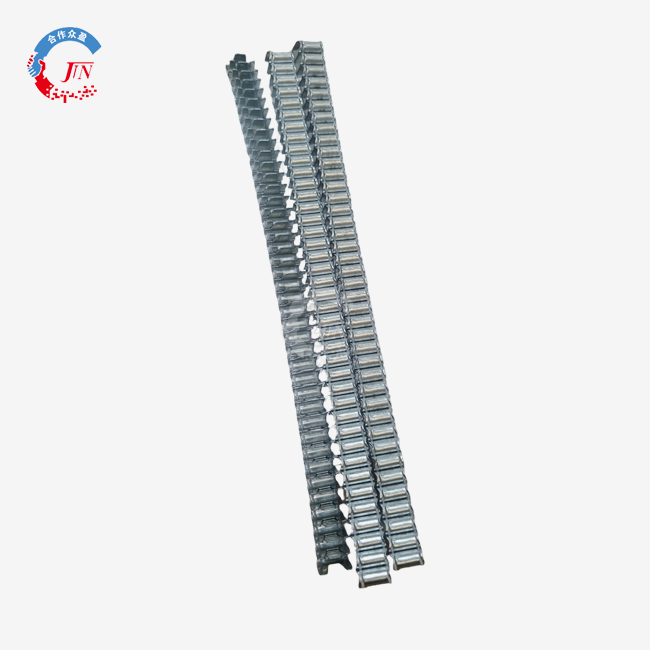
- Poultry cage producers in agricultural equipment manufacturing reduced cage panel assembly time by nearly half after replacing manual pliers with pneumatic guns loaded with pre-coiled ring strips.
- Wire mesh fencing manufacturers noted that consistent ring dimensions eliminated tool jams almost entirely, keeping production lines running without unplanned stoppages.
These results show that using the right fastener, such as 3 16 hog rings, with the right tool makes measurable improvements that are worth the money spent on them. When your rings feed easily and crimp consistently, the next steps in the assembly process go more smoothly.
Long-Term Cost Reduction Through Quality Consistency
Ring sizes that aren't always the same, even by 0.1 to 0.2 mm, stop production lines because tools get stuck. In a plant that makes a lot of cages or mattresses, an unexpected stoppage can cost more per hour than the whole batch value of an order. This secret cost can be avoided by buying from a company that strictly controls the sizes of their Products, as shown by digital caliper measurements and Neutral Salt Spray Test results that are more than 1,000 hours long.
Future Trends and Innovations in Hog Ring Technology
Advanced Coatings and Eco-Friendly Materials
In order to make hog rings last longer outside than standard galvanizing does, manufacturers are now coating them with ceramic-reinforced zinc. Bio-based lubricant coatings are also coming out on the market to replace oils made from petroleum, which is in line with green buying goals. These changes are important for business-to-business buyers who have to meet their own customers' requirements for sustainability reporting.
Automation and Smart Tooling
On production lines that need to record joint integrity for quality control, powered hog ring systems with torque feedback sensors are being used. These tools keep track of how much force is used to pinch each ring, which helps with ISO quality checks. For car Tier 1 and Tier 2 providers, this feature fills the gap between the need for fastening efficiency and the need for traceability.
Recyclability and Waste Reduction
When a product's life is over, stainless steel hog rings can be recycled in their entirety. This makes them a better choice than plastic fasteners or adhesive bonding in supply chains that care about the environment. Purchasing managers who use the ability to be recycled as a factor in evaluating suppliers are more and more likely to choose metal ring screws over plastic ones.
Conclusion
Choosing the right gauge and material for your wire mesh assembly affects production speed, product durability, and long-term cost. The 3 16 hog rings deliver a reliable middle-ground specification—strong enough for structural mesh work, flexible enough for upholstery and cage assembly. When sourced from a manufacturer with strict dimensional control, fast response times, and verifiable material certification, these rings become a quiet but important part of a production line that runs without surprises. Whether you manage a mattress factory, a cage equipment plant, or an automotive seating line, the right fastener partner makes a genuine difference.
FAQ
Are 3/16 hog rings suitable for outdoor wire mesh applications?
Yes. When manufactured from Grade 316 stainless steel, these rings resist chloride-induced pitting and can maintain structural integrity for 25 or more years in outdoor or coastal environments. Galvanized variants are appropriate for dry or sheltered outdoor conditions.
Can I use 3/16 rings with any hog ring gun?
Not necessarily. The ring gauge and crown width must match the tool's jaw specifications. Using rings in a mismatched tool produces incomplete crimps. Always verify tool compatibility before switching ring suppliers.
How do I verify that stainless steel hog rings are genuine 316 grade?
Request a Material Test Report (MTR) from your supplier. Reputable manufacturers verify chemical composition through Optical Emission Spectroscopy (OES), confirming molybdenum content between 2% and 3%.
How do I remove hog rings without damaging the mesh or fabric?
Use a ring cutter or side-cutting pliers to clip the closed ring at one point, then rotate it open carefully. Avoid pulling the ring through the wire or fabric, as this stretches or tears the material.
What is the standard pack size for bulk B2B orders?
Pack sizes typically range from 500 to 5,000 rings per box. For recurring production needs, bulk orders with tiered pricing agreements provide better cost efficiency than single-run purchases.
Get Reliable 3/16 Hog Ring Supply from TJJZ — Request a Quote Today
Since 2015, TJJZ (Tianjin Jinzhuang New Materials Technology Co., Ltd.) has given B2B manufacturers consistent C-ring fasteners that don't rust. With a lead time of 3–5 days for production and a response time of 3 minutes, our 3 16 hog rings are available in galvanized and stainless steel grades. Because we are a reliable 3 16 hog rings provider near Tianjin Port, we can handle both one-time sales and yearly contracts. To get a price, email us at userID@jinzhuangfastener.com or go to jinzhuangfastener.com.
References
1. American Society for Testing and Materials (ASTM). ASTM A276: Standard Specification for Stainless Steel Bars and Shapes. ASTM International, 2017.
2. American Society for Testing and Materials (ASTM). ASTM B117: Standard Practice for Operating Salt Spray (Fog) Apparatus. ASTM International, 2019.
3. Baddoo, N. R. "Stainless Steel in Construction: A Review of Research, Applications, Challenges and Opportunities." Journal of Constructional Steel Research, 2008.
4. Lula, R. A. Stainless Steel. American Society for Metals, 1986.
5. Peckner, D., and Bernstein, I. M. Handbook of Stainless Steels. McGraw-Hill, 1977.
6. Schweitzer, P. A. Corrosion Engineering Handbook: Fundamentals of Metallic Corrosion. CRC Press, 2006.
Learn about our latest products and discounts through SMS or email