- English
- French
- German
- Portuguese
- Spanish
- Russian
- Japanese
- Korean
- Arabic
- Greek
- German
- Turkish
- Italian
- Danish
- Romanian
- Indonesian
- Czech
- Afrikaans
- Swedish
- Polish
- Basque
- Catalan
- Esperanto
- Hindi
- Lao
- Albanian
- Amharic
- Armenian
- Azerbaijani
- Belarusian
- Bengali
- Bosnian
- Bulgarian
- Cebuano
- Chichewa
- Corsican
- Croatian
- Dutch
- Estonian
- Filipino
- Finnish
- Frisian
- Galician
- Georgian
- Gujarati
- Haitian
- Hausa
- Hawaiian
- Hebrew
- Hmong
- Hungarian
- Icelandic
- Igbo
- Javanese
- Kannada
- Kazakh
- Khmer
- Kurdish
- Kyrgyz
- Latin
- Latvian
- Lithuanian
- Luxembou..
- Macedonian
- Malagasy
- Malay
- Malayalam
- Maltese
- Maori
- Marathi
- Mongolian
- Burmese
- Nepali
- Norwegian
- Pashto
- Persian
- Punjabi
- Serbian
- Sesotho
- Sinhala
- Slovak
- Slovenian
- Somali
- Samoan
- Scots Gaelic
- Shona
- Sindhi
- Sundanese
- Swahili
- Tajik
- Tamil
- Telugu
- Thai
- Ukrainian
- Urdu
- Uzbek
- Vietnamese
- Welsh
- Xhosa
- Yiddish
- Yoruba
- Zulu
Aluminum Hog Rings for Lightweight Upholstery and Fabric Assembly
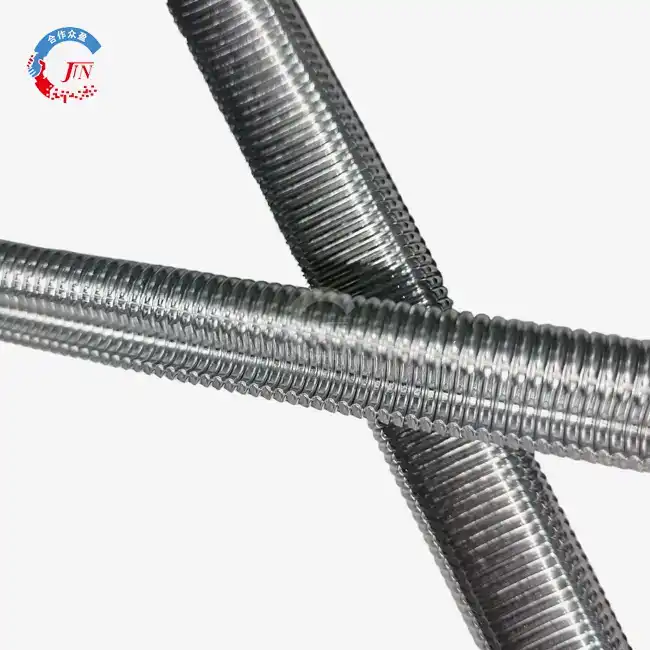
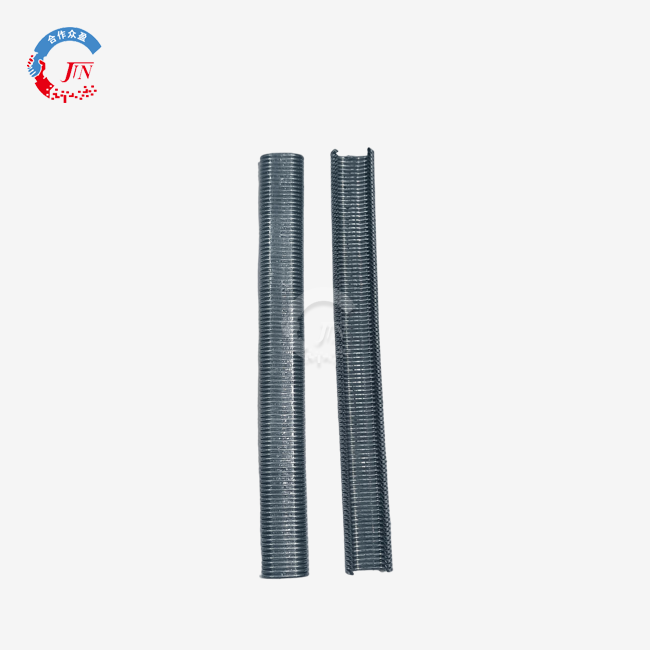
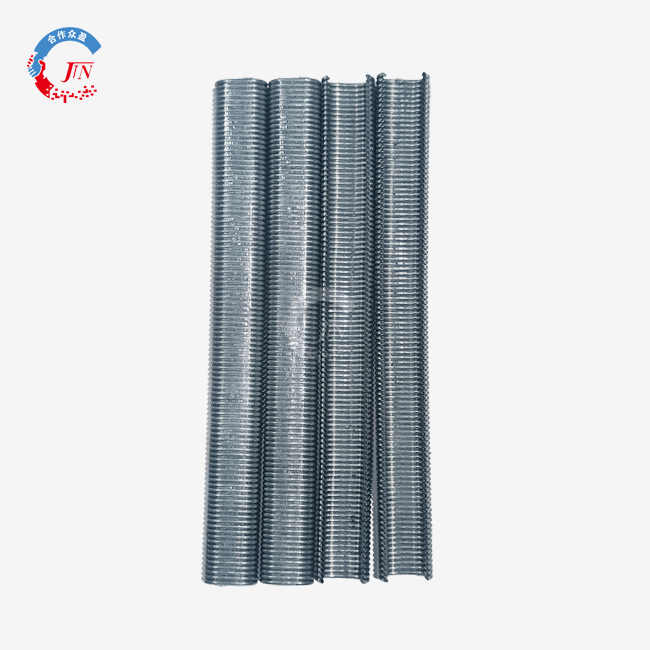
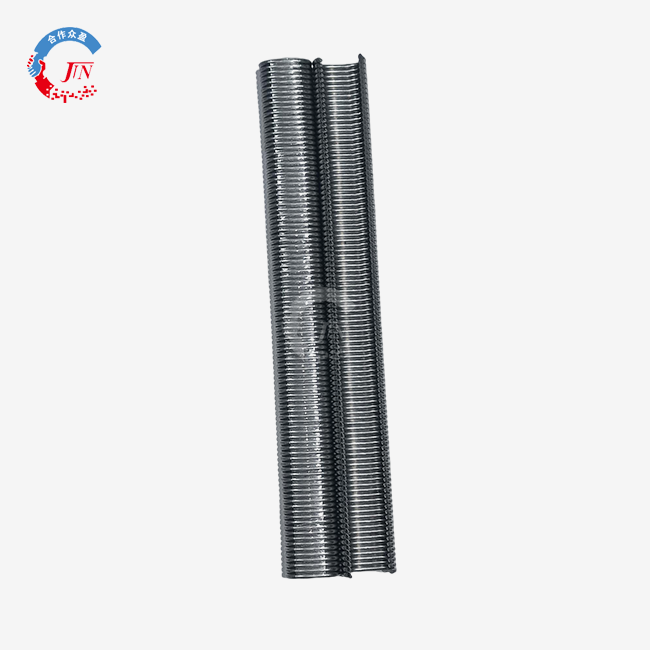
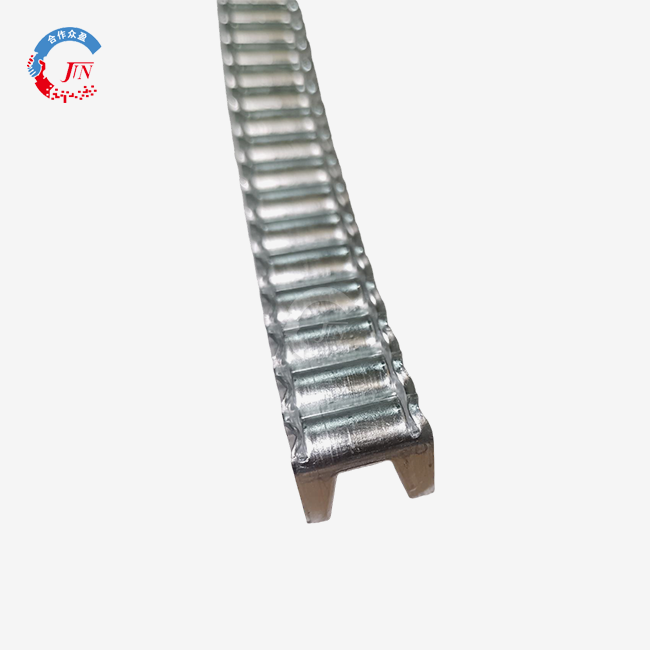
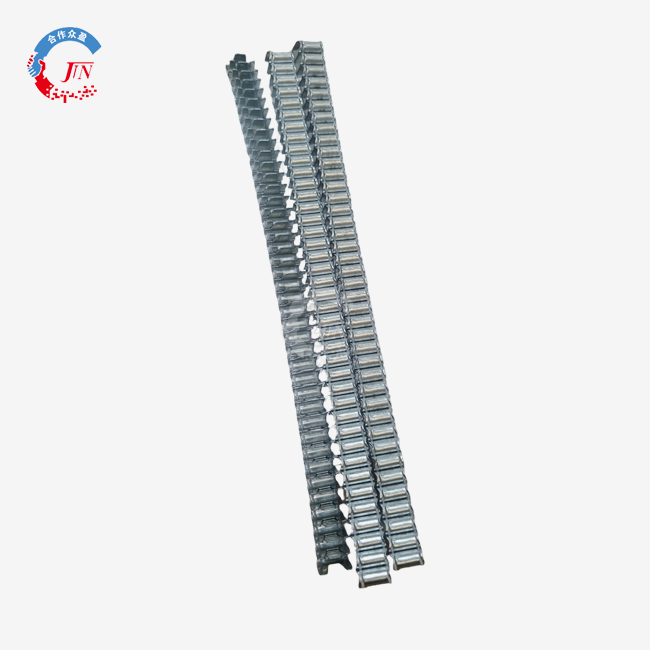
Aluminum hog rings are C-shaped or D-shaped fasteners cold-formed from aluminum alloy wire, purpose-built for lightweight upholstery and fabric assembly. Because aluminum naturally forms a protective oxide layer, these rings resist corrosion without additional coatings—making them a practical choice for automotive seating, sofa frames, mattress assembly, and industrial mesh applications. Compared to galvanized steel rings, aluminum variants weigh roughly 65% less and eliminate red-rust risk entirely. For procurement teams managing high-volume production lines where weight, speed, and appearance all matter, specifying the right ring material from the start prevents costly rework downstream.

Understanding Aluminum Hog Rings and Their Applications
What Aluminum Hog Rings Are?
Aluminum hog rings are connectors that are cold-formed from 5052 or 6061 grade aluminum alloy wire. Based on the temper, their tensile strength ranges from 25,000 to 40,000 PSI. Each wire is about 2.70 g/cm³. ASTM B211 says that the wires' width must be within ±0.02 mm and that the finish must be smooth so that they can go through vacuum ring tools without getting stuck.
Key Application Areas
There are three key places where I think these screws will be in high demand. First, car seat manufacturers use them to connect fabric covers to wire sub-frames, which directly helps the goal of making EVs lighter. Second, furniture companies, especially those that make sofas and mattresses, count on them to connect ticking fabric to spring borders quickly and in a clean way. Third, people who build farming cages and water farms along the coast use aluminum rings instead of galvanized steel because salt spray breaks down galvanized steel very quickly.

Ring Types and Size Selection
Rings come in three different types: closed (fully crimped), open-gap, and special M-shapes. The gap width and wire gauge determine how well the wires hold together. A C-shaped wire gauge of 0.9 mm to 1.2 mm works well for light sofa cloth. A stronger 1.6 mm gauge closed ring is what mesh structures or cargo nets need to keep them from coming apart. There should be a match between the ring's inner diameter (ID) and the diameter of the wire or outline that is being attached. This is generally between 9 mm and 14 mm for furniture.
How to Use and Install Aluminum Hog Rings Effectively?
Tools Required
To install, you will need either a pair of hand hog ring tools or a pneumatic hog ring gun. Crimping by hand takes a lot less hand force because metal is more flexible than steel. This keeps workers from getting tired after long shifts. Power tools that can hold a ring magazine work best on high-volume lines where each worker may install more than 600 rings an hour.
Step-by-Step Installation Process
There are four easy steps to follow in this process. First, wrap the open aluminum hog rings around both parts that need to be joined, like the spring frame wire and the cloth border cord. This is the second step. Put the ring all the way into the pliers so that both legs line up with the crimp port. Third, squeeze the handles together until there is no more room between the rings. Fourth, make sure that all four rings are closed all the way. The cloth can pull through when it's loaded if the pinch isn't all the way around.
Avoiding Common Mistakes
Most people make the mistake of using a ring that is too big for the width of the wire. This opens up the joint so it can move around while it's being used. Another problem is pinching too much, which can tear soft fabric used for furniture. With the right ring tool set to the right size, you can fix both issues. The furniture factory where I work cut the number of assembly rejects by 18% when they switched from a universal-fit tool to a size-matched pneumatic gun.
Aluminum Hog Rings vs. Other Materials: Making an Informed Choice
Aluminum vs. Steel
Carbon steel rings are cheaper per unit, but they rust quickly in salty or wet places, staining light-colored furniture with rust. Metal bands made of aluminum cost a little more each, but they last a lot longer when they get wet. When it comes to indoor furniture made in climate-controlled factories, steel is still fine. Aluminum is the best material for cars, boats, and things in the great outdoors.
Aluminum vs. Stainless Steel
When stretched to its limits, stainless steel is stronger, and it is the right material for uses in medicine or food. But steel rings are much more expensive and weigh about 2.9 times more than bands made of aluminum that are the same size. When aluminum is used for jobs that don't go over its rated capacity, like most upholstery and light fabric work, it saves money on materials and makes assembly parts lighter without affecting how well they work.
Aluminum vs. Copper
Since copper rings don't let electricity or magnetism flow through them, they can be used in places with sensitive electronics or an atmosphere that could explode. Because it is more expensive and not as hard as other metals, copper is not a good fit for most fastening needs. Copper is also not magnetic, but aluminum is not. Aluminum also costs a lot less than copper. In most cloth production lines, aluminum has taken the place of copper over the past ten years.
Benefits of Aluminum Hog Rings for B2B Procurement and Industrial Use
When asked why they choose aluminum rings over rings made of other materials, procurement managers who deal with big orders always give three reasons that help the business.
Here are the important perks summed up:
Corrosion resistance that doesn't cost anything to coat: The natural oxide layer on aluminum protects it just as well as galvanized steel, so there's no need for an extra step to cover it. This takes away one thing that could go wrong with quality checks and makes it easier to get things.
There is a loss of weight on a big scale with aluminum hog rings. Aluminum is lighter than steel (7.85 g/cm³ vs. 2.70 g/cm³), so if a mattress plant that makes 10 million rings a year switches to aluminum, the bolts on the production floor will weigh several metric tons less, which will save money on shipping costs.
- Corrosion resistance with zero coating cost: The natural oxide layer on aluminum provides protection equivalent to galvanized steel without requiring an additional coating step, which removes one variable from quality inspections and simplifies inbound receiving.
- Weight reduction at scale: At 2.70 g/cm³ versus 7.85 g/cm³ for steel, switching a mattress factory consuming 10 million rings annually to aluminum can cut fastener weight on the production floor by several metric tons—lowering freight costs on inbound material.
- Lower tool wear: Aluminum's ductility means ring tools experience less jaw stress per crimp cycle, extending tool service intervals and reducing unplanned maintenance stoppages.
Not planned downtime due to tool jams and quality issues that can be linked to corroded fasteners getting to the customer are the two things that bother production managers the most. You can be sure that the parts you buy are what they say they are before they are sent for inspection if the supplier tests them with salt spray according to ASTM B117 for at least 500 hours and uses XRF to check the alloy composition.
Buying Guide: Procuring Aluminum Hog Rings in Bulk for Industrial Use
Evaluating Supplier Capability
You should get a dimensional inspection report that shows the crown width, gap opening, and wire thickness for each lot before you place a large order. Check with the seller to see if they use X-ray Fluorescence monitors to check the magnesium and silicon levels. Also, make sure that the alloy grade they say it is is correct. If you bend the wire 180 degrees, you can see that it won't break when you crimp the line.
Pricing and Packaging Considerations
When you buy 500 kg, 1,000 kg, or a whole pallet, the price usually goes up. Together, full pallets save money on freight costs and make it less likely that goods will get damaged while being shipped by water. That way, there's no need to repackage on the production line. The type of packaging—bulk box, spool, or sorted strip—should match the magazine of your ring tool.
Compliance and Lead Time Planning
If you are in the US and want to buy wire, make sure it fits the ASTM standards and ask for a material test record with every shipment. You can keep a 30-day safety stock without using up too much working capital if you buy from a source with a production lead time of 3 to 5 days and a balance of standing inventory. US ports on the East and West Coasts can be reached quickly because it is close to Tianjin Port.
Conclusion
Aluminum hog rings are useful since they are light, don't rust, and can be crimped in a loose way. They are useful for making car seats, putting together furniture, making mattresses, and farming mesh work. Aluminum works better than steel in places where rust is likely to form. For most cloth uses, it also works better than stainless steel and copper in terms of cost-per-performance. The total cost of fasteners will go down when buying teams meet ring specification, tool selection, and source approval. This will mean that production stops will happen less often. If you want to keep the supply chain stable, it's best to choose a maker with a history of quality testing, regular size limits, and quick stocking.
FAQ
Are aluminum hog rings strong enough for automotive seat assembly?
Yes. Aluminum alloy rings rated at 25,000–40,000 PSI tensile strength meet the pull-out load requirements for fabric-to-wire-frame attachment in automotive seating. They also contribute to vehicle weight reduction goals, which matters especially in EV manufacturing.
What tools do I need to install them?
You can use manual hog ring pliers or a pneumatic hog ring gun. Because aluminum crimps more easily than steel, manual pliers work well for low-volume or repair tasks. Pneumatic guns are preferred for production line speeds above a few hundred rings per hour.
Can aluminum rings be used outdoors or in marine environments?
Yes. The natural oxide layer aluminum forms makes it significantly more resistant to salt spray than galvanized steel. It is widely used in aquaculture cage assembly, coastal fencing, and other outdoor applications where galvanized options fail prematurely.
Will aluminum rings react with treated lumber?
Aluminum performs well with most wood types. For ACQ pressure-treated lumber, we recommend using rings with a specialized protective coating to prevent potential galvanic interaction.
Are they detectable by metal detectors in packaging lines?
Yes. Aluminum is detectable by standard industrial metal detection equipment, making it a suitable fastener choice for securing large-scale food transport bags and bulk shipping containers.
Request a Sample or Bulk Quote from TJJZ — Trusted Aluminum Hog Ring Supplier
Since 2015, Tianjin Jinzhuang New Materials Technology Co., Ltd. (TJJZ) has been making aluminum hog rings and C-ring screws all the time. A salt spray test report, an XRF alloy certificate, and data from a dimensional inspection are sent with our rings. Always have stock on hand, are quick to answer questions, and are able to make things to your exact sizes and requirements based on samples. Send our team an email at userID@jinzhuangfastener.com or visit jinzhuangfastener.com to see a list of our goods and get a price quote for buying in bulk right now.
References
1. ASTM International. ASTM B211: Standard Specification for Aluminum and Aluminum-Alloy Bar, Rod, and Wire. ASTM International, 2019.
2. ASTM International. ASTM B117: Standard Practice for Operating Salt Spray (Fog) Apparatus. ASTM International, 2019.
3. Aluminum Association. Aluminum Standards and Data. The Aluminum Association, 2020.
4. Davis, J. R. Aluminum and Aluminum Alloys. ASM International, 1993.
5. Brydson, J. A. Plastics Materials. Butterworth-Heinemann, 1999. (Referenced for comparative substrate behavior with non-ferrous fasteners in upholstery assembly.)
6. Society of Automotive Engineers. SAE International Surface Vehicle Standard J369: Flammability of Polymeric Materials in Vehicles. SAE International, 2012. (Referenced for automotive interior material compliance context.)
Learn about our latest products and discounts through SMS or email