- English
- French
- German
- Portuguese
- Spanish
- Russian
- Japanese
- Korean
- Arabic
- Greek
- German
- Turkish
- Italian
- Danish
- Romanian
- Indonesian
- Czech
- Afrikaans
- Swedish
- Polish
- Basque
- Catalan
- Esperanto
- Hindi
- Lao
- Albanian
- Amharic
- Armenian
- Azerbaijani
- Belarusian
- Bengali
- Bosnian
- Bulgarian
- Cebuano
- Chichewa
- Corsican
- Croatian
- Dutch
- Estonian
- Filipino
- Finnish
- Frisian
- Galician
- Georgian
- Gujarati
- Haitian
- Hausa
- Hawaiian
- Hebrew
- Hmong
- Hungarian
- Icelandic
- Igbo
- Javanese
- Kannada
- Kazakh
- Khmer
- Kurdish
- Kyrgyz
- Latin
- Latvian
- Lithuanian
- Luxembou..
- Macedonian
- Malagasy
- Malay
- Malayalam
- Maltese
- Maori
- Marathi
- Mongolian
- Burmese
- Nepali
- Norwegian
- Pashto
- Persian
- Punjabi
- Serbian
- Sesotho
- Sinhala
- Slovak
- Slovenian
- Somali
- Samoan
- Scots Gaelic
- Shona
- Sindhi
- Sundanese
- Swahili
- Tajik
- Tamil
- Telugu
- Thai
- Ukrainian
- Urdu
- Uzbek
- Vietnamese
- Welsh
- Xhosa
- Yiddish
- Yoruba
- Zulu
Aluminum Hog Ring Supplier: Material Grades and Bulk Procurement
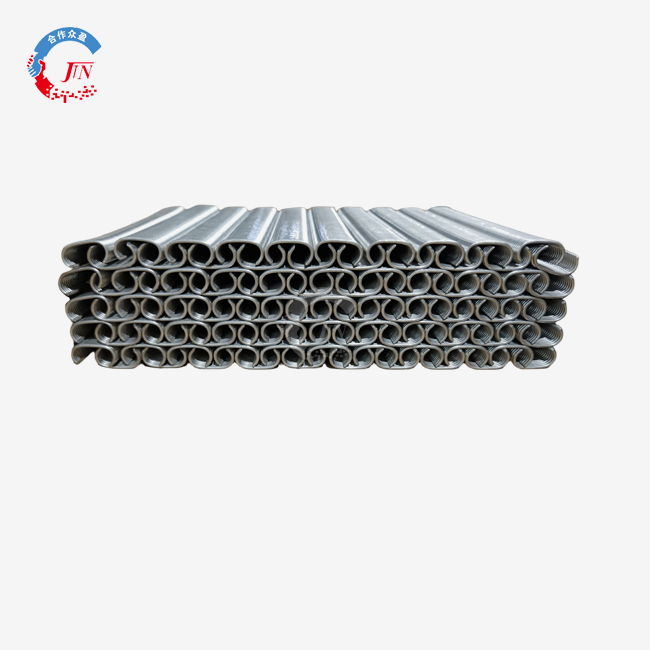
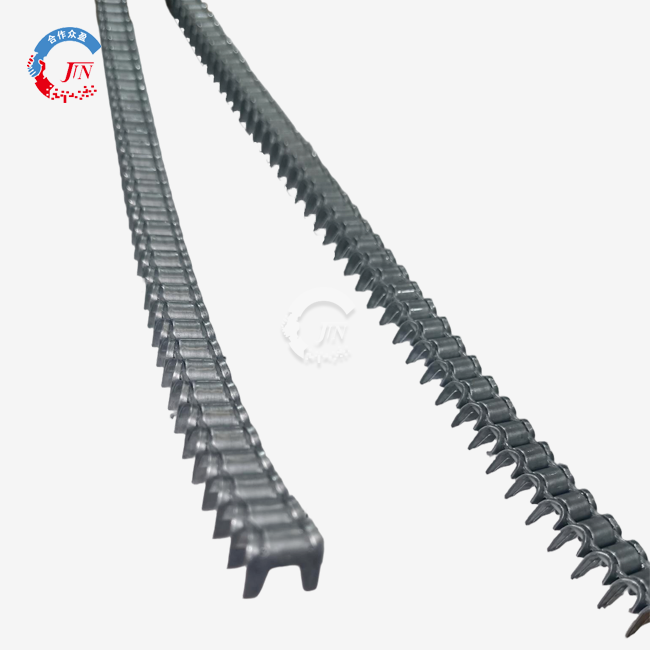
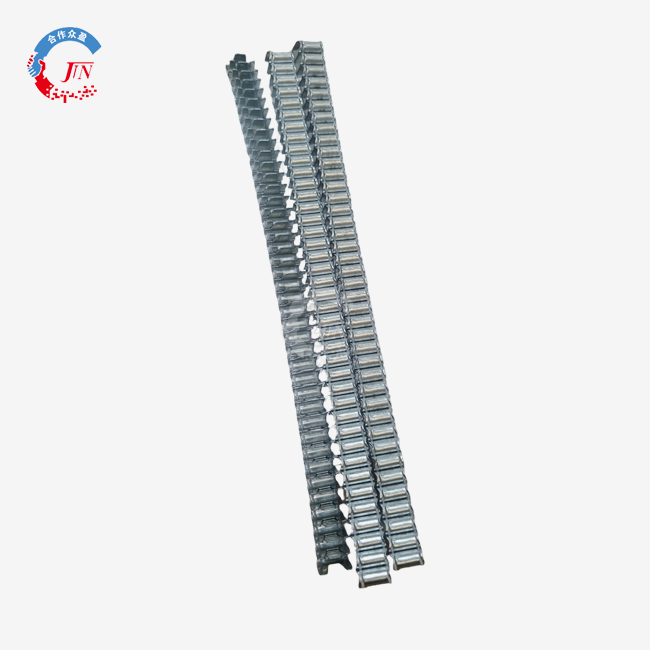
Picking the right metal hog rings for your production line is more than just a purchase; it has a direct effect on how fast the parts are put together, how long the Products last, and how much it costs to run the line in the long run. Aluminum hog rings are C- or D-shaped fasteners that are cold-formed from aluminum alloy wire. They are commonly used in fences, furniture, and car seats. Aluminum hog rings are better than galvanized steel or stainless steel ones because they have a natural oxide layer that doesn't rust and doesn't need any extra coats. This makes them the best choice when weight and rust protection are both important. This guide talks about different types of materials, how to buy them in bulk, and important criteria for suppliers so that B2B buyers can make smart choices.
Understanding Aluminum Hog Rings: Material Grades and Properties
Not every aluminum hog ring works the same. Tensile strength, ductility, and corrosion resistance are all affected by the grade of the alloy. All of these factors have an impact on how well the alloy works in production settings.
5052-Grade Aluminum: Balanced Strength and Corrosion Resistance
5052-grade aluminum is one of the grades that is most often used for hog rings in industrial settings. In addition to having a tensile strength of 31,000 to 40,000 PSI, it is also very resistant to salt spray and water. ASTM B211 standards say that 5052 aluminum alloy wire must have tight wire diameter limits of ±0.02mm. This keeps pneumatic ring tools from getting stuck during automatic production.
6061-Grade Aluminum: Higher Strength for Demanding Applications
6061-grade aluminum has more silicon and magnesium than other grades, which makes it more rigid. When the joint needs to be able to handle repeated mechanical stress, production engineers in the heavy-duty cage and automotive seating industries often choose 6061. Its density is about 2.70 g/cm³, which makes it much lighter than steel options. This is important in projects that aim to reduce car weight for EV seat assembly.
How Aluminum Compares to Steel and Stainless Steel Hog Rings
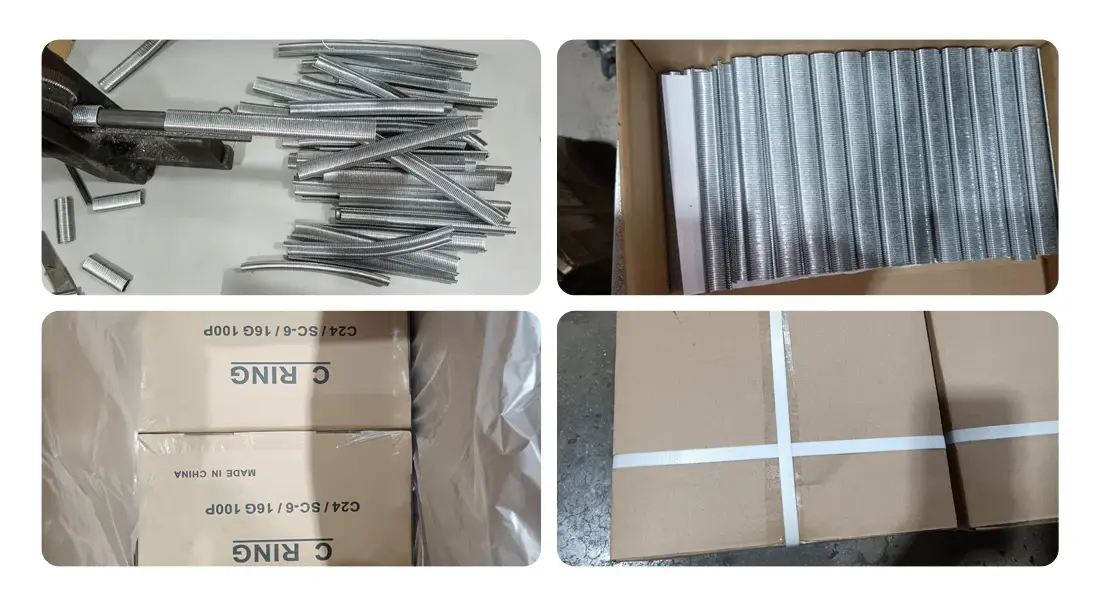
Steel hog rings have a higher raw tensile strength, but they need to be coated with galvanization or epoxy to keep them from rusting, and these coats wear off over time in damp or outdoor areas. It is much more expensive to use stainless steel hog rings, and they might not be right for uses like upholstery or mesh fences. Aluminum hog rings are in the middle. They are lighter, don't let magnets pass through, and don't need extra coatings to protect them from rust. They have enough pull-out strength for most fastening uses.
Bulk Procurement Considerations for Aluminum Hog Rings
Buyers who are in charge of regular production needs need to look at more than just the price per unit when they buy a lot of aluminum hog rings. How consistent the supply is, how the goods are packaged, and how easy it is to make changes all affect the total value of the purchase.
A lot of good things can help you decide whether to buy in bulk or not. When experienced buyers decide what to buy, these are the main things they look at:
- Volume packaging formats: Industrial buyers typically source hog rings in boxes of 5,000 to 25,000 units. Confirm that packaging protects ring geometry during transit, as deformed rings cause feeding failures in pneumatic tools.
- Customization capability: Different production lines require different ring sizes, wire gauges, and temper specifications. A supplier who can produce from your technical sample avoids specification mismatch at the assembly stage.
- Supplier certifications: Quality-conscious buyers verify that suppliers follow documented inspection protocols, including salt spray testing per ASTM B117 (minimum 500-hour exposure), dimensional checks with digital micrometers, and alloy verification using XRF analyzers.
- Lead time and inventory depth: Production lines run on schedule. A supplier with 3–5 day production lead times and standing inventory stock prevents costly line stoppages.
When companies buy hog rings, they usually do so in boxes with between 5,000 and 25,000 rings. When you ship the ring, make sure the packaging keeps its shape. Rings that get bent can stop pneumatic tools from feeding.
There is a customization option for rings. Different production lines need rings of different sizes, wire gages, and temper needs. When the parts are put together, the specs won't match up if you have a source who can make from your technical sample.
Certifications for suppliers: Buyers who care about quality make sure that suppliers follow written inspection procedures. As part of these steps, salt spray testing according to ASTM B117 (minimum 500-hour exposure), using digital micrometers to check sizes, and XRF testers to confirm alloys are all done.
Comparing Aluminum Hog Rings to Alternatives: Making the Right Decision
Selecting the right ring material requires matching application demands to material properties. There is no universal answer — but there are clear patterns.
When Aluminum Hog Rings Are the Right Choice
Aluminum ring fasteners, including aluminum hog rings, perform best in moisture-exposed environments, lightweight assemblies, and non-magnetic applications. Marine cage assembly, pet cage manufacturing, automotive upholstery, and thermal insulation blanket closure all represent scenarios where aluminum's natural oxide layer, low density, and non-sparking properties outperform coated steel alternatives.
When Steel or Stainless Steel Rings Make More Sense
For heavy-duty structural mesh connections or high-tensile fencing in agricultural perimeter security, galvanized steel hog rings may offer stronger pull-out force before joint failure. Stainless steel hog rings are appropriate in direct food-contact environments or chemical processing facilities where aluminum's galvanic reaction risk with certain treated surfaces is a concern.
Size and Wire Gauge Selection Guide
Ring size selection follows application load requirements. Lighter upholstery work typically uses 14- to 16-gauge wire with ring openings of 9–12mm. Cage and fencing assembly generally calls for 11- to 13-gauge wire at larger ring openings of 14–20mm. Matching wire gauge to the tool manufacturer's specification prevents crimping defects and extends tool service life.
Installation, Safety, and Maintenance Best Practices
If it's not put on right, even the best aluminum hog ring won't work. The right way to do something keeps the person doing it and the tools they use safe.
Step-by-Step Installation Process
Place the rings in hog ring pliers or a hand ring tool that can handle them. Finally, carefully close the tool's handles or trigger all the way. Place the ring around the point where the wires meet or where the fabric is connected. If you crimp an aluminum ring the right way, it closes flush, leaving no room for it to spring back. When crimps aren't fully formed, pull-out strength drops by up to 40%. Check the first five rings at the start of each shift before production starts.
Worker Safety Protocols
When handling aluminum hog rings by hand or using a pneumatic tool, wear cut-resistant gloves and ANSI-compliant safety glasses. During fastening operations, flying ring fragments caused by misfeeds are a major source of eye injuries. Keep the work area clear, and never point the tool's blade toward any part of your body while loading it.
Tool Maintenance and Inspection Schedule
At the end of each shift, use a dry rush of compressed air to clean the pneumatic ring tools. Check the jaw surfaces once a week for damage or wear that could cause crimps that aren't in the middle. The person who made the tool will tell you how often to grease the pivot points. Usually, you should do this every 50,000 turns. For rings to work with more machines, they need to be kept in good shape. This also cuts down on misfires, which waste material and slow down production.
Why Bulk Purchase of Aluminum Hog Rings Makes Sense for B2B Clients
Big businesses that make lots of things can't just buy fixings when they need them. There are clear economic and operational benefits to buying aluminum hog rings in bulk, which have been well-documented in the field of production management.
The price per unit goes down as you buy more of something because prices break at certain tiers of volume. As an example, unit prices for box numbers are often 10–20% lower than unit prices for small-run sales. Not only does buying in bulk save you money per unit, but it also cuts down on the number of times you need to restock. This lowers the costs of management and the chance of running out of stock when production is high.
People who make long-term deals with suppliers can also get better production schedules and faster responses to requests for custom specifications. Time from sample to approval is cut down when a production line switches to a new frame gage or ring size. This is possible because of a relationship with the seller that was formed over many order cycles. When you buy rings along with installation tools and spare jaw sets that work with them, it's easier to keep track of your stock, and all of your production cells can use the same tool rings.
Conclusion
Aluminum hog rings are helpful in a variety of industries due to their resistance to corrosion, light weight, and consistent crimping performance, such as upholstery, cage construction, car seats, and field fencing. Because there are a lot of grades between 5052 and 6061 metals, you should think about how much weight you need to put on it and where it will be used. When you buy in bulk from other companies, it's best to stick with those that have clear rules for quality control, make customization easy, and offer reliable stocking support. If these things are in place, your fastener supply will either work quietly in the background or become a problem that keeps happening during production.
FAQ
Are aluminum hog rings as strong as stainless steel versions?
Most upholstery, fencing, and cage assembly jobs can be completed with aluminum hog rings because they are less likely to come loose, despite the fact that stainless steel has a higher ultimate tensile strength. Aluminum is lighter than steel because it is only about one-third as dense as steel. They are good for places where the structure won't have to hold too much weight because of this.
Will aluminum hog rings react with treated lumber?
Most wood that has been coated doesn't stick to metal very well. Galvanic reactions are less likely to happen in ACQ-treated wood if it has a special ring that is coated or sealed. Talk to your material provider about the treatment chemical before you choose plain metal.
Can manual pliers crimp aluminum hog rings effectively?
Yes. Ring tools that are used by hand are easier to fully close with aluminum than with steel because aluminum is more flexible. This keeps the hands of the workers from getting tired during long runs.
Do aluminum hog rings work in sub-zero temperatures?
Aluminum doesn't break when it gets cold as some polymer clips or low-quality steel fasteners do. It keeps its ability to bend and stretch mechanically.
Are aluminum hog rings detectable by food-grade metal detectors?
Yes, regular metal detectors used in factories can safely find aluminum. This means that aluminum hog rings are a safe way to keep filtration mesh systems and big bags for transporting food in place.
Request Samples and Bulk Pricing from TJJZ — Your Trusted Aluminum Hog Ring Manufacturer
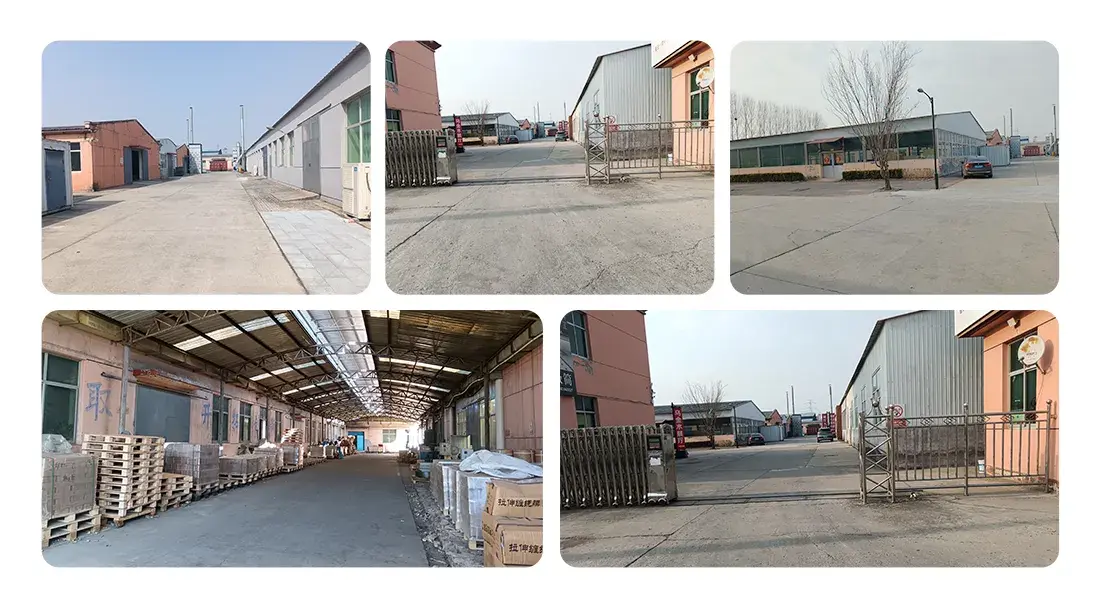
Aluminum hog rings and C-ring rivets have been produced by Tianjin Jinzhuang New Materials Technology Co., Ltd. (TJJZ) since 2016. Their store is always full, and they say they'll answer your questions in three minutes. The production wait time is three to five days. TJJZ ships full pallets and doesn't damage much cargo. There is a port nearby. You can choose between production based on samples and production based on your specific needs. Email our team at userID@jinzhuangfastener.com or visit jinzhuangfastener.com to find out how much aluminum hog rings that are for sale in bulk cost.
References
1. ASTM International. ASTM B211: Standard Specification for Aluminum and Aluminum-Alloy Bar, Rod, and Wire. ASTM International, 2019.
2. ASTM International. ASTM B117: Standard Practice for Operating Salt Spray (Fog) Apparatus. ASTM International, 2019.
3. Aluminum Association. Aluminum Standards and Data. The Aluminum Association, 2020.
4. Davis, J.R. Aluminum and Aluminum Alloys. ASM International, 1993.
5. Bralla, James G. Handbook of Manufacturing Processes. Industrial Press, 2007.
6. Niskanen, Petri. Fastener Technology International: Material Selection and Performance Standards in Industrial Fastening. Fastener Technology International, 2018.
Learn about our latest products and discounts through SMS or email