- English
- French
- German
- Portuguese
- Spanish
- Russian
- Japanese
- Korean
- Arabic
- Greek
- German
- Turkish
- Italian
- Danish
- Romanian
- Indonesian
- Czech
- Afrikaans
- Swedish
- Polish
- Basque
- Catalan
- Esperanto
- Hindi
- Lao
- Albanian
- Amharic
- Armenian
- Azerbaijani
- Belarusian
- Bengali
- Bosnian
- Bulgarian
- Cebuano
- Chichewa
- Corsican
- Croatian
- Dutch
- Estonian
- Filipino
- Finnish
- Frisian
- Galician
- Georgian
- Gujarati
- Haitian
- Hausa
- Hawaiian
- Hebrew
- Hmong
- Hungarian
- Icelandic
- Igbo
- Javanese
- Kannada
- Kazakh
- Khmer
- Kurdish
- Kyrgyz
- Latin
- Latvian
- Lithuanian
- Luxembou..
- Macedonian
- Malagasy
- Malay
- Malayalam
- Maltese
- Maori
- Marathi
- Mongolian
- Burmese
- Nepali
- Norwegian
- Pashto
- Persian
- Punjabi
- Serbian
- Sesotho
- Sinhala
- Slovak
- Slovenian
- Somali
- Samoan
- Scots Gaelic
- Shona
- Sindhi
- Sundanese
- Swahili
- Tajik
- Tamil
- Telugu
- Thai
- Ukrainian
- Urdu
- Uzbek
- Vietnamese
- Welsh
- Xhosa
- Yiddish
- Yoruba
- Zulu
3/16 Hog Rings for Small-Gauge Wire Bundling and Industrial Assembly
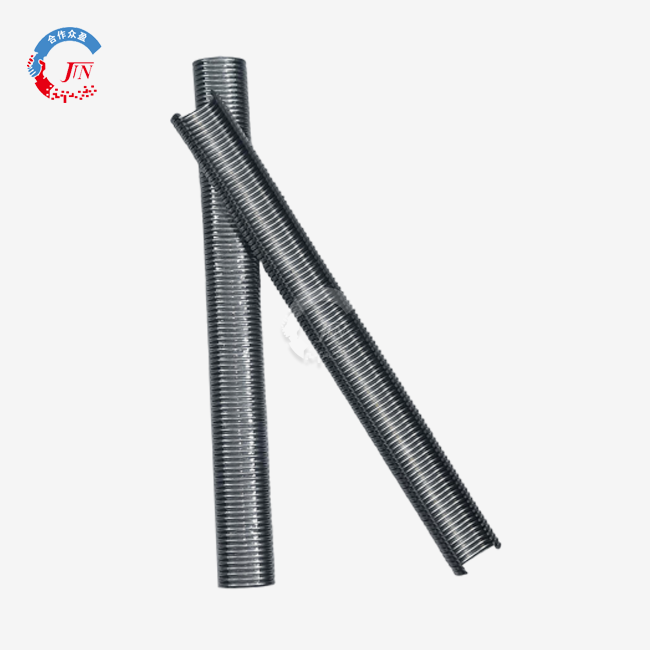
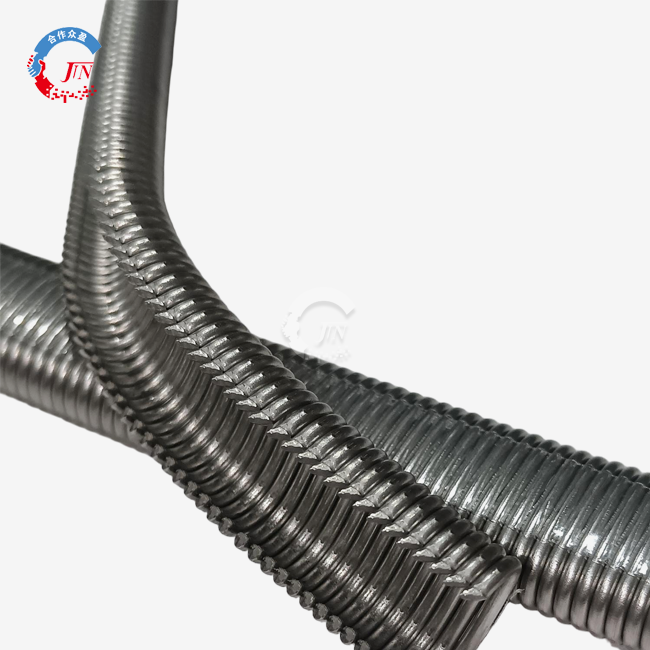
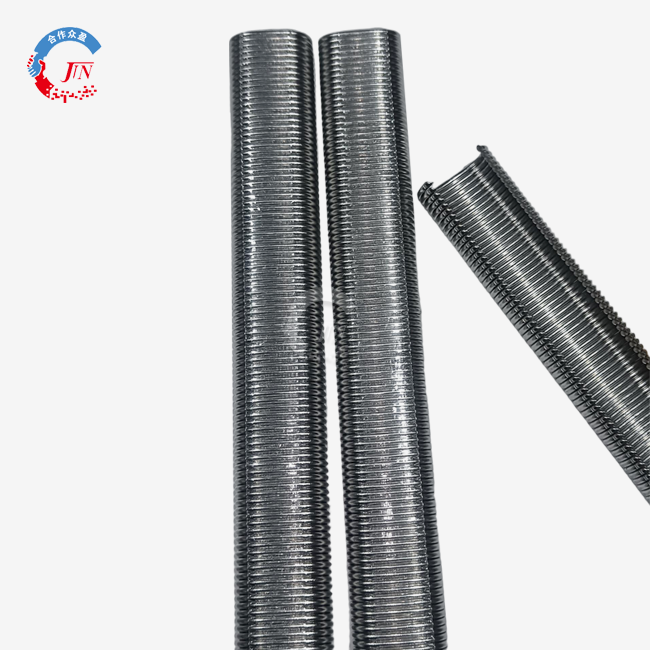
When production managers ask me what single fastener causes the most unplanned downtime on wire bundling and upholstery lines, the answer is almost always the same — the wrong ring size. The 3 16 hog rings specification sits in a precise sweet spot for small-gauge wire work. At a nominal 3/16-inch internal diameter, these C-shaped rings grip thin wire, fabric, and mesh without crushing or slipping, making them a go-to choice across mattress, furniture, automotive, cage, and fencing production. Tensile strength typically ranges from 70,000 to 90,000 psi depending on material grade, and when applied with the correct tool, a closed ring resists both pull-out and vibration fatigue far better than cable ties or twist wires in comparable assemblies.

Understanding 3/16 Hog Rings and Their Industrial Applications
What Defines the 3/16 Size?
The figure "3/16" shows how wide the hole should be inside the metal before it is crimped. When a lot of thin conductors or mesh wires need to be permanently bundled in a way that doesn't add bulk, that size is the norm. It fits 19–22 gauge wire bundles exactly.
Material Options and Coatings
If you want to use these rings inside, you can get them made of treated steel, zinc-aluminum alloy, or stainless steel (including Grade 316). Stainless steel is best for places with strong chemicals or near the coast. A lot more points are given to grade 316 stainless steel than to normal 304 stainless steel when it comes to Pitting Resistance Equivalent Number. This helps a lot when you're working with salt spray or food.

Core Industry Applications
Some teams that buy things don't know that small-gauge hog rings are used in more places than they think. These are the main places where army units are sent:
- Mattress and bedding assembly: Connecting innerspring coil nets to fabric borders. The ring's low profile prevents pressure points in the finished mattress surface.
- Furniture and upholstery: Securing seat fabric and leather to sofa frames and automotive seat cushions. The closed ring holds fabric tension evenly and resists long-term creep.
- Poultry and pet cage assembly: Locking intersecting mesh wires at cage junctions. Galvanized and zinc-aluminum rings provide rust protection in humid barn environments.
- Wire mesh and fencing: Reinforcing mesh panel joints where mechanical stress concentrates at corner posts.
If you have wire mesh or fencing, make the joints between the mesh panels stronger where stress builds up at the corner posts.
How to Use 3/16 Hog Rings for Effective Wire Bundling and Assembly?
Preparing Wires and Materials Before Fastening
Things that always work out the same start before the ring goes into the tool. If the wires are clean, there shouldn't be any oil or scale on them that would make the ring not sit flush. When working with fabric, make sure the thickness of the fabric doesn't go over what the tool says is safe. As an example, most pneumatic hog ring guns with a 3/16-inch ring grade can work with materials that are up to 1/4-inch in diameter as a whole.
Step-by-Step Fastening Process
Put the 3 16 hog rings on the magazine track so that the gap between them faces the anvil's jaws. Lay the tool down so that the ring is flat on top of the wire bundle or mesh joint. To fire, squeeze, or crush. If you close the ring the right way, the loop will be oval or round, with no visible gaps. Check the first three rings of each new batch. If the closure's shape changes, make sure the jaws are lined up correctly before putting them on.
Troubleshooting Common Feeding Problems
In the assembly line, tool jams are the main reason why things stop moving. Most of the time, bad sizes are to blame. Rings with odd widths or burrs on the cut ends get stuck in the magazine channel. Most feeding problems are stopped before they reach the line when sourcing rings are made to very strict size standards and are checked with digital calipers as they are being made.
Comparing 3/16 Hog Rings to Alternative Gauge Options
3/16 vs. 16-Gauge vs. 18-Gauge
A lot of buyers get it wrong because gauge sizes and fractional-inch sizes are not the same thing. A 16-gauge ring is made from thicker wire and can be used to string heavy furniture or put together solid cages. An 18-gauge ring is lighter and has more space for working with wires for electronics. The 3/16 number refers to the wire gauge, not the internal diameter. This means that it's in the middle of the performance range—strong enough to put together car seats and furniture, but not too small to work with small bundles of wire.
Coated vs. Plain Rings
There are a thousand plain steel rings for less money, but they need to be kept in a dry, controlled space so they don't rust and stain finished goods. For most furniture and cage companies, galvanized rings are a good middle-of-the-road choice. Outside fences that are coated with zinc-aluminum metal last longer. Grade 316 stainless steel rings cost more per unit, but they will last longer than 25 years in chemical or sea conditions, so for some uses, the extra money is worth it.
Brand and Supplier Evaluation
Most people in retail and light industrial settings use hog ring systems made by Arrow, Viper, and Stanley. To buy in bulk from a company, the most important things to look for are batches that are all the same size, material certification (ASTM A276 or an equivalent), and the ability to make custom coatings or ring geometries from samples. Material Test Reports are sent with every batch, which is something that store-brand goods don't always do. This makes it easy for QA teams to see what was tested.
Procurement Considerations for Bulk Industrial Orders
Evaluating Pricing and Volume Structures
Companies that make mattresses, furniture, and cages buy a lot of 3 16 hog rings every year, and each one is worth tens of millions of dollars. At that size, even a small change in price per unit makes a big difference in the cost per year. Make sure that the prices you are given include the grade of coating you need. Ask for prices that are broken down into levels. Different types of steel have different prices, like coated steel and stainless steel.
Custom Orders and Lead Times
There are times when production lines need rings with covering weights, wire sizes, or widths that aren't standard. Before making a lot of them, a good maker sends models to the customer to make sure the shapes are right. It is best to have a production wait time of 3–5 days and stock that is easy to get when you have a lot of orders to fill.
Logistics and Supply Chain Reliability
Both the landed cost and the chance of arriving on time depend on how close you are to a big port. For example, suppliers who are close to Tianjin Port can directly connect to normal passenger ships that go to U.S. ports on the East and West Coasts. Damage during shipping is less likely with full pallets, and suppliers who have been in business for a long time can more accurately say when they will restock than suppliers who have just started out.
Future Trends in Hog Ring Technology for Industrial Assembly
Advanced Materials and Lightweight Alloys
Metallurgical work on nickel-reduced austenitic stainless metals aims to keep their corrosion resistance while dropping the costs of the raw materials. If a company tracks measures for sustainability, each batch of screws with less nickel also has less carbon built into it.
Pneumatic and Electric Tool Advancements
Gas hog ring guns make between 40 and 60 rings every minute right now. There are new electric tools on the market that can control the force electronically. The closing force on these tools stays the same, even when the person using them is tired. This is better for ergonomics and cuts down on the number of problems with ring closures that happen during long shifts.
Eco-Friendly Production and Circular Use
Some companies that make cages and fencing are looking into ring-removal tools that would let them keep rings that aren't damaged during the refurbishment process and use them again. The number of fasteners used over the lifecycle of a product is cut down by this path for reuse. This helps meet goals for reducing waste without affecting the quality of the assembly.
Conclusion
The cost over time, the quality of the product, and the amount of time that production can run all depend on the small-gauge 3 16 hog rings that are chosen. When used with the right grade of material and a supply that is always the same size, the 3/16 specification is reliable for bundling wire, making furniture, putting together cages, and fencing. It is important to pick suppliers that can offer certified materials, unique production from examples, enough stock, and dependable shipping. These are the things that will make or break your production line.
FAQ
Are 3/16 hog rings compatible with all standard hog ring guns?
This is not just about the size; the crown width and wire thickness are also important. Make sure you know what the tool manufacturer's ring requirements are before you buy. Remember that rings made of mild steel are not as strong as rings made of stainless steel. In other words, tools with jaw steel that has been hardened will work better during long production runs.
What coating should I specify for outdoor cage applications?
When it's a little damp outside, galvanized rings work well. Things that are near the coast or get a lot of rain will last much longer if they are coated with a zinc-aluminum alloy.
How do I verify ring quality before committing to a large order?
Grade 316 stainless steel is the best choice for those places.
What is the typical lifespan difference between galvanized and stainless rings?
Get a sample batch and use ASTM B117 to test it with a neutral salt spray. Check the ring thickness on 20 to 30 pieces from the sample lot with digital calipers to make sure they are all the same size. Ask the seller to show you the papers that say that the batch has been approved for materials.
Get Reliable 3/16 Hog Rings from TJJZ — Request a Quote Today
Tianjin Jinzhuang New Materials Technology Co., Ltd. (TJJZ) has been selling flat, rust-free hog rings and C-ring bolts to companies that make cages, mattresses, furniture, and cars since 2015. You can get an answer from us in three minutes if you Contact Us about 3 16 hog rings. We ship within three to five days from Tianjin Port and make Products based on samples you send us. Mail us at userID@jinzhuangfastener.com or visit jinzhuangfastener.com to get samples or a price quote for many items.
References
1. Fastener Technology International — "Material Selection Guidelines for Industrial Staples and Hog Rings," 2022.
2. ASTM International — ASTM B117: Standard Practice for Operating Salt Spray (Fog) Apparatus, 2019.
3. Journal of Manufacturing Processes — "Crimping Force Analysis in Pneumatic Hog Ring Application Systems," 2021.
4. Wire & Cable Technology International — "Small-Gauge Wire Bundling Solutions in Automotive Interior Assembly," 2020.
5. Metal Construction News — "Corrosion Resistance Benchmarks for Fasteners Used in Agricultural and Coastal Applications," 2023.
6. Industrial Maintenance & Plant Operation (IMPO) — "Reducing Assembly Line Downtime Through Fastener Quality Standardization," 2022.
Learn about our latest products and discounts through SMS or email