- English
- French
- German
- Portuguese
- Spanish
- Russian
- Japanese
- Korean
- Arabic
- Greek
- German
- Turkish
- Italian
- Danish
- Romanian
- Indonesian
- Czech
- Afrikaans
- Swedish
- Polish
- Basque
- Catalan
- Esperanto
- Hindi
- Lao
- Albanian
- Amharic
- Armenian
- Azerbaijani
- Belarusian
- Bengali
- Bosnian
- Bulgarian
- Cebuano
- Chichewa
- Corsican
- Croatian
- Dutch
- Estonian
- Filipino
- Finnish
- Frisian
- Galician
- Georgian
- Gujarati
- Haitian
- Hausa
- Hawaiian
- Hebrew
- Hmong
- Hungarian
- Icelandic
- Igbo
- Javanese
- Kannada
- Kazakh
- Khmer
- Kurdish
- Kyrgyz
- Latin
- Latvian
- Lithuanian
- Luxembou..
- Macedonian
- Malagasy
- Malay
- Malayalam
- Maltese
- Maori
- Marathi
- Mongolian
- Burmese
- Nepali
- Norwegian
- Pashto
- Persian
- Punjabi
- Serbian
- Sesotho
- Sinhala
- Slovak
- Slovenian
- Somali
- Samoan
- Scots Gaelic
- Shona
- Sindhi
- Sundanese
- Swahili
- Tajik
- Tamil
- Telugu
- Thai
- Ukrainian
- Urdu
- Uzbek
- Vietnamese
- Welsh
- Xhosa
- Yiddish
- Yoruba
- Zulu
Steel Hog Ring Supplier: Wire Gauge, Closure Strength, and Bulk Orders
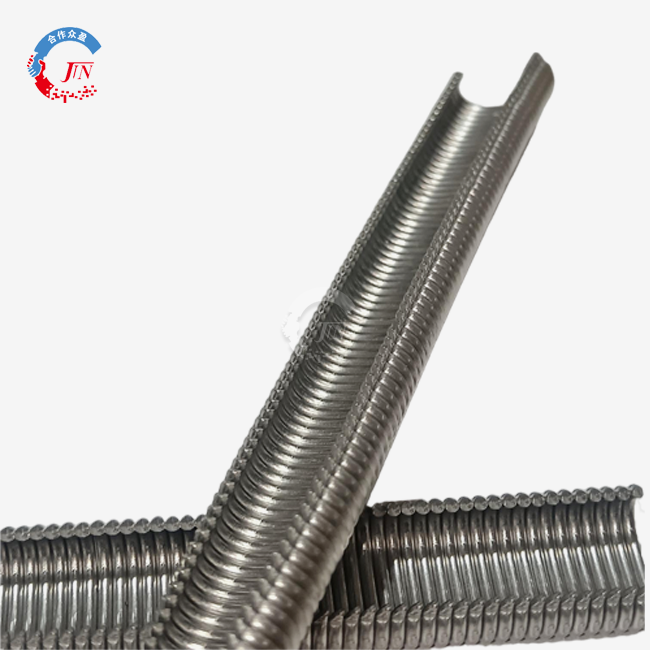
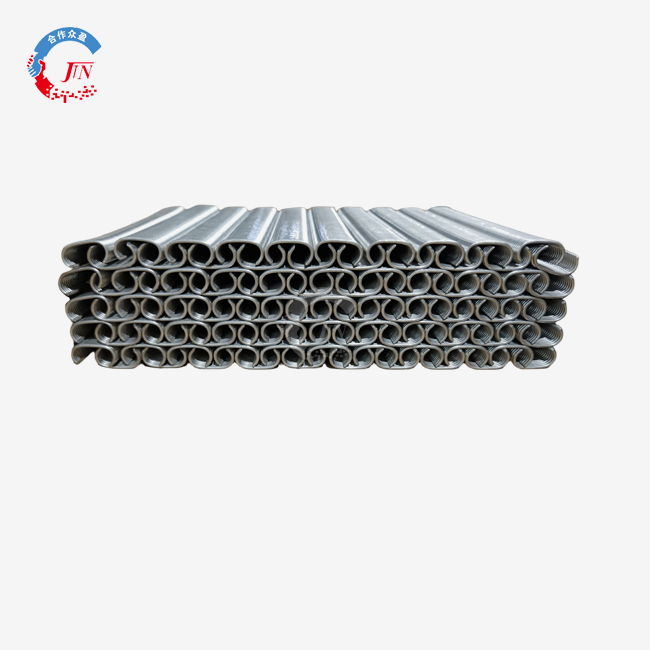
Choosing the right steel hog rings for industrial production is not a minor decision. Whether you run a mattress factory, manufacture automotive seats, or produce poultry cages, the performance of your fastening components directly affects product quality and line efficiency. Steel hog rings are C-shaped, or D-shaped metal fasteners crimped around two materials to create a permanent mechanical bond. They outperform plastic ties in load capacity and outlast basic wire twists in consistency. This guide covers wire gauge selection, closure strength standards, material comparisons, and how bulk procurement works for industrial buyers.


Understanding Steel Hog Rings: Types, Sizes, and Wire Gauges
What Are Steel Hog Rings Used For?
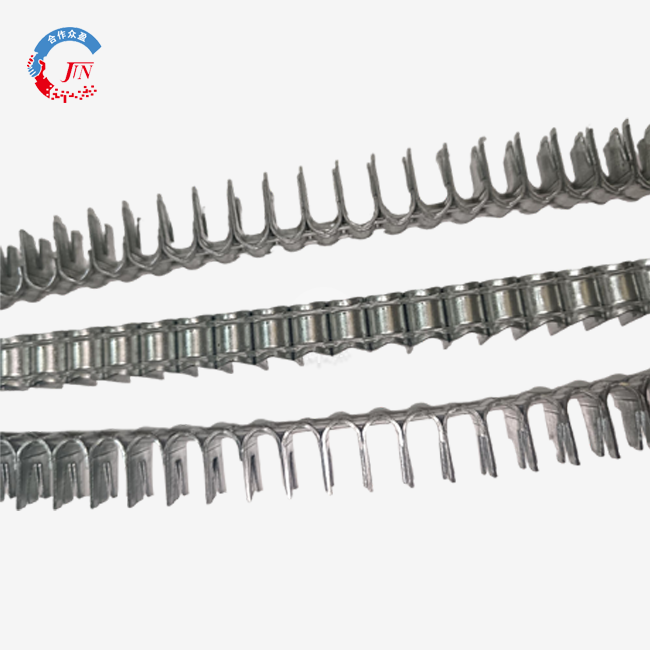
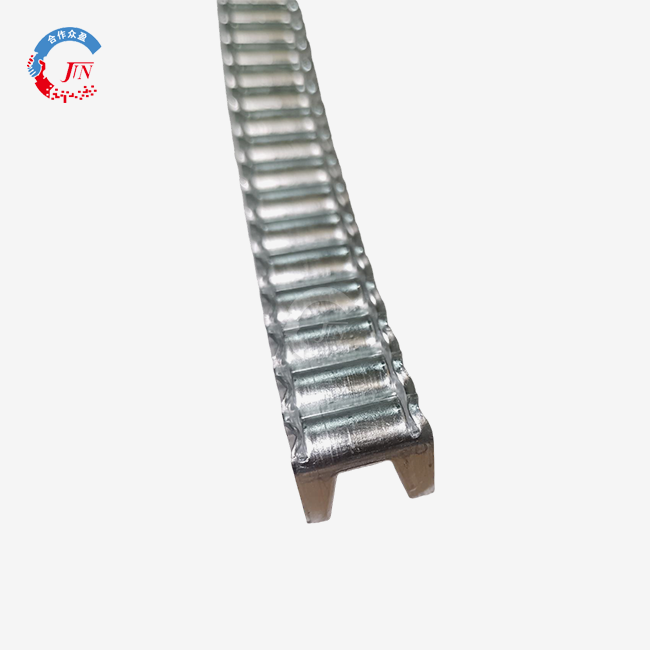
When steel wire is stretched and turned into C, D, or M shapes, it makes steel hog rings. These are strong closures. You can use hand-held or air-powered hog ring tools to crimp them together. This makes a strong, long-lasting connection between building parts, fabric, or wire mesh. Bed springs are put together, car seat upholstery is fixed, chicken coops are built, and gabion baskets are put together for concrete engineering projects, among other things.
Why Wire Gauge Matters?
The wire diameter tells you how big the ring is, how heavy it is, and how much weight it can hold. This kind of factory setting will mostly use 14-gauge and 15-gauge rings. A 14-gauge ring can handle more stress, usually between 700 and 900 MPa. Because of this, it's good for making strong cages and fences around the outside. For furniture tasks like attaching sofa fabric and seat cushions, a 15- or 16-gauge ring works better because it doesn't go too deep into the fabric and damage it.

Material Types and Corrosion Resistance
You can choose from three types of stuff:
- Electro-galvanized (EG) steel rings carry a thin zinc coating suited for dry indoor environments like furniture assembly or mattress production. They meet ASTM A641 zinc coating standards.
- Hot-dip galvanized (HDG) rings provide a thicker zinc layer, making them appropriate for outdoor or humid conditions, including agricultural fencing and cage systems.
- Grade 304 or 316 stainless steel rings are the right choice for marine, chemical, or food-grade environments where standard zinc coatings would corrode rapidly.
Electro-galvanized (EG) steel bands have a thin layer of zinc on them that makes them good for dry indoor uses like putting sheets or furniture together. They meet the requirements in ASTM A641 for zinc coating. It's possible to use hot-dip galvanized (HDG) rings outside or in damp places because the zinc layer is stronger. This makes them useful for things like farm fences and cage systems. Food, chemicals, or the ocean are all places where zinc coatings would wear off quickly. This is where rings made of grade 304 or 316 stainless steel work best.
Performance and Durability: Closure Strength and Safety Considerations
What Is Closure Strength?
How strong the closing is is based on how much force the tight steel hog rings can apply to the things it connects. If a ring's closing power isn't strong enough, it will come off when something shakes it or puts stress on it mechanically. It's hard to make car seats and spring beds with this. They make sure that every hog ring fastener they sell is the same size. This helps the ending work well when it's being made automatically.
Proper Closure Techniques
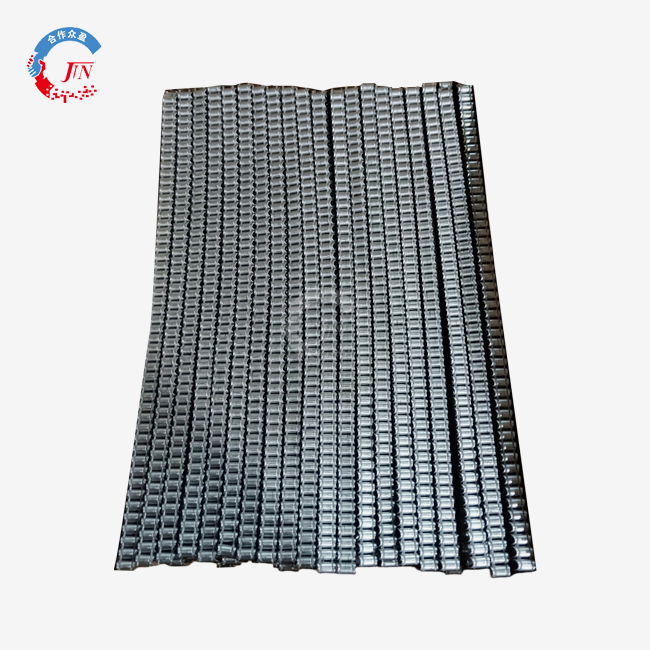
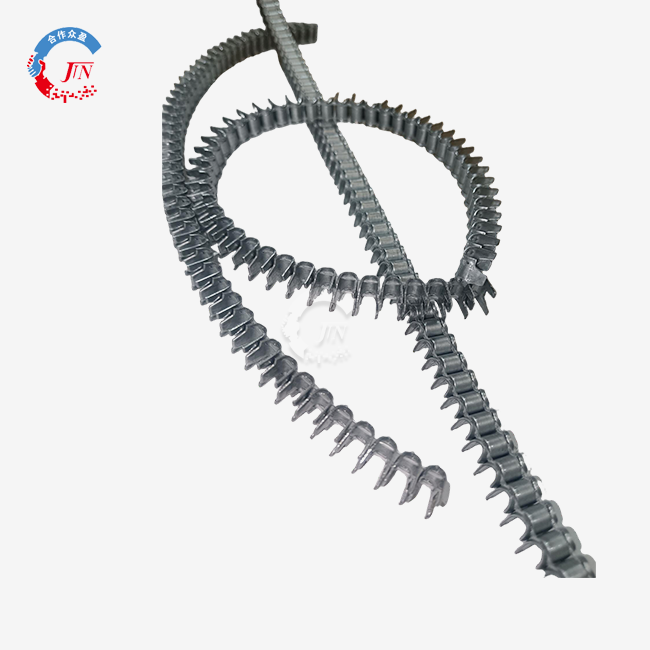
Not only should you choose the right ring, but you should also use the right tools or air crimper. The ring's outline must match the shape of the tool's jaws. Different amounts of pressure are put on the joint when the jaws aren't lined up. This makes partial closures that break when they're stressed. People who use pneumatic hog ring guns that are fed by sorted ring coils can be more accurate and get more work done faster. Because the workers don't have to work as hard or be as steady, this is the case.
Safety and Storage Protocols
Because pulling on metal makes sharp pieces, people who use hog ring tools should wear safety glasses and gloves that won't cut. Rings won't rust before they're used that way. Lock them up and keep them away from water. You shouldn't stack more boxes than they can hold. Simple steps like these keep the item and the people who work on it safe.
Comparing Steel Hog Rings to Alternatives: Making an Informed Decision
Steel vs. Stainless Steel Hog Rings
Steel rings that are coated are much cheaper than steel rings that are stainless steel, so they are often used inside for quick jobs. Even though they cost more, Grade 316 stainless steel screws last longer and need less upkeep in places that are always wet, work with acid, or spray saltwater. These places include places that process fish and keep animals outside.
Steel Hog Rings vs. Plastic and Wire Alternatives
UV light and high temperatures can break down plastic wire ties, so they can't be used in cages outside or in cars where the temperature changes a lot. It takes longer and is more difficult to make basic wire ties by hand. Steel hog rings are installed with pneumatic tools. This makes closures that can be controlled and repeated, which is what modern production lines need for accuracy.
Heavy-Duty vs. Standard Rings
If you heat heavy-duty rings, you can make them stronger than 800 MPa. Thick wire is also used in wire gauges. They are good for places like gabion walls and high-tension border fences because they are easy to load and unload many times. You can use standard rings to do simple tasks like closing bags or light work on furniture. If the ring shape is right for the load in the environment, you can avoid going over budget on engineering and having things fail because they don't work right.
Bulk Orders and Procurement: Maximizing Cost Efficiency and Supply Chain Reliability
Economic Benefits of Bulk Purchasing
When you buy a lot of steel hog rings, the price per unit goes down a lot. Every month, a company that makes mattresses needs a lot of hog rings. Over the course of a year, a small drop in price per unit saves them a lot of money. When you make a big order, you don't have to replace it as often, which saves time and money. There won't be a shortage of stock that will force production to stop.
When a bulk order deal is set up well, the main perks for people who buy in bulk are:
- Volume pricing tiers that reduce per-unit cost as order quantities increase, protecting production margins without cutting material quality.
- Priority production scheduling that places recurring buyers ahead of spot orders, ensuring a production lead time of 3–5 days even during peak seasons.
- Custom specifications such as non-standard wire gauges, specialized coatings like zinc-aluminum alloy, or client-specific packaging formats produced according to provided samples.
These perks assist purchasing managers in coping with the issues they come across every day, such as unstable sources and prices that keep going up.
Evaluating Wholesale Suppliers
Someone you can trust to sell you hog rings in bulk should have ISO 9001 certification, make their rings in a way that can be checked, and have a history of showing up on time. If someone wants to buy something, they should ask for samples to make sure the sizes are all the same, the finish is good, and the item fits their tools well. If you want to buy something from another country, being close to big export ports will speed up shipping and lower the chance that the goods will arrive broken.
Pricing Factors and Negotiation
The things that are used to make steel wire change costs, just like everything else on the market. Prices tend to stay the same for longer when people buy in bulk for a year than when they buy something one-time. Make sure you know how much you want to buy each year, how you want to pay, and if you need any changes before you start. For this reason, the seller is smart enough to offer a fair price instead of the standard list price.
Essential Tools and Accessories for Working with Steel Hog Rings
Choosing the Right Hog Ring Pliers
When you need to do heavy work, you need gas hog ring guns, not hand-held tools. These tools have jaws that can close over 200 times per minute. Even when the ring strips are rolled up, the pressure stays on them. For tools that will last a long time, choose ones with hardened steel jaws, an adjustable depth stop, and a balanced grip weight.
How Tooling Affects Closure Quality?
When the jaw is worn or not set up right, clamps either don't squeeze the ring enough or pull the wire too hard, breaking it. Broken rings and things that are only partly closed both cost a lot of money. Broken rings let metal bits into the workpiece and make it dirty. As part of regular maintenance, it is easy and cheap to switch out worn jaws to keep the quality of the product high.
ROI From Investing in Quality Tools
Many companies can make one unit in half the time it takes to make one when they switch from using hand tools to pneumatic ones. The factory that makes lots of chairs can now get more done in less time and pay its workers less per chair.
Conclusion
Be sure to always check the size of the wire, the type of material, and the way steel hog rings are closed. In the long run, this will save you a lot of money. It's easy to pick the right type of fastener when you know the facts, like whether you need rings for putting together car seats, mattress springs, or chicken coops. When you buy in bulk from a well-known seller who has a history of good service, both the unit cost and the supply risk go down. Make a list of the quality standards you have and the usage data you already have. Then, find a service that can regularly meet those standards.
FAQ
Are steel hog rings reusable?
No, you can only use steel hog rings once. There is no way for the wire to return to its original shape once it has been bent. If you use a broken ring again, it might not close all the way and stay in place.
What causes hog rings to jam in pneumatic guns?
Too much handling or rings that aren't the same size are what cause jams most of the time. In the feed channel, tiny rings that are close together can touch and stop the next ring from moving. You can avoid most feeding problems if you buy from a company that has strict size limits and checks the quality of the collation glue.
How long does delivery take for bulk orders?
It should take between three and five days to make, as long as there is enough stock. It could take a little longer to set up custom specs because of the need for coating and the number of orders.
Can hog rings meet food-grade requirements?
Yes, as long as they are made of Grade 316 stainless steel and don't have any oil on them from being made. Following the FDA's rules for making sure materials are safe when they touch food is how this setup works.
Partner With TJJZ for Dependable Steel Hog Ring Supply
Since 2015, Tianjin Jinzhuang New Materials Technology Co., Ltd. (TJJZ) has been making C-ring pins and other hardware. To make steel hog rings, we can use stainless steel, steel that has been plated, or steel that is made of zinc and aluminum. After we get a sample, the rings will be ready in three to five days. We can ship full pallets with a low rate of damage because we are close to Tianjin Port. Go to jinzhuangfastener.com or email us at userID@jinzhuangfastener.com to get samples or talk about what you need for a large order.
References
1. ASTM A641/A641M Standard Specification for Zinc-Coated (Galvanized) Carbon Steel Wire — ASTM International, 2020.
2. ISO 9001:2015 Quality Management Systems — Requirements — International Organization for Standardization, 2015.
3. Wire Products and Fastener Manufacturing: Industry Standards and Testing Methods — Wire Association International (WAI) Journal, 2021.
4. Corrosion Engineering: Principles and Practice — Pierre R. Roberge — McGraw-Hill Education, 2008.
5. Fastener Technology International: Industrial Fastening Systems Review — Fastener Technology International Magazine, 2022.
6. Upholstery and Seating Component Assembly: Manufacturing Process Standards — Society of Automotive Engineers (SAE) International Technical Paper Series, 2019.
Learn about our latest products and discounts through SMS or email