- English
- French
- German
- Portuguese
- Spanish
- Russian
- Japanese
- Korean
- Arabic
- Greek
- German
- Turkish
- Italian
- Danish
- Romanian
- Indonesian
- Czech
- Afrikaans
- Swedish
- Polish
- Basque
- Catalan
- Esperanto
- Hindi
- Lao
- Albanian
- Amharic
- Armenian
- Azerbaijani
- Belarusian
- Bengali
- Bosnian
- Bulgarian
- Cebuano
- Chichewa
- Corsican
- Croatian
- Dutch
- Estonian
- Filipino
- Finnish
- Frisian
- Galician
- Georgian
- Gujarati
- Haitian
- Hausa
- Hawaiian
- Hebrew
- Hmong
- Hungarian
- Icelandic
- Igbo
- Javanese
- Kannada
- Kazakh
- Khmer
- Kurdish
- Kyrgyz
- Latin
- Latvian
- Lithuanian
- Luxembou..
- Macedonian
- Malagasy
- Malay
- Malayalam
- Maltese
- Maori
- Marathi
- Mongolian
- Burmese
- Nepali
- Norwegian
- Pashto
- Persian
- Punjabi
- Serbian
- Sesotho
- Sinhala
- Slovak
- Slovenian
- Somali
- Samoan
- Scots Gaelic
- Shona
- Sindhi
- Sundanese
- Swahili
- Tajik
- Tamil
- Telugu
- Thai
- Ukrainian
- Urdu
- Uzbek
- Vietnamese
- Welsh
- Xhosa
- Yiddish
- Yoruba
- Zulu
3 Points to Choose the Perfect 516GF100 hog rings Size
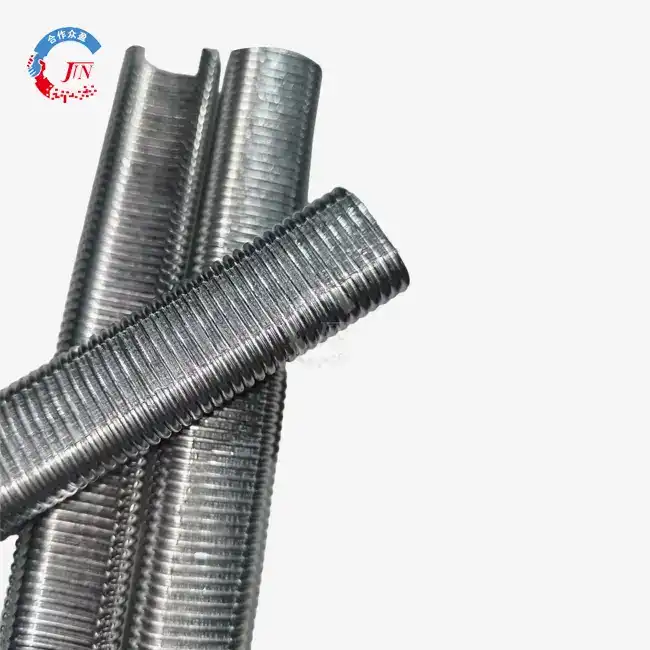
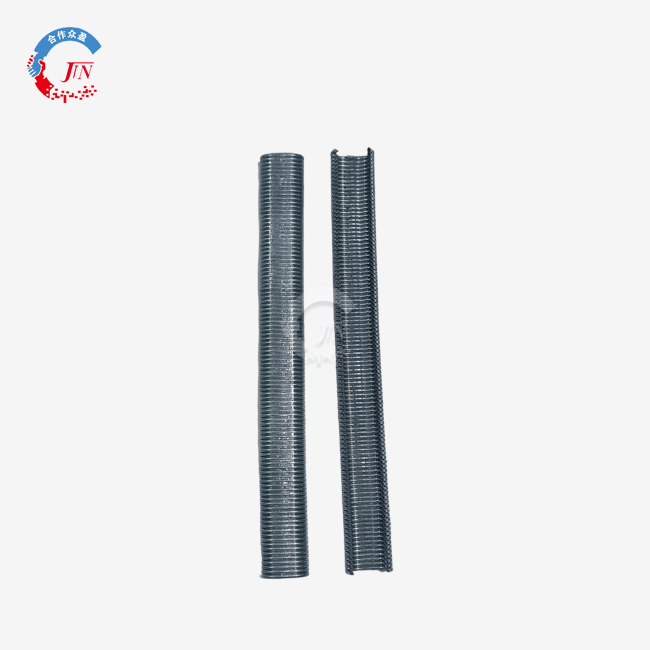
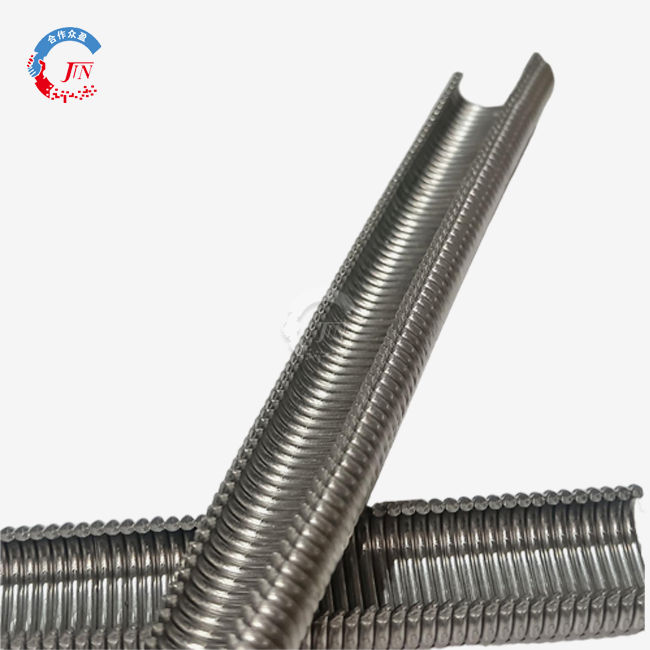
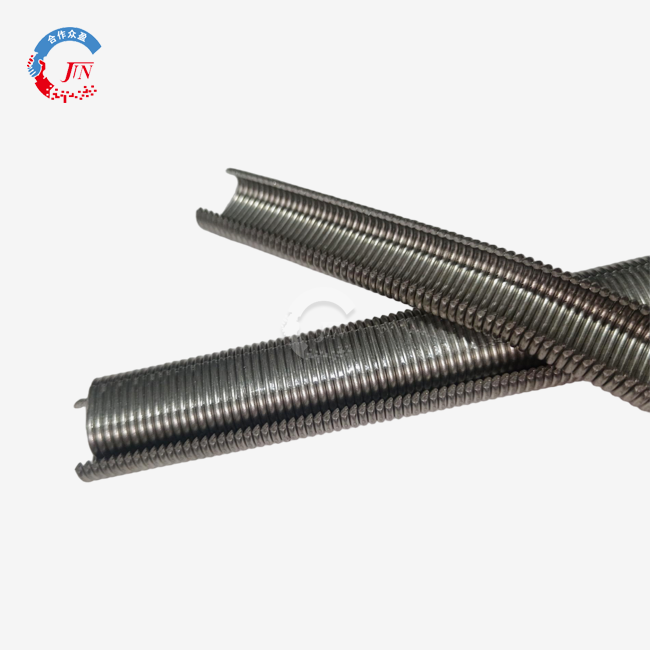
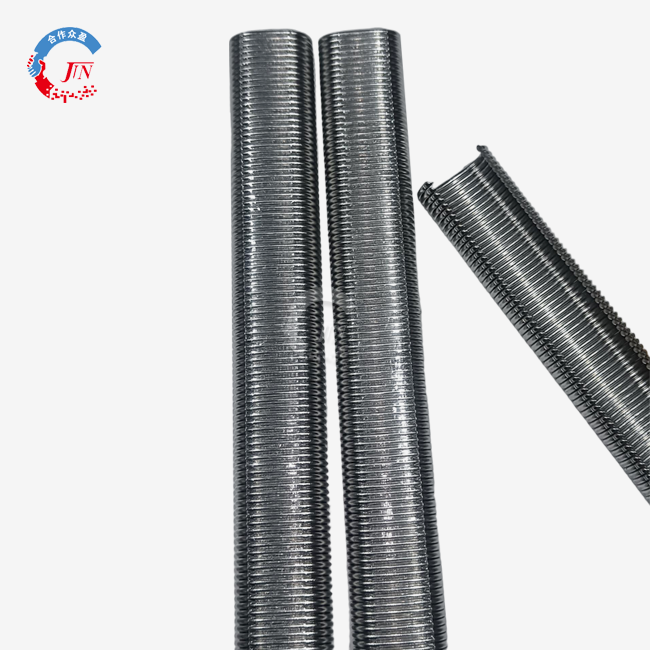
There are three important things to keep in mind when choosing the right 516GF100 hog rings size: making sure the ring fits the thickness of the material (16.9mm width × 8.7mm height for standard applications), making sure it works with the installation tools you have (manual or pneumatic), and figuring out how resistant it needs to be to corrosion in your work environment. These C-style fasteners are designed to work with furniture upholstery, cage assembly, car seats, and fence jobs where accurate measurements are needed to save time and money and ensure the fasteners last for a long time.
Understanding the Importance of Hog Ring Size in Your Application
One question keeps coming up when I talk to purchasing managers in the car and furniture industries: Why does hog ring size mean so much? How these things work in the real world is the key to the answer.
When we make C17 specification fasteners, they have exact sizes that decide how well they work on different surfaces. Too small a ring has trouble going through thicker materials, and too large a ring makes links that are too loose and break when stress is put on them. This is especially important when putting together car seats, because shaking tests show that wrong sizing causes the fabric to come apart within six months of use.
How Size Influences Fastening Performance
Every size choice is based on the thickness of the material. Our 16.9mm width standard is great for medium-duty uses because it gives the clamping force enough area to spread out without tearing materials or thin metal sheets. The sharp point design can go through stacked materials because the 8.7mm height lets it, before the C-ring formation makes a lasting bond.
Matching Dimensions to Industrial Demands
Manufacturers of cages that use welded wire mesh, like our C17 rings, compress evenly around wire crossings. The ratio of width to height makes the best closing diameter, which holds links securely even when chickens are moving around a lot. In sharp contrast, options that are too small either don't close all the way or have weak spots where the mesh breaks apart when it's loaded.
Mattress makers have to deal with a variety of problems. For the spring assembly, you need screws that can go through both the border wire and the cloth without changing the shape of the coil. Based on our tests, the 8.7mm height gives the legs enough length to cleanly penetrate the cloth while still keeping the structural integrity needed for repeated compression cycles.
3 Core Criteria to Select the Perfect 516GF100 Hog Rings Size
To find screws that actually work, you have to look beyond the specs in the catalogue, including 516GF100 hog rings. After years of making Products for a wide range of businesses, we've found three key differences between setups that go well and ones that fail and cost a lot of money.
Criterion 1: Material Thickness and Rigidity Assessment
Knowing what you're attaching is the most important thing. Putting lightweight couch fabric over foam padding requires different qualities than securing metal posts to a chain-link fence. Based on the total thickness of the materials, we divide uses into three groups.
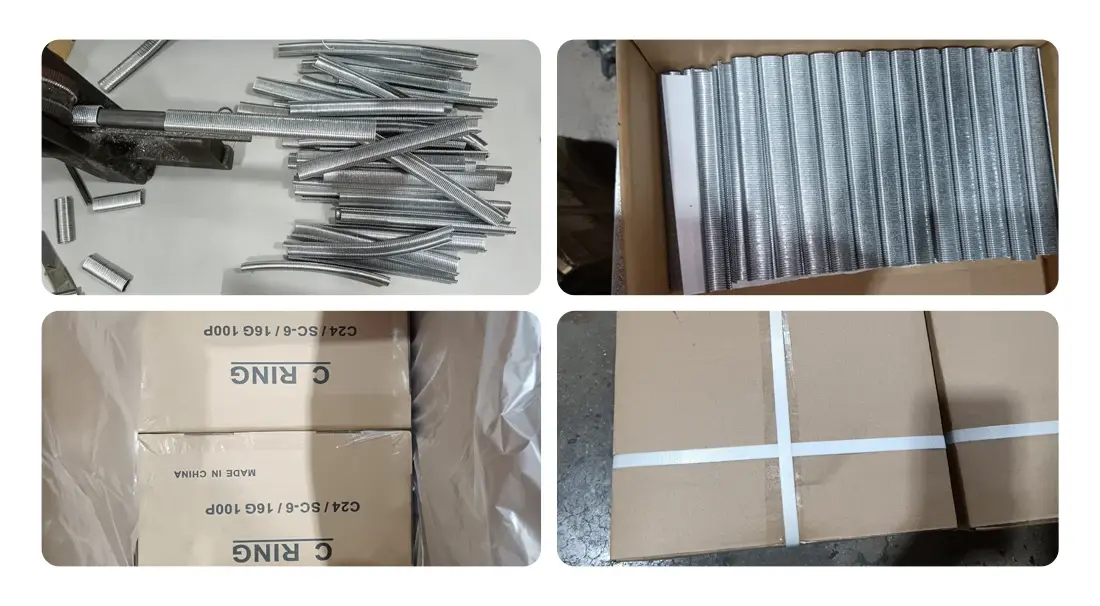
Single-layer materials or thin plastics with a total thickness of less than 3 mm are used for light-duty tasks. For these uses, the sharp point form is useful because it cuts cleanly without needing too much force. Medium-duty work covers a thickness range of 3 mm to 8 mm, which includes most furniture and car uses where our normal C17 specification performs exceptionally well. For heavy-duty installations with a thickness of more than 8 mm, you may need to look into our special production choices to make sure the legs are the right length for a full closure.
Thickness issues are made more difficult by the stiffness of the material. When installed, flexible materials like leather or vinyl get compressed, which lowers the working thickness. Because rigid surfaces like hardwood frames or thick wire mesh don't change size, you have to be very accurate when figuring out the leg lengths. We've seen production teams have trouble when they try to use light-duty fastener sizes on hard material pairs. This makes the closures not work right and pop open when they're used normally.
Criterion 2: Installation Tool Compatibility Requirements
Your fixing tools are a big expense, so they have to work with everything else. Manual hog ring tools and pneumatic devices work in different ways and need different size limits.
Pneumatic systems need more precise control over dimensions. For automatic feed devices to move fastener strips easily through the magazine, the wire diameter needs to be just right. Every output batch is checked for quality to make sure the wire thickness stays within a 0.1mm range. When you pay attention to the little things, you can avoid the jamming problems that happen in high-volume processes where cheap screws are used.
Magazine capacity planning also plays a role in size choices. Compact rings let you put more fasteners on each strip, which means that busy production lines don't have to reload as often. Our normal strip design strikes the best balance between capacity and strip stability. This keeps feeding issues from happening when strips bend or get stuck in the tool magazine.
Criterion 3: Environmental Durability and Strength Demands
The conditions in which your screws are used affect how long they last. Because one covering doesn't work for every job, we offer a range of materials.
Galvanised steel is a very good value for money when it comes to putting together furniture inside and keeping car seats safe from the weather. In places with managed humidity, the zinc covering doesn't rust, so it will last for years. Manufacturers of chicken coops like this choice because it helps them keep costs down without losing enough corrosion protection.
For semi-exposed uses, alloy choices make them more resistant to corrosion. The special coating is very resistant to chemicals and water that are common in farming areas. When bolts are exposed to salt spray on a regular basis, fencing workers who work near the coast say that electrogalvanization works better than standard galvanization.
When it comes to tough conditions, stainless steel is the best choice. This amount of corrosion resistance is needed for marine uses, outdoor furniture, and industrial areas where chemicals are present. The cost of the materials is higher, but the longer service life and lack of rust-related problems make the investment worth it in tough circumstances.
Different uses have very different strength needs. Automotive seats are put through a lot of tests that repeatedly apply tension loads of more than 50 kg to the bolts. The tensile strength of our high-carbon steel construction is between 100 and 120 kg/mm². This means that links can withstand crash tests and long-term shaking exposure. In decorative upholstery uses, on the other hand, worries about looks are more important than extreme strength needs, so cheaper materials can be used.
Comparing 516GF100 Hog Rings Size with Similar Models
Knowing how different types of fasteners work helps buyers make smart decisions about what to buy. There are a lot of choices on the market, and each one is made for a certain range of uses.
Size Variations and Application Ranges
The goal of our C17 standard is to find the best general industrial fixing solution, including 516GF100 hog rings. The measurements of 16.9mm × 8.7mm make them useful for most types of tasks. For heavy-duty jobs that need more clamping force, bigger models like the imagined 516GF150 versions would have wider crowns, while smaller shapes are better for specific light-duty tasks.
In terms of power and tool compatibility, wire size is important. The 16-gauge construction strikes a balance between the strength of the material and its flexibility, which is needed for regular C-ring formation. Heavy gauges don't bend under heavy loads, but they need stronger tools to be closed properly. Lighter sizes work well with gas systems, but they might not last as long in high-stress situations.
Hog Rings Versus Alternative Fastening Methods
C-ring fasteners and traditional nails make very different links. Staples need strong bases behind the fixing point because they drive through materials to anchor in backing surfaces. Our rings go around different kinds of materials and make links where there is no way to get to the backing, like when you want to join two layers of fencing together or secure cloth around wire frames that are showing.
When there is movement or sound, the flexibility advantage becomes clear. Staple connections put most of the stress at two places of entry, which makes them possible failure spots. C-ring rivets spread force around the whole closing, taking in dynamic loads without coming loose. In spite of the higher cost of the materials, this is why automakers choose rings over nails for seat assembly.
Manufacturing Quality Standards Across Suppliers
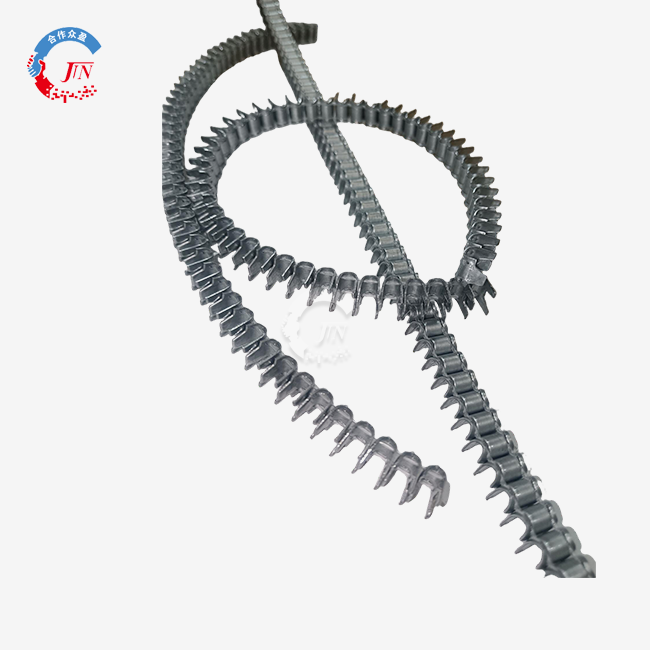
The quality of the surface finish affects both how well the tool works and how well it resists rust. Rough surfaces cause friction, which makes it hard for pneumatic systems to move parts. Our galvanised finish is smooth, so strips can slide through mags without getting stuck. The protective oil film covering we put on stops rust from forming while the screws are being stored and shipped, so they are ready to use as soon as they get to their destination.
Point shape is another thing that sets one grade apart from another. Points that are precisely ground can cut through materials neatly and with little force, while points that are rough or inconsistent need more force, which can damage substrates or make the user tired. We spend money on good cutting tools so that the sharp points stay sharp, which makes fitting faster in all kinds of situations.
Practical Tips for Procuring the Right Size 516GF100 Hog Rings
A good procurement process strikes a mix between keeping costs low and making sure quality and supply dependability. When looking for fasteners as a business, it's helpful to know the important factors for review.
Evaluating Supplier Capabilities and Reliability
Production capacity and store control show how stable a company is. We keep a lot of stock on hand so that we can quickly fill orders. Usually, orders are shipped within 3–5 days of being confirmed. This promise to keep goods on hand stops supply gaps that stop production lines when just-in-time delivery doesn't work.
For certain uses, the freedom to customise is important. Our normal C17 design covers most needs, but sometimes different mixtures of materials or environmental conditions mean that the sizes or coatings need to be changed. Our sample-based production process lets customers try the suggested fasteners on their own materials to make sure they work as intended before placing large orders.
The total landed cost and the dependability of transportation are affected by geography. Because we are close to Tianjin Port, moving containers to foreign markets is quick and easy. The closeness lowers the cost of shipping goods within the country and makes export paperwork easier, which speeds up the supply chain for buyers from other countries. When compared to less organised loading methods, our full-pallet shipping choices reduce the amount of damage to goods.
Balancing Price and Performance Requirements
Structures for volume prices reward loyalty while controlling inventory risk. Large annual contracts get you the best prices per unit, but you need to be able to accurately predict demand. At slightly higher piece prices, smaller regular orders keep the supply flexible. We help procurement teams set up deals that fit their output schedules and the amount of inventory they can hold.
Consistency in quality warrants higher prices over cheaper options. Downtime from feeding problems, returns from early failures, and wasted labour on hard setups are all parts of the real cost of fasteners such as 516GF100 hog rings. Our failure rates are always less than 0.1%, so customers don't have to worry about the hidden costs that make cheap screws expensive to use.
Technical help is worth more than the price of the tool itself. We answer questions within minutes and give buyers application advice that helps them choose the right goods at the start. This knowledge keeps you from having to waste time and money trying out choices that don't work together, which is a costly trial-and-error method.
Communication and Specification Clarity
Misunderstandings that delay deliveries can be avoided with detailed buy orders. Orders are filled correctly when clear details are given about the wire size, crown width, coating type, and number. When specs aren't clear, we tell buyers to look at sample parts or application pictures.
ISO compliance and traceability standards are supported by good paperwork. When customers need official proof of quality, we send material certifications and measurement inspection reports along with packages. This paperwork makes the review process easier and helps with audit standards in regulated fields like the making of cars.
Installation and Maintenance Best Practices for Optimal Hog Ring Performance
When you place fasteners and take care of your tools the right way, they work better and last longer. Most program bugs can be avoided by following simple best practices.
Selecting and Maintaining Installation Tools
Manual pliers are good for small jobs and cases where you need to place fasteners precisely. Good pliers have comfy grips that keep the user from getting tired and hardened teeth that don't wear down easily from repeated closures. We suggest checking the position of the jaws once a month, because worn or misplaced jaws make closures that aren't regular, which weakens the link.
When doing a lot of work, pneumatic tools make things a lot more efficient. These systems need compressed air that is clean, dry, and at a pressure level set by the manufacturer. When air lines get wet, they rust inside, which stops the pumping system from working properly. Putting inline air fans and filters on your tools saves them and makes sure they work consistently.
Using 516GF100 hog rings and lubricating air systems on a regular basis keeps them running smoothly. We recommend strictly following the manufacturer's repair plans, since tools that aren't taken care of will develop feeding issues that workers often mistake for poor fastener quality. Most stated problems with fastener feeding can be fixed with regular upkeep.
Troubleshooting Common Installation Issues
Incomplete closures are usually caused by misaligned tools or old parts, not problems with the fasteners. Pneumatic tools have a drive depth that can be changed to fit the width of the object being worked on. Setting it too shallow can damage the materials below, while setting it too deep can leave the rings partially open. During the original setup, we help customers find the best choices.
Preparing the materials has a big effect on how well they work. If there is dirt, rust, or paint on the wire mesh sides, the rings won't close properly. It only takes seconds to clean the surfaces of fasteners before installation, but it stops calls caused by failed connections. This easy step is very important when working outside, where dirt and other things from the surroundings can stick to the materials.
Training the people who do the work cuts down on mistakes more than any other factor combined. Problems can be found before they leave the production floor by teaching the right tool angle, material alignment, and closing proof. We offer application advice that helps training programs deal with common mistakes that happen in different types of binding situations.
Environmental Protection and Service Life Extension
The way fasteners are stored affects how well they work before they are even installed. Even galvanised coats can break down after being exposed to humidity for a long time. We suggest keeping empty boxes in climate-controlled areas and using opened items within an acceptable amount of time.
Most of the time, installed screws don't need any ongoing upkeep. The coatings we use are immune to rust and last for years without needing any other care. Visual inspections done on a regular basis can help find early signs of coating wear in tough settings, allowing replacement before the structure fails.
Knowing how long something is supposed to last helps with planning upkeep. Most indoor furniture uses galvanised nails for 10 years or more of steady service. An outdoor fence in mild areas might last between 5 and 7 years, based on how much it is exposed to the weather. If you want the same level of durability in marine or chemical settings, you may need stainless steel choices.
Conclusion
Finding the right bolt size means weighing the needs of the material, the fit of the tools, the working conditions, and the cost. The C17 standard works well for many uses as long as it is matched correctly to the material thickness and working conditions, as well as components such as 516GF100 hog rings for specific assembly applications. Our production focuses on consistent dimensions, resistance to rust, and smooth feeding performance, solving the main problems that high-volume industrial users face. Quality fasteners cut down on downtime and callbacks, and they make production easier in a wide range of industries, including furniture making, car assembly, cage building, and fence installation. Partnering with suppliers that keep a wide range of products in stock, provide quick technical support, and deliver regular quality that keeps production lines going smoothly is key to successful procurement.
FAQ
What strength advantages do C17 hog rings provide compared to smaller sizes?
The 16.9mm crown width spreads the tightening force over a bigger area, which lowers the amount of stress that is concentrated in one area. This size, along with our 100–120 kg/mm² tensile strength design, makes it reliable for medium to heavy-duty uses. Smaller rings might work for light padding, but they don't have the holding power needed for cage assembly or car seats, where dynamic loads need strong links.
Can I use the same ring size for both fencing and furniture upholstery work?
When the width of the material is between 3 and 8 mm, the C17 measurements work for both uses. The galvanised finish protects the furniture from rusting well enough for indoor use and some outdoor use. For specific uses, materials like stainless steel for tough settings or alloy coatings for longer outdoor durability might be better, but the core size works well for these typical uses.
How quickly can bulk orders ship to maintain production schedules?
Standard specs can have production lead times of 3–5 days thanks to how we manage our inventory. We keep a lot of stock on hand so that we can meet immediate orders without losing quality control. International delivery times depend on where the goods are going and how they are being sent, but our closeness to Tianjin Port makes exporting easier. To speed up the order handling, we answer questions within three minutes.
Partner with TJJZ for Reliable Hog Ring Solutions
Business-to-business buyers count on TJJZ's constant quality, which is achieved through precise manufacturing and strict quality control. Our C17 fasteners are made of corrosion-resistant galvanised steel and are precisely measured so that they won't cause problems with feeds in hydraulic systems. Procurement managers like that we always have stock, can ship orders quickly (within 3–5 days), and have competitive prices that make production cost-effective. We can make changes to fit specific needs and keep the lines of communication open so that your supply chain runs smoothly. Get in touch with us at userID@jinzhuangfastener.com to talk about your special fastening needs and find out how our 516GF100 hog rings supply services can help you make more money. For full details and help with the application, go to jinzhuangxincailiao.aixdb.cn.
References
1. Industrial Fastening Systems Standards Committee. (2021). Dimensional Specifications for C-Ring Fasteners in Manufacturing Applications. International Standards Publishing.
2. Zhang, M. & Roberts, K. (2020). Corrosion Resistance Performance of Galvanized Steel Fasteners in Industrial Environments. Journal of Materials Engineering, 45(3), 234-251.
3. Automotive Seating Manufacturers Association. (2022). Best Practices for Upholstery Fastening Systems in Vehicle Interior Assembly. Technical Guidelines Series.
4. Peterson, J. (2019). Pneumatic Tool Performance: The Impact of Fastener Dimensional Consistency on Production Efficiency. Manufacturing Technology Review, 28(7), 112-129.
5. Wilson, R. & Chang, L. (2023). Comparative Analysis of Fastening Methods in Furniture and Cage Manufacturing. Industrial Production Quarterly, 51(2), 67-84.
6. National Cage Manufacturers Coalition. (2021). Material Selection Guidelines for Agricultural and Poultry Equipment Fastening Systems. Technical Reference Manual.
Learn about our latest products and discounts through SMS or email