- English
- French
- German
- Portuguese
- Spanish
- Russian
- Japanese
- Korean
- Arabic
- Greek
- German
- Turkish
- Italian
- Danish
- Romanian
- Indonesian
- Czech
- Afrikaans
- Swedish
- Polish
- Basque
- Catalan
- Esperanto
- Hindi
- Lao
- Albanian
- Amharic
- Armenian
- Azerbaijani
- Belarusian
- Bengali
- Bosnian
- Bulgarian
- Cebuano
- Chichewa
- Corsican
- Croatian
- Dutch
- Estonian
- Filipino
- Finnish
- Frisian
- Galician
- Georgian
- Gujarati
- Haitian
- Hausa
- Hawaiian
- Hebrew
- Hmong
- Hungarian
- Icelandic
- Igbo
- Javanese
- Kannada
- Kazakh
- Khmer
- Kurdish
- Kyrgyz
- Latin
- Latvian
- Lithuanian
- Luxembou..
- Macedonian
- Malagasy
- Malay
- Malayalam
- Maltese
- Maori
- Marathi
- Mongolian
- Burmese
- Nepali
- Norwegian
- Pashto
- Persian
- Punjabi
- Serbian
- Sesotho
- Sinhala
- Slovak
- Slovenian
- Somali
- Samoan
- Scots Gaelic
- Shona
- Sindhi
- Sundanese
- Swahili
- Tajik
- Tamil
- Telugu
- Thai
- Ukrainian
- Urdu
- Uzbek
- Vietnamese
- Welsh
- Xhosa
- Yiddish
- Yoruba
- Zulu
What Should Buyers Look for in Galvanized Hog Rings?
When people buy galvanized hog rings for industrial use, they need to think about a few important things to make sure they work well and last a long time. High-quality galvanized hog rings should always be the right size, be resistant to corrosion thanks to a strong zinc layer, work with common fitting tools, and have enough tensile strength for the job. These metal clips are used to permanently join things together in projects like making furniture, car seats, cages, and fences. Their ability to keep their shape under stress has a direct effect on how quickly and well the Products are made and how long they last.
Understanding Galvanized Hog Rings: Key Features and Uses
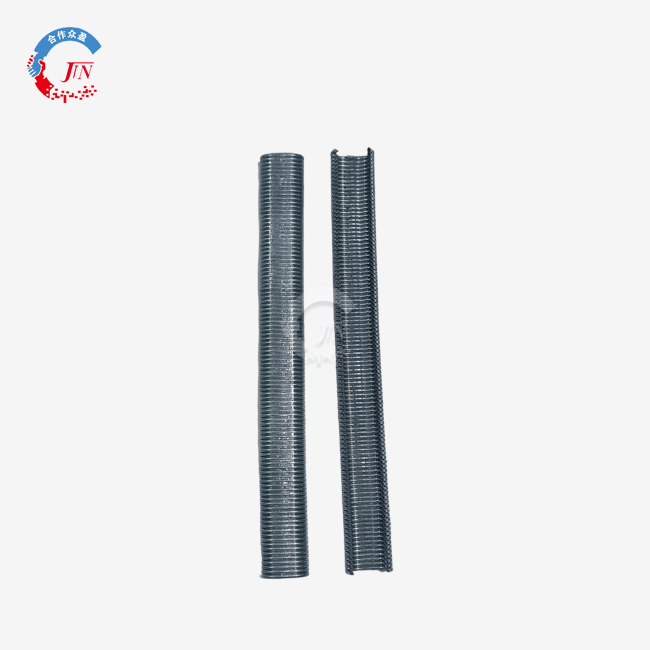
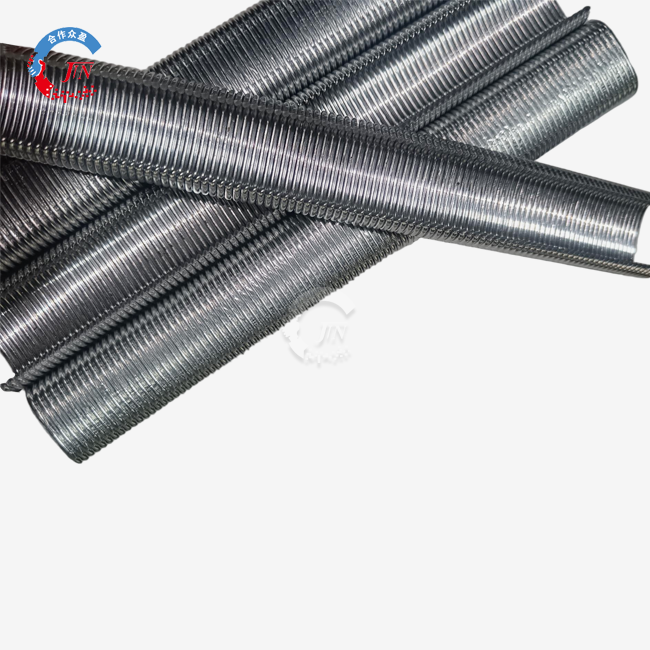
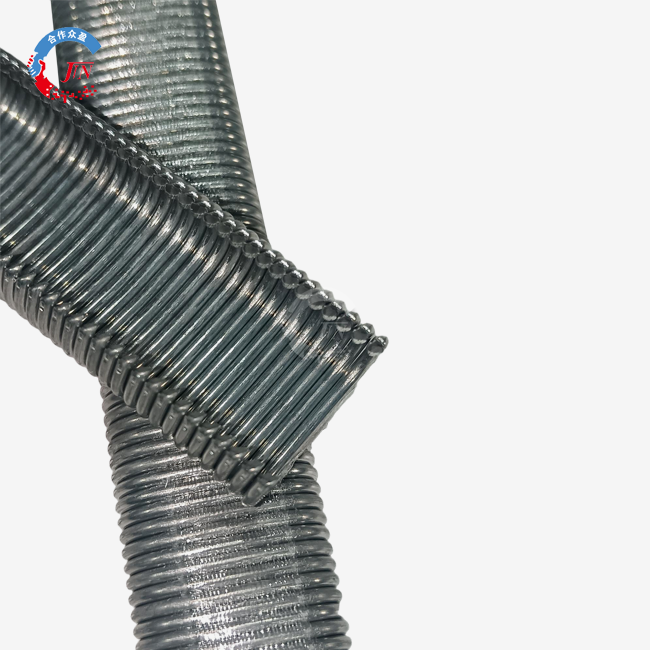
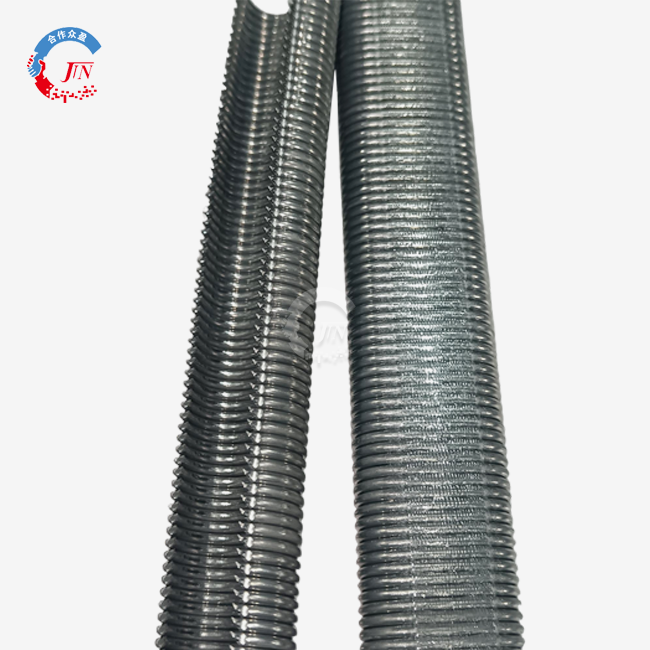
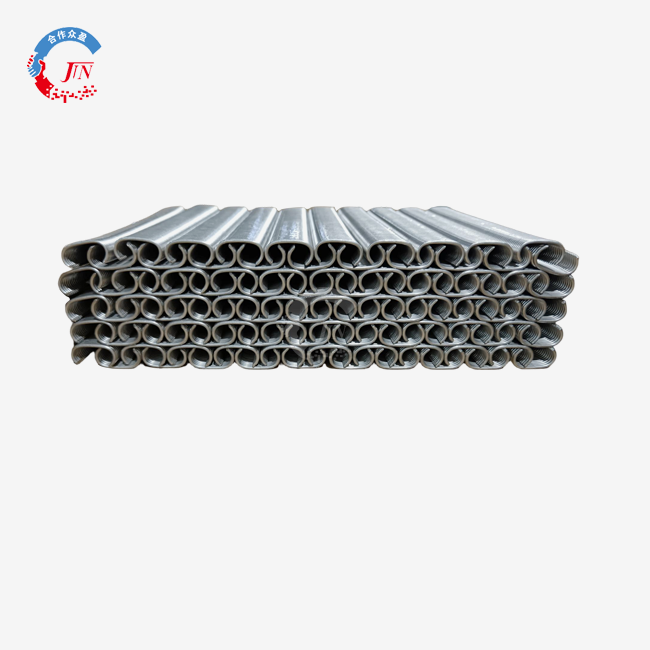
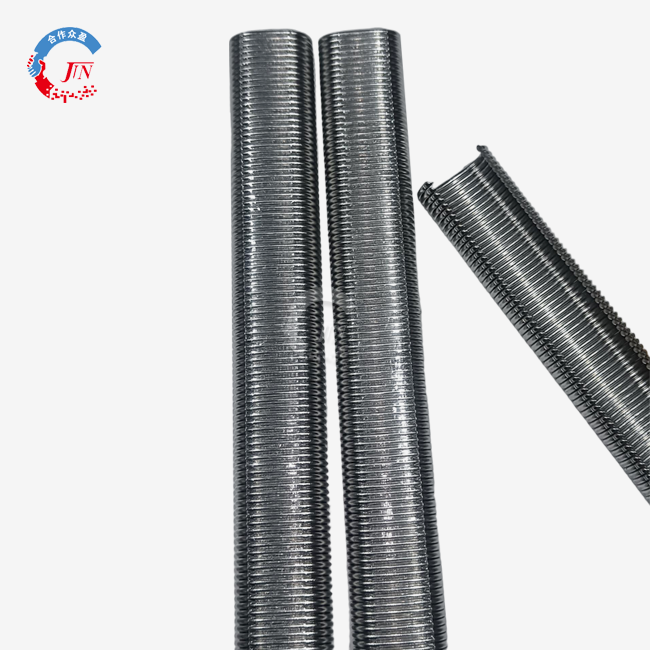
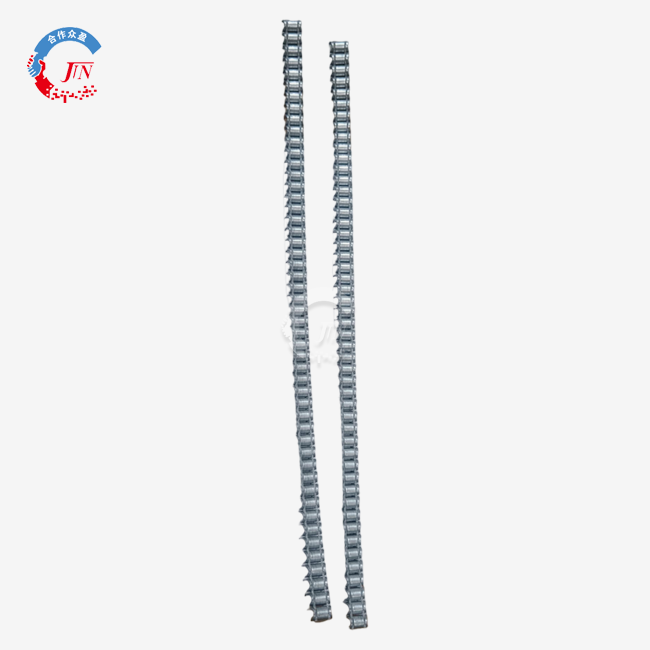
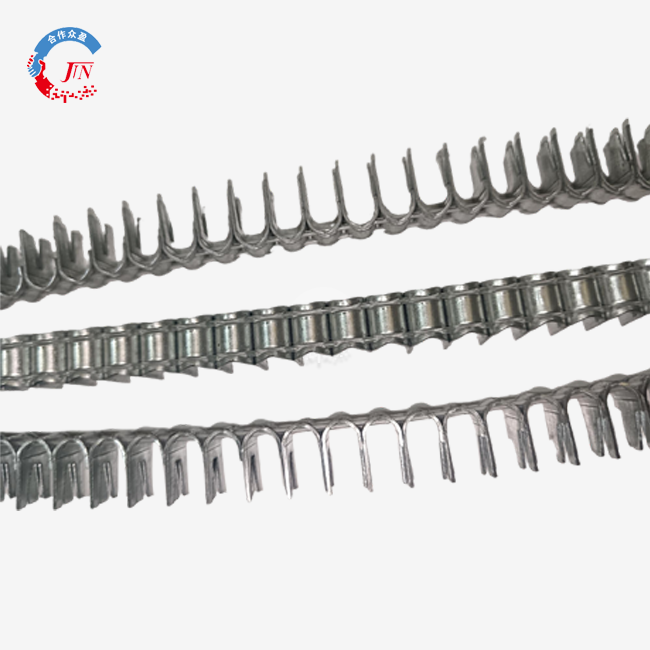
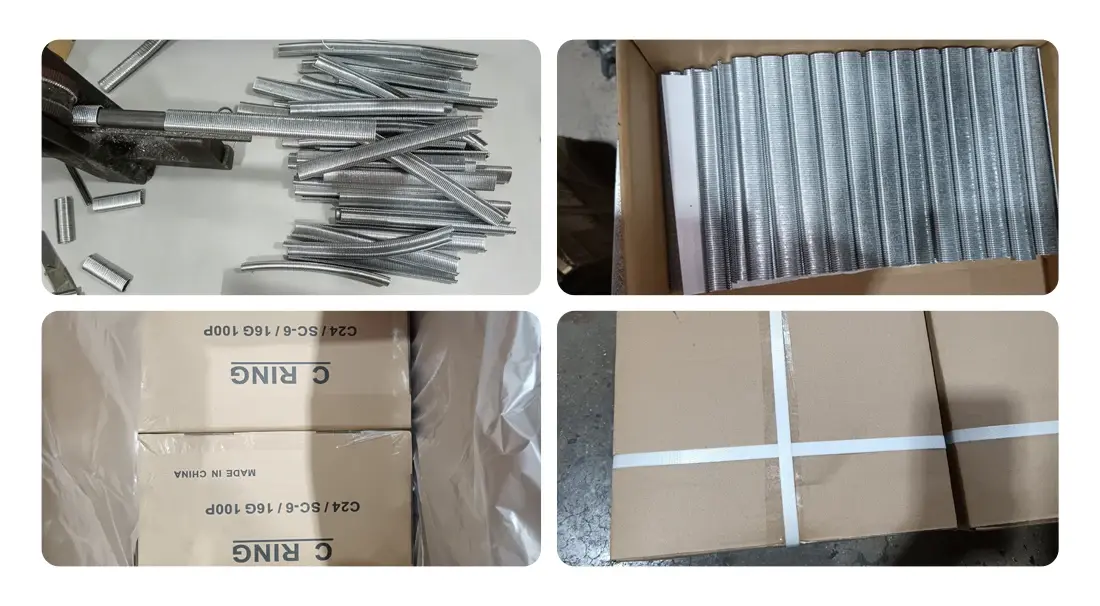
Galvanized hog rings are special C-shaped fasteners made from high-tensile steel wire that is treated with galvanization to make a metal shield that protects the wire. This way of making things protects the base metal from rust and wet damage in the environment, which makes it last longer in tough situations. The C-ring shape of these fasteners lets them be crimped around materials with pliers or air tools. This makes lasting mechanical bonds that don't need to be welded or sealed with glue.
Primary Industrial Applications
These fixing methods are very useful in a wide range of manufacturing situations. They are used by mattress makers to connect upholstered fabrics to frame structures and spring units to border wires. Automotive seat makers use these rings to attach seat covers to wire frames inside the cars. They have to be able to handle constant kinetic stress and shaking for the life of the cars. They are used in furniture companies to build sofas, especially to attach fabric materials to wooden frames and keep serpentine springs in place.
Agricultural and animal care activities are another important type of use. Manufacturers of poultry equipment use these screws to connect wire mesh panels to make chicken cages. This makes shelters that last and don't fall apart from animals and the environment. In the same way, pet cage makers gain from their ability to fight rust and hold things securely. They are used by fence builders to install chain links and put together gabion baskets, where they have to keep their tension even when they are outside in all kinds of weather.
Common Sizes and Gauge Options
On the market, these screws come in a number of different gauge sizes to fit different load needs and material thicknesses. Standard gauges come in 16G and 17G wire sizes, and crown widths are usually between 1/2 inch and 3/4 inch. The C17 standard, which has a width of 16.9mm and a height of 8.7mm, works well in a wide range of basic fastening situations. For bigger jobs, you might need lower gauge numbers, which means stronger wires that can handle more tensile loads.
Installation Tool Requirements
For a proper fitting, you need tools that work with the hog ring and are made for that purpose. For small jobs and repairs, manual hog ring pliers work well because they are portable and easy to use, and they don't need to be plugged in. Pneumatic tools are much more efficient in production settings because they can be used quickly, which cuts down on labor time by a large amount. Tool fit is still very important—the ring's shape needs to match the pliers' jaw profile and magazine design to keep feeding problems from happening and make sure the quality of the crimp is always the same.
Essential Criteria for Choosing the Right Galvanized Hog Rings
A lot of technical and practical factors need to be carefully considered when choosing the right fixing hardware, including galvanized hog rings. To get the best results, purchasing choices should take into account the make-up of the material, its dimensions, how well it works with other tools, and the supply chain.
Material Quality and Corrosion Resistance
The galvanization method has a direct effect on how well and how long a product lasts. Electro-galvanized rings have lighter zinc coats that are good for indoor uses where they won't be exposed to much moisture, like putting together furniture and car parts inside. Hot-dip galvanized choices have stronger protective layers that are more than 50 microns thick. This makes them better at resisting corrosion in marine, farming, and outdoor settings. When the zinc covering gets damaged, it protects the steel underneath through cathodic protection, even if the base metal is exposed at bend points because of small surface damage.
Different types of materials solve certain environmental problems. When compared to normal galvanization, zinc-aluminum alloy treatments make rows more stable and resist rust better, so they can be used in fairly harsh circumstances. Stainless steel rings protect against corrosion the best in harsh settings with salt spray, chemical exposure, or constant touch with water, but they are very expensive and might not be suitable for projects that need to stay within a budget.
Size and Strength Specifications
By matching the size of the fastener to the needs of the application, fitting issues and structure breakdowns can be avoided. Tensile strength is based on the wire gauge. Lighter gauges are better for upholstery work and joining lightweight meshes, while heavier gauges are better for high-tension uses and structural fences. The crown width needs to be big enough to fit the thickness of both materials being joined, plus enough space to make safe crimps without sticking out too far. The ring's binding power and ability to catch things inside the tight circle are affected by the height requirements.
Professional applications must meet certain quality standards set by testing standards. It depends on the wire size and how the material is treated, but the tensile strength is usually between 600 and 1200 MPa. Corrosion resistance is measured by salt spray tests according to the ASTM B117 standard. Good products show strength 72 to 240 hours or more before red rust forms. Dimensional accuracy is checked with a micrometer to ensure that automatic equipment feeds the parts correctly and stops tools from getting stuck, which slows down production.
Tool Compatibility and Feeding Performance
Integration with building equipment that works smoothly has a direct effect on how efficiently operations run. Rings must be able to move easily through pneumatic tool magazines, not getting caught or out of place, so they always face the crimping jaws in the same way. The protective oil film layer that is put on during production does two things: it keeps the parts from rusting while they are stored, and it also lubricates the parts so they can move smoothly through the tool mechanisms. Products that don't leave behind sticky residue keep magazines from getting dirty, which stops feeding and requires frequent equipment cleaning.
Packaging and Bulk Purchase Advantages
Professional buyers benefit from smart packaging arrangements that make it easy to handle while also saving space. Through volume price, bulk packing lowers the cost per unit while also reducing the amount of packaging trash. Pallet-ready designs make storage work easier and protect goods while they're being shipped, which lowers the number of damaged items that can affect feeding performance. For manufacturing companies that can't let supply outages mess up their production plans, having enough material on hand and short production wait times are essential.
Comparing Galvanized Hog Rings with Alternative Solutions
Knowing the trade-offs in performance between different fastening choices helps you make smart purchasing decisions that fit the needs of the job and your budget.
Galvanized Versus Stainless Steel Options
Galvanized hog rings and galvanized steel rings are a great value for the money in situations where middling corrosion protection is enough. Their zinc coating provides reliable safety in most indoor settings and light outdoor exposure, which includes most furniture, car, and cage-making situations. Stainless steel alternatives are better at resisting corrosion, but they come with much higher material costs that may not be worth it unless the product is used in harsh settings where it is constantly exposed to saltwater, chemicals, or strict cleanliness rules.
When combining metals that are not the same, galvanic rust is a technical issue to think about. When you connect galvanized rings to stainless steel mesh, electrical processes happen that speed up the breakdown of the zinc coating. By matching the bolt material to the base material, these kinds of problems can be avoided, and the expected service life is maintained.
Metal Rings Versus Plastic Alternatives
When it comes to strength, longevity, and temperature protection, traditional metal fasteners clearly beat plastic clips. When there is a lot of stress and pressure, metal rings keep their holding power while plastic options may creep or break. They don't soften or break when exposed to temperature changes that happen in car use and outdoor installations. The permanent mechanical crimp makes ties that won't come apart over time, unlike clips, which may lose their ability to hold things together over time.
Plastic options can be cheaper in some low-stress situations where rust doesn't matter, and strength needs aren't too high. But because they aren't as strong as metal and don't last as long in the environment, they can't be used in professional factory settings where quality standards and product liability require proven trustworthiness.
Practical Tips for Using and Maintaining Galvanized Hog Rings
The best way to install and take care of fasteners is to follow the right steps for installation and upkeep.
Optimal Installation Techniques
To make joints that last, you need to set up your tools correctly and use the same methods every time. Place the materials so that they are flush against each other before adding the ring. Make sure there is enough space to fit both parts inside the crimped circle. Place the ring in the middle of the joining area and make sure it stays straight against the material sides. To get a uniform crimp closing when using hand tools, apply steady, controlled pressure or keep the pneumatic pressure settings the same. If you don't clip all the way, the joints will be weak and likely to come apart, and putting too much pressure on them could crack the wire or damage the base.
Precision-manufactured rings have sharp points that make it easier to get through materials during fitting. This technical detail lowers the number of people needed for installation and speeds up the bending process, which directly boosts worker productivity in high-volume production settings. Operators should make sure that each crimp closes the wire ends completely around the crimp and leaves no gaps between them.
Safety Considerations
When installing things, you might get hurt by the sharp metal parts and spring-loaded tools that are used. When crimping, operators must wear the right safety glasses to protect their eyes from metal pieces or wire ends that may break. Work gloves protect your hands from sharp objects while still letting you move your fingers easily enough to place the rings correctly. Before using a pneumatic tool, users should make sure that the air pressure is set correctly and check the lines for damage to keep the tool from breaking. Regular upkeep on tools, like checking the jaws and lubricating them, keeps them from breaking down without warning, which could hurt your hands.
Maintenance and Service Life Extension
Even though galvanized hog rings don't need any upkeep after they're installed, keeping leftover goods in the right way keeps the quality of the products. Keep rings in dry places with mild temperatures so that wetness doesn't build up and damage the zinc coatings. To keep the protective oil film coats, keep the original package whole until you use it. Check kept items on a regular basis for rust, which could mean that there are problems with the storage that need to be fixed.
Installed rings that are used outside should be visually checked on a regular basis to find signs of early rust that could mean the environment is too harsh for the coating. These kinds of results might lead to changes in the specifications for future installs, like using stronger galvanization or stainless steel instead.
Procurement Insights: How to Source Quality Galvanized Hog Rings
Decisions about strategic buying have a big effect on the total cost of ownership, the dependability of the supply chain, and the consistency of the product quality.
Evaluating Supplier Capabilities
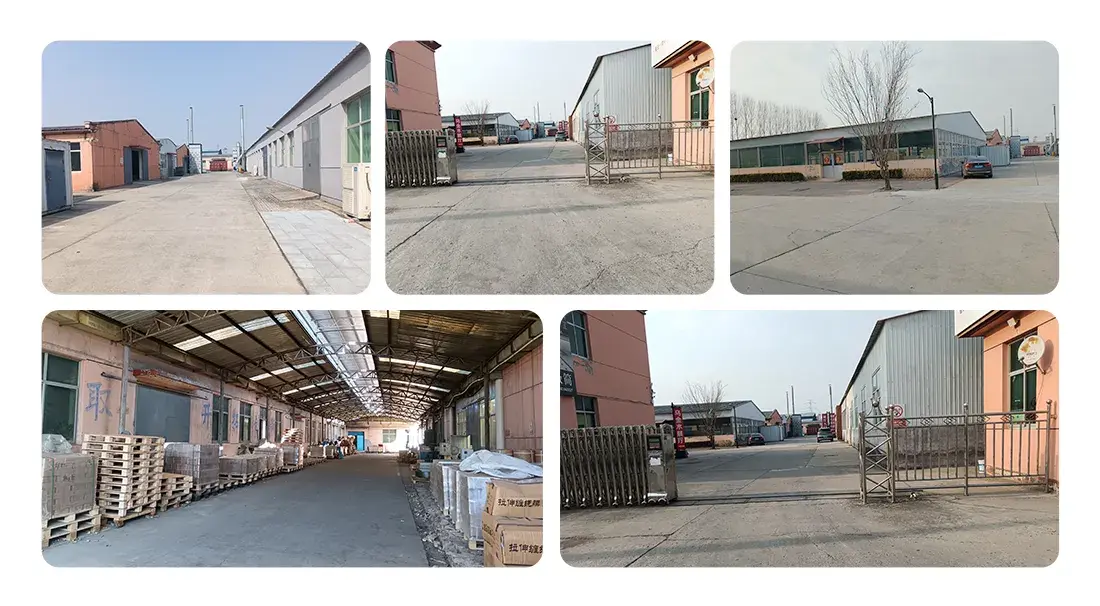
Good makers have a few things that set them apart from commodity sellers, which make them stand out. Established operational history shows proven production expertise—companies that have been in business constantly since 2015 or earlier show long-term market support and technical ability. Investing in research and development shows that you want to make products better and give customers more options. Quality control procedures that include inspecting the raw materials and checking the finished product make sure that the dimensions are always the same and that the coating stays in place.
Manufacturing capacity affects how reliable the supply is when demand changes. As long as suppliers keep enough goods on hand, they can fill orders within 3 to 5 days, which keeps production from stopping and causing delays that affect other plans. When technical questions are answered within minutes instead of days by responsive customer service teams, it shows that the company is skilled and puts the customer first.
Geographic and Logistics Considerations
How close a supplier is to major shipping equipment affects how fast and how much it costs to ship goods. When manufacturers are close to ports like Tianjin Port, foreign operations are streamlined, and they don't have to move as many goods across land. Full-pallet shipping arrangements reduce the risk of damage from handling during transport, which makes inventory management easier.
Sample-based production lets you come up with your own specifications. This service lets buyers send in current screws to be copied or changed, which makes switching suppliers easier without having to do a lot of work on developing new specifications. Custom processing services meet the specific needs of an application that can't be met by normal catalog goods.
Pricing Structures and Value Analysis
Unit price is only one part of the total cost of acquisition. Volume discount designs encourage bigger purchases, which could be a good reason to keep extra supplies on hand to ensure supply security. But buyers have to weigh the savings they get from buying in bulk against the costs of keeping goods and the risk of failure. When you have reliable suppliers who offer low prices and consistent quality, you don't have to worry about the hidden costs that come with things like defective products, machine breakdowns, and switching suppliers.
Quality certifications and following standards like ASTM A641/A641M are concrete ways to prove that a company can make something. By making sure that goods meet known industry standards for material properties and coating performance, these qualifications lower the risk of buying something.
Conclusion
To choose the right galvanized hog rings, you have to weigh a lot of technical, practical, and financial elements. Quality screws always have the right dimensions, strong resistance to rust, effective tool compatibility, and the right amount of tensile strength for the job. Buyers should give priority to providers who show they know how to make things well, offer good customer service, keep their inventory levels stable, and set prices that are competitive. Selection of the right materials for the job, along with the right fitting methods, guarantees the best performance and service life. By paying attention to these important selection criteria, procurement professionals can find fastening solutions that improve production efficiency, reduce equipment downtime, and provide reliable long-term performance in applications like making furniture, building cages, putting up fencing, and seating for cars.
FAQ
What environments are suitable for galvanized hog rings?
Galvanized hog rings work consistently in moderately wet indoor manufacturing settings and outside. Electro-galvanized choices are good for putting together furniture, making parts for the inside of cars, and building protected farms. Hot-dip galvanized rings can be used for outdoor fences, animal enclosures that are left open, and building projects that are regularly exposed to water. Extreme settings with constant contact with saltwater or strong chemicals may need stainless steel options to protect against corrosion.
Which tools work best for installation?
Repair work and low-volume tasks can be done with manual hog ring pliers, which are portable and don't need to be plugged in. Pneumatic tools are much more efficient in production settings, cutting down on installation time and labor costs by a huge amount. The right tool must be chosen for the right ring shape. For example, C-type, D-type, and M-type rings need jaw profiles and magazine setups that match to make sure they feed and crimp correctly.
How do galvanized hog rings compare in strength to stainless steel?
Both materials have great tensile strength, which is good enough for most binding tasks. Depending on the wire size, galvanized hog rings usually have a tensile strength of 600 to 1200 MPa, which is the same as stainless steel. The major difference is not in original strength but in corrosion resistance. Stainless steel keeps its properties longer in harsh environments, while galvanized choices work well when extreme rust protection is not needed.
Partner with TJJZ for Premium Galvanized Hog Rings
At Tianjin Jinzhuang New Materials Technology Co., Ltd., we provide professional-grade fastening options that are designed to work in harsh manufacturing settings. Our galvanized hog rings have coats that don't rust, a precise C-ring shape, and smooth feeding that keeps tools from getting stuck and stops production. Our goods are available in C17 specifications (16.9mm width × 8.7mm height) and different gauges, such as 16G and 17G. They are used by furniture manufacturers, car seat suppliers, cage makers, and fence builders all over the United States. We keep a large collection to support shipping windows of 3 to 5 days, and our customer service teams are quick to respond to technical questions. Because we are strategically located near Tianjin Port, foreign operations run smoothly, and full-pallet configurations keep damage to a minimum during transport. Custom processing services can meet the specific needs of each application, and sample-based production lets specifications be matched. Email our team at userID@jinzhuangfastener.com to talk about your fastening needs and get reasonable bulk prices from a maker of galvanized hog rings that cares about quality, dependability, and customer happiness.
References
1. American Society for Testing and Materials. (2019). ASTM A641/A641M: Standard Specification for Zinc-Coated (Galvanized) Carbon Steel Wire. ASTM International.
2. Machinery's Handbook Editorial Staff. (2020). Machinery's Handbook 31st Edition: Guide to Industrial Fastening Systems. Industrial Press Inc.
3. National Association of Architectural Metal Manufacturers. (2018). Metal Finishes Manual for Architectural and Metal Products. NAAMM Publication.
4. Society of Automotive Engineers. (2021). SAE J78: Steel Self-Piercing Tapping Screws and Metallic Drive Screws. SAE International Standards.
5. Wire Association International. (2017). Wire & Cable Technical Manual: Manufacturing Standards and Applications. WAI Technical Publications.
6. Zinc Coating Institute. (2020). Hot-Dip Galvanizing for Corrosion Protection: Specification and Performance Guidelines. American Galvanizers Association.
Learn about our latest products and discounts through SMS or email