- English
- French
- German
- Portuguese
- Spanish
- Russian
- Japanese
- Korean
- Arabic
- Greek
- German
- Turkish
- Italian
- Danish
- Romanian
- Indonesian
- Czech
- Afrikaans
- Swedish
- Polish
- Basque
- Catalan
- Esperanto
- Hindi
- Lao
- Albanian
- Amharic
- Armenian
- Azerbaijani
- Belarusian
- Bengali
- Bosnian
- Bulgarian
- Cebuano
- Chichewa
- Corsican
- Croatian
- Dutch
- Estonian
- Filipino
- Finnish
- Frisian
- Galician
- Georgian
- Gujarati
- Haitian
- Hausa
- Hawaiian
- Hebrew
- Hmong
- Hungarian
- Icelandic
- Igbo
- Javanese
- Kannada
- Kazakh
- Khmer
- Kurdish
- Kyrgyz
- Latin
- Latvian
- Lithuanian
- Luxembou..
- Macedonian
- Malagasy
- Malay
- Malayalam
- Maltese
- Maori
- Marathi
- Mongolian
- Burmese
- Nepali
- Norwegian
- Pashto
- Persian
- Punjabi
- Serbian
- Sesotho
- Sinhala
- Slovak
- Slovenian
- Somali
- Samoan
- Scots Gaelic
- Shona
- Sindhi
- Sundanese
- Swahili
- Tajik
- Tamil
- Telugu
- Thai
- Ukrainian
- Urdu
- Uzbek
- Vietnamese
- Welsh
- Xhosa
- Yiddish
- Yoruba
- Zulu
Galvanized C Type Ring Supplier: Sizing and Bulk Order Requirements
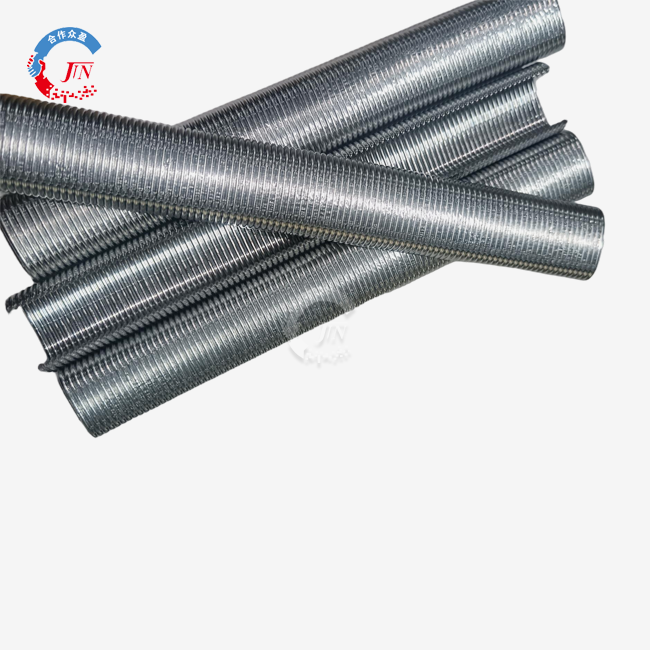
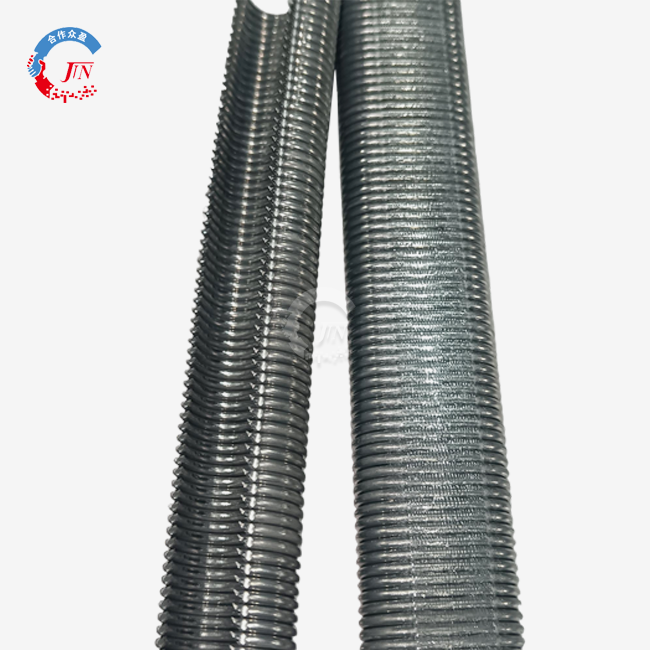
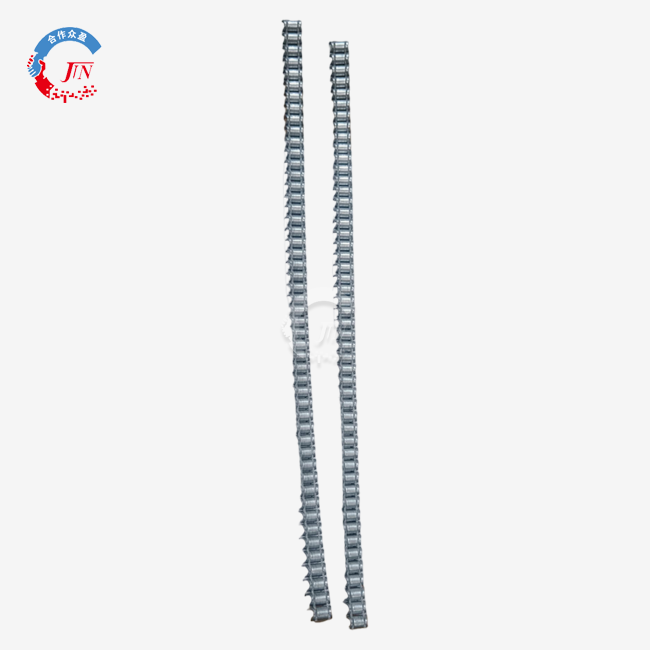
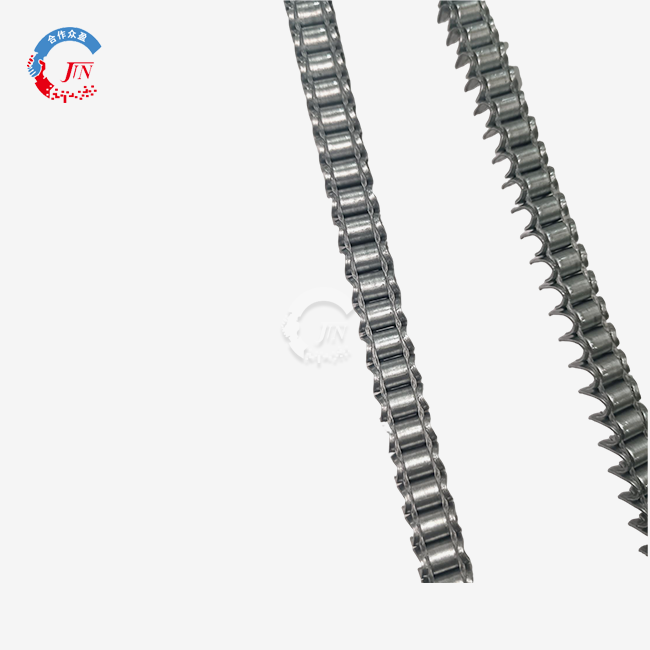
If you're sourcing a galvanized C type ring at scale, getting the sizing right from day one saves your production line from costly delays and frustrating reorders. These C-shaped zinc-coated fasteners — also called hog rings — are precision-engineered to close into a tight circular or elliptical shape using pneumatic tools. They serve critical functions in mattress assembly, automotive seating, poultry cage construction, and wire mesh fixation. This guide covers everything a procurement professional needs: key dimensions, bulk ordering strategy, material comparisons, and how to select a supplier that won't let your production line go dark.

Understanding Galvanized C Type Rings: Dimensions and Specifications
What Defines the C-Ring Design
The name "C-ring" comes from the open C shape of the raw ring. It makes a strong mechanical link once it's in place with a pneumatic or hand-held hog ring tool. Depending on the grade of steel used, most wires are between 1.6 mm and 3.0 mm in diameter. The strength of these wires when pulled apart is 700 to 900 MPa. What these specs say about the clamping force and how well it works with certain loads is very important.
Galvanized vs. Stainless Steel vs. Black Iron
Everything has pros and cons. Many things, like furniture, mattresses, and farm cages, are made with galvanized rings because they are cheap and good at resisting corrosion. Bands made of Grade 304 or 316 stainless steel can handle salt water and sea life, but they cost a lot more. Black iron rings are the least expensive per unit, but they rust easily, so they can't be used outside or in wet places. For most business buyers in North America, galvanized is still the best and most cost-effective option.

Industry Sizing Standards and Custom Options
C-rings come in gauge sizes that run from 14G to 17G. The closed width of a 16G ring is generally between 3.0 mm and 4.8 mm. Most providers follow either ASTM A641 or EN 10244 when it comes to zinc coating requirements. Still, many businesses, including TJJZ, offer unique production based on samples. This means that the diameter of the wire, the width of the ring, and the thickness of the covering can all be changed to fit the tool or application.
Sizing Considerations for Bulk Orders: Ensuring Precision and Efficiency
Why Wrong Sizing Costs More Than You Think
It's not just a bother when you order a lot of the wrong gauge or ring width; your line stops making things. It will keep getting stuck if the ring is 0.2 mm too wide for your tool magazine. This will take longer to fix, and you will have extra parts that you can't use. There is a measurable amount of unplanned downtime in automated operations that put together cages and upholstery that is caused by tool jams and fasteners that don't match.
How to Segment Your Sizing Requirements
First, buying teams should sort their needs into three groups: wire gauge (which tells you how strong the clamping is), ring width (which tells you how well it works with the pneumatic tool), and coating type (electro-galvanized for easy feeding indoors vs. hot-dip galvanized for long-lasting use outside). Before you send out an RFQ, you need to decide on the following sizes:
- Wire diameter: Match to the load requirement of the application — heavier cage mesh needs thicker wire.
- Ring width (crown): Must match your tool's magazine slot to prevent feeding failures.
- Coating weight (g/m²): Hot-dip provides up to 200 g/m²; electro-galvanized delivers a thinner, smoother layer better suited for upholstery tools.
- Closed diameter: Confirm the final crimped dimension fits the assembly point without slippage.
Match the wire diameter to the weight it needs to support. For example, thicker wire is required for heavier cage mesh. When selecting a Galvanized C Type Ring, ensure the ring head is compatible with your tool’s magazine slot to prevent feeding issues.
If you hot-dip, the coating weight can be up to 200 g/m². If you electro-galvanize, the layer is lighter and smoother, and it works better with upholstery tools.
When closed, the diameter is: Make sure that the size of the end that is covered fits the connection point well.
Working with Suppliers on Technical Datasheets
As soon as you're sure about these settings, ask for a test run before approving the whole run. This step alone ends most disagreements about large order sizes.
Comparing Galvanized C Type Rings with Other Materials and Brands
Durability and Corrosion Performance
Coated with zinc in a hot dip, around ISO 9223 groups C3 through C4, the zinc layer on C-rings is thicker and works well. In other words, they can be used for farming, building fences outside, and putting together cages. Most of the time, electro-galvanized rings are used to make beds and put together car seats because they have a smoother surface and can fit through tight tool openings better. ASTM B117 says that the standard way to test how well a coating works is to spray it with salt water and leave it there for 72 to 96 hours.
Evaluating Supplier Quality and Certifications
It's not enough to just compare prices when you shop around. Check to see if the person who makes the item checks the sizes, does mandrel wrap tests to make sure the coating sticks, and does zinc coating mass testing (gravimetric method). It costs a lot more than the difference in price when sellers don't do these things. Goods that don't fit right or rust quickly are often sent out. From the time they get the raw materials to the time they send them out, TJJZ does a lot of quality checks. In addition, they promise that the surfaces will not rust, crack, or change shape.
Price Range and Bulk Purchase Advantages
Some Galvanized C Type Ring Products can be 40% to 60% less expensive per unit than stainless steel alternatives when purchased in large quantities. When you order a full pallet, a reliable supplier may offer bulk discounts and reduce freight costs per unit. Buying directly from a manufacturer rather than a distributor can also help you secure better pricing and customize product specifications, which is especially important when your assembly line requires precise dimensions.
Bulk Order Process and Supplier Selection: From Inquiry to Delivery
Navigating the RFQ Process
A well-written Request for Quotation is the first thing that needs to happen for a big sale to go smoothly. In your RFQ, you should list the wire gauge, ring size, coating type, number, packing type, and the date you expect to receive the goods. If your specs are clear, it will take less time to get a good quote. When you buy from TJJZ, most sizes can be made in 3 to 5 days, and they keep enough in stock to handle last-minute orders.
Logistics Considerations for Bulk Shipments
TJJZ is close to Tianjin Port, which is one of China's main places for exporting goods. Packages going to the U.S. will take less time and cost less to ship this way. When each package has tens of thousands of rings, full-pallet shipping makes it less likely that the goods will get broken on the way. People in the U.S. can avoid customs delays by checking the Harmonized Tariff Schedule (HTS) code for galvanized steel wire goods before they ship.
Managing Inventory for Continuous Production
Companies that buy in bulk usually agree to ship their goods once a year, like when they make mattresses or cages. This makes sure that work doesn't stop while goods are being gathered at the last minute. I think you should keep two to four weeks' worth of rings on hand just in case. This is especially important for rings that are made to order and need time to be made. When you buy from companies like TJJZ that keep standard-size items in stock, you can place another order right away without having to wait for a new batch to be made.
Benefits of Choosing Galvanized C Type Rings for Your Projects
Zinc-coated C-rings, including Galvanized C Type Ring products, are useful for many applications, from assembling indoor furniture to installing outdoor field fencing. When the zinc coating is scratched or worn away, the remaining zinc can still provide some protection to the underlying steel through sacrificial corrosion protection. This helps extend the service life of the joint, reduce maintenance requirements, and lower the total cost of ownership over a production cycle.
Because of how well they work, this is why galvanized C-ring staples are the standard choice for B2B manufacturers: Stable feeding: TJJZ's C-ring staples don't leave behind any sticky residue, so they don't get stuck in fast-moving air equipment.
- Consistent feeding performance: TJJZ's C-ring staples are free of adhesive residue, which prevents tool jamming in high-speed pneumatic equipment.
- Rust-free surface: A protective coating ensures no surface oxidation during storage or after installation in humid environments.
- Dimensional consistency: Tight tolerances on wire diameter and ring width prevent misfeed events that cause downtime.
- Customization support: Available in galvanized, zinc-aluminum alloy, and stainless steel formats, with sample-based production for non-standard specs.
Because of these advantages, production stops are cut down, repair costs for pneumatic tools go down, and parts last longer, whether they're for a spring mattress, a chicken coop, or an automobile seat frame.
Conclusion
To get a lot of Galvanized C Type Rings, you need to do more than just find the worst price per unit. It's not enough to just use a cheap ring that doesn't meet the requirements; you also need to make sure that the finish is good, the tools work with each other, and the source is reliable. C-rings and other related fixing goods have been made by TJJZ and shipped all over the world since 2015. The company is located near Tianjin Port. Something from TJJZ is made in three to five days, and they test it for quality and can make it to your exact specifications. This makes sure that lines stay open by giving buying teams the stability they need.
FAQ
What is the standard lead time for bulk C-ring orders?
For standard galvanized C-ring sizes, TJJZ maintains pre-built inventory with a production and dispatch lead time of 3 to 5 business days. Custom specifications may require additional production time, which will be confirmed during the quotation process.
Can I request custom dimensions for my specific tool?
Yes. TJJZ supports sample-based manufacturing, meaning you can submit a physical sample or technical drawing and the factory will produce to those exact specifications, including wire diameter, ring width, and coating type.
How do I evaluate whether a C-ring supplier meets quality standards?
Request documentation for zinc coating mass testing, salt spray test results (minimum 72 hours per ASTM B117), and dimensional tolerance reports. A credible supplier will provide these without hesitation.
What is the difference between electro-galvanized and hot-dip galvanized rings?
Hot-dip galvanization applies a thicker zinc layer (up to 200 g/m²), making it better suited for outdoor and agricultural environments. Electro-galvanized rings have a thinner, smoother coating that feeds more reliably through pneumatic tools used in upholstery and mattress assembly.
How should I store galvanized C-rings to prevent white rust?
Store rings in a dry, well-ventilated space with VCI (Vapor Corrosion Inhibitor) packaging. Avoid areas with moisture condensation or direct contact with corrosive chemicals.
Get a Quote on Galvanized C Type Ring Manufacturer Pricing — Contact TJJZ Today
Since 2015, TJJZ has sold Galvanized C Type Rings to companies all over the world that make mattresses, furniture, car seats, and cages. The sides of our rings won't rust, there's no glue waste, and the sizes are all the same, so your pneumatic tools won't get stuck. We make it easy to buy in bulk by keeping a lot of items in stock, giving lead times of 3 to 5 days, and letting you make any changes you want. Send your needs to userID@jinzhuangfastener.com or visit jinzhuangfastener.com right away to get a quote.
References
1. ASTM International. ASTM A641/A641M: Standard Specification for Zinc-Coated (Galvanized) Carbon Steel Wire. ASTM International, 2020.
2. ISO. ISO 9223: Corrosion of Metals and Alloys — Corrosivity of Atmospheres — Classification, Determination and Estimation. International Organization for Standardization, 2012.
3. American Galvanizers Association. Hot-Dip Galvanizing for Corrosion Protection: A Specifier's Guide. AGA, 2021.
4. ASTM International. ASTM B117: Standard Practice for Operating Salt Spray (Fog) Apparatus. ASTM International, 2019.
5. European Committee for Standardization. EN 10244-2: Steel Wire and Wire Products — Non-Ferrous Metallic Coatings on Steel Wire — Part 2: Zinc or Zinc Alloy Coatings. CEN, 2009.
6. Thomas Publishing Company. Industrial Fastener Sourcing and Supply Chain Management in North American Manufacturing. Thomas Industry Update, 2022.
Learn about our latest products and discounts through SMS or email