- English
- French
- German
- Portuguese
- Spanish
- Russian
- Japanese
- Korean
- Arabic
- Greek
- German
- Turkish
- Italian
- Danish
- Romanian
- Indonesian
- Czech
- Afrikaans
- Swedish
- Polish
- Basque
- Catalan
- Esperanto
- Hindi
- Lao
- Albanian
- Amharic
- Armenian
- Azerbaijani
- Belarusian
- Bengali
- Bosnian
- Bulgarian
- Cebuano
- Chichewa
- Corsican
- Croatian
- Dutch
- Estonian
- Filipino
- Finnish
- Frisian
- Galician
- Georgian
- Gujarati
- Haitian
- Hausa
- Hawaiian
- Hebrew
- Hmong
- Hungarian
- Icelandic
- Igbo
- Javanese
- Kannada
- Kazakh
- Khmer
- Kurdish
- Kyrgyz
- Latin
- Latvian
- Lithuanian
- Luxembou..
- Macedonian
- Malagasy
- Malay
- Malayalam
- Maltese
- Maori
- Marathi
- Mongolian
- Burmese
- Nepali
- Norwegian
- Pashto
- Persian
- Punjabi
- Serbian
- Sesotho
- Sinhala
- Slovak
- Slovenian
- Somali
- Samoan
- Scots Gaelic
- Shona
- Sindhi
- Sundanese
- Swahili
- Tajik
- Tamil
- Telugu
- Thai
- Ukrainian
- Urdu
- Uzbek
- Vietnamese
- Welsh
- Xhosa
- Yiddish
- Yoruba
- Zulu
How to Choose the Right Wire Fastening Rings for Industrial Use?
Choosing the right wire fastening rings starts with matching the ring's material, gauge, and coating to your specific application environment. For indoor mattress or furniture assembly, galvanized steel rings in 14–16 GA typically deliver solid performance. For outdoor cage systems or automotive seating exposed to moisture and heat, zinc-aluminum alloy or stainless steel options provide superior corrosion resistance. You also need to verify dimensional tolerances to prevent tool jams on high-speed pneumatic lines. Getting these three variables right—material, size, and coating—sets the foundation for a dependable, long-lasting fastening system.


Understanding Wire Fastening Rings and Their Industrial Applications
What Are They, Exactly?
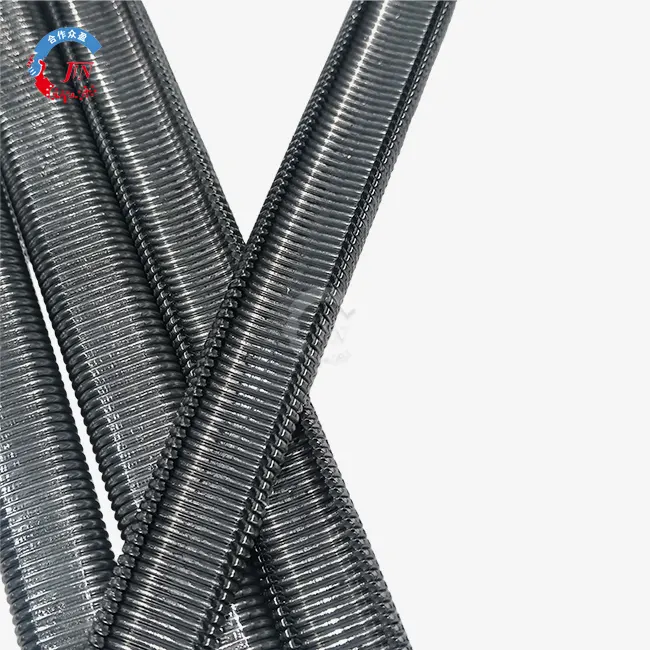
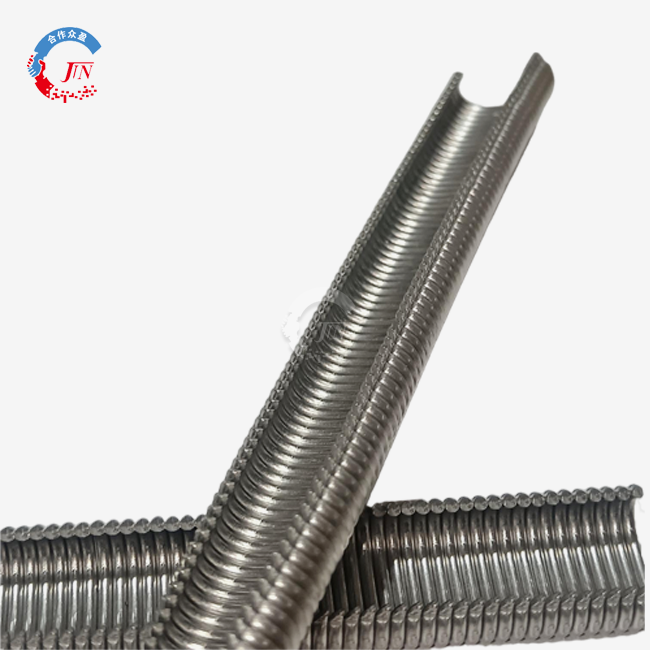
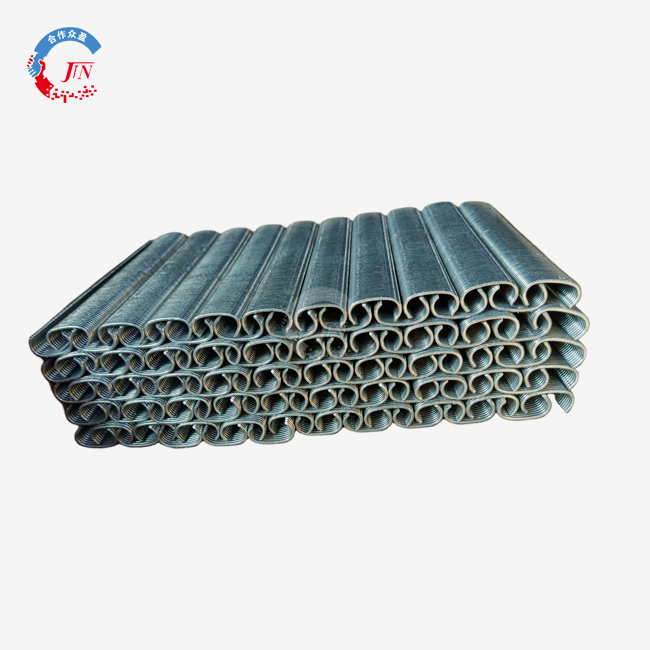
Wire fastening rings, also known as hog rings or C-rings, are precision-bent metal clips that close into an "O" shape when squeezed. They connect wires to each other, to cloth, or to frames without having to join or lash by hand. Plastic cable ties break down when exposed to UV light and changes in temperature. Metal rings, on the other hand, keep their tensile strength even when temperatures change, which makes them the best choice for high-stress production settings.
Where Are They Used?
It can be used for more things than most buyers think. When making mattresses, C-ring nails join the edge wire to the pocket spring sections. Clip screws hold leather and cloth to wooden frames when making sofas and other upholstered furniture. Automotive Tier 1 suppliers use them to connect seat covers to wire frames inside cars. Agricultural equipment makers depend on them to put together chicken coops, pet pens, and fences for animals that will be outside all the time.
Core Material Options
Three materials are most often bought by businesses. Hot-dip galvanized steel works well in most indoor settings with average humidity. Galfan, a zinc-aluminum alloy, makes things last longer in slightly acidic or farming environments. Grade 304 or 316 stainless steel is made for food-grade or marine-adjacent environments. ASTM A641 says that zinc-coated carbon steel has to meet certain coating mass requirements, and ISO 9227 says how to test for salt-spray corrosion. Both of these standards are very important to look at when looking over source paperwork.

Criteria for Choosing the Right Wire Fastening Rings for Industrial Needs
Gauge and Tensile Strength
Most industrial rings use wire gauges that are between 11 GA and 16 GA. The tensile strength is measured between 600 MPa and 900 MPa. Lower values are better for bending, while higher values are better for load-bearing uses. Ask your provider for a Mill Test Certificate (MTC) before you place a large order. This document checks the chemical makeup and heat treatment method, which has a direct effect on whether rings break when they're closed.
Dimensional Tolerances and Tool Compatibility
For pneumatic tool compatibility, the crown width and leg length of wire fastening rings must be within ±0.05mm of each other. Any difference, no matter how small, can stop automatic lines from feeding. This causes production to stop, which costs a lot more than the price difference between low-grade and quality rings. Before switching suppliers in the middle of a contract, you should always compare the ring dimensions to the manufacturer's specifications.
Coating Performance and Environmental Fit
Choose a coating that works well in the environment you will be using it in. For indoor furniture lines, a salt-spray test rating of 72 hours (ASTM B117) might be enough. But for outdoor cage assembly or coastal car sites, ratings of 500 to 1,000 hours are needed. Do not settle for a simple "galvanized" claim; ask for covering mass proof data, measured in grams per meter. That one piece of information can mean the difference between a service life of one year and five years.
Comparing Wire Fastening Rings with Alternative Solutions
Wire Fastening Rings vs. Cable Ties
Plastic cable ties are easy to use and don't cost much, but they can be dangerous in harsh conditions. Within 12 to 18 months of being outside, UV exposure weakens materials. Thermal cycling in car rooms speeds up creep, which makes joints soften over time. Wire fastening rings make a strong bond between two metals that doesn't break even when the metals are heated, shaken, or loaded. When you take into account rework and guarantee returns, the cost-per-joint estimate almost always favors rings for production lines that make a lot of parts every day.
Wire Fastening Rings vs. Hose Clamps and Clips
Hose clamps and spring clips are good for connecting cylinders, but they are bulky and need to be accessed from different angles with a tool. Wire rings can be put on with a single pneumatic stroke and are good for flat, multi-layer assembly jobs like putting together seat covers or connecting wires from springs to borders. The ergonomic benefit is real: people who work on mattress or furniture lines move hundreds of joints every hour, and a single-motion tool keeps the closure force constant while reducing repetitive strain.
Cost-Effectiveness in Bulk Production
This is a useful reference that buyers often miss. A cheaper batch that causes two machine jams per shift is less useful than a higher-quality bag of 5,000 galvanized C-rings that can be delivered in three to five days and doesn't stop feeding. A mattress spring assembly line that is automatic can lose $200 to $500 an hour for every hour it is down. That gap is directly protected by consistent ring quality, which is measured by the shear strength of the collation glue and the accuracy of the dimensions.
Procurement Insights: Where and How to Source Industrial-Grade Wire Fastening Rings?
What to Look for in a Wire Fastening Rings Supplier?
A reliable company that makes wire fastening rings gives you three things right away: material certification (MTC or an equivalent), dimensional inspection reports, and coating mass data. Look for more than just paperwork. Suppliers who have been in business constantly since 2015 or earlier have process knowledge that newer companies don't have. Being close to major export ports makes lead times more stable, which is important if your production line needs to be restocked quickly.
Customization and MOQ Considerations
Specifications need to be different for each production setting. A company that makes chicken cages needs high-micron zinc-aluminum coatings, and a company that makes car seats needs wire fastening rings with exact leg length tolerances so that robotic tools can work with them. Before committing to annual volumes, make sure you know if your supplier can do sample-based production. Flexible MOQ structures and fast turnaround times—3–5 days is possible from well-known factories—keep inventory from building up, which ties up working capital.
Sustainable and Compliance-Driven Sourcing
Global procurement policies are asking sellers to record environmental compliance more and more. This means making sure that the coating methods for wire fastening rings meet RoHS or REACH standards when they apply, especially for supply chains for car OEMs. By design, zinc-aluminum alloy coatings use less zinc per unit area than hot-dip methods and last longer, which is an advantage that should be brought up during supplier audits.
Maintenance, Safety Tips, and Long-Term Usage Recommendations
Routine Inspection Practices
Every six months, check the ring joints in the cage assemblies and the edges of the mattresses for signs of surface oxidation or joint separation. In car seating uses, check for ring deformation when the seats are taken apart on a regular basis. Finding corrosion creep early, which can be seen as white zinc oxide deposits, lets you know that the coating mass wasn't big enough for the environment and lets you fix the material specifications before the structure fails.
Safe Installation Procedures
For normal industrial ring uses, always keep the pressure on a pneumatic tool between 80 and 100 PSI. When the pressure is below this range, "O" seals aren't full, which makes the joint up to 40% less strong. When working with sharp-point rings for penetrating fabrics, operators should wear gloves that won't cut. Blunt-point rings, which are used to connect wires, lower the risk of harm and keep mesh structures from getting caught while the cage is being put together.
Reducing Downtime Through Quality Verification
Before you accept a package, you should do a batch test. Use your production tool to crimp 50 rings, and then bend each one 180 degrees. If more than two rings break, the batch is likely to be brittle because it wasn't annealed properly. This quick check saves hours of work and keeps the quality record that your production manager is responsible for safe.
Conclusion
There is more than one thing to think about when choosing the right wire fastening rings. You need to look at the material, gauge, coating, physical range, and stability of the provider. For production to go smoothly, rings must feed easily, close all the way, and stay in place under the load conditions that are unique to your industry. The right ring specification cuts down on downtime, increases product life, and lowers your total cost of ownership, no matter what kind of factory you run—one that makes mattresses, furniture, auto seats, or cages.
FAQ
What is the difference between sharp-point and blunt-point rings?
Sharp-point rings are often used to put together furniture because they can cut through thick fabrics or geotextiles. Wires can be joined together without snagging, and blunt-point rings lower the risk of operator injury. You should choose based on whether you need to penetrate cloth or connect wire mesh.
How do I calculate the correct ring size?
Find the width of all the things that need to be attached together, then add 10 to 15 percent to account for overlap. This tells you the width of the cap you need. Undersizing makes the crimps not complete, while oversizing lowers the tension in the joints.
Can 304 stainless steel rings handle coastal environments?
If you are less than five miles from the coast, Grade 316 stainless steel is the better pick.
Why do rings fracture during closure?
Fracture is usually a sign of high-carbon brittleness or not enough cooling. Ask your provider for an MTC that confirms the heat treatment specification. This is a standard document that all reputable manufacturers give out.
What PSI is required for pneumatic ring tools?
Most ring tools used in industry work at 80 to 100 PSI. If there isn't enough pressure, the rings stay partly open, which makes the joint much weaker.
Get Reliable Wire Fastening Rings from TJJZ — Request a Sample Today
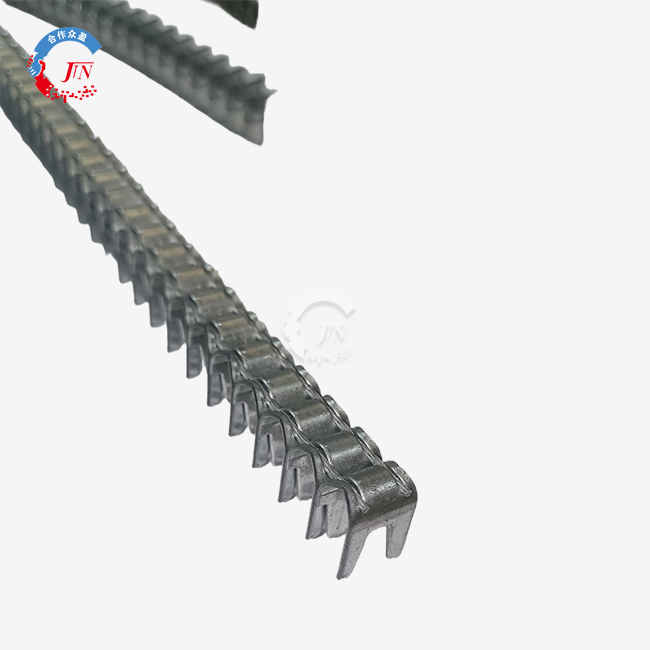
Since 2015, TJJZ (Tianjin Jinzhuang New Materials Technology Co., Ltd.) has made consistent, rust-proof C-ring staples and clip staples, with a 3–5 day production wait time and a 3-minute response time to inquiries. Our rings don't leave behind any sticky residue, work well with pneumatic tools, and ship from close to Tianjin Port, where cargo damage is rare. For prices and special orders on wire fixing rings from manufacturers, please email us at userID@jinzhuangfastener.com or visit jinzhuangfastener.com.
References
1. ASTM International. ASTM A641/A641M: Standard Specification for Zinc-Coated (Galvanized) Carbon Steel Wire. ASTM International, 2020.
2. ISO. ISO 9227: Corrosion Tests in Artificial Atmospheres — Salt Spray Tests. International Organization for Standardization, 2022.
3. Beddoes, J., & Parr, J. G. Introduction to Stainless Steels. ASM International, 1999.
4. Geary, D. Fasteners: A Practical Reference. McGraw-Hill, 2017.
5. Society of Automotive Engineers. SAE J1199: Mechanical and Material Requirements for Metric Externally Threaded Steel Fasteners. SAE International, 2021.
6. Kutz, M. (Ed.). Handbook of Materials Selection. John Wiley & Sons, 2002.
Learn about our latest products and discounts through SMS or email