- English
- French
- German
- Portuguese
- Spanish
- Russian
- Japanese
- Korean
- Arabic
- Greek
- German
- Turkish
- Italian
- Danish
- Romanian
- Indonesian
- Czech
- Afrikaans
- Swedish
- Polish
- Basque
- Catalan
- Esperanto
- Hindi
- Lao
- Albanian
- Amharic
- Armenian
- Azerbaijani
- Belarusian
- Bengali
- Bosnian
- Bulgarian
- Cebuano
- Chichewa
- Corsican
- Croatian
- Dutch
- Estonian
- Filipino
- Finnish
- Frisian
- Galician
- Georgian
- Gujarati
- Haitian
- Hausa
- Hawaiian
- Hebrew
- Hmong
- Hungarian
- Icelandic
- Igbo
- Javanese
- Kannada
- Kazakh
- Khmer
- Kurdish
- Kyrgyz
- Latin
- Latvian
- Lithuanian
- Luxembou..
- Macedonian
- Malagasy
- Malay
- Malayalam
- Maltese
- Maori
- Marathi
- Mongolian
- Burmese
- Nepali
- Norwegian
- Pashto
- Persian
- Punjabi
- Serbian
- Sesotho
- Sinhala
- Slovak
- Slovenian
- Somali
- Samoan
- Scots Gaelic
- Shona
- Sindhi
- Sundanese
- Swahili
- Tajik
- Tamil
- Telugu
- Thai
- Ukrainian
- Urdu
- Uzbek
- Vietnamese
- Welsh
- Xhosa
- Yiddish
- Yoruba
- Zulu
Are Sharp Point Hog Rings Better Than Standard Hog Rings?
An In-Depth Comparison for Procurement Professionals and Industrial Users
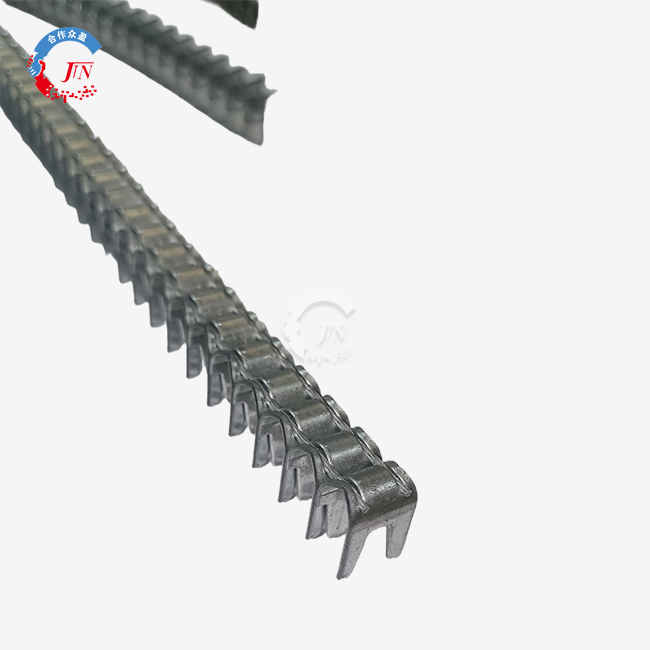
Yes — in most demanding industrial applications, sharp point hog rings outperform standard blunt-end variants. Their precision-engineered needle tips pierce dense substrates like automotive foam, heavy mesh, and multi-layer upholstery fabric without pre-drilling or excessive tool pressure. Standard hog rings, by contrast, rely on blunt compression, which can crush coatings, displace material, and produce weaker joints under tension. For production managers in mattress, furniture, cage, or automotive seating manufacturing, the penetration advantage of pointed C-ring fasteners translates directly into faster cycle times, fewer tool jams, and more secure long-term bonds.
Understanding Sharp Point Hog Rings vs. Standard Hog Rings
Before you choose between these two types of fasteners, it's helpful to know how they are structured and what they're meant to do differently, as this will have real effects on your production line.
Design Differences
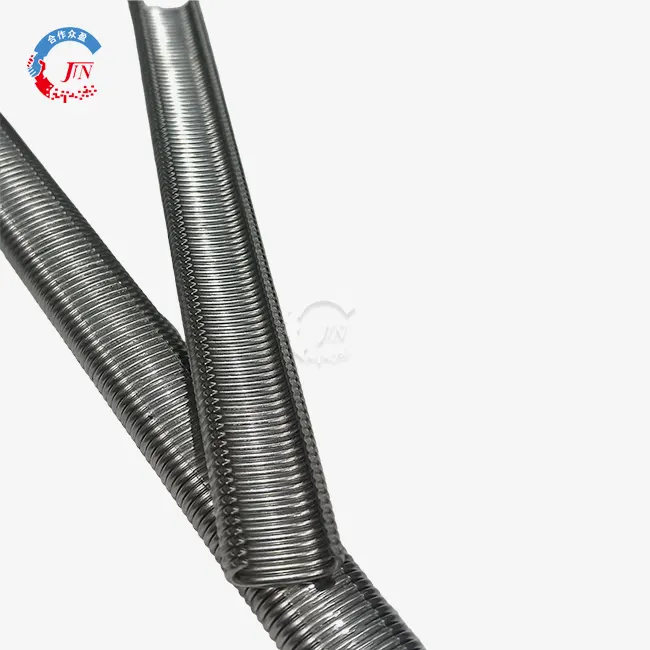
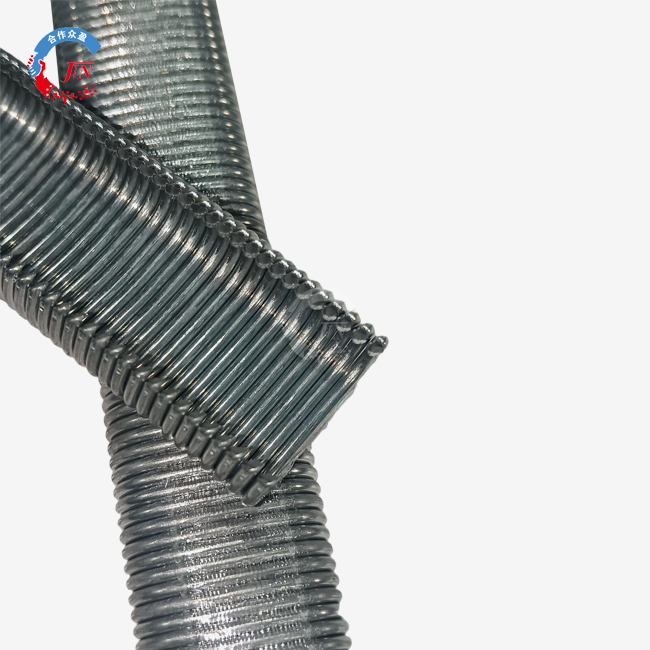
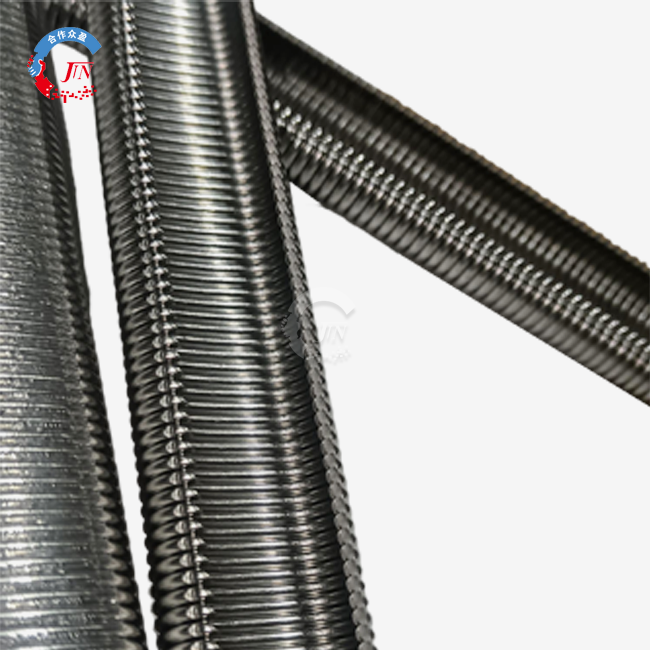
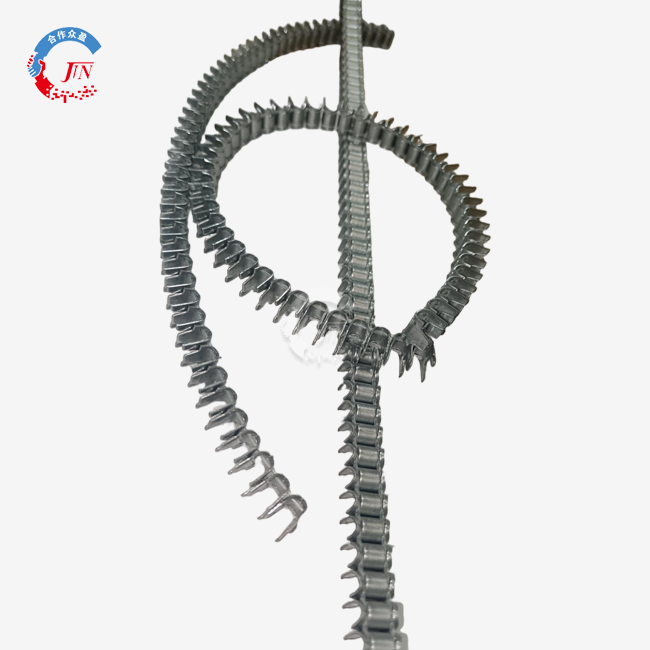
Sharp point hog rings are C-shaped metal connectors with a precisely chamfered tip. They are made by cold-heading metal in several steps. The angle of the tip is usually between 30° and 45°, which makes it easier to penetrate. Standard hog rings have a flat or rounded end that closes around materials only with mechanical force. This makes them less useful for thick or layered surfaces.
Material Options Available
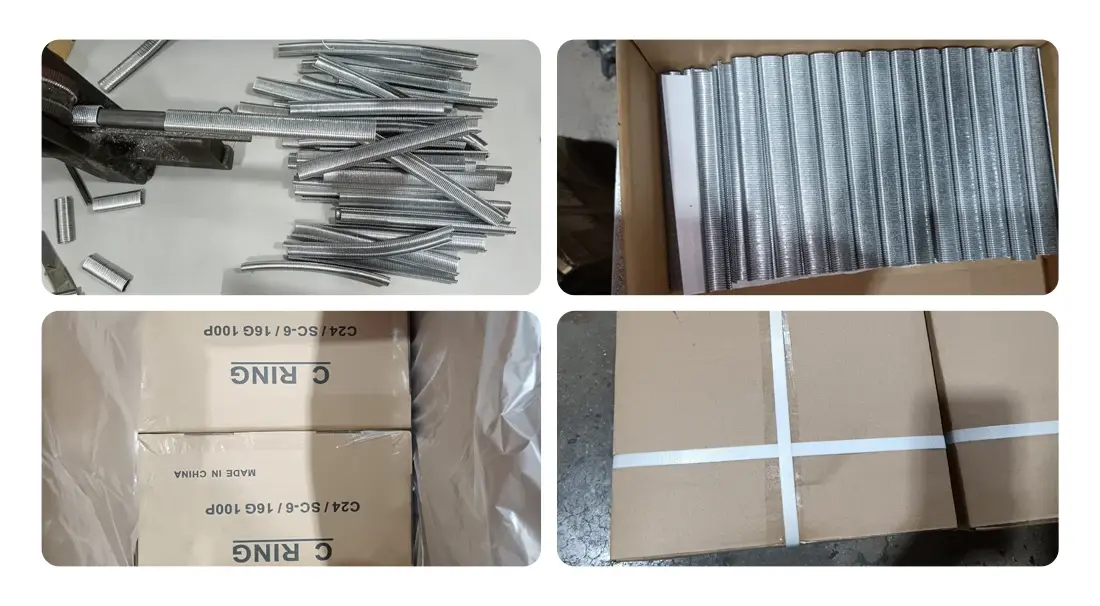
You can get both types of rings in galvanized steel, alloy steel, and stainless steel. The galvanized construction protects well against rust and is reasonably priced, making it perfect for putting together furniture and indoor cages. For automated tools, alloy versions offer good row stability, while 304/316 stainless steel rings are required in coastal, agricultural, or chemically exposed areas where resistance to corrosion is a must.
Sizing and Gauge Range
Our C17 standard is 16.9 mm wide and 8.7 mm tall, and it comes in both 16G and 17G wire gages. This includes a lot of different production needs, from securing furniture springs to putting together chicken coops. Different sizes, like 1/2" and 3/4", give you choices for different types of tools and application levels.
Evaluating Performance and Benefits
The difference in performance between these two types of fasteners is much easier to see once you know how they are built.
Fastening Strength and Holding Power
Sharp point rings can cut deeper and cleaner through materials like stacked cloth, PVC-coated wire mesh, or high-density foam. This makes the closure tighter and the resistance to pulling out stronger. For example, when making car seats, the ring has to keep the fabric tightly against a wire frame even when there is a lot of vibration, which makes blunt-end rings loosen over time.
Production Efficiency and Tool Compatibility
Standard hog ring pliers and air tools can work with our sharp point hog rings. The precision tip lowers the amount of binding force that is needed. This makes the tool last longer and keeps operators from getting tired on high-volume lines. Dimensional tolerances that are kept to within ±0.02 mm stop feeding problems and tool jams, so your production line keeps running smoothly.
Safety and Handling Considerations
Because these rings are so sharp, they need to be handled in the right way. When filling by hand, workers should wear gloves that won't cut, and when using an air tool, they should follow the manufacturer's instructions. For safe and consistent work across shifts, make sure that the right tools are matched to the ring gage and collation type.
Comparing Sharp Point Hog Rings with Other Fastening Solutions
Sharp point hog rings aren't the only way to fasten things; procurement teams often look at them along with standard blunt-end rings, staple guns, and cable ties. This is how they compare.
Sharp Point vs. Blunt-End Hog Rings
Blunt-end rings work well on thin, soft materials with low resistance to penetration. But when they are used on thick mesh, dense foam, or multi-layer geotextiles, they often need more tool pressure, which makes both the user and the tools wear out faster. This type of sharp point easily cuts through these materials, with less coating displacement on wire mesh and less fabric snagging on upholstery.
Sharp Point Rings vs. Staple Guns
They work quickly on flat, thin materials like wood panels. But they don't close around wire or make a twisted mechanical bond like a C-ring does.
Stainless Steel vs. Galvanized Options
Hog rings are still the right choice for cage assembly, mattress spring connections, and car interior fixing where the fastener needs to go around and lock onto a wire frame.
Procurement Considerations for B2B Buyers
Picking the right bolt is only one part of the decision-making process. Both production managers and buying chiefs care about supply dependability, lead time, and the ability to make changes.
Supplier Evaluation Criteria
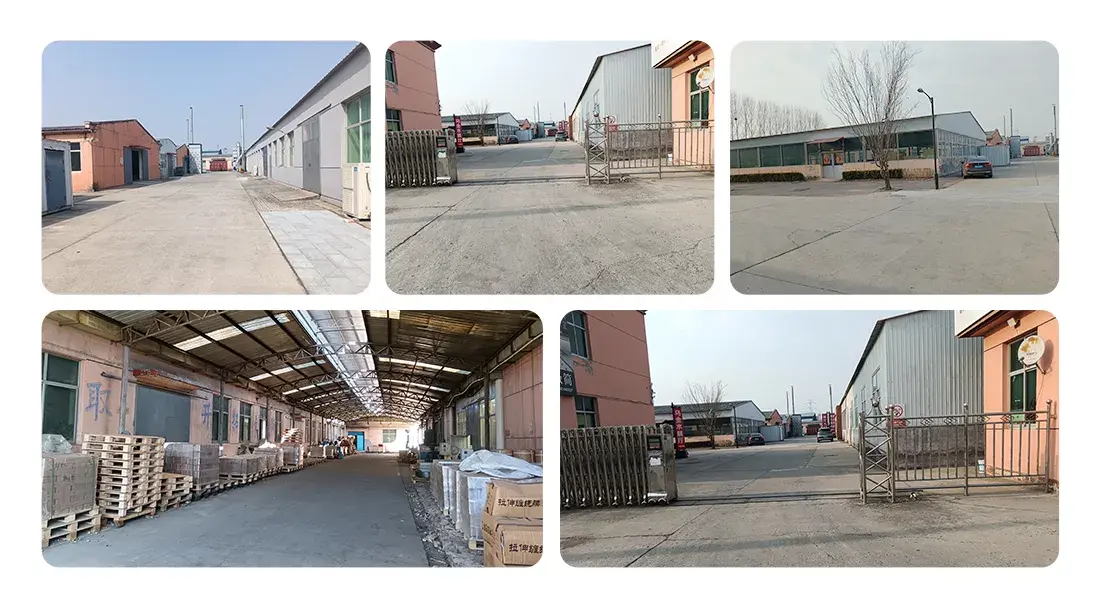
When buying a lot of sharp point hog rings, buyers should look at the paperwork for tool compatibility, corrosion resistance, and consistent sizes. Factory-direct sellers cut out middlemen and let you talk directly about quality. Tianjin Jinzhuang New Materials Technology Co., Ltd. (TJJZ) has been making things nonstop since 2015, and they always have a lot of stock on hand. The normal wait time for production is three to five days.
Customization and Sample-Based Orders
Specifications need to be different for each industry. Based on examples given, TJJZ can make Products that are exactly what you want, including the wire gage, ring size, coating type, and packing format. This is very important for Tier 1 sellers to the car industry and OEM mattress makers who follow set engineering plans.
Logistics and Delivery Reliability
Tianjin Port is close to TJJZ and can handle full-pallet packages to major export destinations. Buyers who need to meet tight production schedules can lower supply chain risk by making sure that orders are processed quickly and that customer questions are answered within three minutes.
Applications and Case Studies
Sharp point C-ring fasteners are proven across multiple industries. The following examples reflect real production scenarios where the fastener type directly affected quality and output.
Mattress and Furniture Manufacturing
In spring mattress assembly, C17 hog rings connect the bed net to surrounding fabric layers. The sharp tip pierces multi-layer woven materials cleanly, maintaining consistent tension across the spring unit. Furniture manufacturers using galvanized rings for sofa upholstery report fewer re-stapling incidents and smoother feeding through pneumatic tools, reducing per-unit assembly time.
Automotive Seat and Interior Fixing
Tier 1 automotive seating suppliers require fasteners with dimensional consistency tight enough for automated line integration. The pointed design allows rings to close firmly around foam-backed wire frames without deforming the substrate. TJJZ's rings carry a protective oil film that resists rust during transport and storage, which matters in environments with humidity variation.
Poultry Cage and Agricultural Fencing
In cage assembly for poultry and livestock equipment, rings must hold mesh junctions securely outdoors over multi-year service periods. Galvanized or alloy C-ring fasteners resist oxidation effectively in these environments. The clean, sharp-point closure leaves less exposed wire surface than a blunt-end ring, reducing the risk of coating failure at the joint.
Conclusion
In uses involving dense, layered, or coated materials, sharp point hog rings offer discernible benefits over conventional blunt-end versions. The pointed tip geometry lowers tool pressure, keeps fabric from getting caught, and makes joints that are tighter and last longer. When buying rings for companies that make mattresses, furniture, cars, cages, or fences, procurement workers should choose rings based on the density of the substrate, how exposed it is to the environment, and how fast the production needs to go. The best way to get fewer mistakes, less downtime, and better long-term fastening performance is to make sure that the gage, material, and tip shape of the ring are all right for the production conditions.
FAQ
Are sharp point hog rings safer than standard versions?
Pointed rings are just as safe as blunt-end rings when they are handled properly with the right gloves and tools. On high-volume lines, the lower tool pressure that is needed actually lowers the chance of strain injuries from tools.
Which gauge is compatible with standard pneumatic tools?
Most standard pneumatic hog ring guns can work with our C17 rings in 16G and 17G sizes. Before you buy a lot of something, make sure that the ring gage and arrangement type match the magazine specifications for your tool.
What corrosion resistance standard do galvanized rings meet?
Commercial-grade galvanized rings usually pass the ASTM B117 salt spray test after 48 to 72 hours. Heavy-duty galvanized choices last between 200 and 300 hours, based on the micron thickness of the finish.
Can TJJZ produce custom sizes or coatings?
Yes, TJJZ can make things from samples. They can make things in any size, wire gage, coating (galvanized or stainless steel), or package format, and they can do this for both OEM and bulk orders.
What is the standard lead time for bulk orders?
The normal time for production to begin is three to five days, and most items are in stock and ready to ship right away.
Get Your Sharp Point Hog Ring Quote from TJJZ Today
This company, TJJZ, has been selling C-ring fixings to companies that make mattresses, furniture, car seats, and cage equipment since 2015. Our sharp point hog rings are made with precision cold-heading, are protected against corrosion with galvanizing, and work with all tools. They come with 3–5 day lead times and same-session question answer. You can email our team at userID@jinzhuangfastener.com or go to jinzhuangfastener.com to get samples or a price quote for buying in bulk from a reputable sharp point hog rings maker.
References
1.Fastener Technology International — 2021. "Wire Gauge Standards and Performance Benchmarks for C-Type Hog Ring Fasteners."
2.ASTM International — 2019. ASTM B117: Standard Practice for Operating Salt Spray (Fog) Apparatus.
3.Journal of Manufacturing Processes — 2020. "Mechanical Performance of Clinch-Type Fasteners in Automotive Seat Assembly Applications."
4.Wire Association International (WAI) — 2022. Wire Industry Technical Reference: Cold-Heading Processes and Dimensional Tolerances.
5.Industrial Fasteners Institute (IFI) — 2021. Fastener Standards Manual: Surface Coatings and Corrosion Resistance Classifications.
6.Furniture Today Research Group — 2023. "Fastening Systems in Upholstered Furniture: Efficiency and Durability Field Analysis."
Learn about our latest products and discounts through SMS or email