- English
- French
- German
- Portuguese
- Spanish
- Russian
- Japanese
- Korean
- Arabic
- Greek
- German
- Turkish
- Italian
- Danish
- Romanian
- Indonesian
- Czech
- Afrikaans
- Swedish
- Polish
- Basque
- Catalan
- Esperanto
- Hindi
- Lao
- Albanian
- Amharic
- Armenian
- Azerbaijani
- Belarusian
- Bengali
- Bosnian
- Bulgarian
- Cebuano
- Chichewa
- Corsican
- Croatian
- Dutch
- Estonian
- Filipino
- Finnish
- Frisian
- Galician
- Georgian
- Gujarati
- Haitian
- Hausa
- Hawaiian
- Hebrew
- Hmong
- Hungarian
- Icelandic
- Igbo
- Javanese
- Kannada
- Kazakh
- Khmer
- Kurdish
- Kyrgyz
- Latin
- Latvian
- Lithuanian
- Luxembou..
- Macedonian
- Malagasy
- Malay
- Malayalam
- Maltese
- Maori
- Marathi
- Mongolian
- Burmese
- Nepali
- Norwegian
- Pashto
- Persian
- Punjabi
- Serbian
- Sesotho
- Sinhala
- Slovak
- Slovenian
- Somali
- Samoan
- Scots Gaelic
- Shona
- Sindhi
- Sundanese
- Swahili
- Tajik
- Tamil
- Telugu
- Thai
- Ukrainian
- Urdu
- Uzbek
- Vietnamese
- Welsh
- Xhosa
- Yiddish
- Yoruba
- Zulu
Heavy Duty Upholstery Hog Rings for Sofa and Chair Assembly
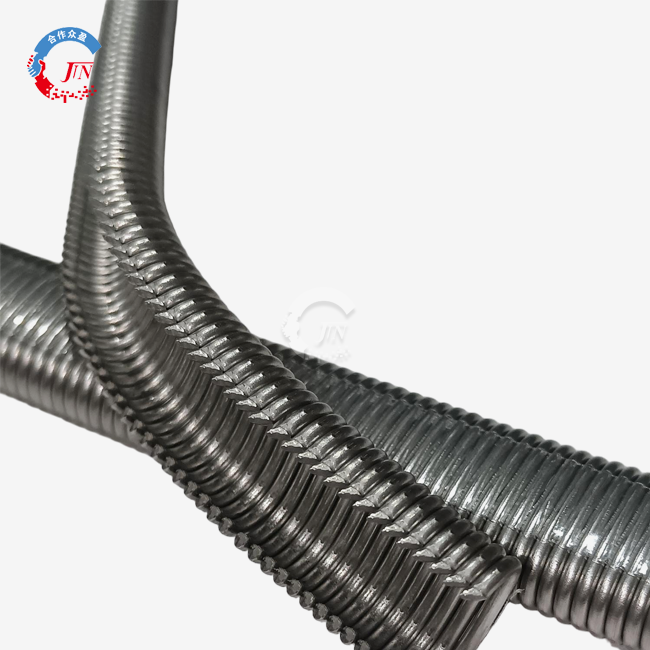
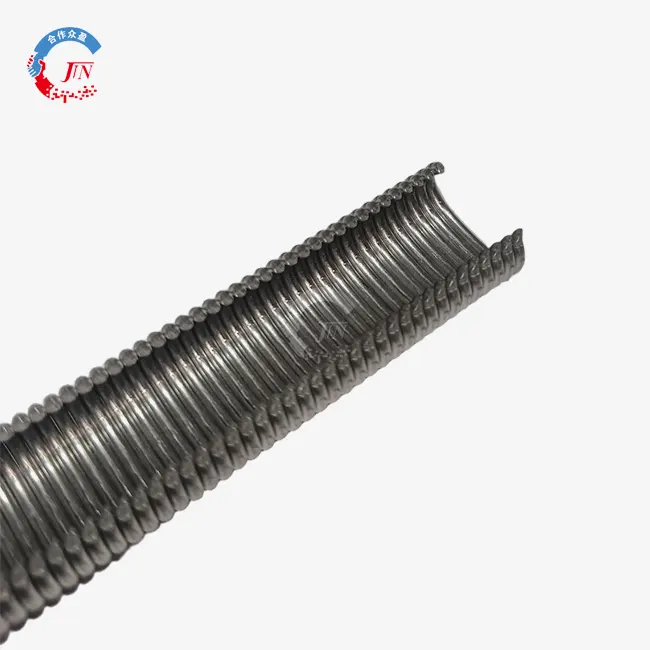
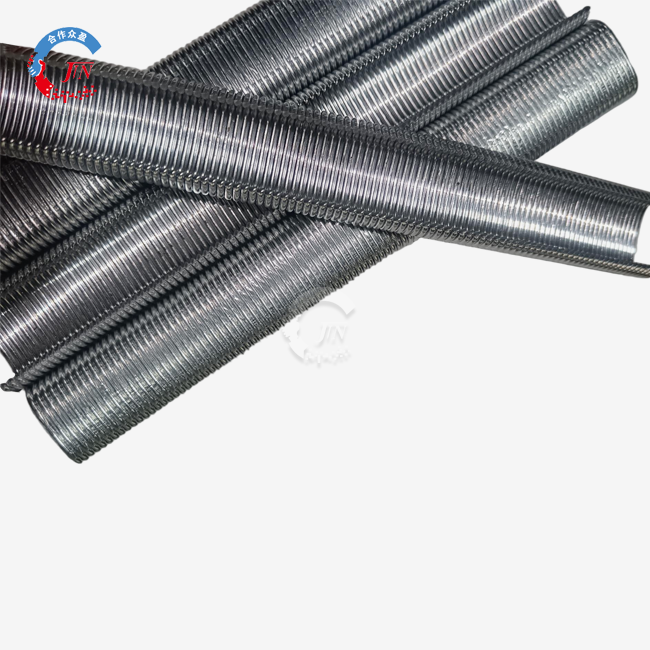
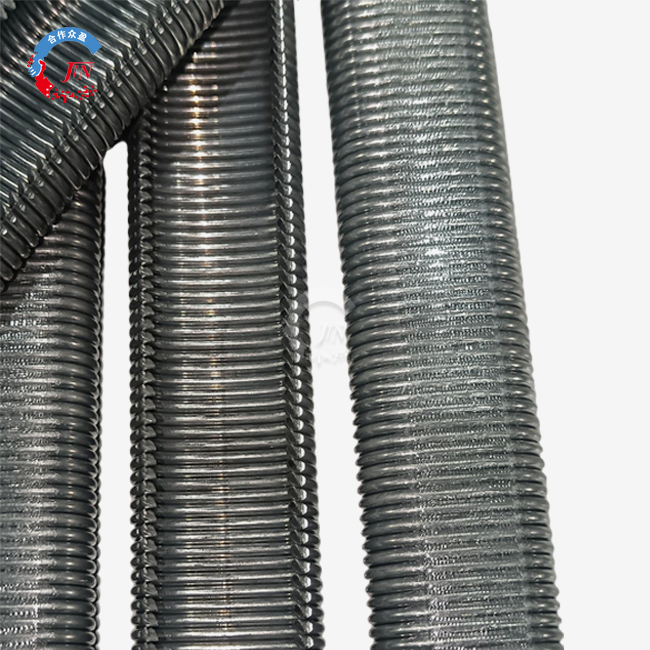
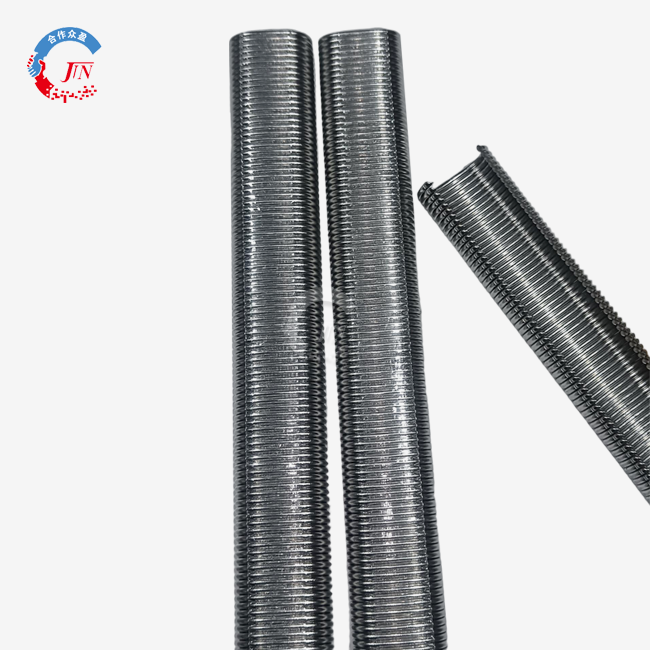
When you run a furniture production line, the small components often determine whether your final product holds up for years or fails within months. Heavy duty upholstery hog rings are C-shaped wire fasteners made from galvanized or stainless steel that secure fabric, foam, and spring systems inside sofas and chairs. They create a permanent, high-tensile metal connection that keeps covers taut under constant load and movement. For B2B buyers managing volume production, choosing the right hog rings directly affects product quality, production speed, and long-term cost control.


Understanding Upholstery Hog Rings and Their Applications
Before committing to a supplier, it helps to understand exactly what differentiates one ring from another—and why that matters at scale.
What Are Hog Rings Made Of?
Hog rings are typically manufactured from galvanized steel, alloy wire, or stainless steel. Galvanized variants offer a strong cost-to-performance ratio with reliable rust resistance for indoor furniture. Stainless steel rings, particularly Grade 304, handle harsh or high-moisture environments without surface degradation. Alloy wire versions deliver good row stability and corrosion resistance, making them a practical middle-ground for automotive and cage applications.

Heavy Duty vs. Standard Rings
Standard rings work for light upholstery tasks, but heavy duty variants use thicker wire gauges—16G or 17G—and tighter dimensional tolerances. This translates to higher pull-out resistance and a more secure closure under tension. The C17 specification, for example, measures 16.9 mm in width and 8.7 mm in height, designed for consistent crimping in both manual and pneumatic tools without deformation or cracking.
How Hog Rings Compare to Staples and Clips?
Staples and clinch clips work well for surface-level fabric attachment, but they lack the 360-degree grip a closed ring provides around a spring coil or wire listing. In sofa and chair assembly, springs shift under body weight repeatedly. A hog ring's circular closure resists that lateral movement in a way that a flat staple cannot replicate. This is why furniture manufacturers handling premium or commercial-grade Products consistently prefer rings for spring-to-fabric connections.
How to Use and Install Heavy Duty Upholstery Hog Rings in Sofa and Chair Assembly?
It's not enough to just know about the product. The right way to fix something protects both the quality of the product and the investment you made in the tools.
Tools and Workspace Setup
For small batches or repairs, you can use manual hog ring pliers to put these upholstery hog rings on. For high-volume production lines, you can use pneumatic pliers. Pneumatic tools make crimping thousands of units per shift much more consistent and much less tiring on the hands. Before you start, make sure that the magazine width of your tool fits the crown measurement of the ring. Mismatched tools cause feeding problems and downtime.
Step-by-Step Installation Process
Place the open C-ring around both the spring coil and the cloth listing at the same time. Put the ring in the jaws of the pliers so that the sharp ends are facing the material you want to work with. Then, squeeze the pliers to make a closed loop out of the ring. Quality rings, like those from TJJZ, have a precise, sharp-point design that makes sure they cut through material cleanly without tearing fabric threads or foam backing. Repeat at regular intervals, usually every 3–4 inches along the edge of the spring, to keep the tension even across the seat surface.
Troubleshooting Common Installation Issues
Misalignment during crimping is usually caused by worn plier jaws or rings that are too big or too small. If rings won't close all the way, check to see if the gage doesn't play well with the tool. Ring points that are too blunt or not consistent can cause materials to tear. To replace rings for maintenance, cut the closed ring at one point with small diagonal cutters and open it. This keeps the cloth or spring structure around it from getting damaged.
Choosing the Right Heavy Duty Upholstery Hog Rings for Procurement
With a clear idea of how to place the rings, procurement teams need a structured way to figure out which ring specs meet their production needs.
Key Selection Criteria
When buying in bulk, the three most important things are the wire gage, the material, and the quality of the coating. Most of the time, 17G galvanized rings in the C17 specification are enough for standard sofa and chair assembly. If you make outdoor furniture, seats for cars, or things that will be stored in damp places, switching to alloy or stainless steel versions will add useful service life without making the costs go up too much.
Hog Rings vs. Alternative Fasteners: A Cost-Benefit View
Clips and staples cost less per piece, but they fail more often in high-stress furniture applications, which costs more in warranty claims and rework. There was a study in the Journal of Manufacturing Technology Management that said fastener-related assembly problems are a measured cause of furniture recalls. Rings have a slightly higher initial cost for materials, but they pay for themselves in lower defect rates and longer product life.
What to Ask a Supplier Before Ordering?
Before you place a large order, make sure the dimensional consistency reports are correct, ask for samples to compare with the tools you already have, and make sure the seller can meet OEM or special requirements. TJJZ uses sample-based manufacturing, lets customers choose from different gages, coatings, and packaging formats, and keeps enough stock to support 3–5 day production lead times. These are all very important factors for procurement managers at furniture factories.
Heavy Duty Upholstery Hog Rings Procurement Strategies for B2B Buyers
Strategic sourcing decisions go beyond price per unit. Lead time reliability, packaging format, and supplier track record all affect your real cost of supply.
Sourcing Channels for Bulk Orders
Direct manufacturer relationships consistently outperform wholesale platforms for volume buyers. Working directly with a hog ring manufacturer of upholstery hog rings eliminates the middle-layer margin, gives you access to custom specifications, and provides a single point of contact for quality disputes. TJJZ, operating continuously since 2015 and located near Tianjin Port, supports full-pallet transportation with low cargo damage rates—a practical advantage for buyers importing to the U.S. market.
Here are the key procurement advantages worth prioritizing when evaluating a supplier:
- Stable bulk supply: TJJZ supports OEM/ODM production with consistent quality control, responding to customer inquiries within 3 minutes and maintaining ample inventory to prevent supply gaps.
- Bundled tooling compatibility: Ordering rings alongside compatible pneumatic pliers reduces the risk of tool-ring mismatch and simplifies vendor management for production managers.
- Customization access: Custom gauges, surface coatings (galvanized, alloy, stainless), and packaging formats are available on request, accommodating diverse production requirements across furniture, automotive, and cage manufacturing.
These procurement advantages directly address the most common pain points production managers report—tool jamming, inconsistent ring dimensions, and supply interruptions that stall assembly lines.
Negotiating Volume Pricing
Bulk orders above a defined minimum quantity typically unlock tiered pricing. When entering pricing discussions, reference your annual consumption volume, preferred delivery frequency, and any secondary product needs such as clips or coil nails. Suppliers with diversified product lines, like TJJZ, can often offer bundled pricing across product categories, reducing your total fastener procurement cost without sacrificing quality.
Future Trends and Innovations in Upholstery Hog Rings for Heavy Duty Applications
Advanced Materials and Coatings
Zinc-aluminum alloy coatings do better in salt-spray tests than normal hot-dip galvanization, so the market is going toward them. These coatings are especially useful for furniture that is shipped to coastal markets or used inside cars, where changes in humidity speed up the corrosion process. Stainless steel options made from Grade 316 metal are becoming more popular in the marine upholstery and outdoor patio furniture markets.
Pneumatic and Electric Tooling Advances
The air pressure needed by newer types of pneumatic pliers is lower, and they can work faster. Electric ring tools are now on the market for use in places that don't have access to compressed air. Both of these changes make furniture assembly lines more productive and keep workers from getting tired during long production runs.
Growing Demand in Premium and Automotive Sectors
The world market for cushioned furniture is expected to keep growing until 2030. This is because of renovations happening in North America, both in homes and businesses. Automotive Tier 1 and Tier 2 suppliers are also asking for stronger fasteners to be used in seat assemblies so that they can meet the requirements for longer warranties. These patterns show that there will be a steady need for precise-sized, corrosion-resistant wire ring screws in many B2B industries.
Conclusion
Heavy duty upholstery hog rings are a small part that has a big effect on how long furniture lasts and how efficiently it is made. Choosing the right wire gage, material, coating, and physical tolerance has a direct impact on how well your assembly line works and how long your finished goods last in the field. For procurement teams that handle large orders, the most realistic way to keep the supply chain stable is to work with a maker that offers uniform quality, quick turnaround, and the ability to make changes.
FAQ
Are heavy duty hog rings reusable?
Most of the time, no. Crimping forever changes the shape of the ring into a closed loop, which stops it from being used again without weakening the link. Standard production rings are thought of as one-time use closures, but some unique designs allow for a second closure. In maintenance situations, you should plan to replace rings instead of opening them again.
What is the difference between stainless steel and galvanized hog rings?
Galvanized steel doesn't rust and is cheaper per unit, so it's usually used to put together furniture and mattresses inside. Stainless steel doesn't rust or corrode easily, so it can be used for things like car interiors, marine environments, and outdoor furniture. When you buy a lot of them, the price difference between them becomes important, so choose the material based on how much you are exposed to it.
Can pneumatic pliers handle all ring sizes?
For heavy-duty jobs, pneumatic tools work well, but they need to be the right size for the ring's gage and crown width. If you use a tool that was made for 16G rings on 17G material, it could fail to feed or close all the way. Before production runs, you should always check that the tool fits the ring standard, and if you need to, you can ask your seller for dimensional data.
What sizes are available for industrial orders?
TJJZ has rings in both 1/2" and 3/4" sizes and 16G and 17G gages. The specification for the C17 is 16.9 mm wide and 8.7 mm tall. You can get custom sizes if you ask for them through sample-based production.
Get Reliable Hog Ring Supply from TJJZ — Trusted Upholstery Hog Rings Manufacturer
Since 2015, TJJZ has sold high-quality upholstery hog rings to companies that make furniture, car seats, and cages. The lead time for production is 3–5 days, and we offer full-pallet logistics from Tianjin Port. We also offer customization across gages and coatings to help production teams stay on schedule. You can email our team at userID@jinzhuangfastener.com or go to jinzhuangfastener.com to get samples, prices, or a review of your custom specifications.
References
1.Journal of Manufacturing Technology Management — Fastener Failure Analysis in Upholstered Furniture Production, 2021.
2.Furniture Today — North American Upholstered Furniture Market Outlook, 2023.
3.ASTM International — ASTM A641: Standard Specification for Zinc-Coated (Galvanized) Carbon Steel Wire, 2022.
4.International Journal of Advanced Manufacturing Technology — Wire Gauge and Coating Performance in Cyclic Load Fastener Applications, 2020.
5.Society of Automotive Engineers (SAE International) — Fastener Standards for Automotive Seat Assembly Systems, 2022.
6.Grand View Research — Global Upholstered Furniture Market Size and Trends Report, 2023.
Learn about our latest products and discounts through SMS or email