- English
- French
- German
- Portuguese
- Spanish
- Russian
- Japanese
- Korean
- Arabic
- Greek
- German
- Turkish
- Italian
- Danish
- Romanian
- Indonesian
- Czech
- Afrikaans
- Swedish
- Polish
- Basque
- Catalan
- Esperanto
- Hindi
- Lao
- Albanian
- Amharic
- Armenian
- Azerbaijani
- Belarusian
- Bengali
- Bosnian
- Bulgarian
- Cebuano
- Chichewa
- Corsican
- Croatian
- Dutch
- Estonian
- Filipino
- Finnish
- Frisian
- Galician
- Georgian
- Gujarati
- Haitian
- Hausa
- Hawaiian
- Hebrew
- Hmong
- Hungarian
- Icelandic
- Igbo
- Javanese
- Kannada
- Kazakh
- Khmer
- Kurdish
- Kyrgyz
- Latin
- Latvian
- Lithuanian
- Luxembou..
- Macedonian
- Malagasy
- Malay
- Malayalam
- Maltese
- Maori
- Marathi
- Mongolian
- Burmese
- Nepali
- Norwegian
- Pashto
- Persian
- Punjabi
- Serbian
- Sesotho
- Sinhala
- Slovak
- Slovenian
- Somali
- Samoan
- Scots Gaelic
- Shona
- Sindhi
- Sundanese
- Swahili
- Tajik
- Tamil
- Telugu
- Thai
- Ukrainian
- Urdu
- Uzbek
- Vietnamese
- Welsh
- Xhosa
- Yiddish
- Yoruba
- Zulu
Using Hog Rings For Upholstery: How To Install Car Seat Covers
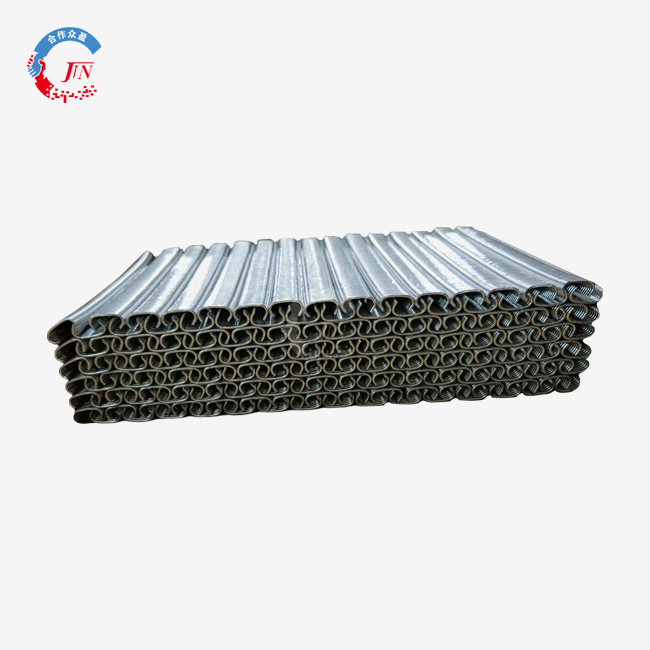
If you work in automotive seating production or upholstery refurbishment, you already know that the quality of your fasteners directly affects the finished product. Upholstery hog rings are the go-to fastening solution for securing car seat covers to internal wire frames — and for good reason. These small open C-shaped metal rings deliver a permanent, high-tension connection that resists shifting, fabric creep, and structural failure under daily vibration. In this guide, I'll walk through how they work, how to install them correctly, and what to look for when sourcing them at scale.

Understanding Upholstery Hog Rings and Their Role in Car Seat Installation
What Are Hog Rings?
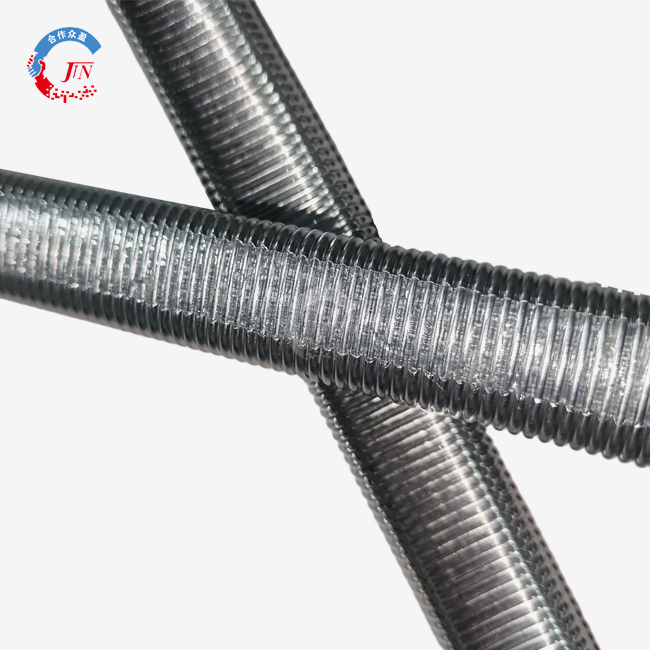
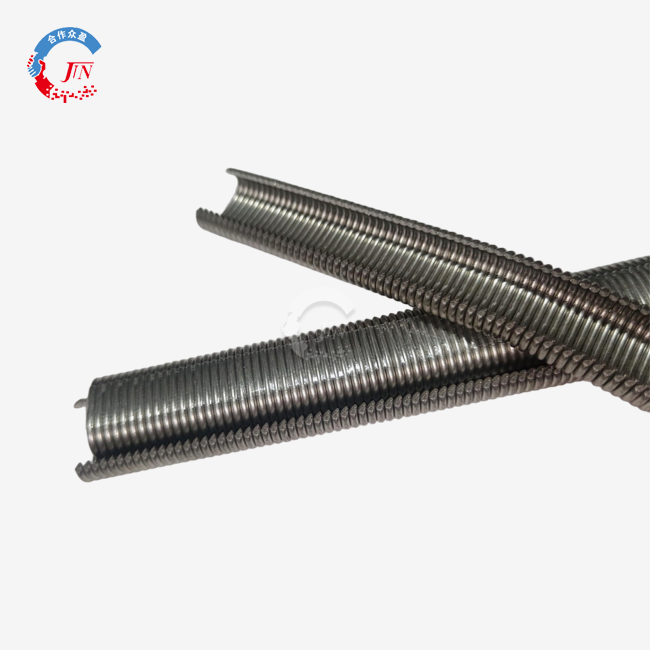
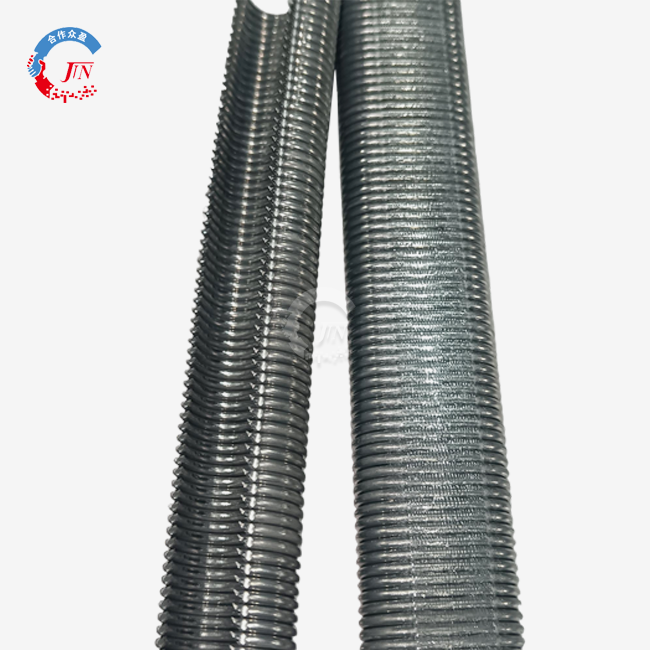
When you connect two wires together, they form a small, open loop called a hog ring. A closed loop is made when they are crimped around a wire frame and fabric listing. This keeps seat covers in place. They make a link between metals or fabrics that doesn't break like glue or plastic clips do. This bond stays strong even under constant cycle loading, which is exactly what car seats go through every day.
Why They Outperform Staples and Clips?
Standard screws can pull through cloth that is being pulled tight, and plastic clips can break in cabins where the temperature changes a lot. Hog rings, on the other hand, go around both the listed wire and the seat frame wire at the same time. This two-grip design spreads the tension around the whole ring, which makes pull-out failure much less likely, which is a problem that has been well-documented in quality audits of upholstery.

Material Options and Sizes
Galvanized steel, alloy steel, and stainless steel are the three main types of materials. You can get good value for money with galvanized steel, and it doesn't rust in normal indoor settings. Alloy versions offer good row stability and resistance to corrosion. In tough or wet places, stainless steel is the best material to use. The C17 specification, which has a width of 16.9 mm and a height of 8.7 mm, is the standard size for most automotive seat applications. It works with both 16G and 17G pneumatic tools.
Step-by-Step Guide: How to Use Upholstery Hog Rings to Install Car Seat Covers?
Tools and Preparation
Get your hog ring pliers (either manual or motorized), a stock of C17 rings, safety gloves, and a trim removal tool ready before you start. Put the rings in the plier magazine and make sure the tools will work with them. The ring gage and the crown width of your pliers must match. Before putting on any rings, lay the seat cover flat on top of the cushion and line up the listing wires with the attachment points on the seat frame.
Installation Process
To make the cover, pull it tight over the foam cushion. The selling wire should be put through the hole in the cover that goes with it. Using the pliers, put the open upholstery hog rings through both the selling wire and the seat frame wire. Then, squeeze the handles hard until the ring closes into a tight loop. To keep the force even and stop puckering, work from the center outward. On production lines, a gas tool makes this process go a lot faster.
Safe Removal Technique
For maintenance or reupholstering, use a flathead screwdriver or a tool made just for removing hog rings to open the closed ring without cutting into the fabric. Put the tip under the closed end of the ring and gently twist it. The ring will come off the wire. Keep in mind that hog rings are one-time use fasteners—once they're taken off, they need to be replaced with new ones to keep their holding power.
Comparing Upholstery Hog Rings and Other Fastening Solutions
Hog Rings vs. Staples and Clips
Staples are great for connecting cloth to furniture frames made of wood, but they're not made to connect wires in car seats. While clips are quick, they don't have the tensile strength that is needed for high-traffic seating. When it comes to Tier 1 and Tier 2 automotive supply chains, hog rings are still the best option because they meet OEM requirements for long-term durability and resistance to pulling out.
Stainless Steel vs. Galvanized Steel
Galvanized rings work well in most car interior situations where they won't be exposed to a lot of moisture. For naval furniture and any other place with a lot of chemicals or high humidity, you need rings made of stainless steel that are either 304 or 316 grade. When buying in bulk, the price difference between galvanized steel and stainless steel is big, so procurement teams shouldn't just choose the more expensive option. Instead, they should choose materials that work best in the given conditions.
Heavy-Duty vs. Light-Duty Rings
Heavy-duty bands made of 14G or 15G wire are used on truck seats, the inside of business vehicles, and other places where the resistance to pulling out needs to be very high. Passenger car seats and furniture fabric usually use light-duty types in 16G or 17G. If you pick the wrong gage, you could waste money on materials or damage the joints, so always check the manufacturer's specification sheet before placing large orders.
Procurement Insights: How to Source the Best Upholstery Hog Rings for Your Business?
Evaluating Supplier Reliability
When buying upholstery hog rings in bulk, the track record of the supplier is more important than just price. A provider that has been in business since 2015 and has recorded ISO 9001-aligned quality controls, consistent dimensional tolerances, and 3–5 day production wait times lowers the chance that the line will stop because of late or wrong deliveries. Before signing a long-term contract with a potential supplier, make sure you get reports on dimensional inspection and feeding performance from automated tool trials.
Bulk Pricing and Logistics Considerations
When production lines have thousands of rings going during each shift, they need stable inventory levels and regular replenishment rounds. Suppliers who are close to important export ports, like Tianjin Port, can offer transportation benefits, such as transporting full pallets and a lower rate of product damage. For buyers in the U.S., this means fewer waits at customs and more accurate landing costs. Ask for structured price tiers for yearly volume commitments and make sure that the minimum order numbers match up with how much you expect to use.
Customization and OEM Compatibility
Different seat models need rings that are made in different ways. A provider that can do both OEM and ODM can make rings that exactly match your measurements, coating needs, and packing needs. This is especially helpful for Tier 1 car providers, since consistent dimensions have a direct effect on how well automated tools work. Before you place your first order for production, make sure that the supplier supports sample-based manufacturing.
Safety and Best Practices When Using Upholstery Hog Rings
Handling and PPE Requirements
The sharp points on hog rings make them good at cutting through fabric, but they also make them more likely to puncture when they are being handled or put in place. Cut-resistant gloves that can also protect against punctures should be worn by workers. When using pneumatic tools, it's best to wear safety glasses because ring fragments can sometimes fly out during the crimping cycle. Before using, keep rings in covered cases away from water to keep the surface from oxidizing.
Preventing Premature Failure
When rings fail in car seats, it's generally because the rings are the wrong size, the binding force is too weak, or the rings corrode over time and weaken the wire. Always use rings with the right surface treatment for the job—galvanized for normal walls, stainless steel for jobs that will be exposed to water. Check fitted seats for rings that haven't closed all the way every so often at quality inspection points to find feeding issues that are usually caused by rings that aren't the same size from low-quality sources.
Standardizing Installation Procedures
For production settings, make sure that pneumatic tools all have the same crimping pressure settings and that the tools are regularly calibrated. When crimping isn't done correctly, rings look closed but don't have enough pushback against pulling out. In your production standard operating procedure, write down the ring specifications, tool settings, and inspection criteria for each seat model. This will help you keep the quality of the work the same from shift to shift.
Conclusion
upholstery hog rings are a reliable, proven fastening method for automotive seat upholstery — when you use the right specification, install them correctly, and source them from a supplier who maintains consistent quality at volume. Whether you manage a Tier 1 automotive production line or an upholstery refurbishment shop, the principles remain the same: match the ring material to the environment, match the gauge to the application, and verify supplier quality before scaling your orders.
FAQ
What size hog ring is standard for automotive seat covers?
The rules are the same whether you're in charge of a Tier 1 automotive production line or an upholstery repair shop: match the ring material to the environment, match the gage to the job, and check the quality of the supplier before increasing your orders.
Can I reuse hog rings after removing them?
Most passenger car seat assemblies are made to the C17 size, which is 16.9 mm wide and 8.7 mm tall. Most pneumatic hog ring pliers can work with it, and it fits standard listing wire gages.
What is the difference between galvanized and stainless steel hog rings?
Not at all. When a hog ring is crimped and then taken off, its shape is changed forever. Reusing a ring that isn't straight makes the joint less strong. When you replace or fix seat covers, you should always put on new rings. Tell me about the difference between hog rings made of galvanized steel and stainless steel.
Are these rings compatible with pneumatic tools?
Yes, normal pneumatic hog ring tools can be used with C17 rings in 16G and 17G gages. Before you use the tool, you should always compare the magazine width to the ring's crown size.
Can hog rings be customized for specific OEM applications?
Yes, both OEM and ODM production are supported by reputable makers who offer custom sizes, coatings, and packing to meet the needs of each assembly line.
Get a Bulk Quote on Upholstery Hog Ring Supplies From TJJZ
Since 2015, TJJZ has been making upholstery hog rings and clinch clips for OEM assembly lines, furniture factories, and companies that make seats for cars. Our C17 galvanized rings have tight tolerances on size, a sharp point for penetration, and smooth pneumatic tool feeding that doesn't get stuck. We can meet your unique needs and offer sample-based sales as well as bulk supplies with lead times of 3–5 days. You can email our team at userID@jinzhuangfastener.com or go to jinzhuangfastener.com right now to get prices or samples of our Products.
References
1.Automotive Body Repair News (ABRN) — 2021. Interior Upholstery Fastener Standards in OEM Seat Production.
2.Society of Automotive Engineers (SAE International) — 2020. Fastener Performance Criteria for Automotive Seating Systems.
3.Furniture Today — 2022. Wire Fastener Selection Guide for Upholstered Seating Applications.
4.ASTM International — 2019. ASTM A641: Standard Specification for Zinc-Coated (Galvanized) Carbon Steel Wire.
5.Professional Upholstery & Trim Magazine — 2023. Best Practices for High-Volume Automotive Interior Refurbishment.
6.ISO 9001:2015 — International Organization for Standardization. Quality Management Systems — Requirements for Manufacturing Operations.
Learn about our latest products and discounts through SMS or email