- English
- French
- German
- Portuguese
- Spanish
- Russian
- Japanese
- Korean
- Arabic
- Greek
- German
- Turkish
- Italian
- Danish
- Romanian
- Indonesian
- Czech
- Afrikaans
- Swedish
- Polish
- Basque
- Catalan
- Esperanto
- Hindi
- Lao
- Albanian
- Amharic
- Armenian
- Azerbaijani
- Belarusian
- Bengali
- Bosnian
- Bulgarian
- Cebuano
- Chichewa
- Corsican
- Croatian
- Dutch
- Estonian
- Filipino
- Finnish
- Frisian
- Galician
- Georgian
- Gujarati
- Haitian
- Hausa
- Hawaiian
- Hebrew
- Hmong
- Hungarian
- Icelandic
- Igbo
- Javanese
- Kannada
- Kazakh
- Khmer
- Kurdish
- Kyrgyz
- Latin
- Latvian
- Lithuanian
- Luxembou..
- Macedonian
- Malagasy
- Malay
- Malayalam
- Maltese
- Maori
- Marathi
- Mongolian
- Burmese
- Nepali
- Norwegian
- Pashto
- Persian
- Punjabi
- Serbian
- Sesotho
- Sinhala
- Slovak
- Slovenian
- Somali
- Samoan
- Scots Gaelic
- Shona
- Sindhi
- Sundanese
- Swahili
- Tajik
- Tamil
- Telugu
- Thai
- Ukrainian
- Urdu
- Uzbek
- Vietnamese
- Welsh
- Xhosa
- Yiddish
- Yoruba
- Zulu
Complete Guide to 16 Gauge 1/2 Inch Hog Rings for Upholstery
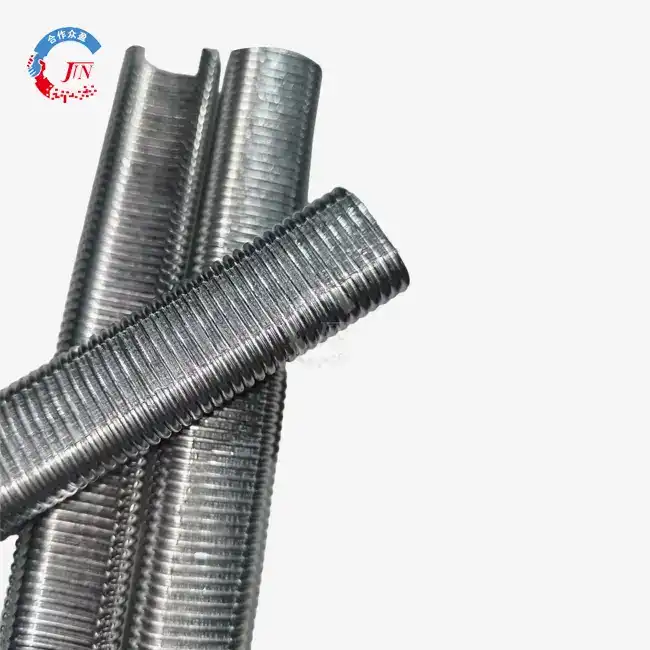
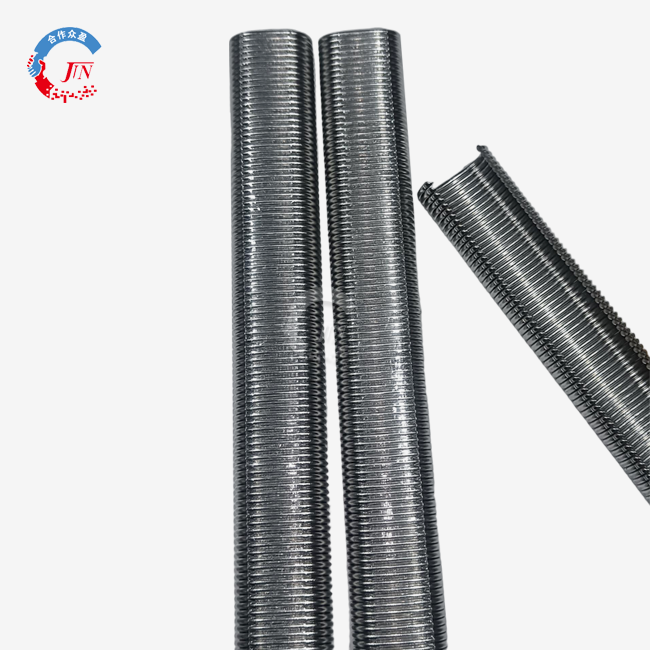
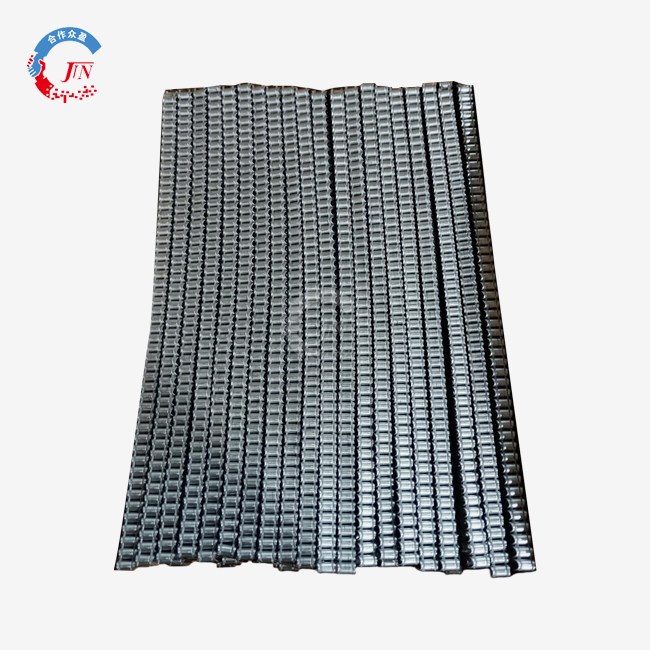
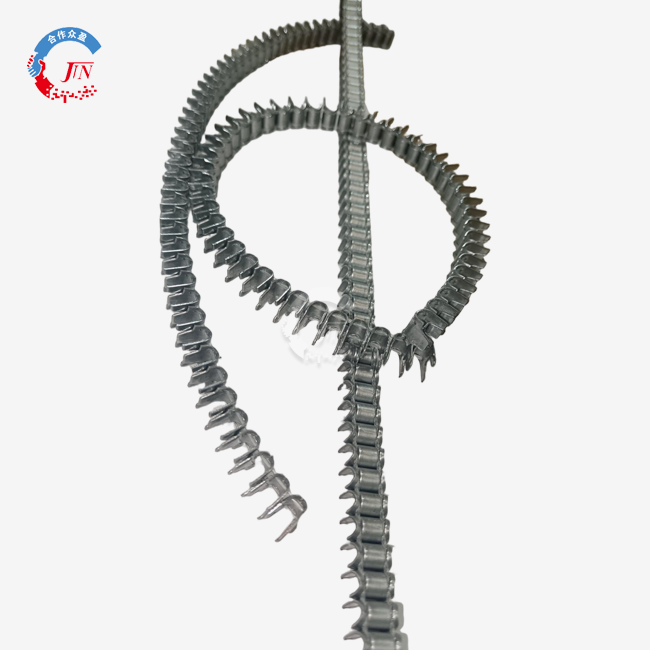
If you work in upholstery, auto seating, or furniture manufacturing, you need to find the right fastening method to keep your production running smoothly. There is a special kind of industrial fastener called 16 gauge 1/2 inch hog rings that is made to make lasting, high-tension mechanical ties between different types of materials. These rings, which are made from 1.6mm wire shaped into a C-shape with a 1/2 inch crown hole, solve common production problems like tools getting stuck, fasteners loosening under cycle loads, and having to tie each wire by hand, which takes a lot of time. Their balanced design makes them structurally strong while still allowing them to bend, which is needed for a secure circular closing with pneumatic or hand clinching tools.
Understanding 16 Gauge 1/2 Inch Hog Rings
To meet strict industry standards, these fasteners are made with both metallurgical accuracy and useful shape. The wire thickness is about 0.0625 inches, and the crown width is 0.5 inches before it is closed. This gives you the best of both worlds: power and usability.
Material Composition and Technical Properties
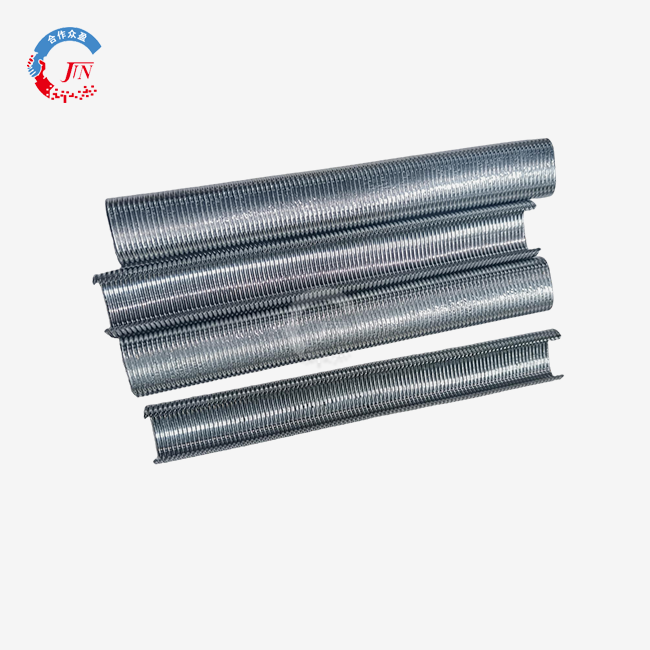
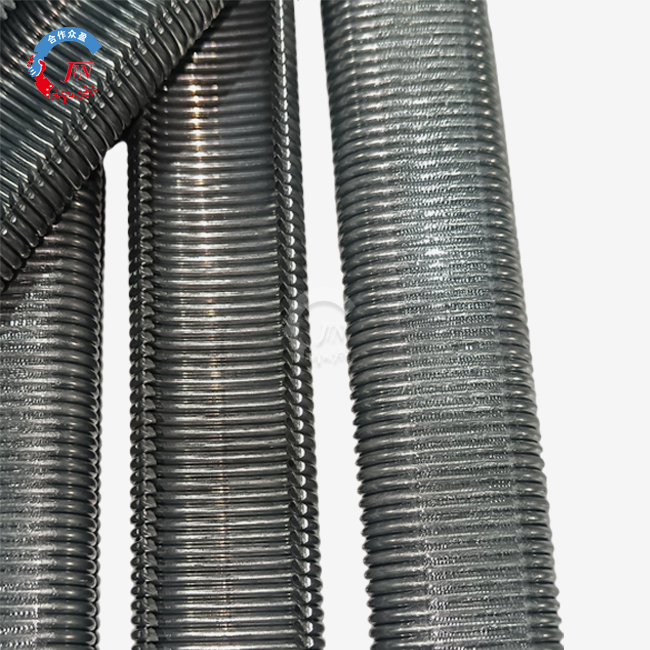
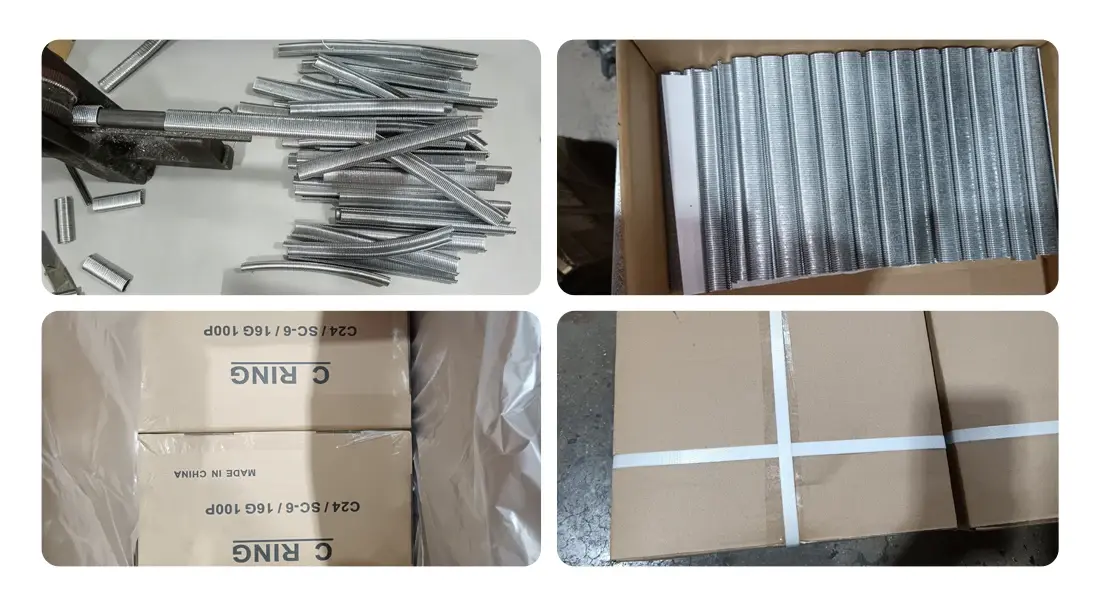
These bands are mostly made at Tianjin Jinzhuang New Materials Technology Co., Ltd., which uses galvanized steel, which is very resistant to rust because it has a zinc coating on it. This C-shaped hole design lets material go through quickly and securely. The metal surface treatment protects against rust and rusting, which means that the product will last longer even in tough conditions where humidity and temperature change often. The precise, sharp-point structure makes it easier to go through thick fabrics, leather, and wire mesh, which cuts down on installation time and costs for workers.
Dimensional Specifications and Performance Standards
The C17 standard rings are made under strict guidelines for controlling their size, with a width of 16.9mm and a height of 8.7mm. This accuracy makes sure that the shape stays the same, the closure is tight, and the performance stays stable whether it's used with pneumatic systems or hog ring tools that are operated by hand. Depending on the material's temper, the tensile strength is often higher than 100,000 PSI. This gives it solid staying power in a wide range of situations, from putting together car seats to building animal cages. Poorly made screws often have problems like wrinkling, cracking, and deformation that can be fixed with good production methods.
Versatile Application Across Industries
Procurement managers can choose the best product for their needs when they know where these screws work best. 16 gauge 1/2 inch hog rings are used to keep seat covers and heating elements attached to foam frames in the car seating industry. These fasteners can handle steady vibration and the weight of people sitting on them without coming loose. They are used a lot by furniture makers in sofa spring systems, cushion building, and putting together upholstered frames. The ring's C-shaped shape lets it wrap around both wire mesh and cloth at the same time, making a mechanical interlock that lasts longer than glue or screws. In addition to being used for upholstery, these rings are also used to put together pet cages, make fake hills for gardening projects, connect ropes, and make wire mesh Products.
How to Use 16 Gauge 1/2 Inch Hog Rings Effectively
The right way to attach 16 gauge 1/2 inch hog rings has a direct effect on both the speed of production and the strength of the joint. Our fasteners can be used by hand or with air pressure, which gives makers options based on production rate and application needs.
Tool Selection and Compatibility
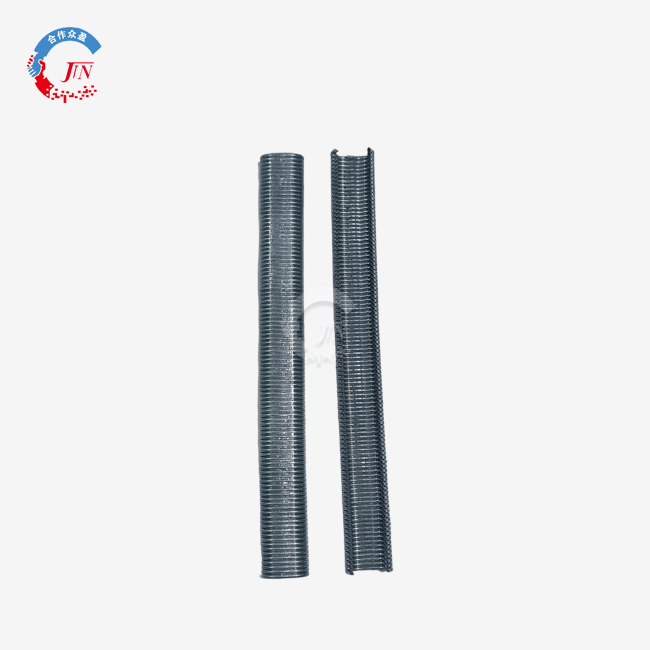
Standard hog ring tools made for 16-gauge wire have enough force for fitting by hand in low-volume situations or for repairs. The tool teeth grab the ends of the open rings and squeeze them together to make a tight loop around the materials they need to cut. When working with a lot of parts, pneumatic tools are very helpful because they provide a regular closing force and keep workers from getting tired. These rings show great tool compatibility with standard industry equipment, making sure that industrial production lines run smoothly without feeding problems or jams that slow down the assembly process.
Step-by-Step Installation Process
Place the things that need to be fastened so that they touch a little where they will join. When you open the hog ring tool, put one ring into the jaws. Line up the open ends of the ring so they are perpendicular to the pieces of material. Make sure that both substrates fit inside the C-shaped hole. To close the ring around the materials, squeeze the tool handles all the way around. The sharp points cut through the surfaces, and the circular closing makes a strong mechanical bond that lasts. When you use the right method, you get a tight, even closure with no gaps that could let materials slip when they are under stress.
Safety Practices and Handling Precautions
Wearing protective glasses keeps you safe from small ring pieces that might fly at you if a bad fastener breaks during installation. When handling and packing, work gloves keep your hands safe from the sharp ring points. To keep rings from rusting too quickly, keep them in their original package and in a dry place. Our goods have a protected oil film layer that keeps them from rusting while they're being stored and keeps the feeding smooth when they're put into pneumatic magazines. Operators should check tools often for worn jaws that could lead to incomplete closes. Broken parts should be replaced right away to keep quality standards high.
Comparing 16 Gauge 1/2 Inch Hog Rings with Alternatives
In production settings, the choice of material and the size of the gauge have a big effect on how well it works and how much it costs.
Gauge Thickness Analysis
16 gauge 1/2 inch hog rings represent a well-balanced option in this range. Heavy 14-gauge rings have higher tensile strength, making them good for heavy-duty uses with thick materials or links that are under a lot of stress. On the other hand, they need stronger tools and might be too strong for normal leather work. Lighter 18-gauge choices are easy to install and cost less, but they don't work as well in demanding situations. The 16-gauge specification is a good compromise because it provides enough power for most furniture, automotive, and farming uses while still being compatible with standard tools that are already in most facilities.
Material Options and Environmental Considerations
While stainless steel is a good value for money and won't rust in most indoor and outdoor situations, higher-quality materials may be needed in certain situations. Zinc-aluminum alloy coatings make feeder devices less likely to rust and more stable, which means that production stops less often. Stainless steel types work better in tough chemical or salty places, like seaside factories that make things or places that put upholstery on boats. Our company has all three types of materials, so buying teams can choose the best one for their needs based on their price and environmental exposure.
Comparison with Alternative Fastening Methods
Traditional bolts make installation go faster, but they also create stress points where fabrics can tear when they are under tension. Wire clips need more tools and knowledge, which raises the cost of work and the time needed to train people to use them. Adhesives slow down the bonding process and may not work if they are exposed to high or low temperatures or chemical cleaners. The 16 gauge 1/2 inch hog rings fastening method gets rid of these problems by using lasting mechanical bonds that stay strong at all temperatures and don't break down when exposed to chemicals. Pneumatic hog ring systems can be put together almost as quickly as staples, but they last longer and are more durable, so there are fewer guarantee claims and product returns.
Purchasing Guide for 16 Gauge 1/2 Inch Hog Rings
Decisions about strategic sourcing affect both the short-term prices of a project and the stability of the supply chain in the long term. A good buying strategy strikes a mix between low prices, quality assurance, and on-time delivery.
Supplier Evaluation Criteria
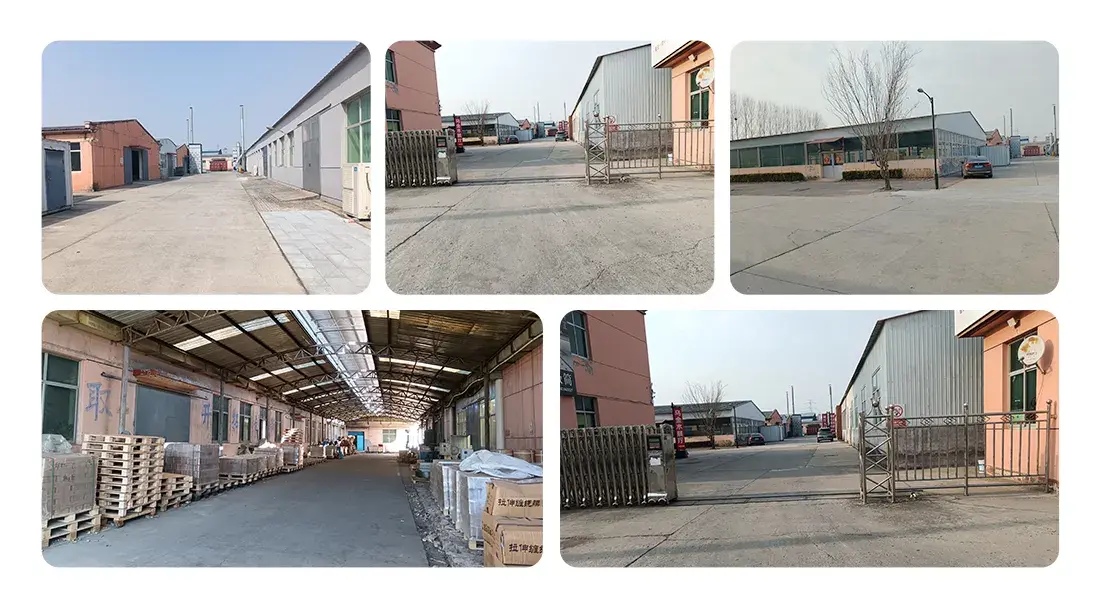
Established producers who have been making things continuously for a long time show supply security that keeps production from stopping, which costs a lot of money. Tianjin Jinzhuang New Materials Technology Co., Ltd. has been in business continuously since 2015, gaining experience in making C-type nails and 16 gauge 1/2 inch hog rings. Because we are close to Tianjin Port, foreign shipping is quick and easy, and we offer full-pallet transport choices that keep cargo damage to a minimum. Just-in-time manufacturing methods can be used with production lead times of three to five days, as long as there is enough spare stock for pressing needs.
Quality Assurance and Testing Standards
Dimensional variance testing for 16 gauge 1/2 inch hog rings makes sure that the crown width and wire size stay within very tight limits that keep pneumatic feeding systems from getting stuck. Protective coatings for 16 gauge 1/2 inch hog rings must meet certain rust resistance hours based on the application setting. Salt spray testing confirms this. Tests of tensile strength and flexibility for 16 gauge 1/2 inch hog rings show that the wire can be bent all the way around without breaking the core metal or covering layers. These quality control steps for 16 gauge 1/2 inch hog rings help prevent production delays caused by finished goods that don't close properly, don't feed properly, or have fasteners fail before they're supposed to.
Customization and OEM Services
Standard standards work well for many uses, but sometimes solutions need to be specially made to fit unique needs. Sample-based production lets customers send in their old screws to be exactly copied, making sure that they work with their current assembly methods and tools. Custom wire size, crown width, covering type, and point shape can be made to fit different types of materials or performance needs. Distributors and equipment makers who are making whole fastening systems can use OEM production to customize the labels and packages for their products.
Cost Factors and Pricing Structures
Volume-based pricing lowers the cost per unit when you make a bigger purchase commitment. This makes annual supply deals a good financial choice for businesses that use a lot of goods. The price is heavily affected by the type of material used. Galvanized steel is the least expensive choice, while stainless steel costs more but lasts longer in corrosive settings. The extra costs of coating complexity and unique specs must be weighed against the value of better performance in certain situations. Our reasonable prices come with high quality and great value, which lowers the total cost of ownership when you consider lower failure rates and longer tool life.
Practical Tips for Optimal Performance
Paying attention to how fasteners are stored, handled, and maintained throughout the supply chain and work setting is important for getting the most out of their performance and service life. Temperature-controlled storage areas keep protective coats from getting damaged by condensation before they are installed. By following the manufacturer's instructions for loading pneumatic tool mags, you can keep the proper flow direction and avoid jamming problems. Regular upkeep on tools, like cleaning the jaws and lubricating them, keeps the quality of the closures the same from shift to shift. When the application is outside or comes into contact with water, choosing the right coating during purchase stops corrosion before it starts, which could weaken the structure.
Because our C-ring products don't use glue, they feed smoothly and don't leave behind the sticky residue that happens with cheaper closures. This feature lowers the number of times tools need to be cleaned and the amount of time they need to be taken out for upkeep, which makes the equipment more useful overall in production. The protective oil film coating keeps the feed clean when it's put into automated systems and adds more protection against rust during storage and shipping.
Conclusion
To choose the right fastening options, you have to balance the need for technical performance with the need to stay within budget and ensure the stability of the supply chain. The 16 gauge 1/2 inch hog rings are very useful for many things, like fabric, cars, furniture, and farming. They are the best mix of wire strength, corrosion protection, and ease of installation. When procurement workers know about different types of materials, the right way to put them, and quality standards, they can choose fasteners that make production more efficient and cut down on warranty claims and product failures. Strategic relationships between suppliers and well-known makers provide the stable supply and technical support needed to keep up high production standards in highly competitive manufacturing settings.
FAQ
What material provides the best rust resistance for outdoor furniture applications?
Galvanized steel is a safe way to protect covered outdoor furniture in areas with low humidity. In normal conditions, it will last ten to twenty years. Stainless steel types work better in coastal areas or high-humidity settings where salt spray and steady exposure to moisture speed up corrosion. 16 gauge 1/2 inch hog rings have a zinc covering that acts as a protective shield for the steel underneath, even if the zinc coating gets slightly scratched during handling or installation.
Can I use the same hog rings for automotive seats and mattress assembly?
The 16 gauge 1/2 inch hog rings norm works well for both uses, but automakers usually choose stainless steel or zinc-aluminum alloys because they meet strict quality standards and come with longer warranties. When making mattresses, galvanized choices are usually used because they are cost-effective and work well in home settings. Both industries benefit from the steady accuracy in measurements and easy feeding that keeps the production line running.
How many rings does a typical production run require?
The rates of consumption are very different depending on the shape of the product and the number of fastening points. Depending on how complicated the design is, a single car seat might need thirty to fifty rings, while a queen-size mattress might need eighty to one hundred twenty rings for connecting the edges and springs inside. Our industrial packaging usually has between 2,500 and 10,000 rings per box. The collated strips make it easy for pneumatic systems to add magazines quickly.
Partner with TJJZ for Reliable Hog Ring Solutions
For all of your binding needs, TJJZ has the specialized production skills and quick customer service you need. We keep a large inventory to support quick order processing and three-minute response times to inquiries as a committed provider of 16 gauge 1/2 inch hog rings. Our closeness to Tianjin Port makes international shipping easy, and our three- to five-day production wait times allow for both planned purchases and urgent restocking needs. We can make exact copies of your current fasteners or come up with new specs that fit the needs of your specific application, thanks to our sample-based manufacturing capabilities. Get in touch with our team at userID@jinzhuangfastener.com to talk about volume prices, choosing the right materials, and shipping times that work with your budget and production needs.
References
1. Anderson, R.M., "Industrial Fastening Systems in Modern Manufacturing," Journal of Production Engineering, 2021.
2. Chen, W., "Corrosion Resistance of Galvanized Steel Fasteners in Automotive Applications," Materials Performance Quarterly, 2020.
3. Harrison, D.L., "Upholstery Techniques and Material Selection for Commercial Furniture," Furniture Design and Manufacturing Review, 2022.
4. Miller, K.J., "Pneumatic Tool Selection and Maintenance in High-Volume Assembly Operations," Industrial Equipment Management, 2019.
5. Thompson, S.A., "Quality Control Standards for Wire-Formed Fastening Products," Manufacturing Quality Assurance Handbook, 2021.
6. Zhang, L., "Comparative Analysis of Mechanical Fastening Methods in Textile and Leather Applications," International Journal of Textile Engineering, 2020.
Learn about our latest products and discounts through SMS or email