- English
- French
- German
- Portuguese
- Spanish
- Russian
- Japanese
- Korean
- Arabic
- Greek
- German
- Turkish
- Italian
- Danish
- Romanian
- Indonesian
- Czech
- Afrikaans
- Swedish
- Polish
- Basque
- Catalan
- Esperanto
- Hindi
- Lao
- Albanian
- Amharic
- Armenian
- Azerbaijani
- Belarusian
- Bengali
- Bosnian
- Bulgarian
- Cebuano
- Chichewa
- Corsican
- Croatian
- Dutch
- Estonian
- Filipino
- Finnish
- Frisian
- Galician
- Georgian
- Gujarati
- Haitian
- Hausa
- Hawaiian
- Hebrew
- Hmong
- Hungarian
- Icelandic
- Igbo
- Javanese
- Kannada
- Kazakh
- Khmer
- Kurdish
- Kyrgyz
- Latin
- Latvian
- Lithuanian
- Luxembou..
- Macedonian
- Malagasy
- Malay
- Malayalam
- Maltese
- Maori
- Marathi
- Mongolian
- Burmese
- Nepali
- Norwegian
- Pashto
- Persian
- Punjabi
- Serbian
- Sesotho
- Sinhala
- Slovak
- Slovenian
- Somali
- Samoan
- Scots Gaelic
- Shona
- Sindhi
- Sundanese
- Swahili
- Tajik
- Tamil
- Telugu
- Thai
- Ukrainian
- Urdu
- Uzbek
- Vietnamese
- Welsh
- Xhosa
- Yiddish
- Yoruba
- Zulu
Understanding C ring fasteners: A Comprehensive Guide to Their Uses and Benefits
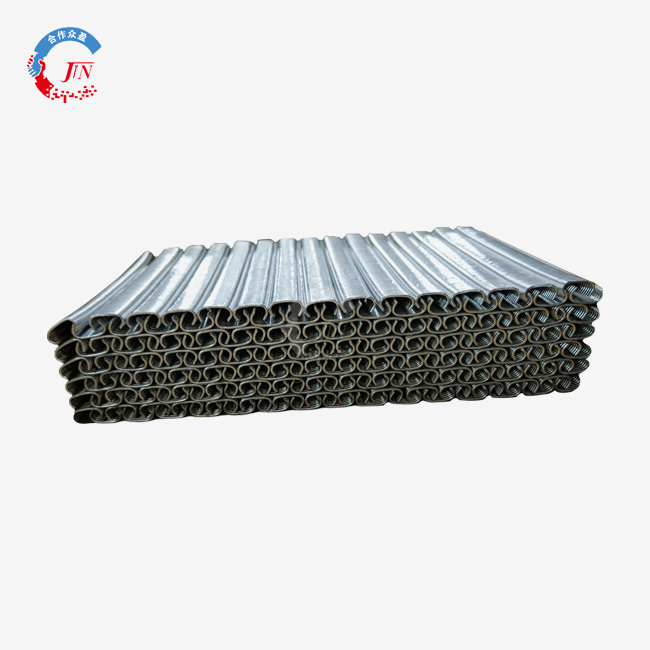
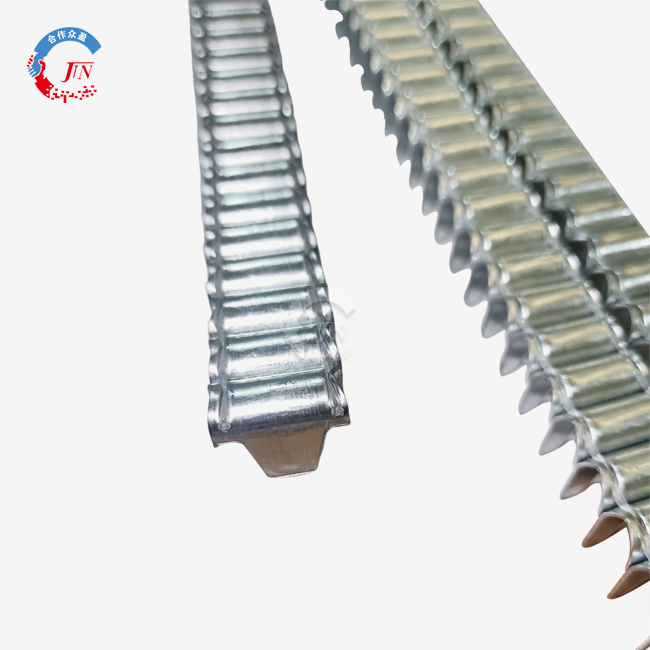
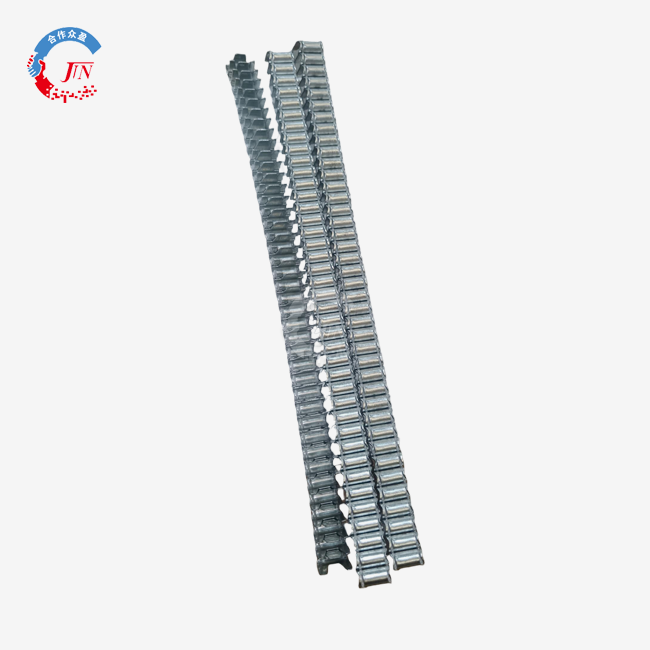
It is important to know that C ring fasteners, which are sometimes called hog rings or clinch clips, are designed to hold materials together by manually crimping the ends. When used, these industrial-grade clamps change from an open half-circle shape to a secure ring, making permanent or semi-permanent connections in a wide range of factory situations. Their special design solves some of the biggest problems that come up in high-volume production settings, like weak connections, breakdowns caused by rust, and long installation times. Knowing the technical details and performance traits of these fasteners is very important for procurement managers who are in charge of making mattress production lines, car seat assembly lines, or cage production lines. This is because knowing these details directly affects how efficiently Products are made and how long they last.
What Are C Ring Fasteners and How Do They Work?
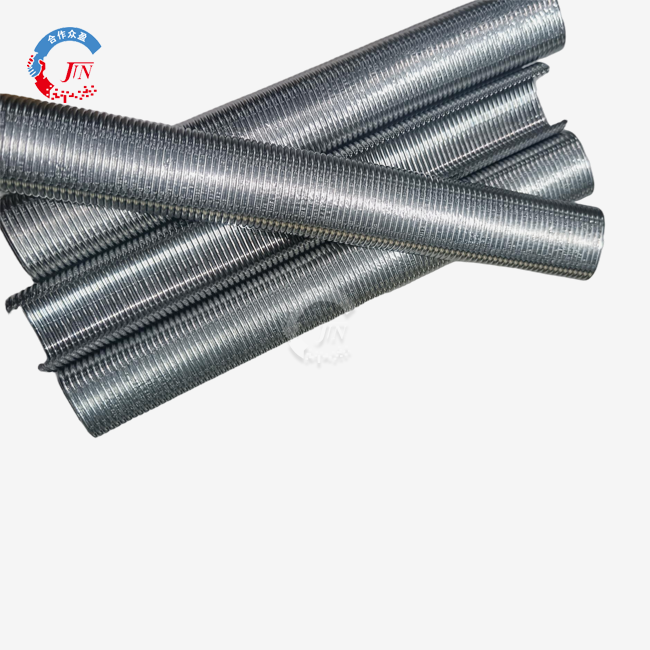
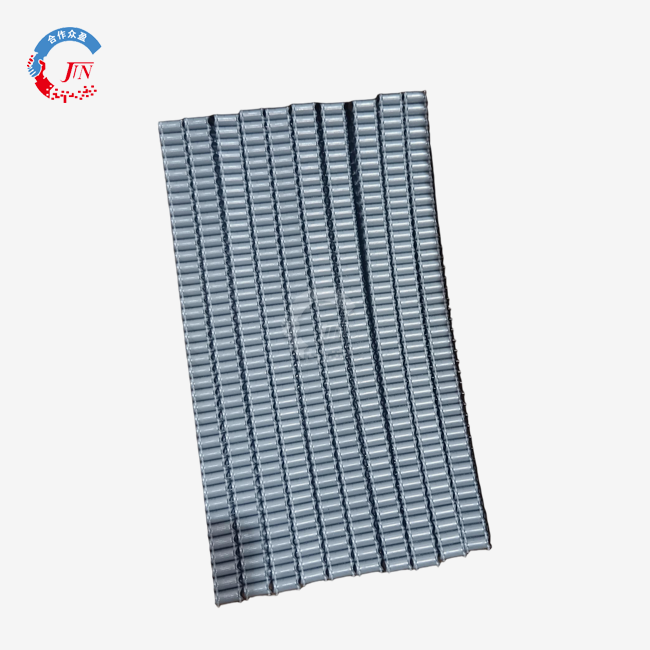
These specialized fastening components feature an open "C" shape and are made from continuous wire stock. They are meant to be pushed around materials using special hand or air tools. The working principle is based on elastic deformation: when the C ring fasteners are put on, they close around the target materials, like cloth to wire, mesh to frame, or couch to spring, making a mechanical interlock that can't come apart when stretched or shaken.
Basic Structure and Functionality
Because the C ring fasteners are open, they can be quickly placed around wire mesh corners, spring coils, or cloth layers before the tool is used. When you crimp, the gap closes all the way, making a loop that spreads the load evenly across the joining point. Unlike standard staples, which go through materials and could tear cloth or split wood, this is very different.
Material Composition and Specifications
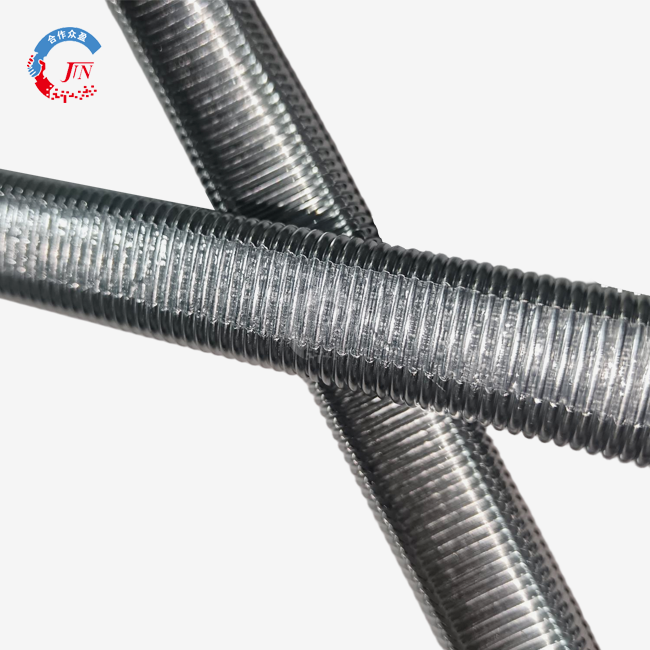
Based on the needs of the product, modern industry uses three main types of materials. With a zinc covering thickness of 8 to 12 microns, galvanized steel is a cheap way to protect against rust and is good for making furniture and beds for inside use. Different types of zinc-aluminum alloys protect outdoor buildings better against corrosion, like animal shelters or fence systems that are exposed to water. The 304 and 316 grades of stainless steel work better in marine settings, food processing equipment, and car interiors, where chemicals and salt are usually present.
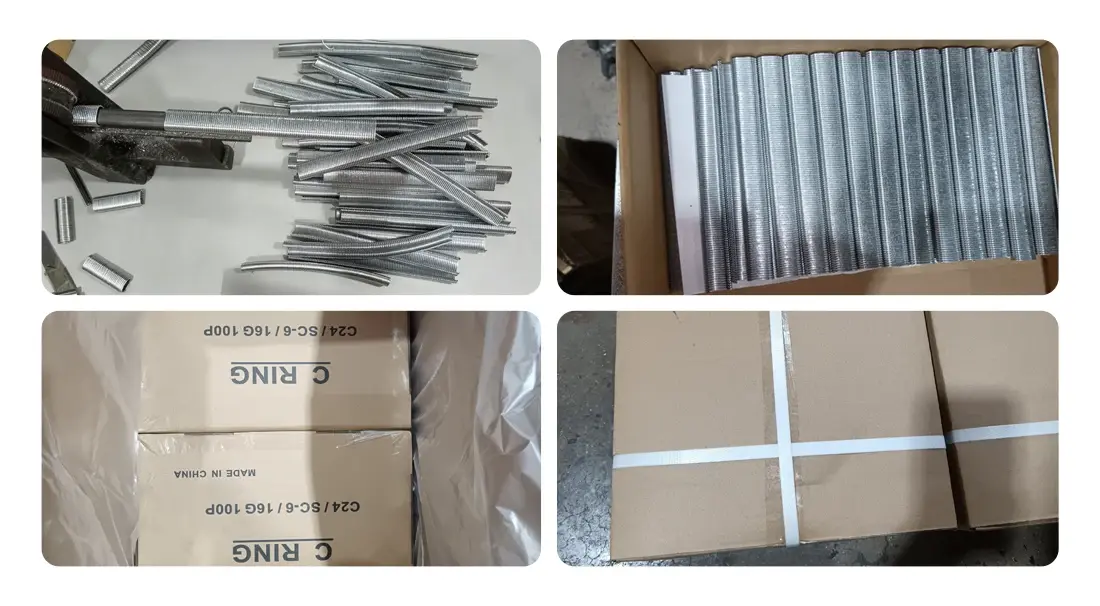
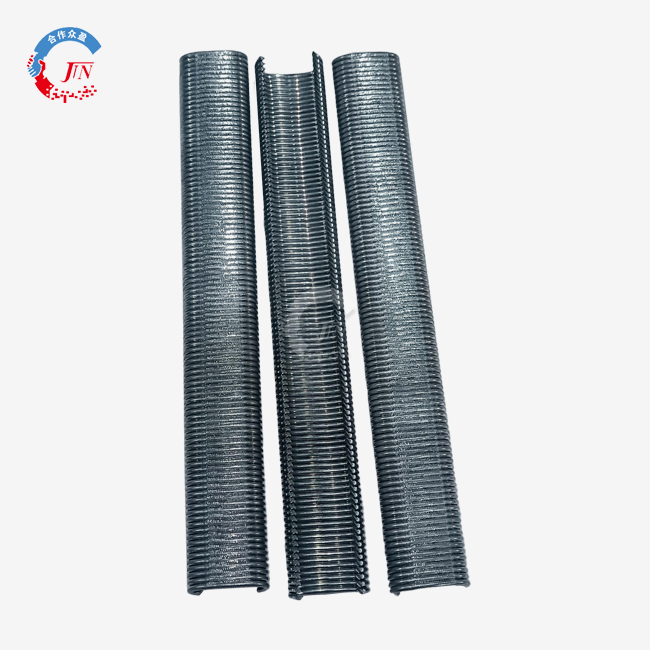
Standard standards include wire gauges ranging from 15G to 11G. Lighter gauges are better for work with upholstery, while heavier shapes are made for use in structure fences. For general-purpose C17 specs, the standard dimensions are 16.9 mm in width and 8.7 mm in height. However, custom sizing is available to meet particular production needs.
Tool Compatibility and Installation Methods
For release to work well, the right tools need to be used. Manual pliers-style fastener applicators work well for small-scale production or repair jobs. On the other hand, pneumatic ring tools built into assembly lines can consistently apply more than 60 fasteners per minute. The precision, sharp-point design makes it easier to cut through material, which keeps operators from getting tired and makes run times more consistent across shifts.
Advantages and Applications of C Ring Fasteners
These C ring fasteners binding systems are being used more and more in manufacturing because they solve problems that keep coming up with production problems. Knowing these benefits helps buying teams explain why they need to change specifications and figure out the return on investment.
Core Performance Benefits
The main benefit is that it lasts a long time. Mechanically crimped links stay strong throughout the duration of a product, unlike adhesive systems that break down when exposed to UV light or changing temperatures. Test results from car seats show that the holding strength is higher than 200 pounds per bolt under cyclic loading conditions that mimic ten years of vehicle use.
Labor costs go down directly when installation speed goes up. Comparative studies in the mattress-making industry show that using pneumatic rings cuts assembly time by about 40% compared to human tie-wire methods. This is because hand-tying operations can cause repeated strain injuries. Because the tools work with automatic feeding systems, high-volume factories can use lights-out manufacturing methods.
There are several things that make it cost-effective: the price of materials in bulk, the fact that constant use cuts down on scrap, and the fact that you don't have to buy things like adhesive refills or battery replacements for portable stapling systems. The coating of protective oil film stops pre-installation corrosion during storage, which increases store life and lowers inventory loss.
Industrial Application Scenarios
These fasteners hold border wires to spring units and quilted fabric panels to surrounding frames while mattresses are being made. With the 360-degree crimp, the cloth doesn't slip under the tension forces created by the sleep surface compressing, which is a common way for poor staplers to fail.
Assembling seats for cars is probably the most difficult application setting. Manufacturers of seats use these fasteners to connect heating element harnesses to frame structures, sound-absorbing materials to spring platforms, and fabric to frame structures. It's important to meet car quality standards so that the material doesn't vibrate and keeps its mechanical traits from -40°F to 200°F.
These fasteners are used to connect welded wire mesh panels at places where they cross in cages used for raising chickens, keeping pets inside, and aquaculture. Galvanized and stainless steel versions don't rust, so the structure stays strong even when they're constantly exposed to water, ammonia chemicals, and salt air in coastal farming operations.
When making furniture, these parts are used to put together couch frames, connect decorative fabric layers, and secure serpentine spring systems to wooden platforms. The clean fitting, with no staple crowns sticking out, stops the fabric from snagging, which leads to guarantee claims and unhappy customers.
Comparative Analysis with Alternative Fastening Methods
Point-load stress concentrations caused by traditional staplers tear delicate fabrics over time. These C ring fasteners, on the other hand, spread forces over larger connection zones. Plastic zip ties are cheap at first, but they break down in 18 to 24 months when used outside because of UV light, while metal ring closures keep their structural features forever in the same conditions.
Ring fixing doesn't need any electricity infrastructure and doesn't create heat-affected zones that weaken base materials like welding or mechanical screwing does. Removable assemblies are better for the earth because they can be fixed or recycled, but they are forever attached.
How to Choose the Right C Ring Fastener: A Procurement Guide
To choose the right C ring fastener specs, you need to carefully look at the parameters of the application, the surroundings, and the needs of the production system. This organized method avoids mistaken specifications that cost a lot of money and cause products to fail early or work less efficiently during production.
Material Selection Criteria
More than anything else, the environment determines the choice of material. Inside climate-controlled buildings, normal galvanized steel works well for indoor furniture uses and lasts for years at the lowest cost. However, mattress makers that sell to humid coastal areas should ask for increased zinc coatings or zinc-aluminum alloy formulas to keep white linens from getting rust stains while they are being stored and used by customers.
Specifications for cars require proof of performance tests and the ability to track down materials. Tier 1 sellers usually need stainless steel options that have been tested for corrosion resistance and shown to be resistant to rusting for 500 hours or more using ASTM B117 salt spray. These standards raise the cost per unit, but they are needed to meet OEM warranty responsibilities.
Dimensional Matching and Load Calculations
The tensile strength of the link determines the wire size that should be used. For light-weight wire frames with thin couch fabrics connected, 16G or 17G fasteners work fine. Heavy-duty fence needs 11G or heavier profiles to handle the impact forces of animals and the pressures of thermal expansion.
The crown's width and leg's length must be able to handle the thickness of the materials being joined. When fasteners are too small, they can't fully close, leaving weak links that are easy to break. Material costs go up needlessly when specs are too big, and tools may not fit properly in automatic tool magazines, which can lead to feed jams and production stops.
Supplier Evaluation Framework
Buying choices include more than just unit price; they also include how reliable the supply chain is. For just-in-time manufacturing processes that keep small inventory gaps, production lead times are very important. When suppliers offer production rounds of 3–5 days and keep stock on hand, expensive line shutdowns that happen when fastener supplies run out suddenly don't happen.
The rate of production is directly affected by the uniformity of quality. Different sizes of fastener strips can cause tools to get stuck, which needs to be fixed by stopping the line. Precision production with tight dimensional control (tolerance bands within ±0.1mm) from suppliers is needed for automatic assembly lines to have consistent feeding performance.
Professional suppliers are different from product distributors because they can offer technical help. Access to application engineering help helps improve fastener standards while new products are being developed, and quick customer service (answers to questions in minutes instead of days) fixes urgent production problems before they cause major downtime.
Comparison of C Ring Fasteners in the Market
There are different types of suppliers in the C ring fasteners supply market, and each one offers a different set of benefits that can help with different buying strategies and business needs.
Supplier Landscape Overview
Industrial distribution giants like McMaster-Carr offer large product catalogs and fast shipping for prototyping and maintenance needs. However, the unit price shows the extra charge for ordering in small amounts. Manufacturers of specialized fasteners, like Southco and Essentra, offer engineered solutions with technical documents that are good for regulated businesses that need to be able to track products and get compliance approval.
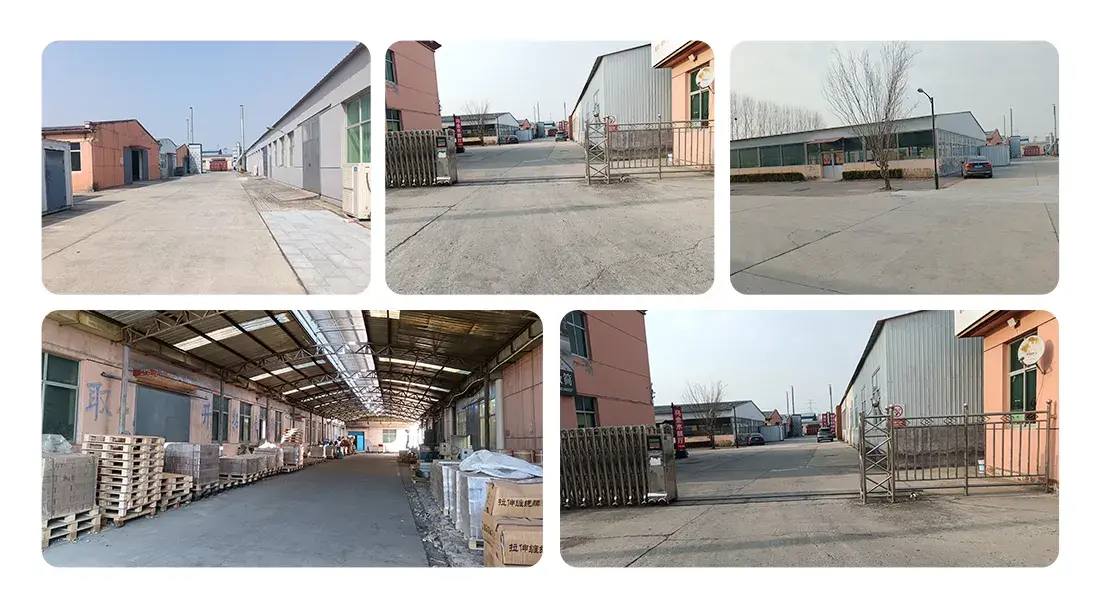
For high-volume buyers, direct ties with manufacturers offer the best value. Vertical integration, which means controlling everything from making the wire to packaging it, allows facilities like TJJZ, which has been open nonstop since 2015, to offer affordable prices while keeping quality through in-house testing procedures. Location advantages like Tianjin's closeness to major ports lower shipping costs and the risk of damage during transport for international trade.
Standard Products Versus Custom Manufacturing
About 80% of industry uses can be met by off-the-shelf fastener specifications, which are readily available and have performance data that has been proven. Custom-engineered solutions may be needed, though, for things like upholstery fabrics that aren't standard, wire sizes that aren't standard, or goods that are exposed to harsh environments.
Sample-based production lets providers make copies of current fasteners when OEM sources stop making them or when they are trying to figure out how rival assemblies work. When switching suppliers or trying to cut costs, this ability comes in handy. Custom production usually takes two to three weeks longer than standard goods, so you need to plan ahead when you change the specifications.
Performance Trade-offs and Value Analysis
However, heavy-duty fasteners with thicker wire stock and better coatings are more expensive—often 20–40% more than normal grades—but they last much longer in tough situations. Instead of just looking at the purchase price, the overall cost of ownership should take into account things like fewer warranty claims and longer upkeep intervals.
You can save a lot of money on each unit when you buy in bulk, and the prices get bigger when you buy 100,000, 500,000, or a million pieces. But the unit price benefits must be weighed against the costs of keeping supplies and the risk of becoming obsolete. This is especially true for facilities that make a wide range of products with different fastening requirements.
Conclusion
Specifications and buying methods for C ring fasteners have a direct effect on how efficiently and profitably products are made in a wide range of industries, from assembling cars to making farm equipment. This guide talks about technical things like material composition, matching dimensions, tool compatibility, and seller trustworthiness. These help you make smart purchasing choices that meet your current production needs and improve your business's long-term performance. Manufacturing companies can get the consistent fastening performance they need to stay ahead in tough global markets by carefully comparing application requirements with available product specs and supplier capabilities.
FAQ
What materials work best for outdoor agricultural applications?
Galvanized steel with a thicker zinc coating or zinc-aluminum alloys are the best materials for animal cages and fences that are exposed to water and ammonia compounds because they don't rust. Stainless steel types are the most durable, but they are also the most expensive. They are usually only used for sites near the coast that will be exposed to salt air.
Can these fasteners be removed and reused without compromising strength?
It is still possible to remove the crimped ring with special cutters that spread it out, but the process of bending makes the material's cross-section slightly smaller. Reuse works for brief assemblies or testing, but it shouldn't be chosen for production uses that need to keep the full strength of the original.
How can I keep fasteners from getting stuck in air tools?
Most important is uniformity in dimensions within narrow error bands. Fasteners that feed easily through automatic magazines come from suppliers who use precise manufacturing methods. Proper tool care, such as cleaning the feed mechanisms regularly and replacing old driver blades, also keeps the machine running smoothly during production shifts.
Why TJJZ Delivers Superior C Ring Fastener Solutions for Your Production Needs
Manufacturing companies that need solid C ring fasteners systems can get a lot out of working with experts in the field. TJJZ's combined production skills make sure that the dimensions and quality of the surface finish are always the same. This keeps tools from getting stuck and stops production. With wait times of only three to five days, our well-kept inventory can be restocked quickly. The protective oil film coating on galvanized products keeps them from rusting while they are being stored or used. The sharp-point form makes installation faster, which lowers the cost of work per unit put together. Customization services allow for particular needs by using sample-based production, which helps with methods for product differentiation and working with older equipment. As a company that has been making fasteners since 2015, we offer reasonable prices and technical help that is quick to respond to production problems. Email our team at userID@jinzhuangfastener.com to talk about your unique fixing needs and ask for samples that show how good our products are.
References
1. Bickford, John H. Introduction to the Design and Behavior of Bolted Joints: Non-Gasketed Joints. 5th ed. CRC Press, 2018.
2. Parmley, Robert O. Standard Handbook of Fastening and Joining. 3rd ed. McGraw-Hill Education, 1997.
3. Blake, Alexander. Practical Stress Analysis in Engineering Design. 3rd ed. CRC Press, 2018.
4. Genc, Sami, et al. "Corrosion Behavior of Galvanized Steel in Various Environmental Conditions." Materials and Corrosion, vol. 68, no. 4, 2017, pp. 412-421.
5. Carlson, Richard L. Handbook of Spring Design. Spring Manufacturers Institute, 2016.
6. Society of Automotive Engineers. SAE J78: Steel Self-Piercing Fasteners. SAE International, 2019.
Learn about our latest products and discounts through SMS or email