- English
- French
- German
- Portuguese
- Spanish
- Russian
- Japanese
- Korean
- Arabic
- Greek
- German
- Turkish
- Italian
- Danish
- Romanian
- Indonesian
- Czech
- Afrikaans
- Swedish
- Polish
- Basque
- Catalan
- Esperanto
- Hindi
- Lao
- Albanian
- Amharic
- Armenian
- Azerbaijani
- Belarusian
- Bengali
- Bosnian
- Bulgarian
- Cebuano
- Chichewa
- Corsican
- Croatian
- Dutch
- Estonian
- Filipino
- Finnish
- Frisian
- Galician
- Georgian
- Gujarati
- Haitian
- Hausa
- Hawaiian
- Hebrew
- Hmong
- Hungarian
- Icelandic
- Igbo
- Javanese
- Kannada
- Kazakh
- Khmer
- Kurdish
- Kyrgyz
- Latin
- Latvian
- Lithuanian
- Luxembou..
- Macedonian
- Malagasy
- Malay
- Malayalam
- Maltese
- Maori
- Marathi
- Mongolian
- Burmese
- Nepali
- Norwegian
- Pashto
- Persian
- Punjabi
- Serbian
- Sesotho
- Sinhala
- Slovak
- Slovenian
- Somali
- Samoan
- Scots Gaelic
- Shona
- Sindhi
- Sundanese
- Swahili
- Tajik
- Tamil
- Telugu
- Thai
- Ukrainian
- Urdu
- Uzbek
- Vietnamese
- Welsh
- Xhosa
- Yiddish
- Yoruba
- Zulu
Cost-Effective Galvanized Hog Rings for Large Projects
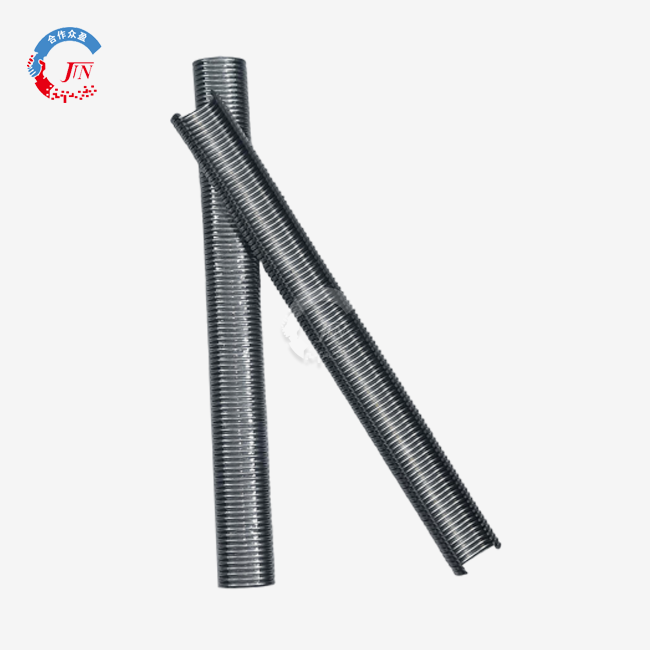
When large-scale production lines need a fastener that holds firm without draining the budget, galvanized hog rings consistently prove their worth. These C-shaped metal fasteners are precision-manufactured from zinc-coated steel wire, allowing them to resist rust in moisture-heavy environments while delivering strong clamping force. Whether you are assembling mattress spring units, building poultry cages, or upholstering automotive seats, the right zinc-coated ring keeps your line moving and your costs predictable. This guide walks through everything procurement teams need to know before placing a bulk order.

Understanding Galvanized Hog Rings and Their Cost-Effectiveness
What They Are and How They Work
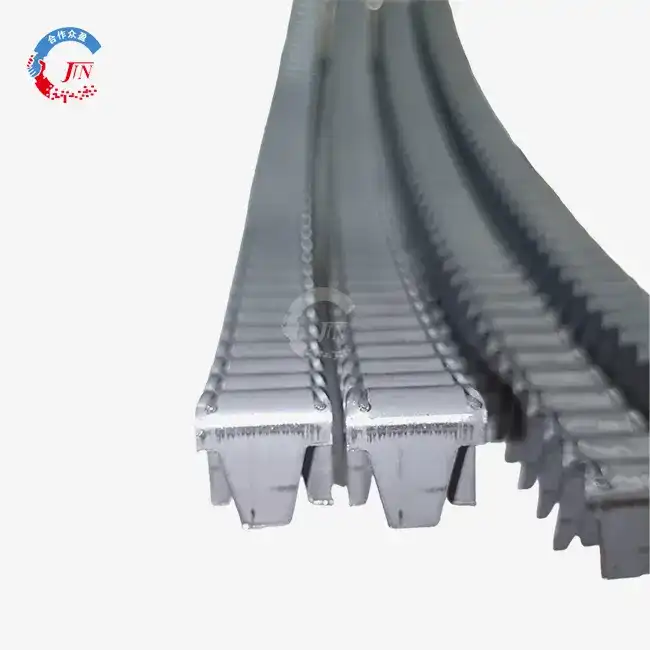
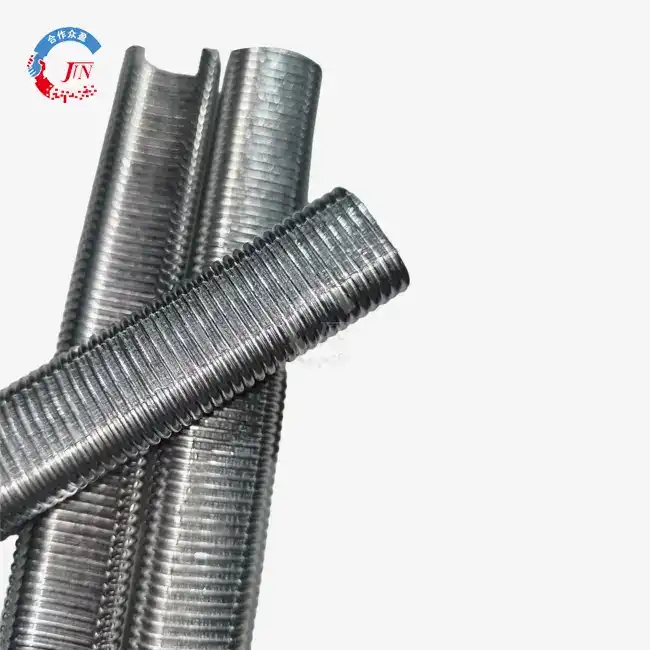
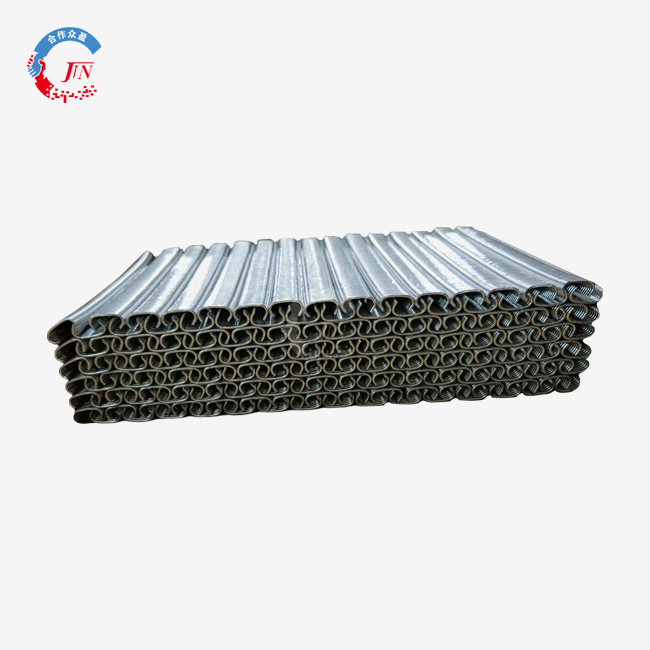
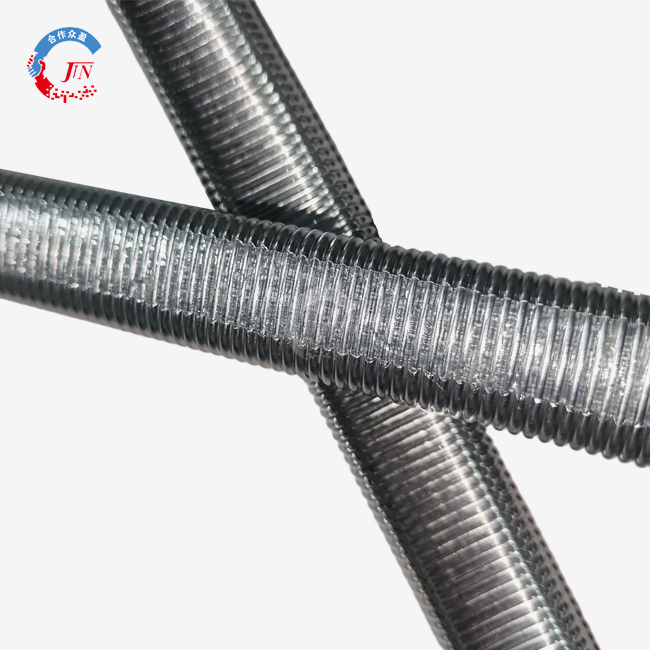
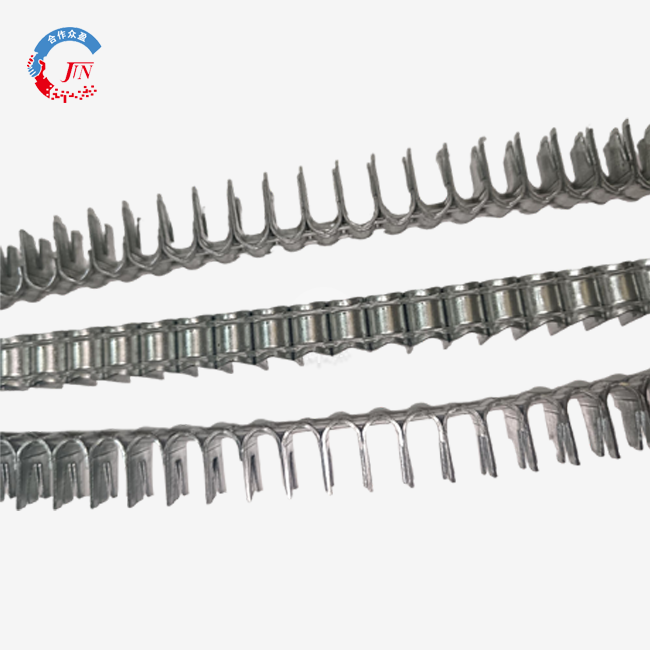
A hog ring is a C-shaped wire fastener that is crimped into a tight loop around two materials with a special tool. This holds them together forever. A zinc layer is added to the steel wire during the galvanization process. This can be done by electro-galvanization for a smooth, even finish or by hot-dip galvanization for a thicker layer that is more than 50 microns thick. That layer of zinc acts as a sacrificial shield; even if the wire's cut end is visible, the zinc around it protects it from oxidation and slows it down. The end result is a fastener that doesn't need to be treated regularly even when it's wet, outside, or in a chemically active environment.
Why the Zinc Coating Reduces Total Project Cost?
Not only does a zinc coating stop surface rust, but it does more. It increases the time between replacements, lowers the number of warranty claims on finished goods, and lowers the amount of work needed to keep structures in good shape. The American Galvanizers Association says that properly galvanized steel parts usually last fifty years or more in country areas and twenty-five years or more near the coast. That longevity means that companies with automatic lines will have fewer line stops due to fasteners that are corroded or deformed, which is a real, measurable cost savings.
Real-World Cost Impact Across Industries
When mattress factories switched from ungalvanized staples to zinc-coated C-rings, they saw a clear drop in tool-jam incidents. This is because the consistent surface finish makes it easier for pneumatic guns to feed the rings through. When making cages, corrosion-resistant rings keep the structure strong season after season, so mesh panels don't have to be re-attached. These examples show that the small extra cost of steel Products is quickly recouped by shorter downtimes and stronger assemblies.

Choosing the Right Hog Ring: Size, Type, and Material
Size Specifications and Load Requirements
The shape of the ring has a direct effect on how strongly it clamps and what kind of joint it makes. The 16.9 mm wide and 8.7 mm tall C17 standard is a popular size for upholstery and cage assembly because it allows normal wire crossings to be crossed without too much overlap. Also, galvanized hog rings come in gauges 16G and 17G and crown sizes of 1/2" and 3/4". Rings with a heavier gauge can handle more structural tension, while rings with a finer gauge are better for lighter upholstery work where too much crimping could damage the fabric.
Material Comparison: Galvanized, Alloy, and Stainless Steel
Most industrial situations can be covered by three types of materials. Picking the wrong one can add extra cost or the risk of failing before its time.
- Galvanized Steel delivers the best cost-to-performance ratio for indoor furniture assembly, mattress manufacturing, and standard cage construction. The zinc coating resists rust in moderately humid conditions.
- Zinc-Aluminum Alloy improves on standard galvanized wire by offering stronger row stability and higher corrosion resistance, making it a practical choice for outdoor agricultural structures where moisture exposure is frequent.
- Stainless Steel carries the highest unit cost but is appropriate for marine aquaculture cages, automotive interior components exposed to cleaning chemicals, and any environment where salt spray or strong acids are present.
When you match the right material to the right surroundings, you avoid both wasteful over-specification and early mistakes that stop production.
Specialty Variants: Partial vs. Full Galvanization
Partially zinc rings, where only the body is covered and the cut end is left bare, are good for indoor uses that need to save money. Fully zinc rings cover the whole wire, including the cut ends. They are the best choice for outdoor fences, gabion baskets, and animal pens. Fully galvanized rings are the better way to buy for most large-volume B2B buyers because they lower the number of bands that are rejected during quality control.
Installation and Safety Tips for Maximum Efficiency
Tools Required and Setup
Standard hog ring pliers and pneumatic fastening tools can work with zinc-coated C-rings. For large production lines, pneumatic operation is highly suggested because it keeps the crimping force constant, reduces hand fatigue, and greatly speeds up output compared to manual tools. Before adding more rings, check the tool magazine for junk and make sure the ring gauge fits the jaw profile of the tool. Putting C-type and D-type rings in the same tool is the most common way for jams to happen.
Step-by-Step Installation Process
For construction to go right, there is a clear order that can be followed by any trained worker.
- Load the ring strip into the tool magazine with the open end of the C facing outward.
- Position the tool jaws over the intersection of the two materials being joined.
- Squeeze the trigger or handle fully until the ring closes into a tight oval or circular loop.
- Visually inspect the crimped ring—the closed joint should show no gap wider than 0.5 mm.
Step 3: Fully squeeze the trigger or handle until the ring closes into a tight loop that is either oval or round.
Safety Precautions When Handling Galvanized Products
Surface particles that hurt skin can be found on newly hot-dip galvanized hog rings. When working with bulk coils, operators should wear gloves that won't cut and should wear safety glasses when using pneumatic tools at high cycle rates. If heat-based secondary processing is done near the rings in a small area, make sure there is enough ventilation because zinc oxide fumes are known to be harmful to health according to OSHA 29 CFR 1910.1000 guidelines.
Procurement Strategy for Bulk Purchasing
Evaluating Bulk Pricing and Minimum Order Quantities
Large project buyers usually get price breaks on each unit when they reach certain volume levels. Before you negotiate, you should figure out how much you use each month and compare that to the lead times that the seller has promised. A production wait time of 3–5 days with warehouse stock ready is a big plus because it keeps your line from running out of supplies without making you carry too much inventory on-site.
Vetting Suppliers: Key Criteria
Purchasing managers should use four useful factors to judge a possible hog ring provider. First, uniform measurement tolerances must be checked with a micrometer by a third party or someone in-house. Second, documented salt-spray test results that meet ASTM B117 standards. A good product should pass the test for at least 72 hours without developing red rust. Third, OEM/ODM customization options for coatings or shapes that aren't normal. Fourth, how close you are to a major port, which has a direct effect on how much freight costs and how reliable delivery is.
Negotiation and Long-Term Supply Agreements
Annual supply contracts with set pricing levels make it easier to buy things and protect against short-term changes in the prices of zinc and steel wire. It is common to ask for production samples before signing a contract. This makes sure that the factory's work fits the specifications. Suppliers who let you order samples before placing large orders show that they are sure of their quality control procedures.
Future Trends in Ring Fastener Technology
Advanced Coating Technologies
Zinc-aluminum-magnesium alloy coatings are getting more attention in the fastener industry because this three-metal layer is two to four times more resistant to rust than regular galvanized coats while still being about the same cost to make. Agricultural and marine cage makers, who already pay a lot for stainless steel rings, will benefit the most from this new development.
Greener Production Practices
Environmental rules in big manufacturing markets are making it harder to deal with zinc runoff and electroplating waste. Forward-thinking suppliers are putting money into closed-loop galvanizing systems that recover zinc bath chemicals. This cuts down on the amount of wastewater and meets the sustainability goals that many U.S. and European brands now check upstream in the supply chain.
Automation-Compatible Designs
More and more, companies with fully automatic assembly lines for furniture or cages are asking for precision-made rings with tighter tolerances on the sizes they need. As Industry 4.0 becomes more common, fastener geometry needs to work reliably at higher cycle speeds without tool adjustments. This forces manufacturers to use more advanced wire drawing equipment and tighter process controls.
Conclusion
If you choose and get your zinc-coated C-rings from the right place, galvanized hog rings are still a good, cheap option for big industrial projects. Matching the ring gauge, material, and coating type to the working climate stops problems before they happen and lowers the total cost of the product over its lifetime. When paired with a source that always has stock, meets ASTM salt-spray standards, and can ship within 3–5 days, these fasteners allow production to continue without interruption at a price that makes buying in bulk easy.
FAQ
What is the difference between electro-galvanized and hot-dip galvanized rings?
Electro-galvanized rings have a lighter, smoother layer of zinc that makes them good for work on furniture and fabric inside. Hot-dip galvanized rings have a thicker coating—usually over 50 microns—that makes them safer in places like chicken coops and fences that are outside or get a lot of wetness.
Can I use galvanized rings with stainless steel mesh?
When different metals come into contact with an electrolyte, they speed up the oxidation of the less valuable metal. This is called galvanic corrosion. It works best if the ring material and the net material are the same.
How do I select the correct gauge?
Lower gauge numbers mean the wire is thicker and can hold more weight. For building cages and fencing, use 16G rings. For softer upholstery work, use 17G rings, which have a lower binding force that saves the material.
Why do the cut tips of galvanized rings sometimes show rust?
The process of cutting wire leaves the tip of the wire bare. The surrounding zinc acts as a sacrificial cathodic protection that slows rusting, but fully galvanized rings, where the tip gets extra coating, are better in harsh settings.
Are these rings compatible with all pneumatic tools?
Compatibility depends on the shape of the ring—a tool jaw profile that matches a C-type, D-type, or M-type ring is needed for each. Before you order a lot of them, check the style of the ring against the specification sheet for your tool.
Request a Quote from TJJZ — Your Trusted Galvanized Hog Ring Supplier
Zinc-coated galvanized hog rings from TJJZ have been sold to mattress makers, furniture makers, auto seat suppliers, and cage makers since 2015. It takes 3–5 days to ship the C17 specification (16.9 mm × 8.7 mm) from stock near Tianjin Port. We can customize for OEMs, take orders based on samples, and sign yearly supply agreements. To get samples or a group price sheet, email our team at userID@jinzhuangfastener.com or go to jinzhuangfastener.com right now.
References
1. American Galvanizers Association. Hot-Dip Galvanizing for Corrosion Protection: A Specifier's Guide. 2022.
2. ASTM International. ASTM B117: Standard Practice for Operating Salt Spray (Fog) Apparatus. 2019.
3. ASTM International. ASTM A641/A641M: Standard Specification for Zinc-Coated (Galvanized) Carbon Steel Wire. 2020.
4. U.S. Occupational Safety and Health Administration. OSHA 29 CFR 1910.1000: Air Contaminants—Zinc Oxide Fume Exposure Limits. 2018.
5. Kinstler, T. J. Corrosion Performance of Hot-Dip Galvanized Steel. Industrial Galvanizers Corporation Technical Report. 2021.
6. Zhang, X. G. Corrosion and Electrochemistry of Zinc. Springer Science & Business Media. 2013.
Learn about our latest products and discounts through SMS or email