- English
- French
- German
- Portuguese
- Spanish
- Russian
- Japanese
- Korean
- Arabic
- Greek
- German
- Turkish
- Italian
- Danish
- Romanian
- Indonesian
- Czech
- Afrikaans
- Swedish
- Polish
- Basque
- Catalan
- Esperanto
- Hindi
- Lao
- Albanian
- Amharic
- Armenian
- Azerbaijani
- Belarusian
- Bengali
- Bosnian
- Bulgarian
- Cebuano
- Chichewa
- Corsican
- Croatian
- Dutch
- Estonian
- Filipino
- Finnish
- Frisian
- Galician
- Georgian
- Gujarati
- Haitian
- Hausa
- Hawaiian
- Hebrew
- Hmong
- Hungarian
- Icelandic
- Igbo
- Javanese
- Kannada
- Kazakh
- Khmer
- Kurdish
- Kyrgyz
- Latin
- Latvian
- Lithuanian
- Luxembou..
- Macedonian
- Malagasy
- Malay
- Malayalam
- Maltese
- Maori
- Marathi
- Mongolian
- Burmese
- Nepali
- Norwegian
- Pashto
- Persian
- Punjabi
- Serbian
- Sesotho
- Sinhala
- Slovak
- Slovenian
- Somali
- Samoan
- Scots Gaelic
- Shona
- Sindhi
- Sundanese
- Swahili
- Tajik
- Tamil
- Telugu
- Thai
- Ukrainian
- Urdu
- Uzbek
- Vietnamese
- Welsh
- Xhosa
- Yiddish
- Yoruba
- Zulu
Durable Wire Fastening Rings for Efficient Cable Management Systems
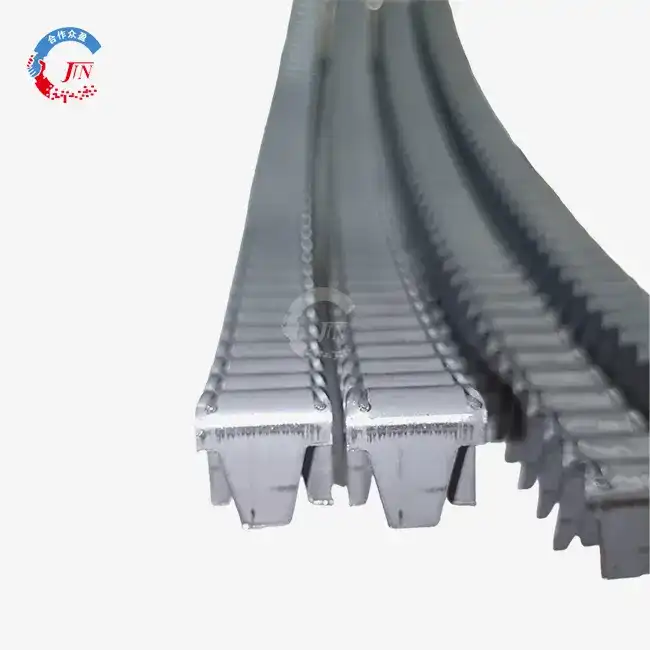
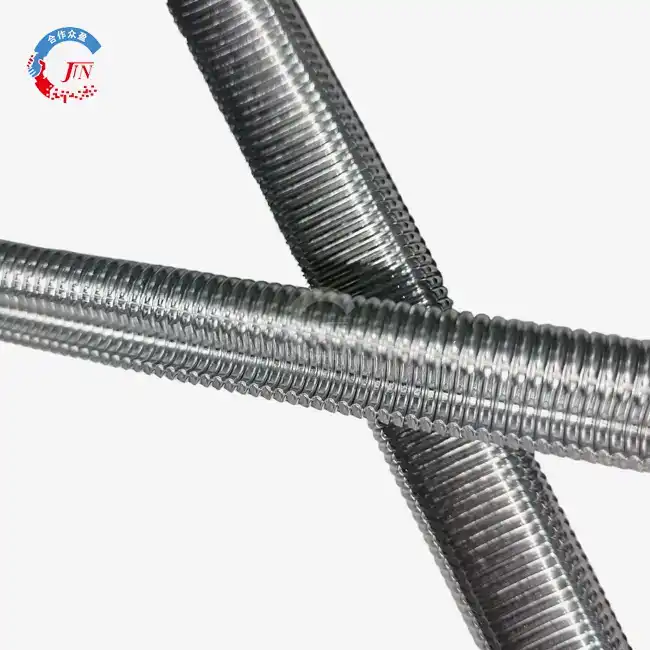
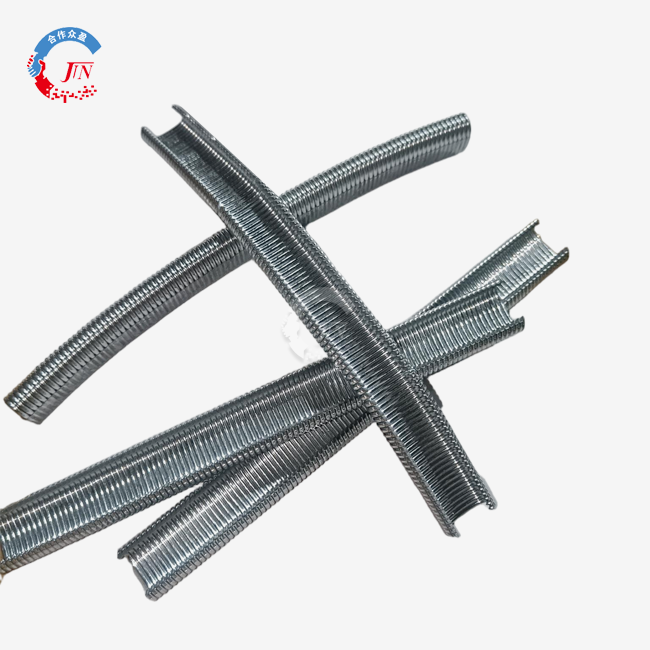
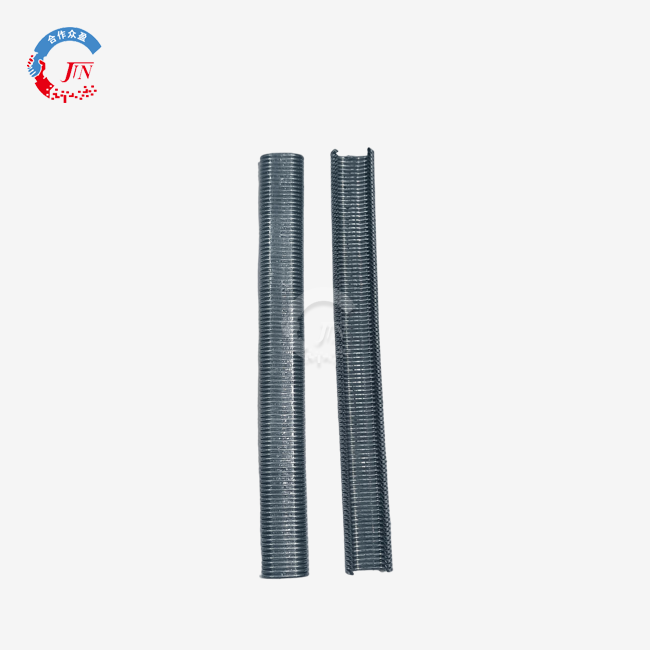
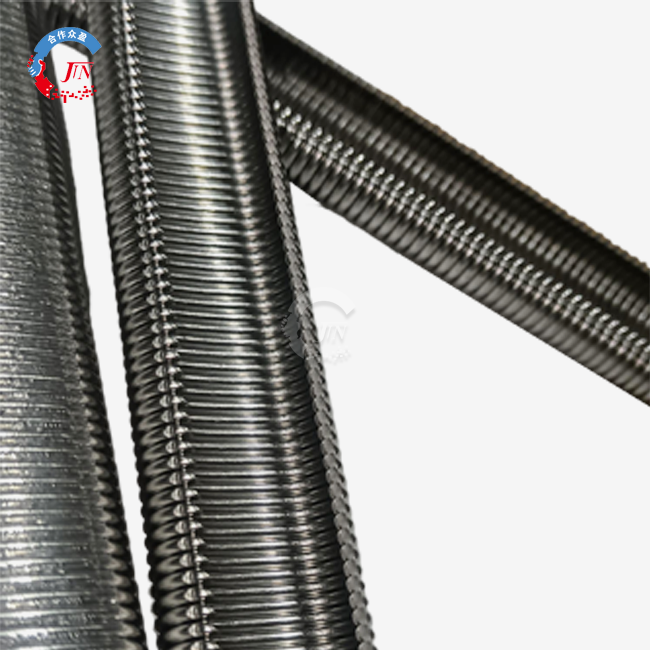
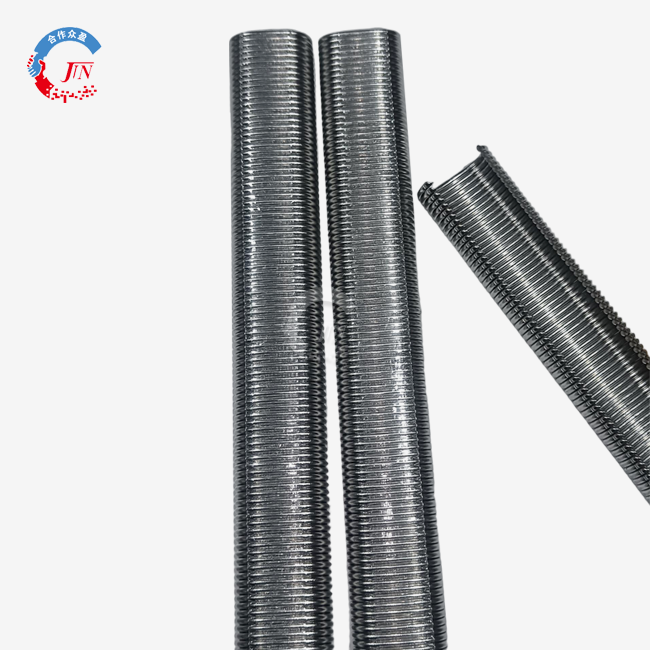
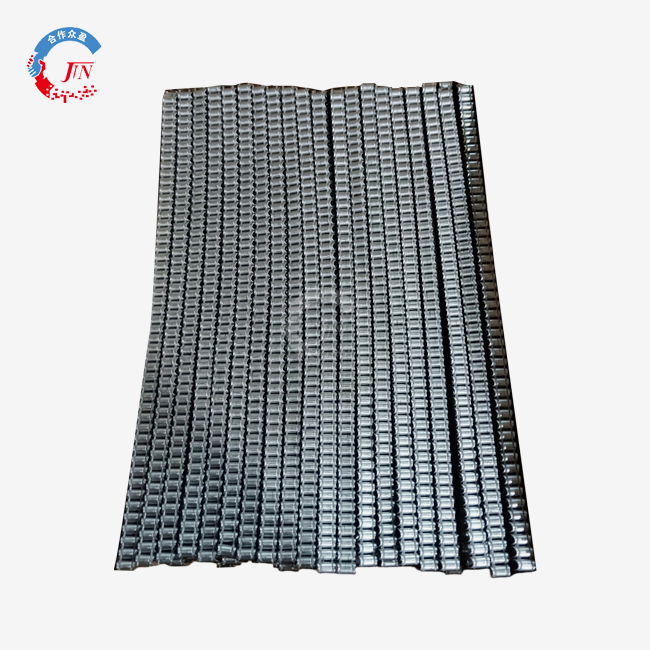
When production lines depend on consistent fastening performance, the quality of every small component matters. Wire fastening rings — also called hog rings or C-rings — are precision-engineered metal fasteners that close into a tight circular bond to secure wire-to-wire, wire-to-fabric, or wire-to-component connections. Across industries like mattress manufacturing, automotive seating, cage assembly, and construction, these rings replace labor-intensive manual tying with a faster, stronger, and more dependable solution. Choosing the right ring directly affects production uptime, product durability, and long-term operating costs.


Understanding Wire Fastening Rings: Types, Materials, and Applications
Core Types Available on the Market
Galvanized steel rings are the most common type bought by businesses. Stainless steel rings (Grade 304 or 316) are best for places that don't want to rust, and zinc-aluminum alloy (Galfan) rings are best for places that are acidic or chemically aggressive. Each type is made to meet a certain efficiency need. Wire gauges are usually between 11 GA and 16 GA, and their tensile strengths are between 600 MPa and 900 MPa. This is done to balance flexibility during closing with stiffness under load.
Material Performance and Environmental Resistance
Hot-dip galvanized rings have a layer of zinc that protects them and works well in normal indoor and outdoor conditions. Grade 316 stainless steel doesn't get pitted by salt, so it's the best choice for marine or seaside areas that are less than five miles from the ocean. Test results from ASTM B117 salt-spray show that galfan-coated rings last up to three times longer than normal galvanized Products in acidic industrial or farming settings.

Industrial Applications Across Sectors
Many different types of businesses use fastening rings. In the mattress business, they join bed springs to fabric frames. In car seats, they hold the upholstery and heating elements to the wire seat frames while the seats are constantly shaking. In the building of chicken coops, they keep wire mesh walls together while being outside for a long time. These rings also hold tons of rock under constant hydraulic pressure in gabion baskets, which are used to stop erosion.
How to Choose the Right Wire Fastening Rings for Your Cable Management Needs?
Evaluate Load Capacity and Environmental Conditions
The first thing that needs to be done is to match the ring's tensile rating to the load that it needs to hold. A ring in an indoor cable tray that doesn't move around much needs a lot more strength than one in an automotive seat assembly that is shaken every day. Before making a large buy, you should always ask your seller for a Mill Test Certificate (MTC) to check the ring's chemical make-up and heat treatment history.
Size Selection and Compatibility
The diameters of the two materials being put together plus 10 to 15 percent extra for proper overlap during closing determine the size of the wire fastening rings. When rings are too small, they make "O" seals that aren't full, which weakens the joint. Most industrial pneumatic tools need an operating pressure of 80 to 100 PSI. Rings that are too big or too small for the tool will either get stuck or close incorrectly. Always make sure that the tools will work together before buying a lot of them.
Customization and OEM Options
Specifications need to be different for each production line. Reliable suppliers let you choose the wire gauge, ring diameter, coating type, and collation format (loose or tape-collated). OEM production is available for companies that need private name packages or measurements that aren't standard. Sample-based manufacturing, in which the factory makes a copy of a physical sample that is given, is a useful way to make sure that the product fits and works well before ordering a lot of it.
Installation Guide: Best Practices for Efficient and Secure Fastening
Preparation Before Installation
Check the tool's jaw alignment and make sure the air supply pressure is between 80 and 100 PSI before installing metal fastening rings. When going through thick fabrics or geotextiles, use sharp-point rings. When connecting two wires, use blunt-point rings to lower the risk of harm and keep them from getting caught. Before you put on any rings, lay out all of the cable bundles or wire mesh panels where they will go in the end. This way, you can make changes without having to take off fasteners that are already in place.
Correct Securing Technique
Place the ring directly on top of the joint and move the tool in a smooth, controlled action. Do not use multiple partial strokes because this makes the closing uneven, which lowers the resistance to pull-out. A common mistake is over-tightening. If the ring cracks when it's closed, it's probably because the carbon wasn't properly annealed, not because the operator used too much force. If any rings break while being crimped, the whole batch should be checked for quality right away.
Ongoing Maintenance and Inspection
If the rings are installed inside, check them every six months. If they are outside or in a high-humidity area, check them every three months. Check for rust on the surface, rings that are deforming, or joints that are coming loose. If you can see corrosion on a ring, you should replace it before it moves to nearby wire mesh or cable systems. The main sign of longevity is the consistency of the coating. For example, rings that pass the ASTM B117 salt-spray test after 500 hours have much longer service intervals when used outside.
Comparing Premium vs. Budget Wire Fastening Rings: What You Need to Know?
Material Quality and Manufacturing Standards
Premium wire fastening rings are made from annealed low-carbon steel or stainless steel, and the crown width and leg length are held to within 0.05 mm of their exact measurements. This level of accuracy keeps tools from getting stuck, which is one of the most annoying and expensive problems on a production line that makes a lot of things. When budget rings are bought without checking the quality paperwork, the gage consistency often varies, which makes the seals less dependable and increases the amount of scrap that is made.
This is the main difference that production managers care about:
- Dimensional consistency: Premium rings maintain ±0.05mm tolerance, preventing pneumatic tool jams and reducing line stoppages.
- Coating thickness: Verified zinc or polymer coatings (measured in g/m²) determine the actual salt-spray hour rating — a metric budget suppliers rarely document.
- Collation integrity: Tape-collated strips must shear cleanly during tool actuation; poor adhesive formulation causes strip-feed failures that interrupt automated production.
There are direct effects on machine performance and per-unit worker costs because of these differences. A lower unit price that causes twice as much downtime is never really a cost savings.
When to Invest in Premium Products
For companies that make car parts, chicken coops, and mattresses and work multiple shifts, the cost of a single tool jamming that stops output usually goes over the price difference between premium and budget rings for a whole month's supply. If you buy directly from a manufacturer with a history of production and quality control records, you can avoid this risk while still getting a good price per unit.
Procurement Guide: How to Buy Wire Fastening Rings Online and Offline?
Vetting Suppliers and Verifying Credentials
A credible wire fastening ring supplier should provide product test reports (ASTM A641 for zinc-coated carbon steel; ISO 9227 for corrosion testing), a company business license, and sample availability before bulk orders. Request references from clients in your specific industry. Suppliers who cannot provide an MTC or coating mass verification data represent a supply quality risk for any regulated production environment.
Pricing Tiers, Bulk Orders, and Lead Times
Industrial buyers sourcing on annual supply agreements benefit from tiered pricing structures where per-unit cost drops at defined volume thresholds. A standard production lead time of 3–5 days is the benchmark for a well-stocked manufacturer. Proximity to a major port shortens international freight time and reduces cargo damage risk when shipping full pallets. Confirm minimum order quantities and prototype approval timelines before finalizing any supply agreement.
Sample Orders and Supply Chain Logistics
Most reputable suppliers accept sample-based custom orders, allowing procurement teams to validate ring dimensions, coating performance, and tool compatibility before committing to full volume. For international buyers, proximity to Tianjin Port provides a geographic advantage for export consolidation and reliable container transit times to US destinations.
Conclusion
Choosing the right wire fastening rings for your production assembly or cable management system can change the quality of the product, the amount of time the machine is up and running, and the total cost of ownership. Material grade, uniformity in dimensions, coating performance, and supplier paperwork are the things that set reliable supply apart from production problems that keep happening. No matter if you run a factory that makes mattresses, car interiors, or cages, if you get the right ring size and make sure it's always available, you won't have to worry about fastening problems. Before going big, start with a sample order to make sure the fit and performance are good.
FAQ
What factors most affect wire fastening ring durability?
Coating thickness and base material quality are the two primary durability factors. Rings tested to 500+ hours on the ASTM B117 salt-spray standard outlast standard galvanized rings in outdoor or humid environments by a significant margin.
Can fastening rings be reused after removal?
No. Once a hog ring is crimped closed, the metal deforms permanently. Attempting to re-open and re-close a ring weakens the metal structure and produces an unreliable joint. Always use a fresh ring for each new connection.
When should I choose stainless steel over galvanized?
Choose Grade 304 stainless for general corrosion resistance in clean industrial environments. Upgrade to Grade 316 for any installation within five miles of a coastline or exposed to chloride-containing cleaners. Galvanized rings remain cost-effective for dry indoor applications.
Why do rings sometimes fracture during closure?
Fracture during crimping typically indicates high carbon content or incomplete annealing during manufacturing. Request an MTC from your supplier to verify the wire's chemical heat treatment process.
What pneumatic pressure do industrial tools require?
Most industrial hog ring tools require 80–100 PSI. Insufficient pressure produces incomplete "O" closures that reduce joint strength and increase the risk of structural failure under load.
Get Reliable Wire Fastening Rings from TJJZ — Request a Sample Today
Tianjin Jinzhuang New Materials Technology Co., Ltd. (TJJZ) has been making wire fixing rings and C-ring staples nonstop since 2015. They sell them to companies around the world that make mattresses, car seats, and cages. Our goods have safe oil-film coatings, go through strict dimensional testing, and move easily through pneumatic tools without getting stuck. With a production lead time of 3–5 days, full inventory support, and a response time of 3 minutes or less for customers, we can really back up every order. Visit jinzhuangfastener.com or email userID@jinzhuangfastener.com to get samples or a bulk wire fastening rings supply price right away.
References
1. ASTM International. ASTM A641/A641M: Standard Specification for Zinc-Coated (Galvanized) Carbon Steel Wire. ASTM International, 2020.
2. ASTM International. ASTM B117: Standard Practice for Operating Salt Spray (Fog) Apparatus. ASTM International, 2019.
3. ISO. ISO 9227: Corrosion Tests in Artificial Atmospheres — Salt Spray Tests. International Organization for Standardization, 2022.
4. Parmley, Robert O. Standard Handbook of Fastening and Joining. McGraw-Hill, 1997.
5. Bickford, John H. An Introduction to the Design and Behavior of Bolted Joints. CRC Press, 2007.
6. Wire Technology International. "Advances in Galvanized and Coated Wire Products for Industrial Applications." Wire Technology International, 2021.
Learn about our latest products and discounts through SMS or email