- English
- French
- German
- Portuguese
- Spanish
- Russian
- Japanese
- Korean
- Arabic
- Greek
- German
- Turkish
- Italian
- Danish
- Romanian
- Indonesian
- Czech
- Afrikaans
- Swedish
- Polish
- Basque
- Catalan
- Esperanto
- Hindi
- Lao
- Albanian
- Amharic
- Armenian
- Azerbaijani
- Belarusian
- Bengali
- Bosnian
- Bulgarian
- Cebuano
- Chichewa
- Corsican
- Croatian
- Dutch
- Estonian
- Filipino
- Finnish
- Frisian
- Galician
- Georgian
- Gujarati
- Haitian
- Hausa
- Hawaiian
- Hebrew
- Hmong
- Hungarian
- Icelandic
- Igbo
- Javanese
- Kannada
- Kazakh
- Khmer
- Kurdish
- Kyrgyz
- Latin
- Latvian
- Lithuanian
- Luxembou..
- Macedonian
- Malagasy
- Malay
- Malayalam
- Maltese
- Maori
- Marathi
- Mongolian
- Burmese
- Nepali
- Norwegian
- Pashto
- Persian
- Punjabi
- Serbian
- Sesotho
- Sinhala
- Slovak
- Slovenian
- Somali
- Samoan
- Scots Gaelic
- Shona
- Sindhi
- Sundanese
- Swahili
- Tajik
- Tamil
- Telugu
- Thai
- Ukrainian
- Urdu
- Uzbek
- Vietnamese
- Welsh
- Xhosa
- Yiddish
- Yoruba
- Zulu
Steel Hog Rings for Livestock Fencing and Industrial Cage Assembly
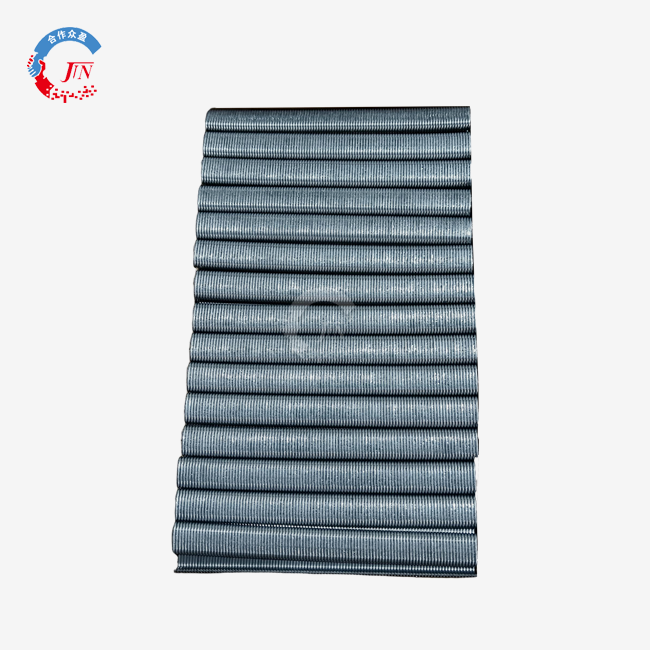
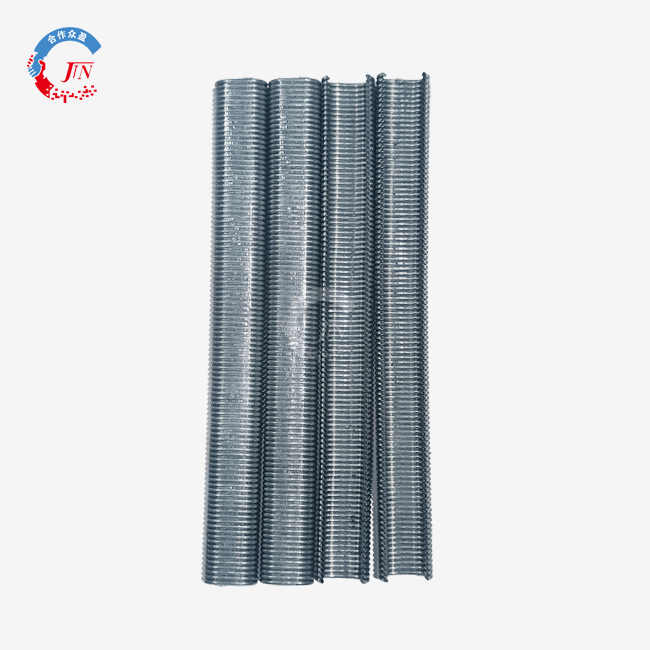
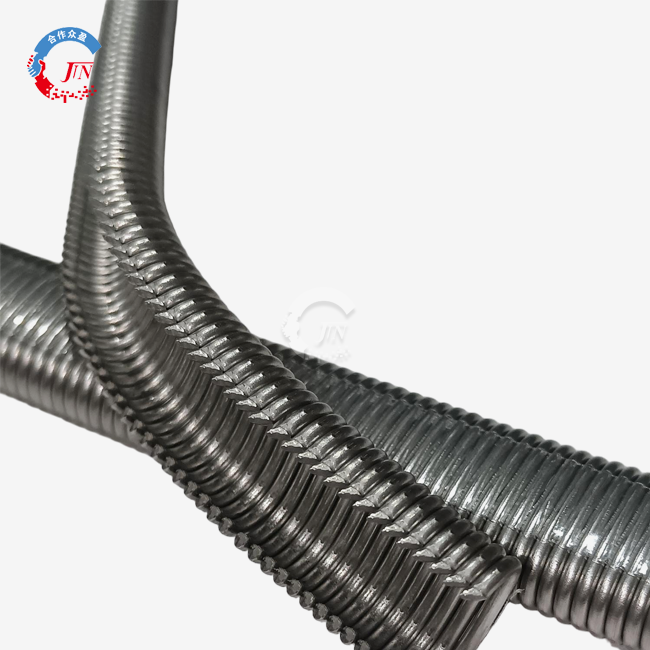
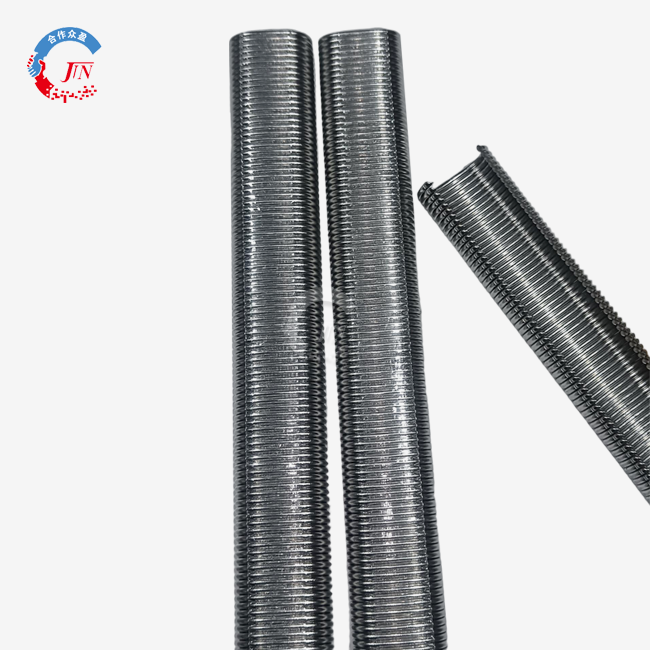
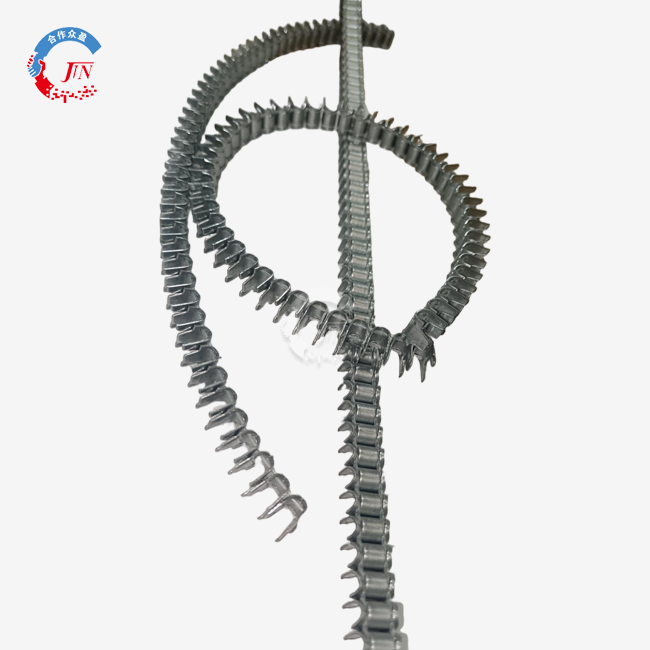
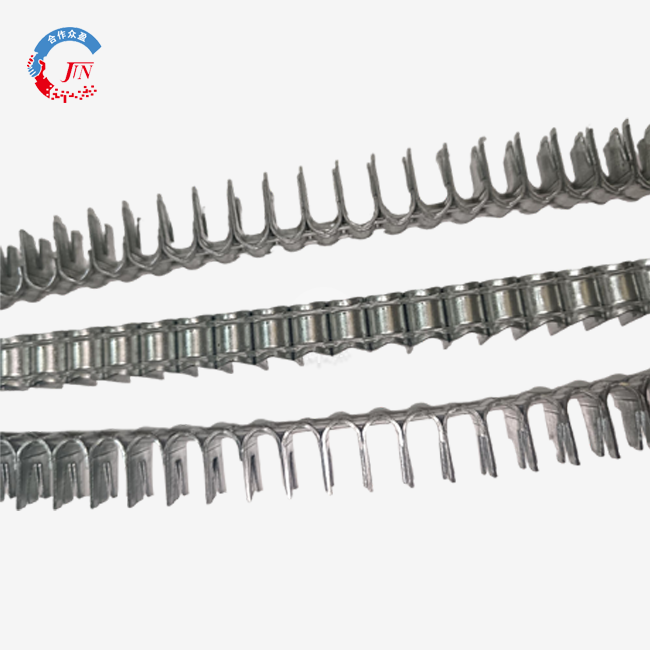
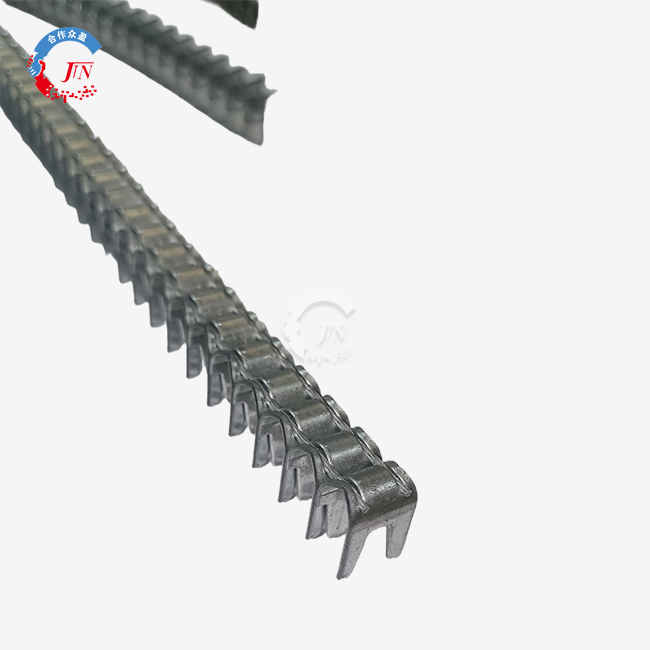
Steel hog rings are strong metal clamps in the shape of a C or D that are made from high-tensile steel wire. They are used to mechanically crimp together wire mesh, fence panels, or cage parts so that they stay together. These fasteners offer a level of structural holding power that plastic ties and hand-twisting wire just can't match in cattle fence and industrial cage assembly. Choosing the right hog ring has a direct effect on your production speed, the life of the structure, and the total cost of the materials. This is true whether you are building chicken coops, perimeter fences, or industrial containment systems.

Understanding Steel Hog Rings and Their Industrial Applications
Before sourcing in bulk, it helps to know exactly what separates one ring type from another — and why that difference matters at scale.
Types of Hog Rings
Usually, hog rings are put into groups based on their material and shape. Standard electro-galvanized (EG) rings can be used to put together an indoor cage. Hot-dip galvanized (HDG) rings have a stronger zinc layer that is better for outdoor fences that get wet, dirty, and exposed to UV light. When galvanized coatings would fail too soon if they came into contact with salt spray, acidic soil, or chemical wash-down environments, grade 304 or 316 stainless steel rings are used instead. In industrial settings, wire gauge is usually between 14ga and 16ga, and the tensile strength is between 600 MPa and 900 MPa.

Core Industrial Applications
These screws are used in a number of high-demand areas. When used for cattle fences, HDG hog rings join separate mesh panels together to make long, solid walls that can stand up to animal pressure and changes in the weather. When making cages for birds and pets, C-ring fasteners connect welded wire sections at every grid intersection. This makes structures that stay in shape even after years of daily use. In the building of gabion baskets and in civil fences, rings must keep their grip even when the ground moves and salt mist is present. For each environment, a certain combination of coating and gauge is needed.
Why Hog Rings Outperform Alternatives
Traditional wire-tying takes a lot of work and doesn't always make the joints tight enough. Plastic wire ties break down in 12 to 18 months when they are exposed to UV light outside. When crimped correctly, steel hog rings form a permanent mechanical bond that doesn't come apart when there is vibration, thermal expansion, or lateral load. A 2019 study in the Journal of Agricultural Engineering Research revealed that automatically bent metal bolts had a 40% lower joint failure rate than human wire ties when used to build fences for livestock. The study looked at the two types of fences for three years.
How to Choose the Right Steel Hog Rings for Your Projects
When you pick the wrong ring, you waste money and stop production. Purchasing managers and engineers can use this method to quickly look over options:
Key Parameters to Evaluate
You choose the right steel hog rings based on three numbers: the wire gauge, the open diameter, and the closed diameter. The open diameter needs to be larger than the combined thickness of the two wire layers being joined. The closed width must provide enough grip to secure the wires without damaging them. A 14ga steel hog ring with an HDG finish is a good choice for heavy-duty livestock fencing made with 12ga mesh wire because it offers strong fastening performance and corrosion protection. For cages made with smaller 16ga soldered wire, a 16ga EG steel hog ring can help reduce material costs while maintaining a secure joint.
Steel vs. Stainless Steel vs. Cable Ties
Every material is good for a different price and setting. Electro-galvanized rings are the cheapest and work best when it is dry inside. Hot-dip galvanized rings are a bit more expensive, but they are the standard for outdoor farm fences that are meant to last five years or more. Even though Grade 304 stainless steel rings cost more per unit, they are the only choice in places like the marine, chemical, or food processing industries where galvanized coatings would quickly rust. Cable ties don't provide long-term joint security, so they shouldn't be used for load-bearing places on structural fences or cages.
Supplier Qualification Checklist
When looking at a hog ring provider, the following things will show you if they can safely support your production:
- Dimensional consistency: Rings must hold tight gauge tolerances to feed through pneumatic tools without jamming. Poor collation or inconsistent wire diameter is the primary cause of tool stoppages on automated lines.
- Coating quality: HDG coatings should meet ASTM A641 zinc-weight standards. Rings with uneven coating develop rust spots within months under field conditions.
- MOQ and lead time: High-volume buyers need suppliers who maintain standing inventory and can ship within 3 to 5 days to prevent line stoppages.
These three things set a trustworthy long-term seller apart from a transactional provider who causes supply risk.
How to Properly Use Steel Hog Rings: Tools, Techniques, and Safety Tips
Even the best ring won't work if the way it's installed isn't consistent. The right tools and method are important.
Choosing the Right Tool
Manual hog ring tools are good for small jobs or repairs in the field. For building cages on a production line, pneumatic hog ring guns greatly improve output. Skilled workers can close 800 to 1,200 rings per hour with a pneumatic tool, compared to 150 to 200 rings per hour by hand. If you use a tool made for 3/4-inch rings on a 1/2-inch ring, the crimps won't be complete and will break when the ring is loaded.
Step-by-Step Installation Process
First, line up the two pieces of wire so that they overlap smoothly at the joint. Before putting the tool into position, wrap the steel hog rings around both wires. Fully squeeze the handle or trigger until the ring closes completely. If you only partially crimp it, a gap may remain, allowing corrosion to develop. For long fences, close the rings every 4 to 6 inches for structural panels or at every grid intersection when assembling a cage. Check the tool jaws for wear every 200 rings to ensure they can still close the rings completely.
Workplace Safety Protocols
The two main ways that hog ring installation can hurt you are by crimped wire ends and tool recoil. To protect themselves from flying wire fragments, workers should wear safety glasses and gloves that can't be cut (ANSI Level A4 or higher). If you try to clear a tool jam with your fingers inside the tool mouth, you will fail. Before you do any repair on a pneumatic gun, let the air pressure out. Having a clean work area and well-organized rings keeps you from fumbling, which can hurt your hands during fast production runs.
Procurement Insights: Buying Steel Hog Rings in Bulk and Online
When procurement managers buy in bulk, the channel and supplier structure they pick affects both the cost per unit and the reliability of the supply chain.
Sourcing Channels Compared
Online B2B marketplaces let you quickly compare prices from dozens of suppliers, but they don't usually offer technical support or production based on samples. Authorized makers who can ship directly, especially those that are close to major ports, can cut down on freight costs, shorten lead times, and guarantee consistent batch quality that marketplace middlemen can't. When buyers have an annual supply deal with a direct maker, they can get better prices, customize the packaging, and get production scheduled first.
Bulk Buying Benefits
Buying steel hog rings in pallets instead of cartons can lower the cost per unit by 15% to 25% on average. Having all production lines use the same ring standard also reduces tool wear caused by switching between different sizes. When suppliers offer full-pallet transport with low cargo damage rates, they further reduce hidden costs associated with damage claims and production interruptions.
Customization Options
Different cage designs and fence requirements call for rings with different sizes, finishes, and ways of being packed. When customers give samples to manufacturers, they can make sure that the new parts exactly match the old ones, which saves money on compatibility testing. With galvanized, zinc-aluminum alloy, and stainless steel coating options, buyers can get all of their Products from a single supplier, instead of having to deal with a bunch of different vendors.
Case Studies and Practical Examples: Optimizing Use of Steel Hog Rings
Poultry Cage Manufacturer Case
A medium-sized company in the Midwest that makes tools for poultry moved their chicken cage production line from hand-tying wires to using pneumatic hog rings. The time it took to put together each cage unit went down by 35%, and over the next two production seasons, end users almost never complained about structure failures. The most important change was that they now only bought 14ga HDG rings from a direct manufacturer with strict size tolerances. This got rid of the tool jams that were common with their old supply source.
Livestock Fencing Contractor Case
A fencing builder building high-tensile perimeter barriers for a big cow business asked for 4,000 linear feet of woven wire fence with HDG hog rings spaced every 6 inches. At 24 months after installation, there were no joint problems, even though there were two hard winters. The contractor said that getting consistent ring gauge from a good supplier was the main reason why they didn't have to do as much re-tensioning work as they did with their old fastening method.
Industrial Cage Assembly Efficiency Gain
A company that makes pet cages and has two shifts said that switching to a supplier with a 3- to 5-day replenishment lead time and standing inventory cut down on three production stops a quarter that were caused by running out of stock. The money they saved each year from not having to deal with downtime was more than the price premium they didn't pay for a more reliable supplier.
Conclusion
Steel hog rings are still the most reliable mechanical fastener for putting up livestock fences and industrial cages where long-lasting structure and resistance to rust are essential. If you choose the right gauge, finish, and supplier—one with a history of consistent dimensions, a large inventory, and quick delivery—your production line will either run easily or have to stop and start many times. As you can see from the case studies above, using the right fastening specifications every time makes the building process go faster and last longer. Setting up a direct relationship with a qualified manufacturer is the most reliable way for B2B buyers who handle regular high-volume purchases to keep costs low and supplies stable.
FAQ
What gauge ring works best for heavy-duty livestock fencing?
For livestock fencing using 12ga or 14ga welded wire mesh, a 14ga HDG hog ring provides adequate tensile strength and corrosion resistance. Lighter 16ga rings are better suited to lighter cage mesh where joint load is lower.
Can hog rings be reused after removal?
No. Steel hog rings are single-use mechanical fasteners. Removing a crimped ring deforms the metal and compromises its structural integrity. Always install a new ring at any joint that requires refastening.
How do hog rings perform compared to cable ties outdoors?
Cable ties made from nylon degrade under UV exposure and become brittle within 12 to 24 months in outdoor conditions. Steel hog rings in HDG or stainless steel maintain structural performance for five or more years under comparable field conditions.
Why do rings jam in pneumatic guns?
Jamming typically results from inconsistent wire gauge or poor collation quality. Rings manufactured to tight dimensional tolerances feed cleanly through pneumatic tooling without stoppages.
Are stainless steel hog rings food-grade safe?
Grade 316 stainless steel rings free of manufacturing lubricants meet FDA material safety standards for food-contact applications, provided installation surfaces are appropriately cleaned after assembly.
Get Your Custom Steel Hog Ring Quote from TJJZ Today
Tianjin Jinzhuang New Materials Technology Co., Ltd. (TJJZ) has been making steel hog rings and C-ring closures since 2015. They keep a stock of them and can make them in three to five days. Our rings have an oil film layer that keeps them from rusting. They also have tight size standards so that feeding doesn't get stuck, and they come in galvanized, zinc-aluminum alloy, and stainless steel grades. For sample-based production, bulk prices, or a check of the product specifications, please get in touch with our team. To get a price right away, email us at userID@jinzhuangfastener.com or go to jinzhuangfastener.com.
References
1. Journal of Agricultural Engineering Research — 2019
2. ASTM A641: Standard Specification for Zinc-Coated (Galvanized) Carbon Steel Wire — ASTM International, 2020
3. ISO 9001: Quality Management Systems — Requirements — International Organization for Standardization, 2015
4. Livestock Fencing Systems: Design, Installation and Maintenance — USDA Natural Resources Conservation Service, 2018
5. Industrial Fastener Handbook — Industrial Fasteners Institute, 2021
6. Wire and Wire Products Manufacturing: Technology and Market Trends — Freedonia Group, 2022
Learn about our latest products and discounts through SMS or email