- English
- French
- German
- Portuguese
- Spanish
- Russian
- Japanese
- Korean
- Arabic
- Greek
- German
- Turkish
- Italian
- Danish
- Romanian
- Indonesian
- Czech
- Afrikaans
- Swedish
- Polish
- Basque
- Catalan
- Esperanto
- Hindi
- Lao
- Albanian
- Amharic
- Armenian
- Azerbaijani
- Belarusian
- Bengali
- Bosnian
- Bulgarian
- Cebuano
- Chichewa
- Corsican
- Croatian
- Dutch
- Estonian
- Filipino
- Finnish
- Frisian
- Galician
- Georgian
- Gujarati
- Haitian
- Hausa
- Hawaiian
- Hebrew
- Hmong
- Hungarian
- Icelandic
- Igbo
- Javanese
- Kannada
- Kazakh
- Khmer
- Kurdish
- Kyrgyz
- Latin
- Latvian
- Lithuanian
- Luxembou..
- Macedonian
- Malagasy
- Malay
- Malayalam
- Maltese
- Maori
- Marathi
- Mongolian
- Burmese
- Nepali
- Norwegian
- Pashto
- Persian
- Punjabi
- Serbian
- Sesotho
- Sinhala
- Slovak
- Slovenian
- Somali
- Samoan
- Scots Gaelic
- Shona
- Sindhi
- Sundanese
- Swahili
- Tajik
- Tamil
- Telugu
- Thai
- Ukrainian
- Urdu
- Uzbek
- Vietnamese
- Welsh
- Xhosa
- Yiddish
- Yoruba
- Zulu
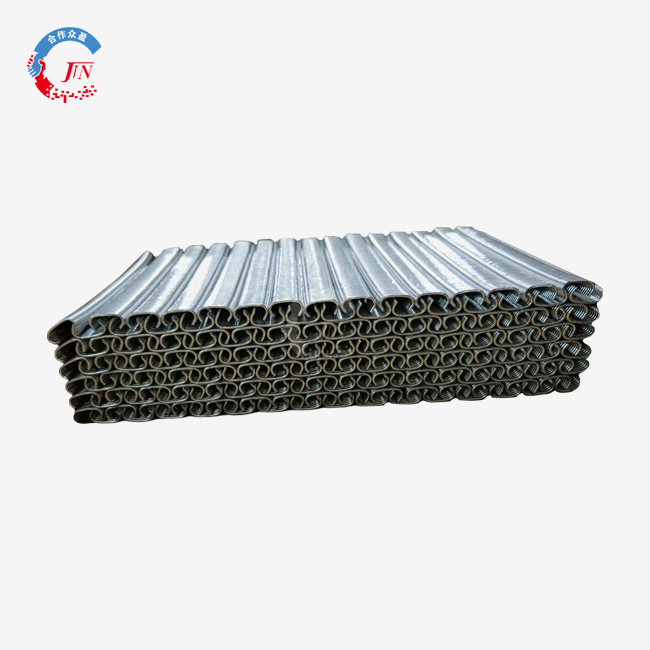
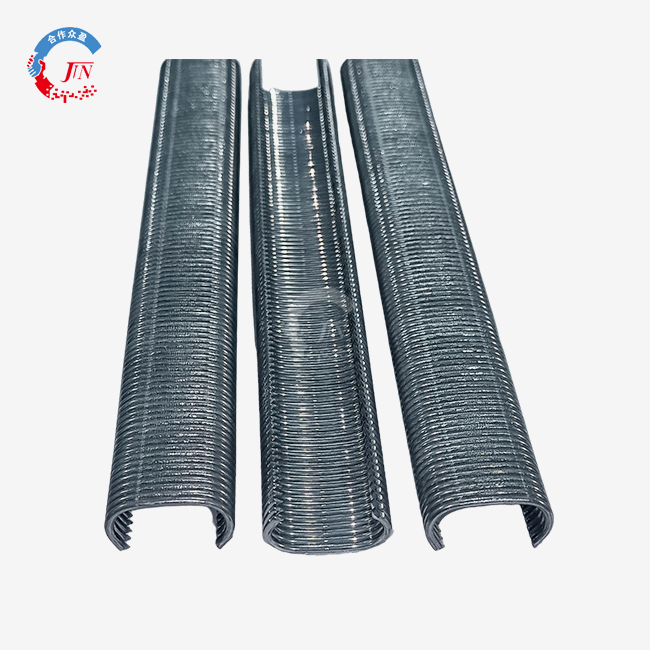
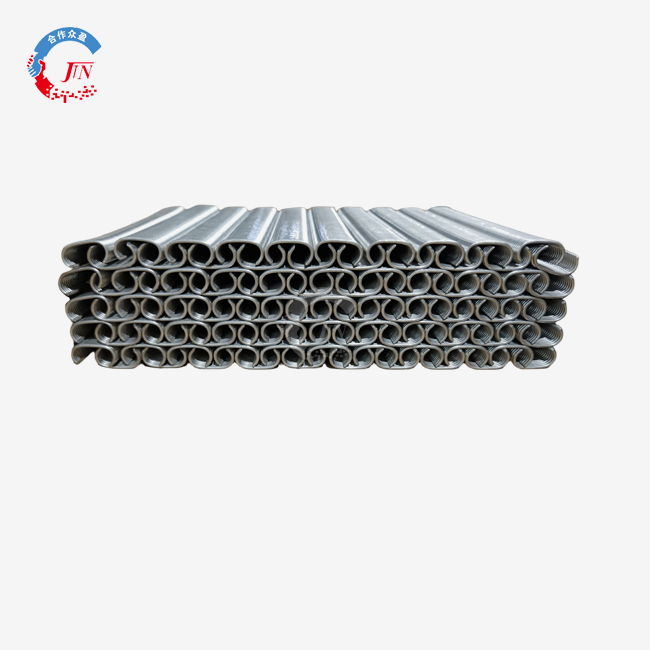
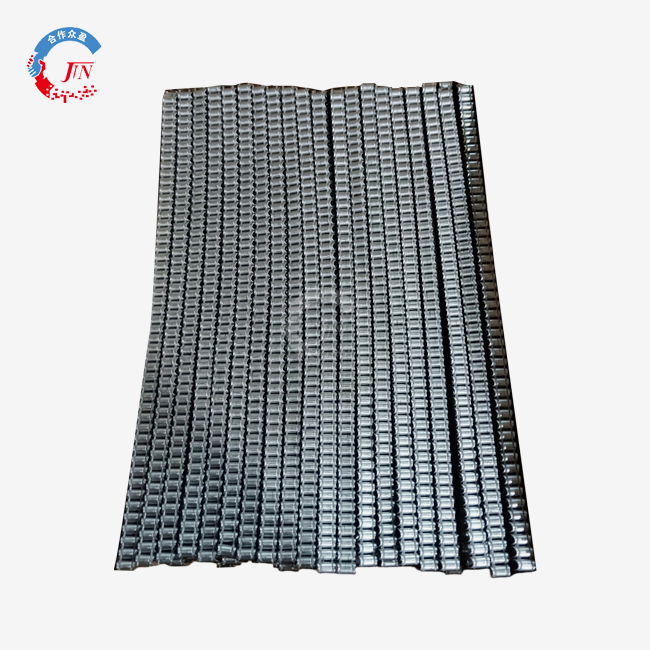
Galvanized C Type Ring for Mattress Spring and Upholstery Assembly
If you manufacture mattresses, upholstered furniture, or automotive seating at scale, you already know how much a single fastener failure can cost you. A Galvanized C Type Ring — often called a hog ring in production settings — is a small steel fastener with an outsized role in keeping your assembly line moving and your finished Products structurally sound. This guide covers everything a procurement or production professional needs to know before placing a bulk order.
Understanding Galvanized C Type Rings: Specifications and Benefits
What Is a Galvanized C Type Ring?
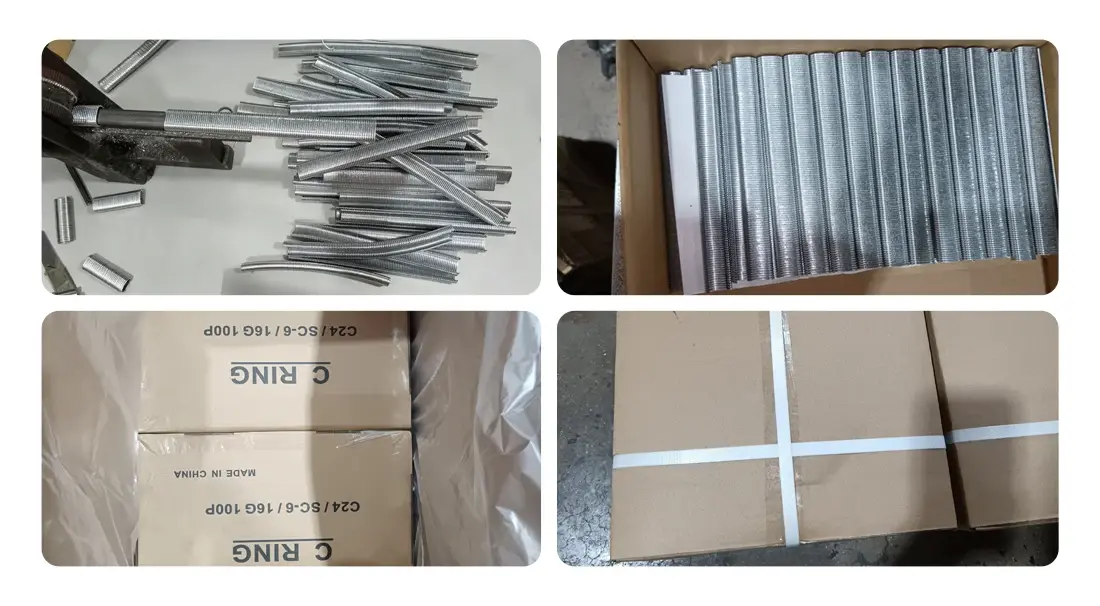
Galvanized C Type Rings are made of steel wire that has been bent into a C shape, and then zinc is added to it. This can be done by electro-galvanizing or hot-dip galvanizing. Hog ring plies make a tight circle or oval clamp when they are closed by hand or with air pressure. This stuff holds the cloth, wire springs, mesh screens, and frame parts together forever. Because of this design, the wires don't have to be tied by hand. This saves time and makes the quality of large-scale production runs more consistent.
Key Specifications to Know
Most wires are between 1.6 mm and 3.0 mm wide, and their tensile strength is between 700 MPa and 900 MPa. As long as they don't exceed certain sizes, Galvanized C Type Rings should be able to go through pneumatic tools without getting stuck. The zinc covering weight is given in grams per square meter, and it has a direct effect on how resistant something is to rusting in each of the ISO 9223 corrosivity categories. ASTM B117 says that procurement engineers should ask for salt spray test results that show red rust doesn't appear after at least 72–96 hours of contact.
Core Benefits for Production Environments
There are three ways to measure how much better Galvanized C Type Rings are than bare ones. Water can't damage them because of their zinc layer, so they last longer in damp stores and when finished goods are exposed to body heat and sweat. Because their open-width measurements are always the same, they can feed through automatic tools without getting stuck. This cuts down on line stops right away. This kind of metal resists rust just as well as stainless steel, but it costs a lot less. This helps buyers a lot, especially those who have to meet strict cost-per-unit goals for big orders.
Comparison of Galvanized C Type Rings with Other Ring Types
Galvanized vs. Stainless Steel Rings
Marine and hospital settings are the best places to use rings made of stainless steel because they don't rust or break down. But they cost a lot more per unit and damage tools more quickly. For making cushion springs and using them for upholstery inside, Galvanized C Type Rings provide enough safety without adding to the cost. A lot of companies that make mattresses and furniture find that Galvanized C Type Rings are strong enough for their needs over time.
Galvanized vs. Black Steel and Plastic Rings
Black steel rings don't have a covering that keeps them safe, so they rust quickly in places where the humidity is above 60%. When plastic rings are repeatedly pressed, they bend. This means that they can't handle the mechanical load that spring-to-fabric connections need in mattress or chair uses. Galvanized C Type Rings are in the middle when it comes to how useful they are. For building jobs, they are strong enough, won't rust for finished goods in both home and business settings, and are cheap enough to buy in bulk.
Choosing the Right Ring for Your Application
The right choice relies on four things: the cost per unit, the amount of load, the exposure setting, and how well the tools work together. You can use this framework to help you buy:
- Indoor mattress and upholstery assembly: Use electro-galvanized rings with a smooth surface finish to stack indoor beds and furniture. This will make room for tools and keep the look uniform.
- Outdoor fencing and cage assembly: Hot-dip galvanized rings with a thicker zinc covering (up to 200 g/m²) can last longer in the weather when building fences and cages outside.
- Automotive seating: Electro-galvanized rings for car seats that have been checked to make sure they fit high-speed air tools on the assembly line.
When you use an outdoor-grade ring in an upholstery tool, it can be hard to feed the material. On the other hand, when you use a thin-coated ring in a cage application, corrosion breaks down faster. You protect both the quality of your product and the life of your tools when you match the ring type to the area.
Practical Guide: Installation and Maintenance of Galvanized C Type Rings
Step-by-Step Installation Process
The first thing you need to do to properly fix Galvanized C Type Rings is pick out the right tools. For the tool's magazine, make sure the ring gauge and crown width are correct. Say you have a 16-gauge ring that you want to put into a 15-gauge tool. To use the tool, put the ring strip in the magazine and line it up over the point where the spring coil meets the border wire, or the fabric edge meets the frame. Then, press down steadily on the tool. When it's closed all the way, the ring should look like a tight circle with no gaps.
Common Installation Problems and Fixes
Some people complain that tools get stuck a lot. The Galvanized C Type Rings aren't always the same size, which is why. The magazine hole will catch rings or wire gauges with different open widths. Zinc buildup from a layer that doesn't stick well and flakes inside the tool is another reason. Before you load, make sure the ring strips are all the same thickness and that the surface is smooth. Be sure there is no glue left behind. Make sure the driver blade is not worn if the tool keeps getting stuck.
Maintenance and Inspection Schedule
For quality control, rings that are already on finished furniture or beds should be checked. Things that have been kept should have white rust on them. When Galvanized C Type Rings are kept in damp places with not enough airflow, this kind of surface corrosion takes place. When ring strips are packed with vapor corrosion inhibitor (VCI), keep them somewhere dry. Once a week, clean the magazine channel on production tools and change the driver blades when the maker tells you to. The closure force will stay the same.
Procurement Considerations for Global B2B Buyers
Minimum Order Quantities and Pricing Structure
The prices of most companies that make Galvanized C Type Rings are set by the thousand or the box. As the order size goes up, the unit costs start to go down a lot. Talk to sellers about blanket purchase agreements, which lock in prices for a certain amount of time. This is good for buyers who have production lines that are always running. This keeps the price of Galvanized C Type Rings from altering as the price of steel wire raw materials does.
Evaluating Supplier Quality and Reliability
A trustworthy company will give you examples from current production customers, as well as salt spray test certificates and reports on the size and shape of the products. Ask directly about how well the layer sticks. Making sure that the zinc layer doesn't flake off when the wire bends during crimping is important for the smooth running of production. The mandrel wrap test does this. For long-term supply ties, you should only work with suppliers who have clear quality control systems and a track record of steady production that goes back at least to 2015. This proves the supplier is ready to do business.
Lead Times, Logistics, and Customization
Lead times for large orders from well-known manufacturers are usually 3–5 production days, but items that are already in stock can be sent out faster. When people from other countries buy from suppliers close to major export ports, they are less likely to be ripped off. When an OEM wants to make changes, like using non-standard wire gauges, coating weights, or packing shapes, they can do so by using their own tooling facilities. Ask for samples in person before you commit to a production run to make sure the sizes work with your pneumatic tools.
Industrial Applications and Future Trends of Galvanized C Type Rings
Applications Beyond Mattress Assembly
That's not all that Galvanized C Type Rings are used for. It is directly related to how long the goods will last when people who make farming tools build chicken coops and animal pens. How stable the buildings are and how well they fight corrosion. In construction, they hold down ceiling grid panels and link wire mesh to make concrete forms stronger. Heavy-gauge steel rings keep gabion baskets and wire loops together while they are being shipped overseas.
Automotive and Furniture Industry Demand
Tier 1 and Tier 2 car seat providers need Galvanized C Type Rings that are the same size for automated upholstery lines. It costs the company money when the open width of a ring is off by 0.1 mm because it can jam tools and stop a line. Companies that make sofas and office chairs need rings with smooth, oil-coated surfaces so that finished goods don't rust in shops when they get there.
Sustainability and Supply Chain Trends
This technology has made zinc-aluminum alloy coatings better over time. They are now more resistant to rust and have lower covering weights. The amount of raw materials used per unit goes down without changing how well it works. More and more, buyers are asking suppliers for proof of the materials they use and the coating process. This is done to make the supply chain more open. In the future, manufacturers will be able to meet these needs better if they spend money on welding methods that are cleaner.
Conclusion
It's not enough to just decide to buy the right Galvanized C Type Ring clip for your production line. It changes how quickly you can put things together, how good the final product is, and how much it costs you to run your business in the long run. Getting and making things can go more smoothly if the teams in charge of buying and making things know the technical differences between coating types, the sizes their tools need, and how their supplier handles logistics.
FAQ
What is the difference between hot-dip and electro-galvanized C rings?
With hot-dip galvanizing, a thicker layer of zinc (up to 200 g/m²) is added. This makes it better for outdoor use in humid conditions, like making walls and cages. An electro-galvanized finish is thinner and smoother, which makes it better for furniture and car seats where tool clearance and the way the surface looks are important.
Will these rings work with any pneumatic hog ring tool?
No, the tool's magazine must match the ring gauge and crown width. For a 16-gauge ring, you need a tool that is set up for that size. Before you order a lot of them, make sure they will all work with each other.
How do I prevent white rust on stored ring inventory?
It is best to keep Galvanized C Type Rings in a dry, well-ventilated area and to use VCI (vapor corrosion inhibitor) packing. Keep things away from concrete floors and wet surfaces while they are being stored.
Can I order custom sizes or coatings?
Yes. People who work for companies like TJJZ and make their own tools can help with sample-based production for wire gauges, coating specs, and non-standard packaging forms.
What lead times should I expect for bulk orders?
The normal production wait time for well-known product lines is three to five days. Things that are in stock can be sent out faster, though. Before you set a date for production, make sure your supplier is available by calling them.
Request a Quote from TJJZ — Galvanized C Type Ring Supplier
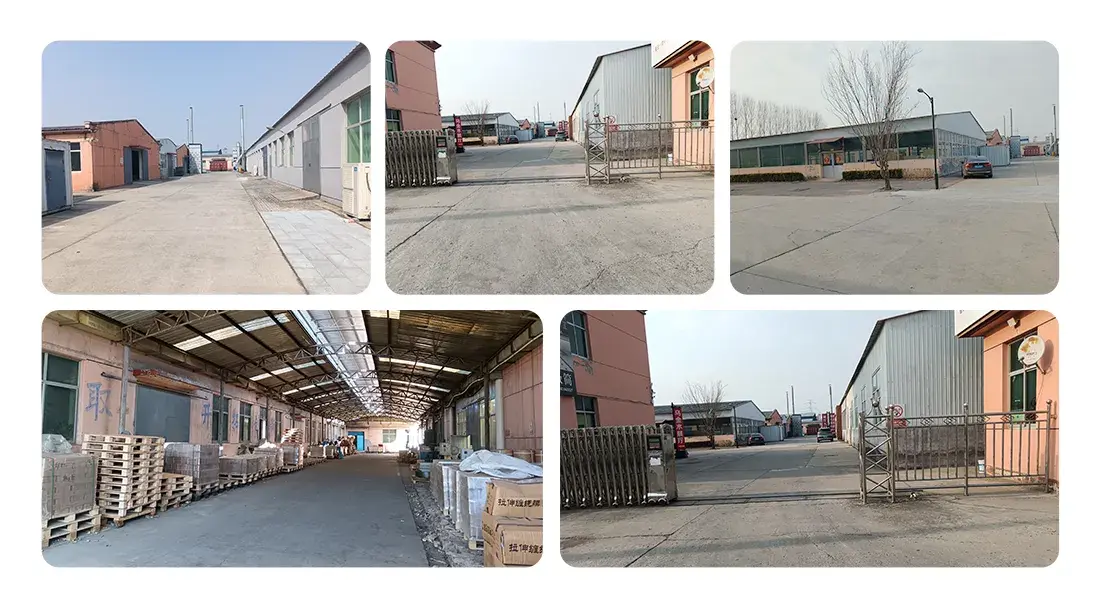
TJJZ has made and sold Galvanized C Type Rings since 2015. Our goods don't have any glue left over, so tools can move through them without getting stuck. They've also been tested to make sure they won't rust. For less damage to the goods, they also ship from Tianjin Port with full-pallet operations. We can make changes for OEMs and respond to questions in three minutes or less. To get samples or a price quote for buying in bulk, email our team at userID@jinzhuangfastener.com or visit jinzhuangfastener.com.
References
1. ASTM International. ASTM B117: Standard Practice for Operating Salt Spray (Fog) Apparatus. ASTM International, 2019.
2. ASTM International. ASTM A641: Standard Specification for Zinc-Coated (Galvanized) Carbon Steel Wire. ASTM International, 2020.
3. International Organization for Standardization. ISO 9223: Corrosion of Metals and Alloys — Corrosivity of Atmospheres — Classification, Determination and Estimation. ISO, 2012.
4. European Committee for Standardization. EN 10244-2: Steel Wire and Wire Products — Non-Ferrous Metallic Coatings on Steel Wire — Zinc or Zinc Alloy Coatings. CEN, 2009.
5. Marder, A. R. "The Metallurgy of Zinc-Coated Steel." Progress in Materials Science, Elsevier, 2000.
6. Schweitzer, P. A. Corrosion Engineering Handbook: Corrosion of Linings and Coatings. CRC Press, 2006.
Learn about our latest products and discounts through SMS or email