- English
- French
- German
- Portuguese
- Spanish
- Russian
- Japanese
- Korean
- Arabic
- Greek
- German
- Turkish
- Italian
- Danish
- Romanian
- Indonesian
- Czech
- Afrikaans
- Swedish
- Polish
- Basque
- Catalan
- Esperanto
- Hindi
- Lao
- Albanian
- Amharic
- Armenian
- Azerbaijani
- Belarusian
- Bengali
- Bosnian
- Bulgarian
- Cebuano
- Chichewa
- Corsican
- Croatian
- Dutch
- Estonian
- Filipino
- Finnish
- Frisian
- Galician
- Georgian
- Gujarati
- Haitian
- Hausa
- Hawaiian
- Hebrew
- Hmong
- Hungarian
- Icelandic
- Igbo
- Javanese
- Kannada
- Kazakh
- Khmer
- Kurdish
- Kyrgyz
- Latin
- Latvian
- Lithuanian
- Luxembou..
- Macedonian
- Malagasy
- Malay
- Malayalam
- Maltese
- Maori
- Marathi
- Mongolian
- Burmese
- Nepali
- Norwegian
- Pashto
- Persian
- Punjabi
- Serbian
- Sesotho
- Sinhala
- Slovak
- Slovenian
- Somali
- Samoan
- Scots Gaelic
- Shona
- Sindhi
- Sundanese
- Swahili
- Tajik
- Tamil
- Telugu
- Thai
- Ukrainian
- Urdu
- Uzbek
- Vietnamese
- Welsh
- Xhosa
- Yiddish
- Yoruba
- Zulu
How to Select Galvanized C Type Rings for Livestock Fence Production
Selecting the right galvanized C type ring for livestock fence production starts with understanding wire gauge, zinc coating weight, and dimensional tolerance. For outdoor agricultural fencing, hot-dip galvanized rings with a coating mass of at least 60 g/m² offer the durability needed against moisture, soil acids, and UV exposure. Ring size must match both the mesh wire diameter and your pneumatic tool's magazine specs. Prioritize suppliers who provide salt spray test data, dimensional consistency reports, and fast replenishment cycles. Getting these basics right protects your fence investment and keeps production lines running without interruption.


Understanding Galvanized C Type Rings: Definition, Composition, and Benefits
It helps me know exactly what these screws are and how their design affects how well they work in the field before I buy them.
What Is a Galvanized C Type Ring?
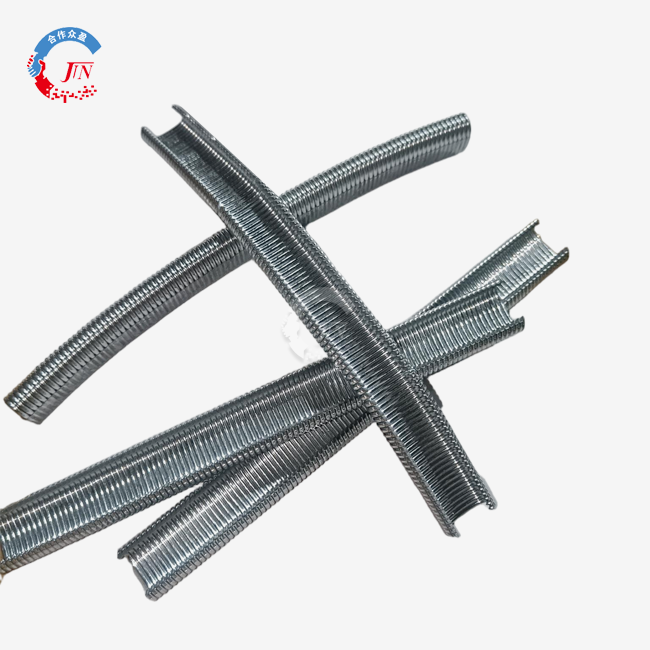
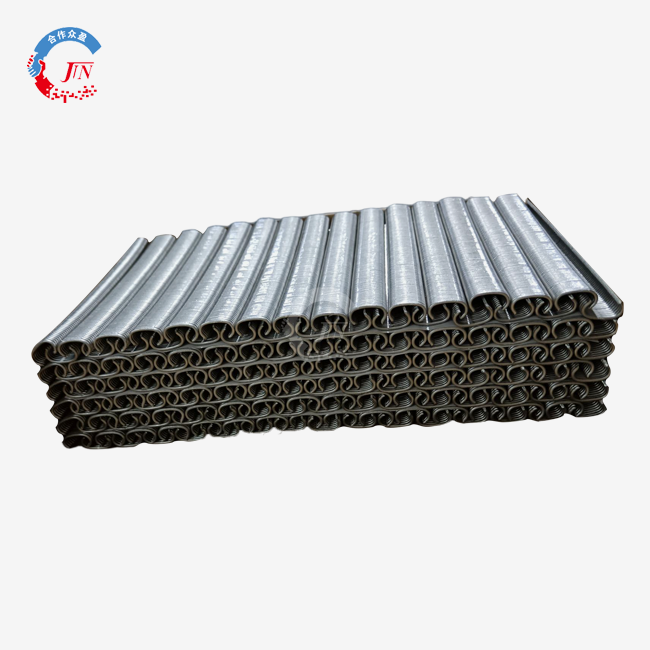
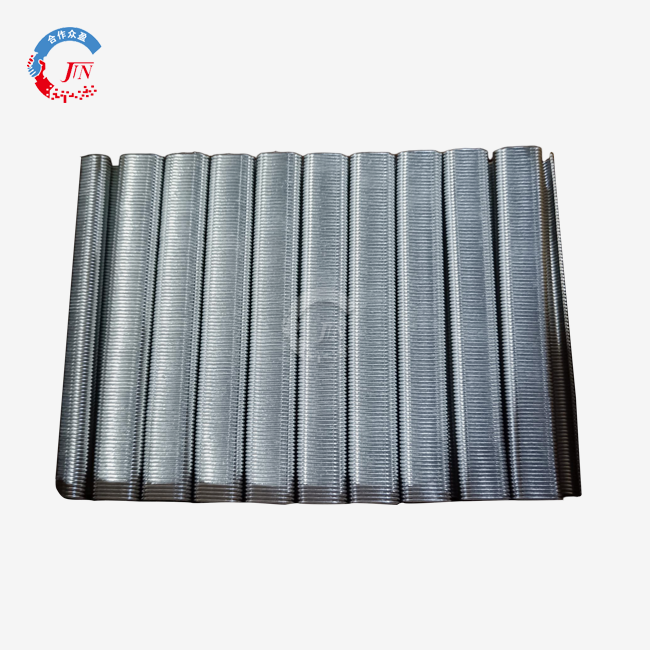
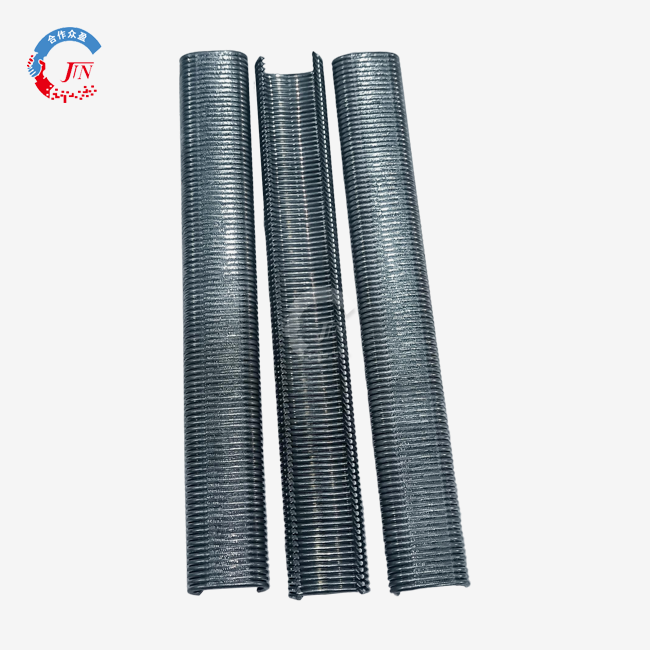
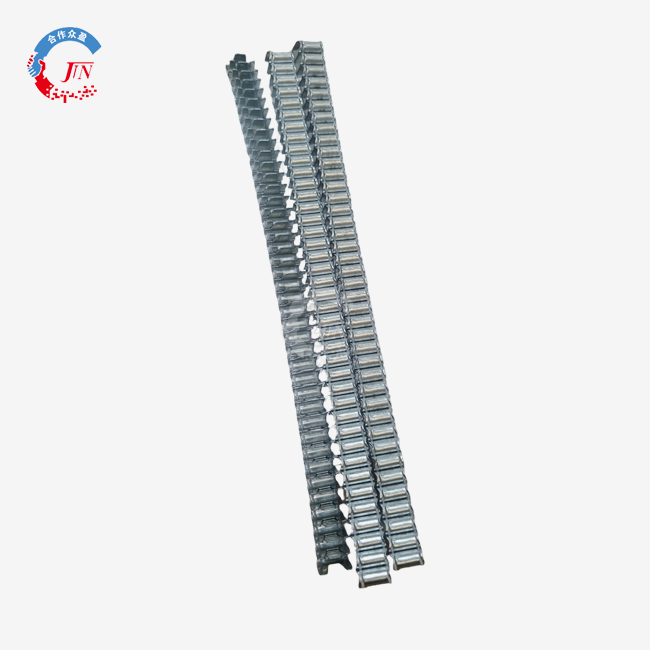
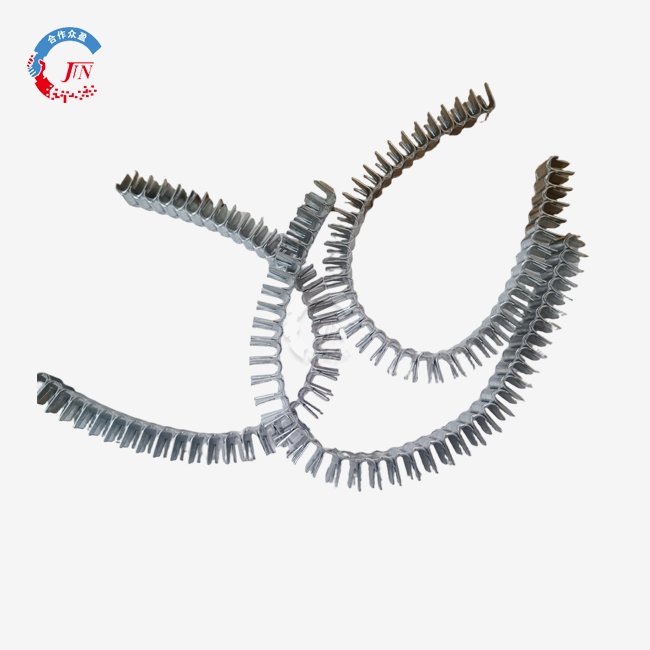
In the business world, a Galvanized C Type Ring is sometimes called a hog ring. It is a steel wire fastening that looks like the letter "C." It closes into a safe circle or oval loop when crimped with a mechanical or hand tool. It holds wire intersections together, connects mesh sections, and attaches fencing materials to structural frames. The diameter of wire is usually between 1.6 mm and 3.0 mm, and its tensile strength is more than 700–900 MPa. This means that it can hold the structural load that livestock fence systems need.
Hot-Dip vs. Electro-Galvanized: Which Coating Works Better Outdoors?
In hot-dip galvanizing, steel wire is dipped in molten zinc, which forms a coating that can be up to 200 g/m² thick. This gives good protection in corrosivity groups C4 and C5, which are places with a lot of moisture, salty coastal air, or chemical-filled farming air. Electro-galvanized rings have a finish that is thinner and smoother, making them better for use with fabric inside. Most of the time, hot-dip is the more durable choice for fencing around livestock in open fields. ASTM A641 says that the zinc layer must be able to stand up to a mandrel wrap test without flaking or peeling.

Galvanized vs. Stainless Steel vs. Zinc-Plated Rings
Stainless steel bands (Grade 316) are the most corrosion-resistant, especially in coastal or high-salinity areas, but they cost three to five times as much. Standard rings that are zinc-plated cost less up front, but their coats are lighter and wear off faster outside. The best thing about galvanized rings is that they don't rust, last a long time, and don't cost a lot of money. This is why they are the usual choice for industrial fencing, gabion mesh systems, and cage assembly.
Key Criteria for Selecting Galvanized C Type Rings in Livestock Fence Production
Choosing the wrong ring specification leads to structural failure, increased maintenance, or production downtime. These three areas matter most.
Size Accuracy and Dimensional Consistency
Ring dimensions — specifically the open crown width and wire gauge — must match your pneumatic C-ring tool's magazine tolerances precisely. A ring that is even 0.1 mm oversized can cause tool jamming, halting your production line. For livestock fencing, rings in the 14-gauge to 17-gauge range are common, but always verify compatibility with your equipment before placing bulk orders. Reputable suppliers provide dimensional tolerance sheets and are willing to ship test samples before full production runs.
Zinc Coating Weight and Environmental Resistance
Coating mass directly determines how long a fence ring survives outdoors. A minimum of 60 g/m² is acceptable for moderate climates, while high-humidity or coastal environments should target 90–120 g/m² or higher. Request ASTM B117 salt spray test results from your supplier — Galvanized C Type Ring rings intended for outdoor agricultural use should show no red rust after 72–96 hours of exposure. This single data point tells you more about real-world corrosion performance than any product description paragraph.
Maintenance Requirements and Long-Term Durability
A well-galvanized ring installed correctly in a livestock fence requires minimal maintenance. Periodic visual inspections — checking for white rust accumulation, which indicates zinc depletion — help forecast replacement schedules. Storing unused rings in dry, ventilated conditions with VCI (Vapor Corrosion Inhibitor) packaging prevents premature oxidation during inventory hold periods. Choosing rings with adequate coating thickness from the start significantly reduces the frequency and cost of fence repairs over a 5–10 year service life.
Procurement Considerations: How to Source the Best Galvanized C Type Rings?
Sourcing choices aren't just based on price. Your total operational cost is affected by how trustworthy your supplier is, how quickly they deliver, and how much you can change things.
How to Evaluate a Galvanized C Ring Supplier
Ask for third-party test certifications, like salt spray test reports, zinc coating mass data, and documentation on dimensional tolerances. Find out if the company follows the ASTM A641 or EN 10244 guidelines. An audit of the factory or a list of verified customer references gives you even more peace of mind. Tianjin Jinzhuang New Materials Technology Co., Ltd. (TJJZ), which was founded in 2015, has strict quality control from the time we receive raw materials until we ship out the finished product. If you need proof of this, you can ask for consistent test documentation.
Pricing, MOQ, and Lead Time Planning
When making large orders, production managers always put these key buying factors at the top of their list:
- Bulk pricing tiers: Volume discounts typically apply at order thresholds of 500 kg or more; confirm exact brackets with the supplier before finalizing your annual purchase agreement.
- Minimum order quantities (MOQ): MOQ varies by wire gauge and coating type; standard galvanized rings often carry lower MOQs than specialty coatings.
- Production lead time: TJJZ maintains sufficient standing inventory with a standard production lead time of 3–5 days, which supports uninterrupted fence production schedules.
- Delivery reliability: Our location near Tianjin Port allows full-pallet transport with a low cargo damage rate, supporting international supply chains across North America and Europe.
Delivery reliability: Because we are close to Tianjin Port, we can transport full pallets of Galvanized C Type Ring with little damage, which helps international supply chains in North America and Europe.
Customization and Global Shipping Options
The specs for each fence system are different. Sample-based manufacturing is possible at TJJZ. Just send us a sample or technical drawing, and we'll make something that matches it. Wire gauge, ring crown width, zinc coating weight, surface treatment (standard galvanized, zinc-aluminum alloy, or stainless steel), and packaging format are some of the things that can be changed to make the product unique. For buyers from around the world, we take care of the export paperwork and work with trusted freight partners to ship to markets in North America and Europe under standard international trade terms.
Making the Final Decision: Best Practices for B2B Livestock Fence Projects
Match Ring Specifications to Project Load and Environment
Before you decide on a product, compare the load needs of the fence system to the specs of the ring. A high-density chicken coop with tightly woven mesh puts different amounts of stress on the sides than an open fence for animals. To keep the clamping force constant, the mesh wire size must match the ring wire gauge and crimp closure diameter. For work in high-corrosion areas (ISO C4–C5), ask for hot-dip galvanized rings and make sure the coating weight is correct by trying it, not just reading the labels.
Calculate Total Cost of Ownership (TCO)
The unit price is only one part of the total cost. If you buy a cheaper ring with a zinc coating that isn't up to par, you might have to repair the whole fence within two to three years. On the other hand, a hot-dip galvanized ring that is properly described can last 8 to 12 years in normal farming conditions. When figuring out the total cost of ownership (TCO), you should include the cost of work for reinstallation, production delays from tool jams caused by different ring sizes, and the cost of keeping new parts in stock. Investing in rings that are the right size and have the right coating always leads to lower total costs per fence meter over the asset's lifetime.
Lessons from North American and European Implementations
Agricultural fence makers in the U.S. When livestock markets in the Midwest and Europe switched to hot-dip galvanized hog rings of consistent sizes, they saw a clear increase in production efficiency. The main benefit that has been recorded is a big drop in tool jams, which is closely linked to tighter tolerances for dimensions. Working with makers who keep stock on hand instead of only making things when they are ordered has other benefits as well, such as longer fence care intervals and fewer supply chain disruptions caused by suppliers.
Conclusion
There are three things that are most important when choosing a Galvanized C Type Ring for making a livestock fence: accurate specifications, proven coating performance, and a supplier who can deliver on time. Downtime can be avoided by matching the wire gauge to your tool and mesh system. Your long-term investment will be safe if you confirm the zinc coating weight through recorded salt spray tests. Your production plan will be safe if you work with a maker that keeps stock on hand and lets you make changes. If you do these three things right, your fence system will last longer and need fewer repairs.
FAQ
What is the difference between hot-dip and electro-galvanized C rings for fencing?
Hot-dip galvanized rings have a thicker zinc layer (up to 200 g/m²), which makes them ideal for animal fencing outside where they will be exposed to dirt and water. Electro-galvanized rings are better for indoor uses like putting together furniture or mattresses because the coating is thinner and the finish is smoother.
Will galvanized C rings fit any pneumatic tool?
No, the size of the ring depends on the gauge. The crown width and wire diameter must match the magazine specs for your tool. Always make sure that the Products will work together before getting in bulk. TJJZ offers paperwork on measurement tolerances and sample kits for checking before production.
How should I store galvanized rings to prevent white rust?
Keep rings in a dry, well-ventilated area by putting them in VCI packaging that stops condensation of moisture. Zinc reacts with water and carbon dioxide to make white rust, which is zinc hydroxide. This is a sign that the coating is breaking down too quickly, so lower the humidity in the storage area to stop it.
What is the standard lead time for bulk orders?
TJJZ keeps stock on hand, and the usual time between production and shipping is 3–5 days. Responding to customer questions takes three minutes during business hours.
Can galvanized rings be used in high-salinity coastal environments?
In marine environments, standard galvanized rings don't last as long. For uses near the coast or in places with a lot of salt, choose high-aluminum coated coats or Grade 316 stainless steel rings.
Get a Quote from TJJZ — Your Galvanized C Ring Manufacturer
Galvanized C Type Rings have been sold by TJJZ to customers in agriculture, cage manufacturing, and fencing since 2015. Our rings don't leave behind any sticky residue, feed easily without getting stuck, and ship from Tianjin Port in 3–5 days. Get a sample kit or a price that fits your needs right now. You can email us at userID@jinzhuangfastener.com or go to jinzhuangfastener.com to see our full list of products and talk to our purchasing team.
References
1. ASTM International. ASTM A641/A641M: Standard Specification for Zinc-Coated (Galvanized) Carbon Steel Wire. ASTM International, 2020.
2. ISO. ISO 9223: Corrosion of Metals and Alloys — Corrosivity of Atmospheres — Classification, Determination and Estimation. International Organization for Standardization, 2012.
3. ASTM International. ASTM B117: Standard Practice for Operating Salt Spray (Fog) Apparatus. ASTM International, 2019.
4. European Committee for Standardization. EN 10244-2: Steel Wire and Wire Products — Non-ferrous Metallic Coatings on Steel Wire — Part 2: Zinc or Zinc Alloy Coatings. CEN, 2009.
5. American Galvanizers Association. Hot-Dip Galvanizing for Corrosion Protection: A Specifier's Guide. AGA, 2021.
6. Farm & Ranch Fencing Council. Best Practices for Agricultural Fencing Materials and Fastener Selection. FRFC Industry Report, 2022.
Learn about our latest products and discounts through SMS or email