- English
- French
- German
- Portuguese
- Spanish
- Russian
- Japanese
- Korean
- Arabic
- Greek
- German
- Turkish
- Italian
- Danish
- Romanian
- Indonesian
- Czech
- Afrikaans
- Swedish
- Polish
- Basque
- Catalan
- Esperanto
- Hindi
- Lao
- Albanian
- Amharic
- Armenian
- Azerbaijani
- Belarusian
- Bengali
- Bosnian
- Bulgarian
- Cebuano
- Chichewa
- Corsican
- Croatian
- Dutch
- Estonian
- Filipino
- Finnish
- Frisian
- Galician
- Georgian
- Gujarati
- Haitian
- Hausa
- Hawaiian
- Hebrew
- Hmong
- Hungarian
- Icelandic
- Igbo
- Javanese
- Kannada
- Kazakh
- Khmer
- Kurdish
- Kyrgyz
- Latin
- Latvian
- Lithuanian
- Luxembou..
- Macedonian
- Malagasy
- Malay
- Malayalam
- Maltese
- Maori
- Marathi
- Mongolian
- Burmese
- Nepali
- Norwegian
- Pashto
- Persian
- Punjabi
- Serbian
- Sesotho
- Sinhala
- Slovak
- Slovenian
- Somali
- Samoan
- Scots Gaelic
- Shona
- Sindhi
- Sundanese
- Swahili
- Tajik
- Tamil
- Telugu
- Thai
- Ukrainian
- Urdu
- Uzbek
- Vietnamese
- Welsh
- Xhosa
- Yiddish
- Yoruba
- Zulu
Steel Hog Rings for Heavy-Duty Wire Mesh Manufacturing
When production managers and procurement teams search for reliable fastening solutions in wire mesh manufacturing, steel hog rings consistently come up as the preferred choice. These C-shaped or D-shaped metal fasteners, crimped mechanically around wire intersections, deliver the tensile strength and corrosion resistance that industrial applications demand. Whether you are assembling gabion baskets, chicken cages, security fencing, or agricultural mesh panels, the right hog ring specification directly affects structural integrity, production speed, and long-term durability.

Understanding Steel Hog Rings and Their Role in Wire Mesh Manufacturing
What Are Steel Hog Rings?
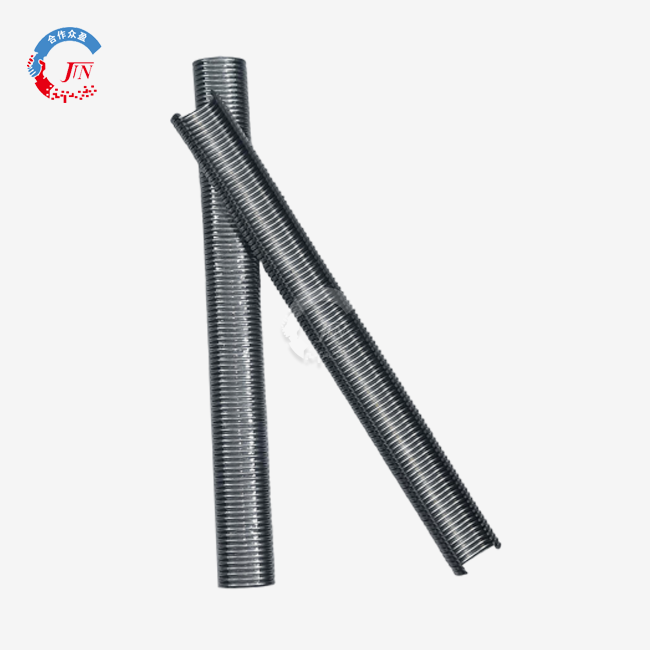
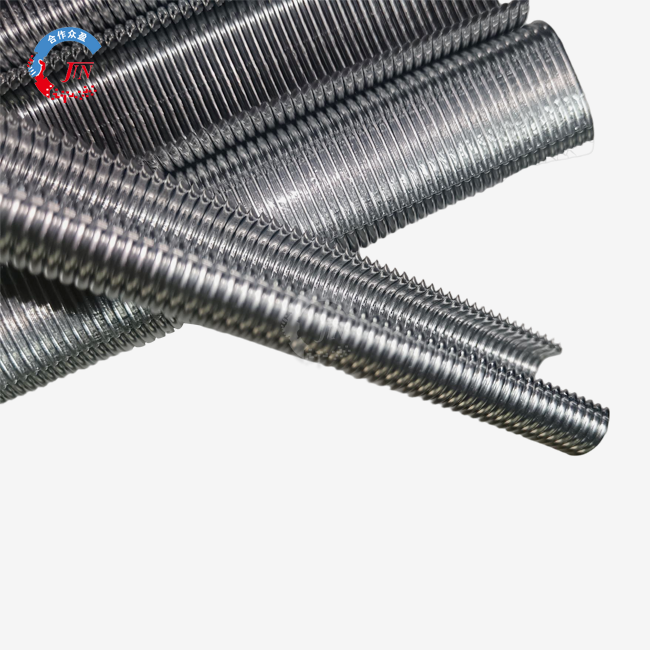
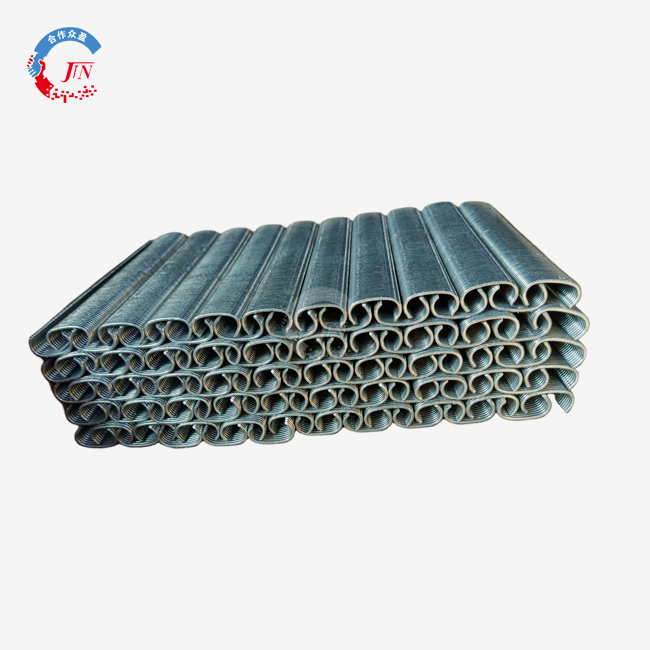
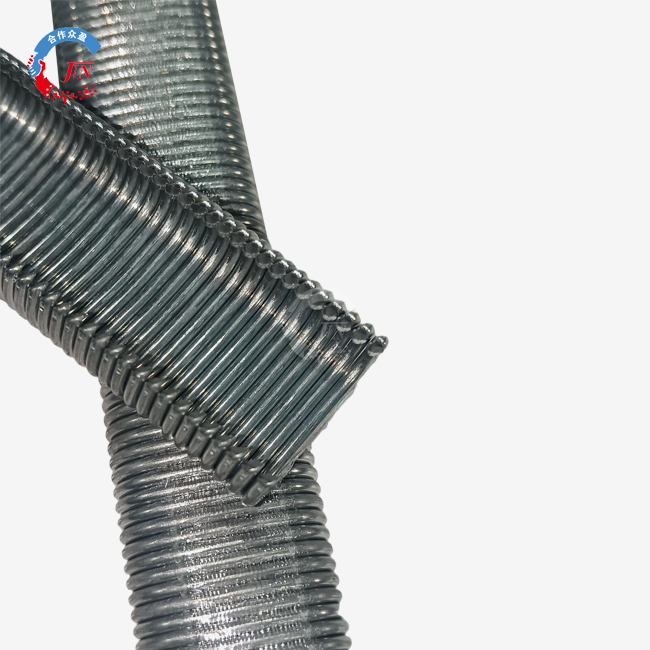
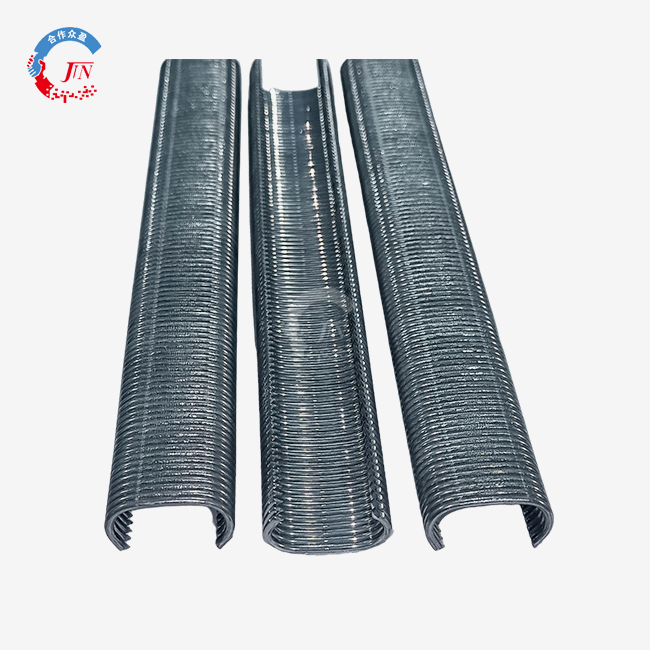
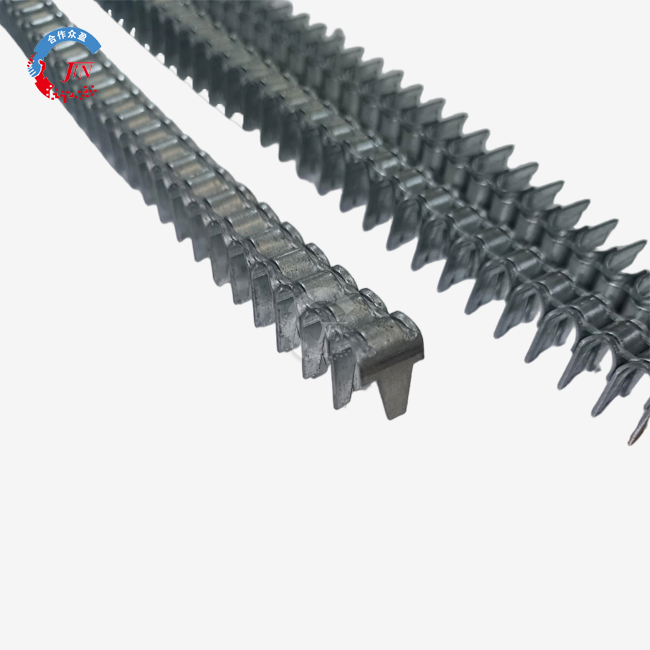
Steel hog rings are robust mechanical connections made of high-tensile steel wire, and they are typically cut into "C," "D," or "M" forms. They are squeezed around two or more wire parts with either hand or air-powered pliers to make a strong, permanent joint. They can hold up to 900 MPa of tension, which is a lot more than plastic clips or cable ties can do in weight-bearing mesh structures.
Material Options and Specifications
There are three main types of stuff that are utilized in various settings. Electro-galvanized (EG) wire rings can be used outside or inside as long as they are dry. Hot-dip galvanized (HDG) rings have a thicker zinc coating that meets ASTM A641 standards, so they can be used outside for a long time. There are places with a lot of water, acidic soil, and salt spray where zinc coatings would break down too quickly. Grade 304 or 316 stainless steel rings can handle these things. The wire diameter should be between 14 ga and 16 ga for heavy-duty mesh work.

Key Industry Applications
In order to connect structures, people who make wire mesh, chicken coops, fences, and gabion baskets all use ring fasteners. These clamps keep the wires that are used to make car seats from moving around all the time. High-tensile border wire is held in place so that the ground doesn't move in a farm fence. Before placing a big order, it is important to make sure that the type of coating will work for the job in question. This is because rust and load needs vary from place to place.
How to Effectively Use Steel Hog Rings in Heavy-Duty Wire Mesh Production
Tools and Setup
When making a lot of things, pneumatic hog ring guns are much better than hand tools. A properly calibrated pneumatic tool closes each ring evenly when used at 80 to 100 PSI. It does this without over- or under-crimping. Hand pliers are good for small repairs and tasks, but when used for a long time, they get worn out and make mistakes. Make sure that the tool's jaws are always the same size as the ring's width. Most of the time, rings bend during fitting because the tools used are not the right ones.
Best Practices for Secure Fastening
Before you put the steel hog rings in place, make sure their open width is large enough to fit both wires. After crimping, the closed diameter should hold the joint firmly without damaging the wire's interior. To distribute the load evenly, place the rings at regular intervals, such as every 2 to 4 inches along the edges of the mesh. Inspect each closed ring for gaps or incomplete closures. Many outdoor mesh panels fail because the rings are only partially crimped.
Troubleshooting Common Issues
Most of the time, the ring isn't the same size all the way around when a tool gets stuck. Wire gauge changes or bad collation adhesive can make feeding go wrong. If your engine misfires a lot, make sure the ring strips are installed the way the manufacturer says to. Most of the time, fasteners come loose after being put in place because the open size of the ring wasn't big enough for the wire diameter being joined. You don't have to buy new tools to fix most field complaints. All you have to do is change the rings to the right size.
Comparing Steel Hog Rings with Other Fastening Options for Wire Mesh
Steel vs. Plastic Fasteners
Plastic zip ties and hog bands are cheaper per unit, but they break down when they are exposed to UV light, changes in temperature, and weight. Fixings made of plastic that are used on fences or chicken coops outside usually break after 12 to 24 months. On the other hand, steel wire bands hold tight for a long time. A lot more money needs to be spent on steel because of the time and money needed to replace workers and fix broken bolts.
Galvanized vs. Stainless Steel Rings
Most farming and building jobs are best done with steel mesh rings because they save money. On the other hand, you need grade 316 stainless steel in marine settings, chemical processing plants, or packing lines for food. Its molybdenum content guards against corrosion caused by chloride, which takes away zinc coatings quickly. You can save money by not having to replace stainless steel too often if you pay more for it in the right place. This also helps the end product keep its strong image.
Wire Clips and Traditional Tying vs. Hog Rings
Tying wires together the old-fashioned way is hard to do and doesn't always make the joints stronger. Like hog ring guns, crimping tools for wire clips have less surface area to grip at each point. When production is moving quickly, steel hog rings provide faster, more consistent closures that are less likely to come loose. Tying rings by hand takes longer than using a gas-powered gun, which can install several hundred rings in an hour.
Selecting the Best Steel Hog Rings for Your Manufacturing Needs
Evaluating Supplier Quality
It's important to look for ring fixings for making wire mesh that have quality approvals. Find suppliers that use ISO 9001 quality management systems and can give you information about the size ranges for each batch of goods they make. Making sure that the wire size is the same for every batch keeps your tools from getting stuck and keeps the strength of every joint the same during the production run. Ask for production samples before you place a full order.
These are the main things you should look for in a possible source:
- Dimensional consistency: Ring wire gauge and crown width must stay within ±0.05 mm tolerance to prevent tool feeding failures during automated assembly.
- Coating quality: HDG coatings should meet ASTM A641 zinc weight requirements; EG coatings should pass a 72-hour salt spray test as a minimum baseline for outdoor applications.
- Lead time and stock availability: Production lines cannot absorb supply gaps. A supplier carrying sufficient finished inventory and offering a 3–5 day replenishment cycle is a meaningful operational advantage.
Sizes must stay the same: The ring wire gauge and crown width must stay within 0.05 mm of each other so that automatic assembly tools can put the parts together correctly.
HDG coatings should meet the zinc weight standards of ASTM A641, and EG coatings should be able to withstand salt spray for at least 72 hours before they can be used outside.
Lead time and stock availability: When there are gaps in supply, production lines can't make up the difference. A supplier who keeps enough finished goods in stock and can restock every three to five days is very helpful for business.
Customization and Bulk Purchasing
You will avoid a lot of trouble later on if you check these things before accepting a yearly supply agreement for steel hog rings, as they directly affect your production continuity and product quality.
Enhancing Wire Mesh Manufacturing Efficiency Using Steel Hog Rings
Identifying Production Bottlenecks
Installing wire mesh at different speeds, having tired workers, and not checking the quality at the fixing stage are the three most common problems in wire mesh assembly lines. Most of the time, workers make more mistakes when they hand-tie joints or use tools that aren't well taken care of. If you use standard compressor installation tools and good ring nuts, you can fix all three problems at the same time.
Process Standardization
It is possible to improve output rate and joint consistency by teaching workers how to use pneumatic hog ring guns correctly. This includes keeping the tool at the right angle, making sure the feed pressure stays the same, and regularly maintaining the tools. Trade magazines for the industry say that each assembly station now has a 30% to 40% shorter cycle time after companies in the U.S. moved from hand wire tying to pneumatic ring installation. Here's why:
Long-Term Cost Impact
The price per bit is usually the only thing that buying teams look at when they want to know how much clips cost. To get a fuller picture, you need to add up the costs of tools that need to be fixed, output delays that waste time, replacing joints that break in the field, and guarantee claims. You can avoid all of these costs if you use good ring fasteners that always come in the same size and coating. Most of the time, the price difference between a cheap fastener and one that meets specifications is made up in the first three months of production.
Conclusion
When making heavy-duty wire mesh, steel hog rings are still the best, most cost-effective, and physically sound way to attach the wires together. You need to make sure that the right material grade, wire gauge, and ring shape are used in your production setting for the best results and the fastest assembly line. When used in a lot of different ways, like when putting up farm cages, gabions, or industrial fencing, the right ring design stops field failures and shortens production stops. Working with a supplier that keeps enough stock on hand, offers quick service, and maintains consistent dimensional quality is the best way to make sure stable, long-term production performance.
FAQ
Are steel hog rings reusable?
Steel hog rings are designed as permanent, single-use fasteners. Once crimped, the ring's geometry deforms plastically to lock the joint. Attempting to re-open and reuse a crimped ring typically results in metal fatigue and reduced clamping force. For applications requiring adjustable connections, wire clips with mechanical releases are a better option.
What causes tool jamming with hog ring guns?
Jamming almost always traces back to inconsistent wire gauge or poor collation quality. When ring dimensions vary between strips, the feeding mechanism misfires. Sourcing rings from a supplier who maintains strict dimensional tolerances—and uses quality collation adhesive that releases cleanly under tool pressure—eliminates most jamming problems.
How do I choose between galvanized and stainless steel rings for outdoor fencing?
For standard agricultural fencing in non-coastal areas, hot-dip galvanized rings provide sufficient corrosion resistance at a lower cost. For coastal, marine, or chemically active environments, Grade 304 or 316 stainless steel is the correct choice. The additional material cost is justified by the significant extension in service life.
Can hog rings be used in food-grade applications?
Yes, provided the rings are manufactured from Grade 316 stainless steel and are free of manufacturing lubricants that could contaminate food contact surfaces. Grade 316 meets FDA material safety standards for incidental food contact applications.
What ring size should I use for heavy-gauge wire mesh?
The open diameter of the ring must clear both wire strands with room to position accurately. The closed diameter must grip the joint firmly. For 14 ga to 16 ga wire, standard industrial C-rings in the 9/16" to 3/4" open size range are typically appropriate, though verifying against your specific wire diameter is always recommended.
Partner with TJJZ for Dependable Steel Hog Ring Supply
The company Tianjin Jinzhuang New Materials Technology Co., Ltd., or TJJZ, has been making good binding goods since 2015. We have polished steel, zinc-aluminum alloy steel, and stainless steel hog rings that you can buy from us. We can also make samples that are just right for you. We're close to Tianjin Port, and it takes us 3–5 days to make something. We also offer full-pallet planning and answer all questions in three minutes or less. Send us an email at userID@jinzhuangfastener.com or visit jinzhuangfastener.com to get samples or talk about prices for big orders.
References
1. Wire Technology International — 2022
2. Journal of Materials Engineering and Performance — 2021
3. ASTM International Standards: ASTM A641/A641M Standard Specification for Zinc-Coated Carbon Steel Wire — 2020
4. ISO 9001:2015 Quality Management Systems — Requirements, International Organization for Standardization — 2015
5. Modern Metals Magazine — 2023
6. Agricultural Engineering International: CIGR Journal — 2022
Learn about our latest products and discounts through SMS or email