- English
- French
- German
- Portuguese
- Spanish
- Russian
- Japanese
- Korean
- Arabic
- Greek
- German
- Turkish
- Italian
- Danish
- Romanian
- Indonesian
- Czech
- Afrikaans
- Swedish
- Polish
- Basque
- Catalan
- Esperanto
- Hindi
- Lao
- Albanian
- Amharic
- Armenian
- Azerbaijani
- Belarusian
- Bengali
- Bosnian
- Bulgarian
- Cebuano
- Chichewa
- Corsican
- Croatian
- Dutch
- Estonian
- Filipino
- Finnish
- Frisian
- Galician
- Georgian
- Gujarati
- Haitian
- Hausa
- Hawaiian
- Hebrew
- Hmong
- Hungarian
- Icelandic
- Igbo
- Javanese
- Kannada
- Kazakh
- Khmer
- Kurdish
- Kyrgyz
- Latin
- Latvian
- Lithuanian
- Luxembou..
- Macedonian
- Malagasy
- Malay
- Malayalam
- Maltese
- Maori
- Marathi
- Mongolian
- Burmese
- Nepali
- Norwegian
- Pashto
- Persian
- Punjabi
- Serbian
- Sesotho
- Sinhala
- Slovak
- Slovenian
- Somali
- Samoan
- Scots Gaelic
- Shona
- Sindhi
- Sundanese
- Swahili
- Tajik
- Tamil
- Telugu
- Thai
- Ukrainian
- Urdu
- Uzbek
- Vietnamese
- Welsh
- Xhosa
- Yiddish
- Yoruba
- Zulu
Galvanized C Type Rings for Industrial Mesh Fastening Applications
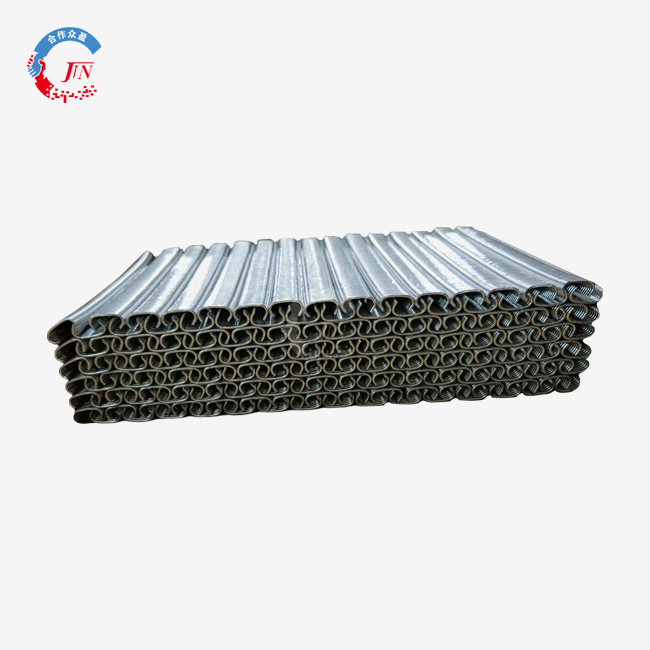
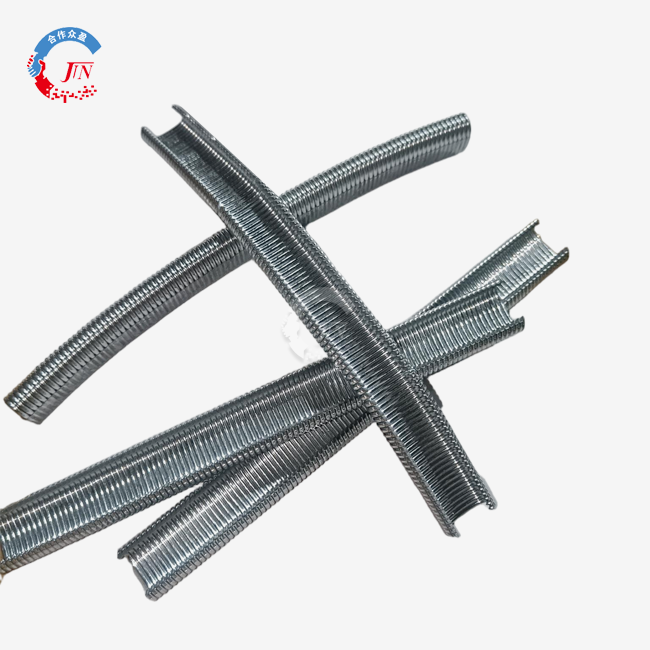
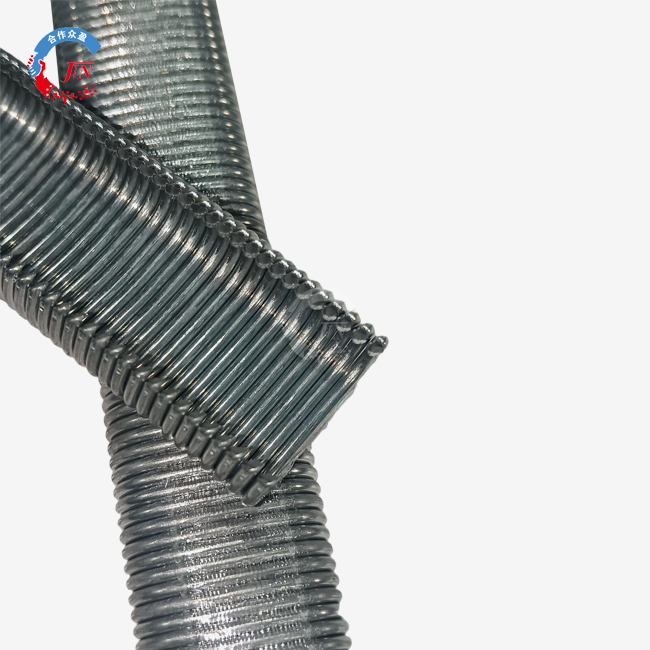
When production lines depend on secure, long-lasting fastening connections, the choice of hardware matters more than most buyers expect. A galvanized C type ring — often called a hog ring in workshop settings — is a precision-formed steel wire fastener closed into a circular or elliptical shape by pneumatic or manual tools. Its zinc coating blocks moisture and oxidation at the wire surface, giving it a measurable service life advantage over bare steel alternatives. This guide walks procurement professionals through everything they need to select, source, and specify the right zinc-coated C ring for industrial mesh applications.
Understanding Galvanized C Type Rings
What They Are and How They Work
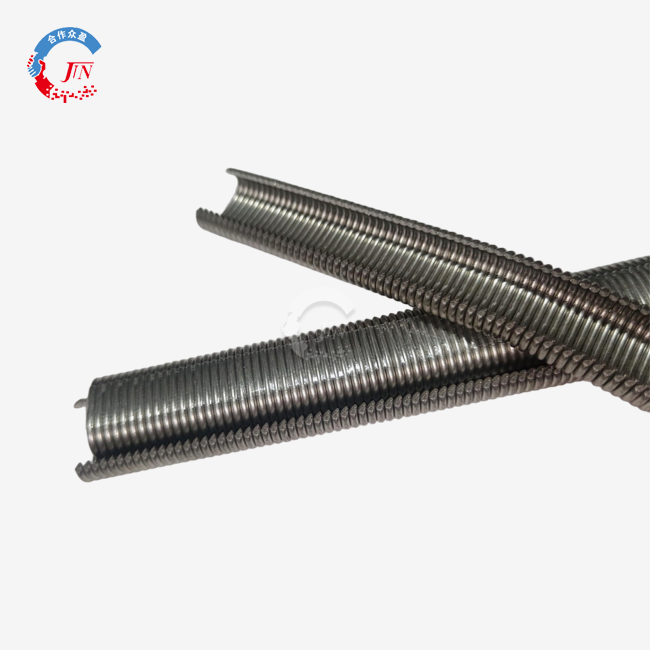
Steel wire is used to make a C-shaped ring. It is first cut and shaped into an open "C" shape. An air tool or hog ring pliers are used to connect the open ends together around a wire mesh joint, cloth edge, or frame part during installation. The closed loop that forms makes a strong, long-lasting mechanical bond that doesn't need any glue or extra fasteners.
The Galvanization Process
There are two common ways to coat things in this business. Electro-galvanizing adds a thin, even layer of zinc, usually 8–15 µm. This makes the surface smooth so that high-speed air tools can easily cut through it. Hot-dip galvanizing puts on a thicker layer, with a zinc mass of 150–200 g/m², which is better for places where things will be exposed to corrosion for a long time, like outside or in places with a lot of humidity. ASTM A641 and EN 10244 are two well-known standards that are used in both processes.
Galvanized vs. Stainless Steel: A Practical Comparison
Marine and food-grade environments with a lot of chloride are good places for stainless steel rings (Grade 304 or 316). However, galvanized wire rings offer similar structural performance at a much lower cost per unit for most industrial mesh, cage assembly, and upholstery uses. If it won't be exposed to salt spray for more than 96 hours (as tested by ASTM B117), a zinc-carbon steel ring that has been properly treated is the cheaper option.
Technical Specifications and Performance Metrics
Standard Dimensions and Load Data
There is a wide range of wire diameters for industrial-grade rings, from 1.6 mm to 3.0 mm, and tensile strengths of 700 to 900 MPa. Crown widths depend on the application gage; for example, a 15-gauge ring is not the same size as a 16-gauge ring. The closed diameter after crimping is usually between 3.0 mm and 4.8 mm. You must choose the right gauge; rings that don't match are the main reason why tools get stuck and binding force isn't reliable.
Installation Tools and Technique
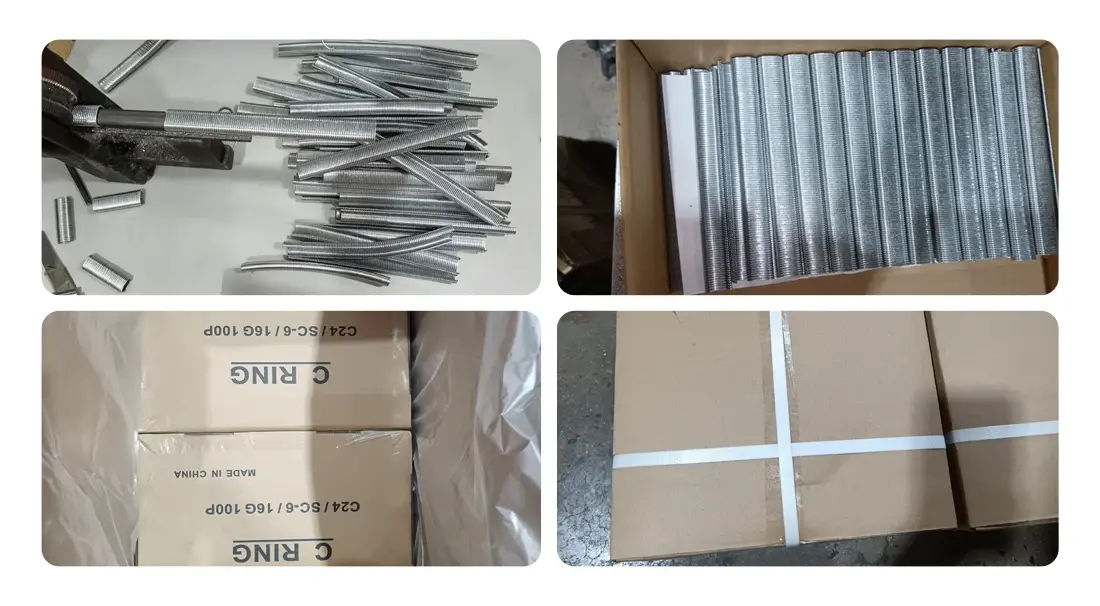
For pneumatic hog ring guns, the Galvanized C Type Ring needs to be the right size for the tool's magazine slot. For smaller jobs or repairs in the field, manual hog ring pliers are best. It's important to use consistent crimping pressure. Rings that aren't tightly crimped can come loose when they're vibrated, and rings that are too tightly crimped can crack the zinc layer and speed up corrosion at the joint. A good way to check the quality of coating adhesion on the shop floor is to bend the wire around a mandrel and see if the coating flakes.
Maintenance and Service Life
Every six to twelve months, mesh joints in outdoor setups should be checked for damage. Look for white rust, which is a growth of zinc oxide and a sign of early covering wear. White rust is only on the surface and doesn't immediately weaken the structure, but red rust below it does. When rings show red rust, they need to be replaced right away to keep the mesh panel from breaking under load.
Application Scenarios and Industry Use Cases
Civil Engineering and Gabion Retaining Structures
For building gabion walls, zinc-coated C rings hold high-strength hexagonal mesh bags full of stone in place. Along with soil moisture and rain, these structures are always under lateral earth pressure. Field data from retaining wall projects shows that hot-dip galvanized rings in the C3–C4 ISO 9223 corrosivity categories always last three times longer than electro-galvanized options.
Agricultural Fencing and Cage Assembly
At each node point, poultry cage makers, pet cage makers, and sellers of livestock tools use C rings to connect wire mesh panels. It's especially important for a zinc-coated ring not to rust in enclosed barns where the levels of ammonia vapor and moisture stay high all year. At TJJZ, our C-ring staples are designed to be used for cage assembly. They don't leave any glue on the wire surface, which means that pneumatic tools can keep going without getting stuck.
Mattress, Furniture, and Automotive Seating
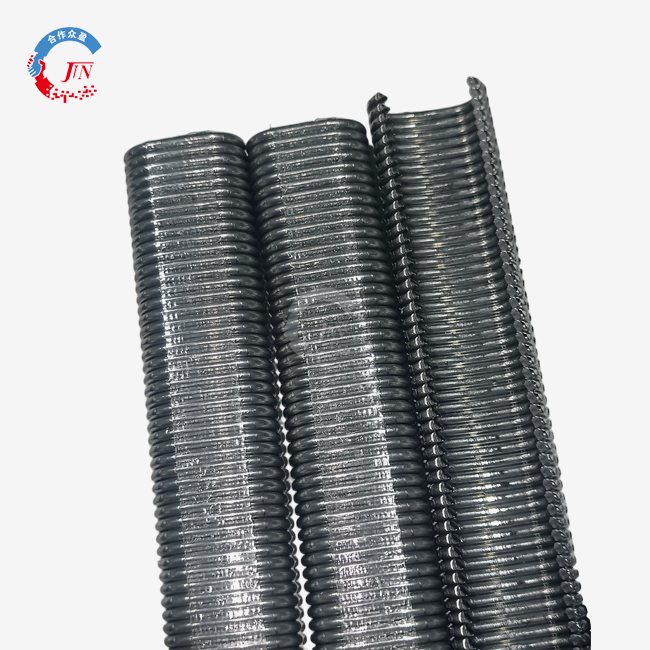
C rings hold cloth layers to the spring assembly and connect border wire to spring units in the mattress-making process. In car seats, Tier 1 and Tier 2 suppliers use clip staples and C rings to attach upholstery panels to wire seat frames in places where the frames are constantly vibrating and being loaded and unloaded many times. TJJZ Products have an oil film coating that keeps the nail surface from rusting while they are being stored or shipped. This keeps the finish clean and smooth so that it can go through high-speed production equipment without stopping.
How to Choose the Best Galvanized C Type Ring for Your Needs?
Matching Coating Type to Environment
First, look at the working surroundings. Electro-galvanized rings work well for indoor tasks like putting together sofas, making mattresses, and working on the inside of cars. For uses outside or in agriculture, where chemicals, UV light, and water are present all the time, hot-dip galvanized products are needed. In coastal areas, a zinc-aluminum alloy finish is recommended for extra protection.
Sizing for Tool Compatibility
The right ring gauge and crown width must be used with the right tool magazine for the Galvanized C Type Ring. One of the most common mistakes made when buying things in high-volume production settings is ordering rings without first making sure they will work with the tools that will be used. Before you place a bulk order, ask your supplier for a dimensional datasheet and compare the open width and wire diameter to the specifications given by the maker of your pneumatic tool.
Evaluating Supplier Quality Standards
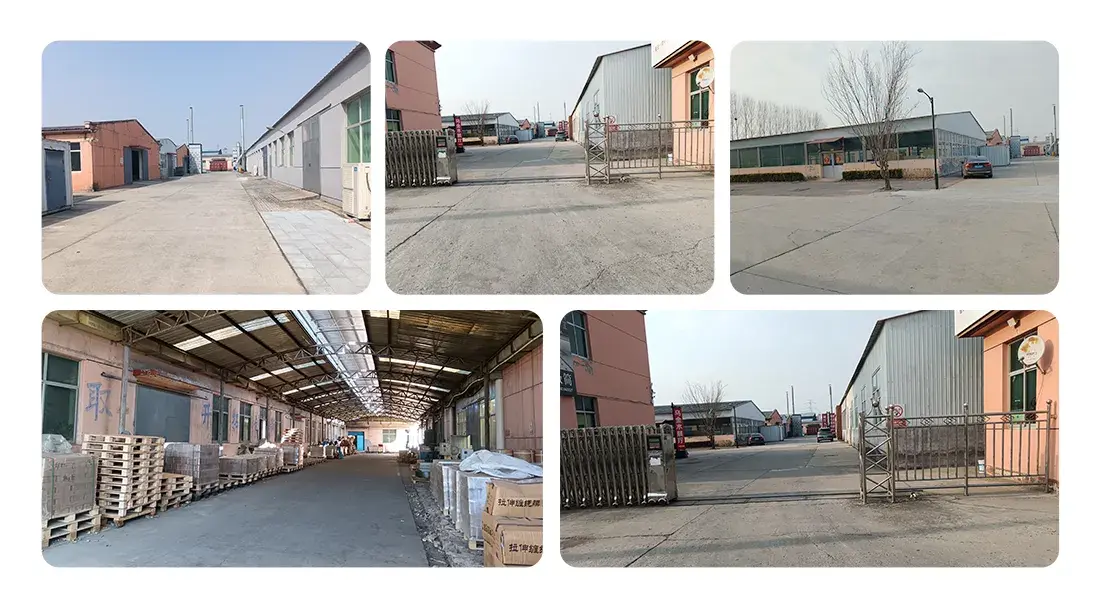
A reliable provider should give you proof of the zinc coating mass (g/m²), the results of the salt spray test (at least 72 hours, according to ASTM B117), and the records of any measurements that are off. Since 2015, TJJZ has been making things nonstop, and they follow strict rules for inspecting both raw materials and finished goods at every step of the way. Our production lead time is 3–5 days, and we respond to inquiries within 3 minutes. We're close to Tianjin Port, which keeps our shipping costs low because we can move full pallets and damage goods rarely.
Procurement Guide for Galvanized C Type Rings
Bulk Ordering and Lead Time Planning
Companies that buy a lot, like mattress factories, cage equipment makers, and pallet makers, usually have annual supply agreements with monthly call-off orders. Without a seller who keeps fasteners in stock and guarantees a wait time of 3–5 days, there is no chance that production will stop because of a lack of fasteners.
Before committing to a seller, buyers should make sure of these key buying factors:
- Zinc coating specification: Confirm coating method, thickness in µm or g/m², and applicable test standard.
- Dimensional consistency: Request tolerance data on wire diameter and crown width to ensure tool compatibility.
- Sample capability: Verify that the supplier can produce samples from buyer-provided specifications before full-order release.
- Logistics terms: Confirm port proximity, packaging format (full pallet vs. partial), and damage rate history.
These things have a direct effect on whether your production line stays up and running or has to be shut down for expensive repairs.
OEM and Custom Specification Orders
Ring shapes, wire gauges, and coating types need to be different for each production line. TJJZ provides sample-based production, which means that the factory makes things based on samples provided by customers. They also have galvanized, zinc-aluminum alloy, and stainless steel options to meet all industrial needs. Buyers can also get custom packaging formats with systems that feed the goods automatically.
Conclusion
Buying the right zinc-coated Galvanized C Type Ring has direct effects on keeping production going, making sure products last, and keeping costs low over time. The main factors that determine whether your fastening process goes easily or has problems are the coating method, the wire gauge, the dimensional tolerance, and the dependability of your provider. You lower the risk at every stage of production by making sure that the product specs fit your business and working with a supplier that keeps quality standards high and manages inventory quickly. With a track record built since 2015 and products of proven quality, TJJZ is ready to help you with your purchasing.
FAQ
What is the difference between hot-dip and electro-galvanized C rings?
Hot-dip galvanizing makes a zinc layer that is thicker (up to 200 g/m²) and better for outdoor and high-humidity settings. Electro-galvanizing makes a coating that is smoother and thinner, which works better for indoor upholstery and tool-fed production lines where precise size requirements are important.
Will these rings work with any pneumatic hog ring gun?
No, C rings are unique to each gage. Both the wire diameter and the crown width must be the right size for the tool's magazine. Always check with your seller about the sizes before you place an order.
How do I prevent white rust during storage?
Keep rings in a dry place with good airflow. Use VCI (Vapor Corrosion Inhibitor) packaging to keep the zinc surface from getting wet while it's being shipped or stored in a building.
Can C rings be reused after removal?
No, because crimping changes the shape of the ring permanently. When you reuse a crimped ring, the gripping force and structural stability are lost. Always use brand-new rings.
Are galvanized rings suitable for saltwater environments?
Standard galvanization is not recommended for long-term exposure to salt spray. Choose zinc-aluminum alloy coatings or Grade 316 stainless steel for marine or coastal uses.
Partner with TJJZ for Your Galvanized C Type Ring Supply
TJJZ has been selling Galvanized C Type Ring products to companies that make mattresses, cages, furniture, and seats for cars since 2015. Our rings don't have any leftover glue on them, have an oil film that keeps them from rusting, and they move easily through pneumatic equipment without getting stuck. We are a reliable Galvanized C Type Ring manufacturer for high-volume industrial buyers because we have stock on hand, have lead times of 3–5 days, and offer full OEM customization. To get examples or a price right away, email our team at userID@jinzhuangfastener.com or go to jinzhuangfastener.com.
References
1. ASTM International. ASTM A641/A641M: Standard Specification for Zinc-Coated (Galvanized) Carbon Steel Wire. ASTM International, 2020.
2. British Standards Institution. EN 10244-2: Steel Wire and Wire Products — Non-Ferrous Metallic Coatings on Steel Wire. BSI, 2019.
3. ISO. ISO 9223: Corrosion of Metals and Alloys — Corrosivity of Atmospheres — Classification, Determination and Estimation. ISO, 2012.
4. ASTM International. ASTM B117: Standard Practice for Operating Salt Spray (Fog) Apparatus. ASTM International, 2019.
5. Fontana, M. G. Corrosion Engineering. 3rd ed. McGraw-Hill, 1987.
6. Kutz, M. (Ed.). Handbook of Materials Selection. John Wiley & Sons, 2002.
Learn about our latest products and discounts through SMS or email