- English
- French
- German
- Portuguese
- Spanish
- Russian
- Japanese
- Korean
- Arabic
- Greek
- German
- Turkish
- Italian
- Danish
- Romanian
- Indonesian
- Czech
- Afrikaans
- Swedish
- Polish
- Basque
- Catalan
- Esperanto
- Hindi
- Lao
- Albanian
- Amharic
- Armenian
- Azerbaijani
- Belarusian
- Bengali
- Bosnian
- Bulgarian
- Cebuano
- Chichewa
- Corsican
- Croatian
- Dutch
- Estonian
- Filipino
- Finnish
- Frisian
- Galician
- Georgian
- Gujarati
- Haitian
- Hausa
- Hawaiian
- Hebrew
- Hmong
- Hungarian
- Icelandic
- Igbo
- Javanese
- Kannada
- Kazakh
- Khmer
- Kurdish
- Kyrgyz
- Latin
- Latvian
- Lithuanian
- Luxembou..
- Macedonian
- Malagasy
- Malay
- Malayalam
- Maltese
- Maori
- Marathi
- Mongolian
- Burmese
- Nepali
- Norwegian
- Pashto
- Persian
- Punjabi
- Serbian
- Sesotho
- Sinhala
- Slovak
- Slovenian
- Somali
- Samoan
- Scots Gaelic
- Shona
- Sindhi
- Sundanese
- Swahili
- Tajik
- Tamil
- Telugu
- Thai
- Ukrainian
- Urdu
- Uzbek
- Vietnamese
- Welsh
- Xhosa
- Yiddish
- Yoruba
- Zulu
How Do Sharp Point Hog Rings Prevent Loosening in Wire
Sharp point hog rings prevent loosening in wire by using a precision-engineered needle tip that pierces directly into wire junctions rather than sitting loosely around them. When the ring crimps closed, the sharp point bites into the wire surface, creating mechanical friction that resists vibration, tension, and environmental stress. This grip is significantly stronger than what blunt or smooth-end rings achieve. In high-demand production environments — from wire mesh fencing to mattress spring assembly — this difference between a secure joint and a failed one matters more than most buyers initially expect.


Understanding Sharp Point Hog Rings and the Loosening Problem
What Are Sharp Point Hog Rings?
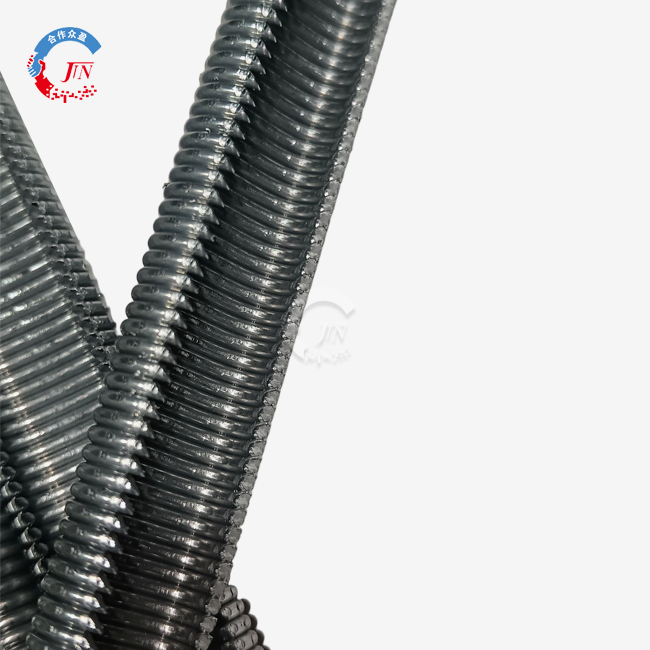
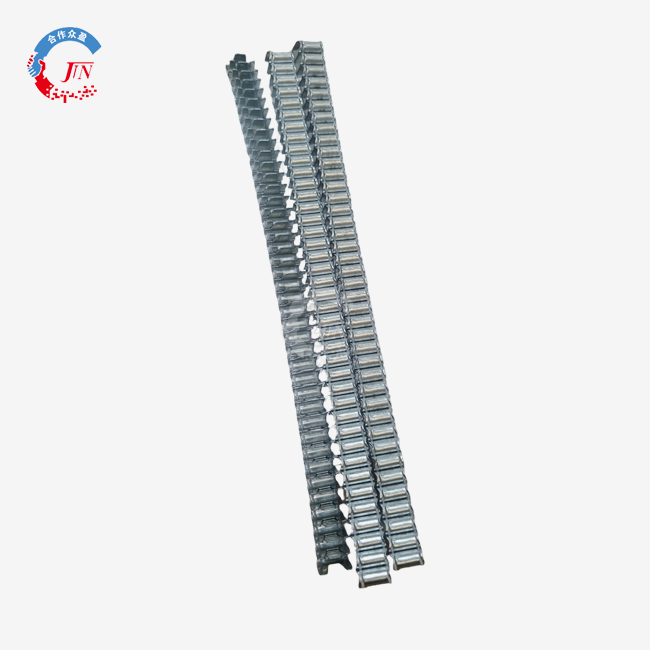
Sharp point hog rings are metal fittings in the shape of a C that have chamfered, needle-like tips on either one or both sides. They are made in gages like 16G and 17G and sizes like 1/2" and 3/4". There are also special versions, like the C17 specification, which is 16.9 mm wide and 8.7 mm high. Some common materials are coated steel, which doesn't rust and doesn't cost much, alloy, which keeps rows stable, and stainless steel, which can handle harsh conditions that are corrosive.
Why Wire Connections Loosen in Industrial Settings?
In fencing, cages, and furniture systems, wire joints are subject to three major forces that wear them down over time: cyclic vibration from machinery or movement, tensile stress from load-bearing uses, and environmental decay from wetness and oxidation. Over time, these forces cause fasteners that aren't set properly or are blunt to spin or slip. This weakens the structure and requires expensive repairs.

Limitations of Traditional Fastening Alternatives
Both standard pins and blunt-end rings are bad at holding wires together. Staples are good for attaching cloth to a frame, but they don't have enough grip to hold wire-to-wire junctions in place when they are under stress. Blunt rings rest on top of the wire without going through it, so vibrations slowly loosen them. Both solutions don't fix the real problem, which is that there is no mechanical bite at the contact point.
How Sharp Point Hog Rings Work to Prevent Loosening: Core Mechanisms Explained?
The Physics of Sharp-Point Penetration
That is, when you crimp, the sharp tip goes through the wire strand instead of sitting against it. This makes a small depression in the metal that holds the ring in place automatically. ASTM A641/A641M and ISO 9227 standards say that the shape of the tip—usually between 30° and 45°—determines how well it penetrates. A deeper bite is made by a tighter tip angle that needs less installation force.
Material Selection and Its Role in Long-Term Grip
Galvanized steel rings have a coating that is 12–25 microns thick and can withstand salt spray for 48–300 hours, depending on the coating class. Different types of stainless steel, especially Grade 316, don't rust or pit in tough settings. Galvanized C17 sharp point hog rings are a good choice for most indoor uses, like furniture frames, mattress setups, and pet cages. They are cost-effective and hold their grip well over time.
Tool Compatibility and Proper Installation
The rings can be used with both pneumatic hog ring guns and manual hog ring pliers. Choosing the right tools is important. Making sure that the gage and magazine type match the ring's specifications guaranties even crimping pressure. When pressure isn't applied consistently, the grip doesn't close all the way, which makes it weaker. With the right tool, each ring closes in a single motion, so automatic production lines can do it over and over again without getting stuck.
Application Areas: Where Sharp Point Hog Rings Excel in Preventing Loosening?
Wire Fencing and Cage Construction
Wire joints are always under stress outside in chain-link fences and chicken coops. Sharp point rings made of galvanized steel work well for this. When a cage maker switched from blunt-end clips to C17 rings, joint failures went down because the sharp tips bit smoothly into galvanized mesh wire, keeping the structure in place even after months of being exposed to rain and temperature changes outside.
Upholstery, Mattresses, and Automotive Seating
Mattress spring units and car seat frames both have wire parts that are compressed over and over again. Sharp point rings keep the foam or fabric from getting damaged when they connect spring coils to border wires. When putting together the inside of a car, the precise tip cuts through high-density polyurethane with little force, protecting the leather grain and holding the wire frame in place. This is a main reason why Tier 1 seat suppliers ask for sharp-point C-type rings to be used on the production line.
Agriculture and Industrial Wire Containers
Trap cages for animals and farm equipment depend on wire mesh links that must stay tight for years without being able to be accessed for upkeep. Both corrosion resistance and pull-out strength are important in these situations. Our C17 galvanized rings have precise measurements (±0.02 mm wire diameter), so they can close thousands of joints evenly in a single production run. They do this while meeting both structural and durability needs.
Comparing Sharp Point Hog Rings With Other Fastening Solutions
Sharp Point vs. Blunt Point Rings
Blunt rings work for light-duty tasks, but they slip when the wire surface is vibrated for a long time because they don't physically contact it. sharp point hog rings make a real depression that doesn't allow spinning. For uses in fencing, cages, and cars where joint failure is not acceptable, the sharp-point variant consistently does better than blunt alternatives in tensile pull-out tests, with high-carbon steel versions often exceeding 600 MPa tensile strength.
Hog Rings vs. Staples and Clamps
Here is a straight comparison of the three most common ways to attach wires:
- C-type hog rings deliver permanent, vibration-resistant wire-to-wire connections with no tools other than a ring plier or pneumatic gun. They are ideal for cage assembly, mesh fencing, and spring attachment where the joint must not shift.
- Staples apply well to fabric-over-frame situations such as upholstery tacking, but they do not grip wire-to-wire junctions with the same holding force and can lift under tension.
- Clamps or cable ties allow repositioning but add material cost and bulk, and they degrade faster under UV or chemical exposure than galvanized metal rings.
There are pros and cons to each choice, but C-type rings with sharp points are the most mechanically sound choice for permanently attaching wires under load.
Galvanized vs. Stainless Steel for Corrosion Resistance
Galvanized rings are a good value for money and can be used indoors or partially outdoors in most situations. 316-grade stainless steel rings are the best choice for places near the coast, areas with a lot of chemicals, or high-end product lines where rusting is not acceptable. There is a real difference in price, and there is also a real difference in performance in situations with a lot of salt or acid.
Procurement Considerations for B2B Clients: Sourcing the Right Sharp Point Hog Rings
Selecting the Right Specification for Your Application
The gage of the wire and the size of the ring must match the width of the substrate wire and the fitting tool. The 16.9 mm × 8.7 mm C17 specification (17G) meets most needs for normal mattress and cage uses. For stronger closing, a 16G ring with a wider crown width is better for heavier mesh or thick-gauge fence wire. Before placing a bulk order, you should always ask for a dimensional data sheet and make sure that your tools will work with the material.
Evaluating Supplier Reliability and Quality Control
A reliable supplier keeps tight tolerances on dimensions, gives proof of salt spray tests, and always ships within the lead times that were agreed upon. At TJJZ, the lead time for production is 3–5 days, the inventory level stays stable, and customer questions are answered within 3 minutes. The factory has been open nonstop since 2015 and is close to Tianjin Port, which allows full-pallet shipping with a low rate of cargo damage.
Customization and Bulk Order Options
There are different needs for each assembly line. Sample-based manufacturing lets you choose the size of the ring, the type of coating, and the way it is packed. Customers can place OEM and ODM orders, and the quality is always checked, even when there are a lot of them. Bundled pricing is also helpful for buyers who buy both tools and rings at the same time. These choices make buying things easier and make managing long-term supply deals simple.
Conclusion
Because they physically bite into wire surfaces rather than sitting against them, sharp point hog rings beat blunt options in wire fastening. This mechanical contact can handle vibration, strain, and environmental stress in a wide range of fields, from making cages to seats for cars. The galvanized version of C17 is good for most industrial uses, while the stainless steel types are better for harsher settings. Three choices affect how well a fastener works in the long run: picking the right specification, making sure the supplier meets quality standards, and making sure the ring gage and tool are compatible. It saves time, keeps output from stopping, and lowers the total cost of ownership to get these right from the start.
FAQ
Are sharp point hog rings reusable?
No, once the ring is squeezed, it changes shape forever to make its grip. Trying to remove it changes the shape and makes it impossible to hold. These are one-time-use fasteners, which is common in wire fence, cage building, and the upholstery business. Plan to pay for a full replacement if the joints need to be opened again.
What pliers are compatible with C17 rings?
Standard hog ring pliers and pneumatic hog ring guns made for 17-gauge rings can be used together. Always make sure that the magazine will take the type of collation that goes with your rings, whether it's tape or loose. Feed jams and uneven binding pressure are caused by tools that don't match.
How do I choose between galvanized and stainless steel rings?
Galvanized rings are less expensive and can resist rust well enough for indoor furniture, mattresses, and standard cage assembly. Stainless steel rings are the best choice for outdoor farm fencing, marine settings, or uses that are close to chemicals. If you're not sure, ask your provider for samples and test them in your real-world operations before committing to a large order.
Do sharp points damage wire coatings?
When the tip is the right size, it cuts through the mesh junction cleanly and doesn't move the coating around much. In fact, this doesn't damage the surface as much as a blunt ring, which can break or crush the wire coating when it's forced shut.
Request a Sample from TJJZ — Trusted Sharp Point Hog Ring Manufacturer
TJJZ makes C17 sharp point hog rings that are protected against rust by galvanizing, can be precisely measured, and can be used with both hand and air tools. Our Products can be used on sofas, mattresses, cages, car interiors, and wire fencing. We can help your production line because we have a steady supply of large items, a 3–5 day production wait time, and all the customization you need. You can email us at userID@jinzhuangfastener.com or go to jinzhuangfastener.com to get examples or talk about your needs.
References
1.ASTM International. ASTM A641/A641M: Standard Specification for Zinc-Coated (Galvanized) Carbon Steel Wire. ASTM International, 2020.
2.ISO. ISO 9227: Corrosion Tests in Artificial Atmospheres — Salt Spray Tests. International Organization for Standardization, 2017.
3.Bhushan, B. Introduction to Tribology. Wiley, 2013.
4.Callister, W. D., & Rethwisch, D. G. Materials Science and Engineering: An Introduction. Wiley, 2018.
5.American Institute of Steel Construction. Steel Construction Manual, 16th Edition. AISC, 2023.
6.Faupel, J. H., & Fisher, F. E. Engineering Design: A Synthesis of Stress Analysis and Materials Engineering. Wiley, 1981.
Learn about our latest products and discounts through SMS or email