- English
- French
- German
- Portuguese
- Spanish
- Russian
- Japanese
- Korean
- Arabic
- Greek
- German
- Turkish
- Italian
- Danish
- Romanian
- Indonesian
- Czech
- Afrikaans
- Swedish
- Polish
- Basque
- Catalan
- Esperanto
- Hindi
- Lao
- Albanian
- Amharic
- Armenian
- Azerbaijani
- Belarusian
- Bengali
- Bosnian
- Bulgarian
- Cebuano
- Chichewa
- Corsican
- Croatian
- Dutch
- Estonian
- Filipino
- Finnish
- Frisian
- Galician
- Georgian
- Gujarati
- Haitian
- Hausa
- Hawaiian
- Hebrew
- Hmong
- Hungarian
- Icelandic
- Igbo
- Javanese
- Kannada
- Kazakh
- Khmer
- Kurdish
- Kyrgyz
- Latin
- Latvian
- Lithuanian
- Luxembou..
- Macedonian
- Malagasy
- Malay
- Malayalam
- Maltese
- Maori
- Marathi
- Mongolian
- Burmese
- Nepali
- Norwegian
- Pashto
- Persian
- Punjabi
- Serbian
- Sesotho
- Sinhala
- Slovak
- Slovenian
- Somali
- Samoan
- Scots Gaelic
- Shona
- Sindhi
- Sundanese
- Swahili
- Tajik
- Tamil
- Telugu
- Thai
- Ukrainian
- Urdu
- Uzbek
- Vietnamese
- Welsh
- Xhosa
- Yiddish
- Yoruba
- Zulu
How Do Wire Fastening Rings Improve Cable Management Efficiency?
Wire fastening rings directly improve cable management efficiency by creating a secure, metal-to-metal bond that resists vibration, corrosion, and mechanical stress. Unlike plastic cable ties that degrade under UV exposure or thermal cycling, wire fastening rings — precision-formed from galvanized steel, stainless steel, or zinc-aluminum alloy — maintain consistent holding force across demanding industrial environments. In mattress assembly, automotive seating, cage manufacturing, and packaging production, these rings reduce cable slippage, cut maintenance frequency, and keep production lines running without unplanned stops.

Understanding Wire Fastening Rings and Their Role in Cable Management
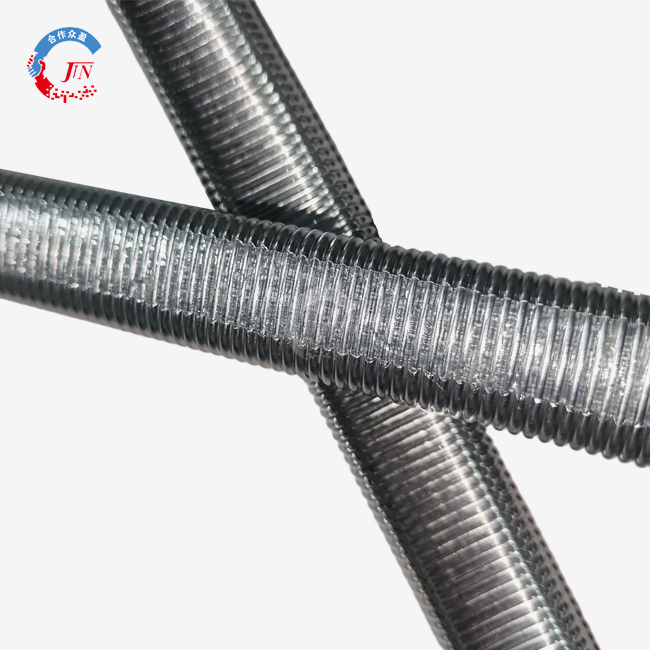
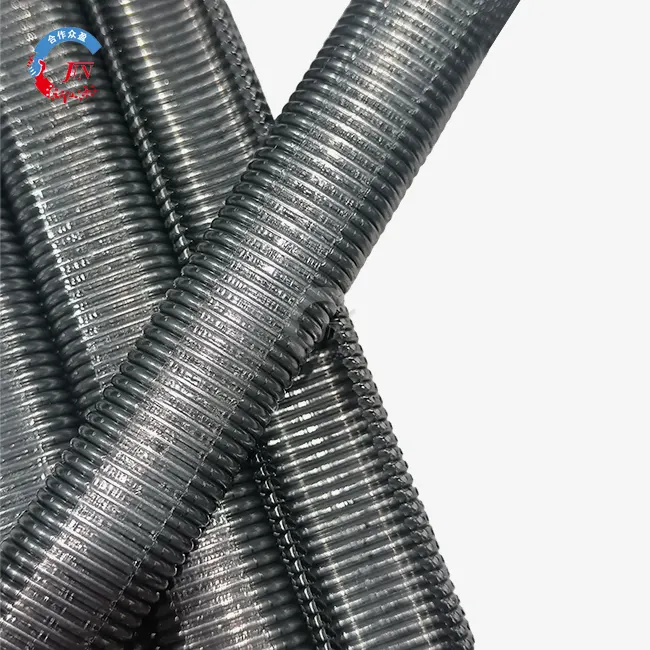
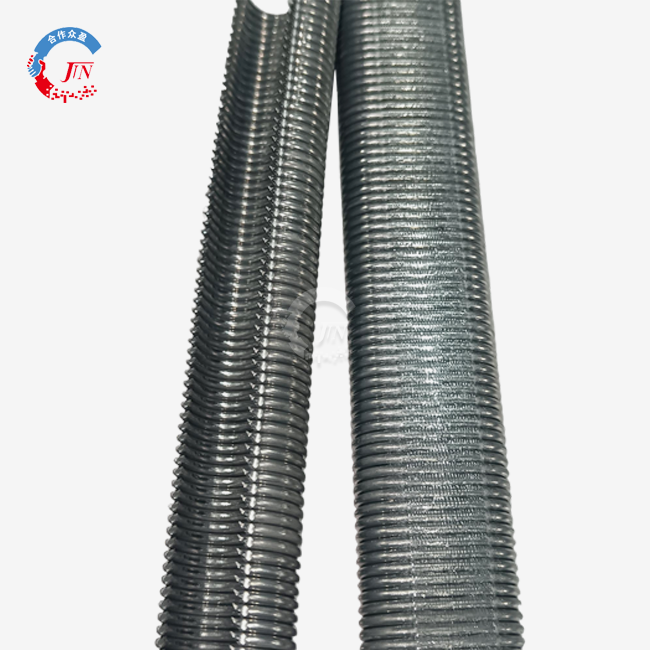
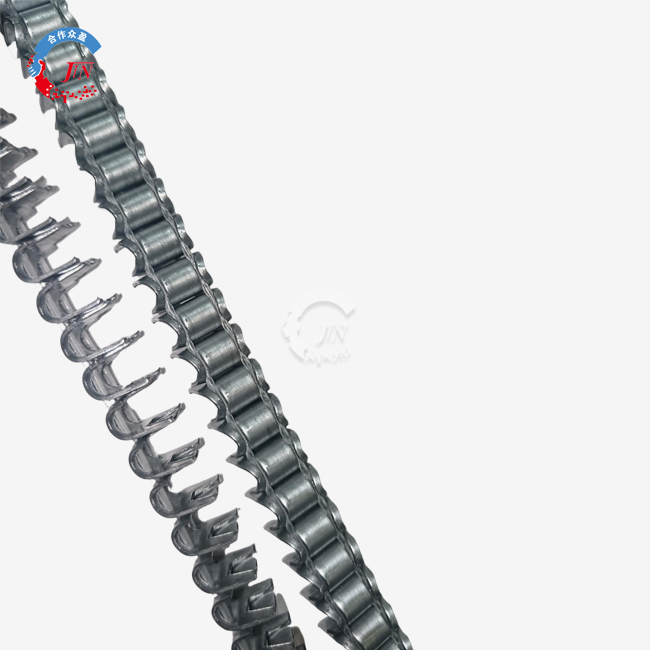
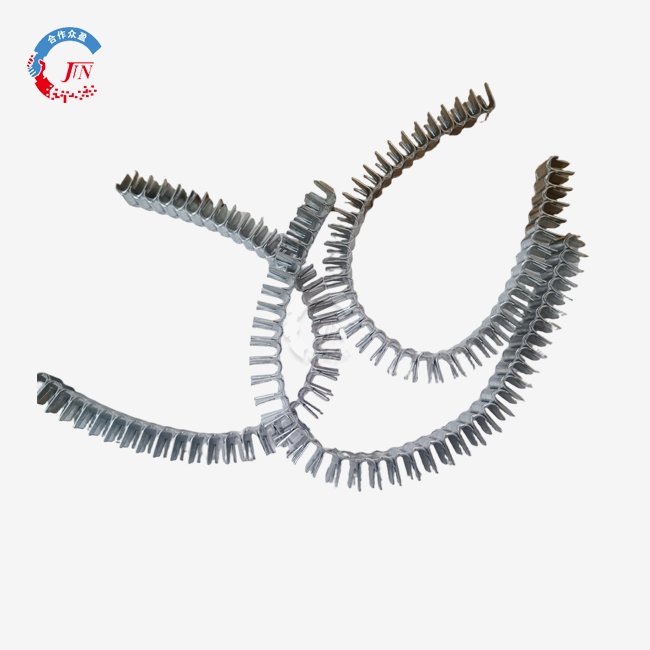
Before choosing any fastening solution, it helps to know exactly what you are working with. Wire fastening rings, also called C-rings or hog rings, are precision-engineered mechanical fasteners that close into a circular or oval shape when compressed by a pneumatic tool. This closure creates a permanent, high-tensile joint between two wire segments, a wire and fabric, or a wire and structural component — without welding or manual lashing.
Common Types and Their Functions
Three types appear most frequently in B2B applications. Standard C-rings suit general wire-to-wire connections in cage assembly and fencing. Clip staples secure upholstery fabric to wire frames in sofas and automotive seats. Hog rings with sharp points penetrate dense geo-textiles for agricultural and civil engineering use, while blunt-point variants handle wire-to-wire joints where snagging is a concern.
Material Options That Define Performance
Material selection sets the durability ceiling for any ring. Hot-dip galvanized steel handles general indoor environments and meets ASTM A641 requirements. Grade 316 stainless steel resists chloride-driven pitting in coastal or marine settings. Zinc-aluminum alloy (Galfan) extends service life in acidic or fertilizer-heavy agricultural surroundings. Wire gauges typically run from 11 GA to 16 GA, with tensile strengths between 600 MPa and 900 MPa, balancing closure ductility with load-bearing rigidity.

Wire Fastening Rings vs. Cable Ties
Plastic cable ties cost less upfront but carry hidden long-term costs. They become brittle under UV exposure, fail at temperatures above 85°C, and cannot be reused after removal. Metal retaining rings, by contrast, maintain holding strength across wide temperature swings, resist chemical exposure, and feed consistently through pneumatic tools without the creep effect that undermines nylon-based alternatives over time.
Key Challenges in Cable Management and How Wire Fastening Rings Solve Them
Production managers in the mattress, auto, and cage industries all have the same common complaints: cables that come loose when the machine shakes, joints that get weaker from corrosion in damp or outdoor conditions, and pneumatic tools getting stuck in the middle of the shift because of different-sized fasteners. Each problem hurts output efficiency in ways that can be measured.
Vibration and Mechanical Stress
In automobile chair assembly, the movement of the vehicle constantly puts dynamic loads on the seat frames. In this setting, a loose link is not only a problem with the quality, it's also a guarantee claim ready to happen. wire fastening rings with tensile strengths of 800–900 MPa maintain wire-to-frame links intact through thousands of load cycles, a level of performance unmatched by plastic substitutes.
Corrosion in Agricultural and Outdoor Settings
There is a lot of ammonia, moisture, and organic acids in places where chicken cages, pet areas, and cattle fences are used. Base protection comes from galvanized rings that have been tested to meet ASTM B117's 72-hour salt-spray ratings. Zinc-aluminum alloy bands with a rating of more than 1,000 hours have a much longer useful life in coastal or high-humidity settings. This means that cage fixes are needed less often, which means that working farms can keep their herds moving.
Tool Jamming and Production Downtime
Most hydraulic tool jams on furniture and mattress assembly lines are caused by components that aren't the same size. If the crown width or leg length changes more than 0.05 mm, the rings get stuck in the feeder or don't close all the way, which stops the line. Strict quality control, such as digital caliper checks on every production batch, makes sure that the feeding works smoothly and that the shift output is always known.
Selecting the Right Wire Fastening Rings for Optimal Efficiency
Once you've chosen the type and material, the next step is to match the ring shape to the part you need to make. If you do this wrong, it can lead to incomplete closures, weak joints, or faster tool wear. All of these problems can be avoided by following an organized approach to design.
Sizing and Load Capacity Assessment
To find the closure diameter, add the cross-sectional diameters of all the materials being joined together and then add 10–15% to account for mechanical overlap. Not big enough rings don't close all the way, and too big of rings make joints that move around when they're loaded. For automated production lines that work very quickly, this margin calculation should be checked with small orders before a big order is placed.
Evaluating Suppliers for Quality and Customization
A trustworthy wire fastening rings supplier should give you Mill Test Certificates that show the chemical make-up and heat treatment, as well as salt-spray test results that can be checked, and dimensional inspection reports. When your application doesn't fit standard specs, like when you need specific coating weights, non-standard gages, or private-label packages for OEM users, the ability to customize is important.
Here are the main factors for judging a seller that you should look over:
- Dimensional tolerance documentation (crown width and leg length within ±0.05mm)
- Coating verification using magnetic or chemical stripping methods (g/m² confirmed against stated salt-spray rating)
- Collation integrity testing for tape-collated rings (adhesive shear strength adequate for transport, clean shear during tool actuation)
- Sample-based production capability for custom specifications
- Inventory availability and confirmed lead times of 3–5 business days
These factors directly affect whether your production line keeps going or stops while it waits for a new shipment.
Bulk Purchasing and Supply Chain Considerations
High-volume buyers, like mattress companies, pallet makers, and car seat sellers, usually sign yearly contracts for wire fastening rings supplies that are based on predictable consumption plans. Picking a factory close to a major port lowers the risk of freight transport and the rate of cargo damage. Line stops, which cost the most per hour in automated production settings, can be avoided by making sure there is enough stock and responding quickly to questions.
Best Practices for Installing and Maintaining Wire Fastening Rings
If the installation method isn't constant, even the best ring design won't work. A few simple steps can tell the difference between joints that last and ones that break quickly.
Installation Tool Setup and Technique
Before you start making things, make sure the pressure on your gas tools is between 80 and 100 PSI. When the pressure drops below 80 PSI, incomplete "O" closures happen, which weakens the joint's integrity. Make sure that the anvil jaw size matches the ring gage. Mismatched tools are the second most common reason why closures fail, after rings that aren't the right size.
Routine Inspection Schedule
Installed rings should be checked every 90 days if they are inside and every month if they are outside or in a toxic atmosphere. Look for surface rust that starts at the edges of cuts. This means the coating has failed before the structure has. If you catch it this early, you can repair only the damaged parts instead of refastening the whole structure.
Troubleshooting Ring Fracturing
Rings that break when they're closed usually mean that the base wire has too much carbon or wasn't heated enough. You can get a Mill Test Certificate from your provider that verifies the heat treatment method and carbon percentage. Most disagreements about material quality are settled by this one document before they get to the production floor.
Future Trends in Wire Fastening Ring Technology
The fastening hardware market is shifting toward longer service intervals, reduced maintenance labor, and material traceability. Two specific directions are gaining ground among procurement teams sourcing at scale.
Advanced Coating Technologies
Galfan (zinc-aluminum alloy) coatings now reach salt-spray ratings above 1,500 hours under ISO 9227, roughly three times the protection offered by standard hot-dip galvanizing. For agricultural cage manufacturers and marine infrastructure projects, this extended rating directly translates to fewer replacement cycles per year.
Sustainable Material Sourcing
Procurement policies at major manufacturers increasingly require suppliers to document material origin and recycling content. Steel wire with verified recycled content percentages now qualifies for several North American green procurement programs, making material traceability a procurement differentiator rather than just a preference.
Conclusion
Wire fastening rings solve problems in the production of concrete because they keep wire joints together when they are vibrating, don't rust in harsh environments, and feed smoothly through pneumatic tools when they are made to tight tolerances for size. Three choices—picking the right material, making sure the geometry fits the needs of the joint, and buying from a supplier with quality records that can be checked—determine whether your fastening system is a maintenance headache or a reliable part of production. With the above knowledge as a guide, you can make those choices with certainty.
FAQ
What is the difference between sharp-point and blunt-point wire fastening rings?
Sharp-point rings penetrate dense fabrics and geo-textiles, making them the right choice for upholstery and agricultural applications. Blunt-point rings are designed for wire-to-wire connections where penetration is unnecessary and where sharp tips could injure workers or snag adjacent materials.
How do I determine the correct ring size for my application?
Add the combined diameter of all materials being joined, then apply a 10–15% margin for mechanical overlap. Run a small sample batch before committing to a full production order to confirm the closure is complete and the joint strength meets your load specification.
Can 304 stainless steel rings be used in coastal environments?
Grade 304 stainless steel provides good general oxidation resistance, but chloride-heavy environments within roughly five miles of the coast require Grade 316. The molybdenum content in 316 blocks the pitting corrosion mechanism that gradually weakens 304 in saltwater-adjacent conditions.
Why are my rings fracturing during tool closure?
Fracturing during crimping usually points to high carbon content or insufficient annealing. Request a Mill Test Certificate from your supplier confirming carbon percentage and heat treatment parameters before placing your next order.
What pneumatic pressure do wire fastening ring tools require?
Most industrial ring tools operate correctly between 80 and 100 PSI. Below this range, the ring does not complete a full circular closure, producing a joint that appears secure but fails under load.
Get Reliable Wire Fastening Rings from TJJZ — Request a Free Quote Today
As of 2015, TJJZ (Tianjin Jinzhuang New Materials Technology Co., Ltd.) has sold wire fastening rings and C-ring staples to companies that make mattresses, furniture, cars, and cages. From our factory near Tianjin Port, each batch ships with proof of size checks, confirmed coating grades, and a 3–5 day production wait time. If you need standard galvanized rings or ones that are made to your exact specifications, email us at userID@jinzhuangfastener.com or go to jinzhuangfastener.com to get samples or a price quote for buying in bulk.
References
1.American Society for Testing and Materials (ASTM). ASTM A641/A641M: Standard Specification for Zinc-Coated (Galvanized) Carbon Steel Wire. ASTM International, 2020.
2.International Organization for Standardization. ISO 9227: Corrosion Tests in Artificial Atmospheres — Salt Spray Tests. ISO, 2017.
3.Bickford, J. H. An Introduction to the Design and Behavior of Bolted Joints. Marcel Dekker, 2008.
4.Parmley, R. O. Standard Handbook of Fastening and Joining. McGraw-Hill, 1997.
5.Society of Automotive Engineers. SAE J1211: Recommended Environmental Practices for Electronic Equipment Design in Ground Vehicles. SAE International, 2021.
6.Wire Association International. Wire Technology International: Annual Industry Report on Fastening Hardware and Wire Product Standards. Wire Association International, 2022.
Learn about our latest products and discounts through SMS or email