- English
- French
- German
- Portuguese
- Spanish
- Russian
- Japanese
- Korean
- Arabic
- Greek
- German
- Turkish
- Italian
- Danish
- Romanian
- Indonesian
- Czech
- Afrikaans
- Swedish
- Polish
- Basque
- Catalan
- Esperanto
- Hindi
- Lao
- Albanian
- Amharic
- Armenian
- Azerbaijani
- Belarusian
- Bengali
- Bosnian
- Bulgarian
- Cebuano
- Chichewa
- Corsican
- Croatian
- Dutch
- Estonian
- Filipino
- Finnish
- Frisian
- Galician
- Georgian
- Gujarati
- Haitian
- Hausa
- Hawaiian
- Hebrew
- Hmong
- Hungarian
- Icelandic
- Igbo
- Javanese
- Kannada
- Kazakh
- Khmer
- Kurdish
- Kyrgyz
- Latin
- Latvian
- Lithuanian
- Luxembou..
- Macedonian
- Malagasy
- Malay
- Malayalam
- Maltese
- Maori
- Marathi
- Mongolian
- Burmese
- Nepali
- Norwegian
- Pashto
- Persian
- Punjabi
- Serbian
- Sesotho
- Sinhala
- Slovak
- Slovenian
- Somali
- Samoan
- Scots Gaelic
- Shona
- Sindhi
- Sundanese
- Swahili
- Tajik
- Tamil
- Telugu
- Thai
- Ukrainian
- Urdu
- Uzbek
- Vietnamese
- Welsh
- Xhosa
- Yiddish
- Yoruba
- Zulu
How to Select 3/16 Hog Rings for Automated Fastening Equipment
Selecting the right 3 16 hog rings for automated fastening equipment directly affects your production line's speed, consistency, and long-term cost. These C-shaped metal fasteners are produced from materials such as Grade 316 stainless steel or galvanized steel, and they close under pneumatic or manual force to lock mesh, fabric, or structural components in place. Whether you run a mattress factory, an automotive seat plant, or a cage assembly line, choosing the wrong ring size, gauge, or material leads to machine jams, rust failures, and costly downtime. This guide walks you through every decision point.


Understanding 3/16 Hog Rings and Their Industrial Applications
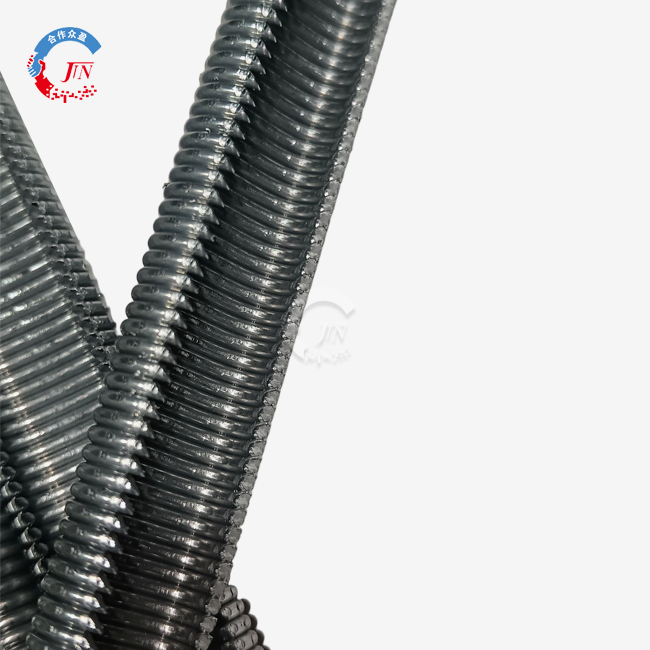
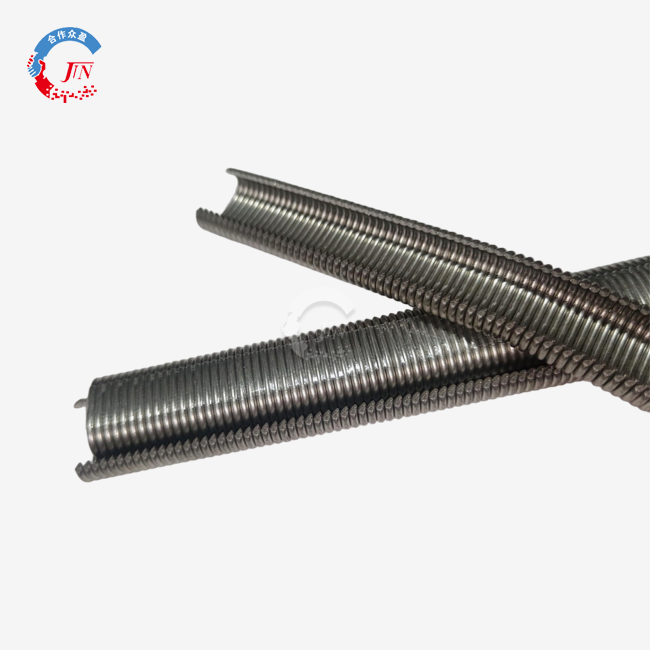
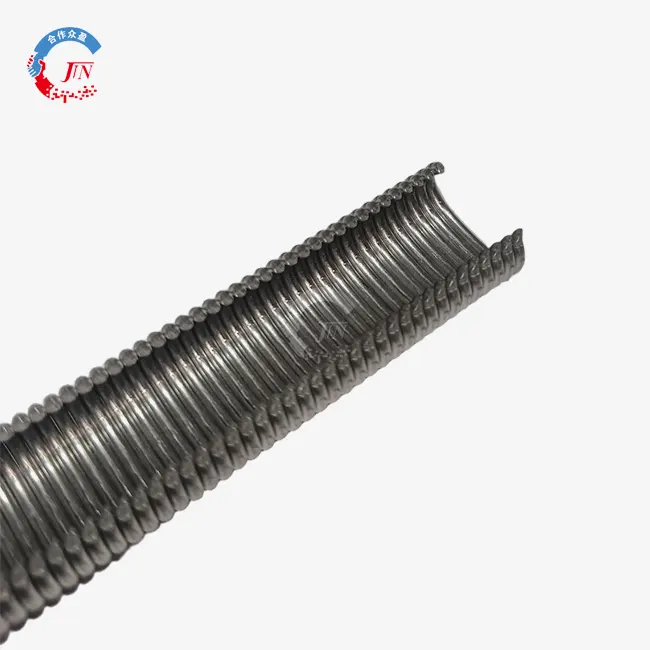
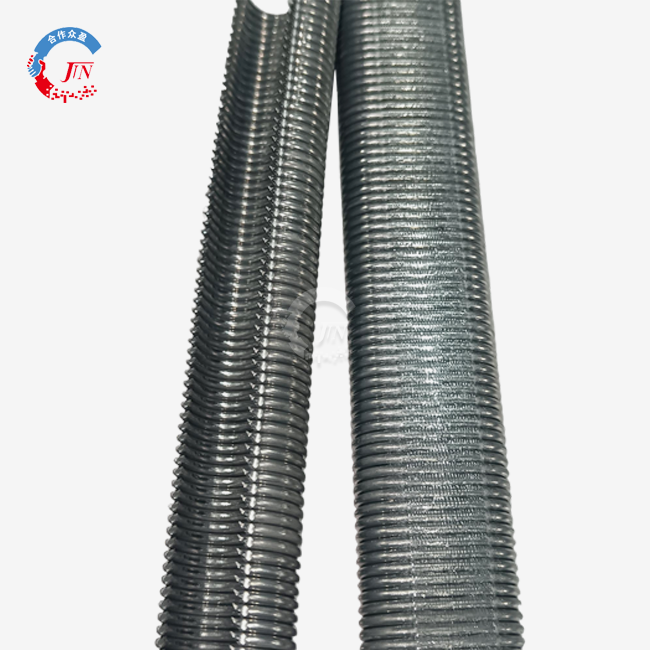
A hog ring is a small, open-ended metal loop that gets crimped shut around a target material. The "3/16" designation refers to the wire diameter, making these rings a mid-weight option suited for automated feeding systems.
Where Are They Used?
These rings appear across several industries. In mattress manufacturing, they join pocket spring assemblies to fabric borders. In furniture factories, they fix upholstery fabric to sofa frames. Automotive Tier 1 suppliers rely on them for seat cushion attachment, while cage manufacturers press them into wire mesh panels for poultry and pet enclosures.
How Do They Compare to Alternative Fasteners?
Unlike plastic cable ties, metal hog rings do not degrade under heat or UV exposure. They also outperform standard staples in pull-out resistance when securing mesh or thick fabric. According to data cited in ASTM B117 salt spray evaluations, Grade 316 stainless steel specimens regularly exceed 1,000 hours without red rust, a threshold that galvanized alternatives rarely match in humid or coastal environments.

Material Options Available
The two most common material choices are galvanized steel and stainless steel. Galvanized rings work well for dry indoor applications such as wood pallet assembly or ceiling installation. Grade 316 stainless steel rings, which contain 2–3% molybdenum, resist chloride-induced pitting and suit outdoor cage systems, food-processing conveyors, and automotive interiors in humid climates.
Essential Selection Criteria for 3/16 Hog Rings in Automation
Making sure the specifications are right will keep the feeding and fixing from going wrong. These are the most important things that every tech or procurement team should check before placing a big order.
Wire Gauge and Ring Diameter
The wire diameter tells you how strong the hold is. An 18-gauge ring is bendable and good for attaching light fabrics. A 14-gauge ring, on the other hand, gives you the resistance to pulling out that you need to build structural cages. The main wire of 3 16 hog rings has a diameter of 3/16 inch, which makes it strong and compatible with most tools. The ring's width needs to match the thickness of the thing that is being joined. When rings are crimped, rings that are too small break, and bands that are too big leave holes.
Machine Compatibility
. What should the leg length, ring width, and strip pitch be? The person who makes the tools will tell you. Because the sizes aren't the same, there are misfires and strip jams that stop production. Make sure the seller gives you dimensional models before you buy a lot of something. Then, compare them to the directions that came with your equipment.
Coating and Corrosion Resistance
Think about where you'll use the item. When making furniture for inside, a zinc or zinc-aluminum alloy finish is enough to protect the wood. Grade 316 stainless steel is best for open animal pens or needs that are close to water. The Pitting Resistance Equivalent Number (PREN) of 316 stainless steel is a lot higher than that of 304 stainless steel. This shows that it works better in salty places.
Comparing Hog Ring Types and Supplier Options for B2B Procurement
Not every service or ring is the same. The buying team can deal with confidence and avoid quality shocks if they know what Products are out there.
Open vs. Closed Ring Designs
Most automated tools have hog rings that are open. These rings feed along a strip and close when the tool jaws squeeze together. Closed pre-formed rings are used for jobs that don't need a tool and can be done by hand. For any production line with automated fastening tools, open-style strip rings are the best choice.
Evaluating Supplier Reliability
Large wholesalers such as Grainger and Uline sell standard steel rings. You can package things and work with pallets with these rings. When you work directly with a manufacturer, you can make samples, get tighter tolerances on sizes, and speed up lead times for non-standard requirements like wire diameters, coatings, or ring widths. Before you buy something, make sure the seller can give you Material Test Reports (MTRs) that show what the chemicals are and how much molybdenum is in stainless steel types.
Price vs. Quality Trade-offs
Cheap rings that come in different sizes don't work well with automatic tools and break them down over time. Really, it costs more than a thousand rings. It costs a lot of money when plans go wrong. When buying, teams look at cost-per-fastening-cycle instead of cost-per-unit; they always choose sources that have been checked for quality when they need to buy a lot of things at once.
Procurement Best Practices and Bulk Buying Tips
It's not enough for someone to buy a lot of 3 16 hog rings that are good. Also, they need a way to keep the production going with a supply system.
These are the steps that experienced plant managers take when they need to buy a lot of hog rings.
- Confirm dimensional specs with your tool manufacturer first. Request the tool's strip pitch, leg gap tolerance, and jaw closure range, then compare against supplier specifications before ordering samples.
- Order samples before committing to bulk. Run a minimum 500-cycle test on your production machine. Check feed consistency, crimp quality, and ring gap after closure.
- Negotiate delivery lead times into your contract. A 3–5 day production lead time with confirmed inventory buffer protects your line from supply gaps caused by shipping delays or seasonal demand spikes.
- Bundle your hog ring order with compatible pneumatic tools if needed. Some manufacturers supply matched tool-and-ring combinations, which reduce compatibility risk and simplify after-sales support.
If you want to buy a lot, order samples first. Check your machine at least 500 times. Once the ring is closed, check the feed, crimp, and ring gap to make sure they are all correct.- Include lead times for delivery in your contract. If you have a confirmed inventory buffer and a production lead time of 3–5 days, your line will never run out of supplies, even if shipping takes longer than planned or demand goes up during busy times.
You can add the right gas tools to your hog ring order if you need to. Some companies sell matched tool and ring sets, which lowers the chance of problems and makes it easier to get help after the sale.
Safety and Maintenance Tips for Automated Fastening Equipment
Running hog ring guns safely and maintaining them correctly extends both tool life and operator safety.
Operator Safety Protocols
Always wear impact-resistant safety glasses when operating pneumatic fastening tools. Crimped ring fragments can eject at speed if a misfire occurs. Never point the tool at personnel, and keep fingers clear of the jaw area during operation. Follow OSHA 29 CFR 1910.212 general machine guarding requirements for automated production environments.
Equipment Maintenance Routines
Clean the feed track after every production shift to remove metal shavings and oil residue. Inspect jaw faces weekly for wear, as worn jaws produce incomplete crimps that fail under load. Lubricate the tool following the manufacturer's interval schedule. Dimensional inconsistency in the rings—a common result of sourcing from unverified suppliers—accelerates jaw wear and increases misfire frequency.
Regulatory Compliance
In North America, fastening materials used in food-adjacent or medical environments must comply with FDA material guidelines where applicable. For export products, verify that your hog ring material meets both ASTM standards (such as ASTM A276 for stainless bar and wire) and any destination-country regulations. Grade 316 rings typically meet both North American and European CE-compatible material requirements.
Conclusion
When picking hog rings for automatic machinery, it's important to make sure you get the right wire gauge for the load, the right size to fit your fixing tool, the right finish or material for the job site, and a source that has been checked for quality and can keep their word. Keeping these four things in mind will help you make more money and keep your equipment in good shape over time. In the years to come, the quality of your work will depend on the 3 16 hog rings standard you choose today. This is true whether your line makes car seat pillows, mattresses, sofa frames, or chicken coops.
FAQ
What is the difference between 16-gauge and 3/16 hog rings?
"16-gauge" means that the wire is about 0.063 inches thick, which is measured in American Wire Gauge (AWG) units. In fractional inches, "3/16" means that the wire is 0.1875 inches wide. This ring is 3/16" thick and much stronger than the 5/8" ring. It's better for heavy-duty jobs like putting cages together and attaching car seats.
Are 3/16 hog rings compatible with all pneumatic hog ring guns?
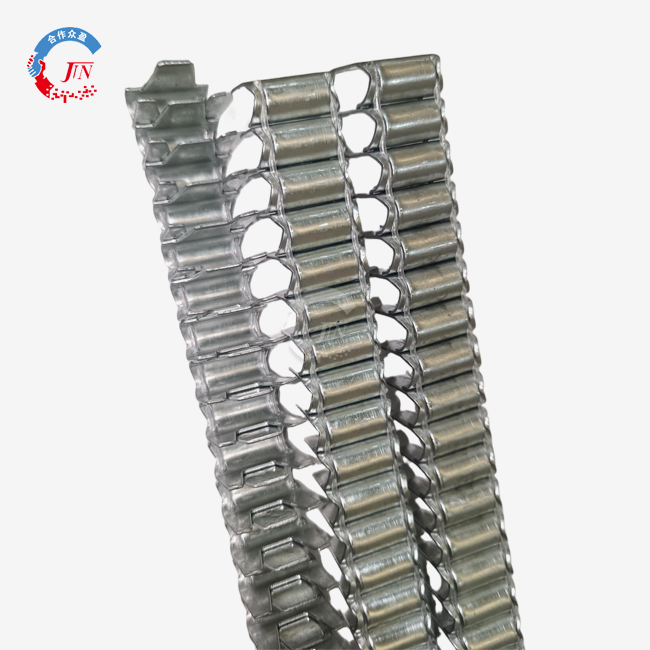
Not at all. For each ring series and tool model, the crown width, leg length, and strip pitch are different. You should always look at a picture of the ring and the tool's specs sheet side by side before you place an order. When running bands don't work with each other, the feed gets stuck, and the jaws wear out faster.
Which material is best for outdoor cage applications?
The best place to use grade 316 stainless steel is outside, like on chicken farms, along the coast, or in pet cages, where it won't rust. Its molybdenum content stops zinc materials from cracking, which would happen in 1–3 years if they were exposed to water and ammonia and would weaken the structure.
How do I verify ring quality before a bulk order?
Material Test Reports (MTRs) that show the chemical makeup are what you should ask for. Ask your supplier to do a neutral salt spray test, which is what ASTM B117 says to do. Once you've run a test batch through your production tool 500 times, look at the surface condition, crimp closure, and ring gap.
Get Your Custom Quote from TJJZ — A Trusted 3/16 Hog Ring Manufacturer
TJJZ has been making clip staples and C-ring fasteners since 2015. For 3–5-day production wait times, they keep stock on hand and answer customer questions in 3 minutes or less. The fact that we are close to Tianjin Port means that we can ship full box orders with little harm. Email our team at userID@jinzhuangfastener.com or visit jinzhuangfastener.com to get samples or a price quote for 3 16 hog rings in bulk that will work with your automatic production line.
References
1. ASTM International. ASTM B117: Standard Practice for Operating Salt Spray (Fog) Apparatus. ASTM International, 2019.
2. ASTM International. ASTM A276: Standard Specification for Stainless Steel Bars and Shapes. ASTM International, 2017.
3. ASTM International. ASTM A493: Standard Specification for Stainless Steel Wire and Wire Rods for Cold Heading and Cold Forging. ASTM International, 2015.
4. Baddoo, N. R. "Stainless Steel in Construction: A Review of Research, Applications, Challenges and Opportunities." Journal of Constructional Steel Research, Elsevier, 2008.
5. Occupational Safety and Health Administration (OSHA). 29 CFR 1910.212: General Requirements for All Machines. U.S. Department of Labor, 2020.
6. Schweitzer, Philip A. Corrosion Engineering Handbook: Corrosion of Linings and Coatings. CRC Press, 2006.
Learn about our latest products and discounts through SMS or email