- English
- French
- German
- Portuguese
- Spanish
- Russian
- Japanese
- Korean
- Arabic
- Greek
- German
- Turkish
- Italian
- Danish
- Romanian
- Indonesian
- Czech
- Afrikaans
- Swedish
- Polish
- Basque
- Catalan
- Esperanto
- Hindi
- Lao
- Albanian
- Amharic
- Armenian
- Azerbaijani
- Belarusian
- Bengali
- Bosnian
- Bulgarian
- Cebuano
- Chichewa
- Corsican
- Croatian
- Dutch
- Estonian
- Filipino
- Finnish
- Frisian
- Galician
- Georgian
- Gujarati
- Haitian
- Hausa
- Hawaiian
- Hebrew
- Hmong
- Hungarian
- Icelandic
- Igbo
- Javanese
- Kannada
- Kazakh
- Khmer
- Kurdish
- Kyrgyz
- Latin
- Latvian
- Lithuanian
- Luxembou..
- Macedonian
- Malagasy
- Malay
- Malayalam
- Maltese
- Maori
- Marathi
- Mongolian
- Burmese
- Nepali
- Norwegian
- Pashto
- Persian
- Punjabi
- Serbian
- Sesotho
- Sinhala
- Slovak
- Slovenian
- Somali
- Samoan
- Scots Gaelic
- Shona
- Sindhi
- Sundanese
- Swahili
- Tajik
- Tamil
- Telugu
- Thai
- Ukrainian
- Urdu
- Uzbek
- Vietnamese
- Welsh
- Xhosa
- Yiddish
- Yoruba
- Zulu
Steel Hog Rings for Automotive Seat and Cushion Assembly Lines
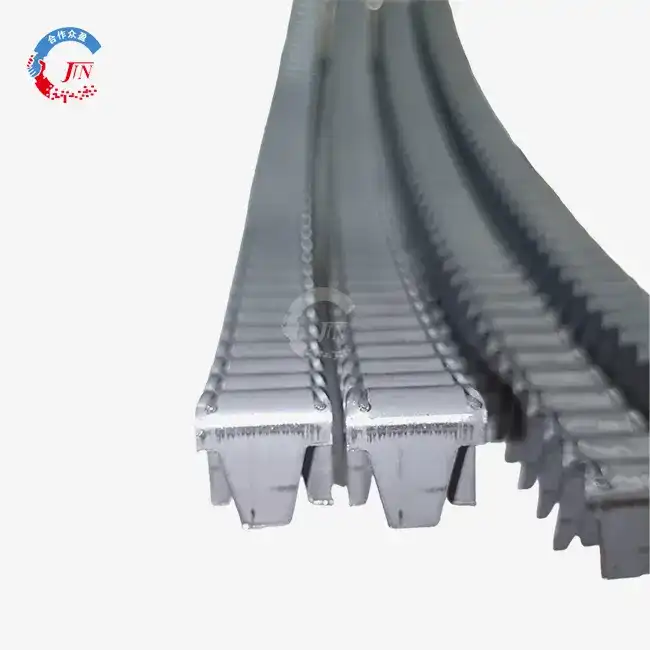
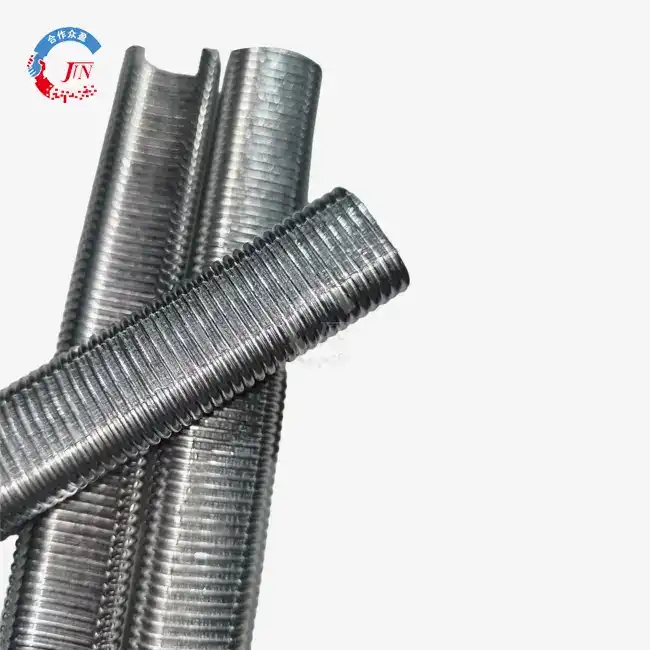
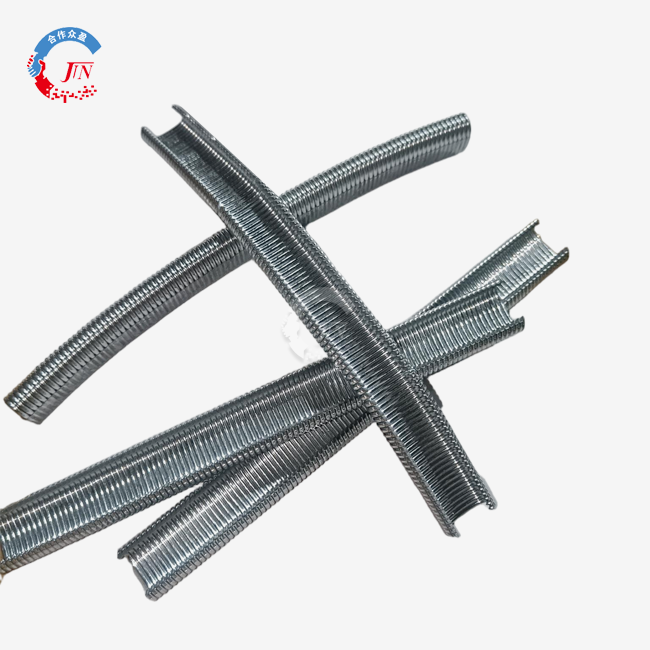
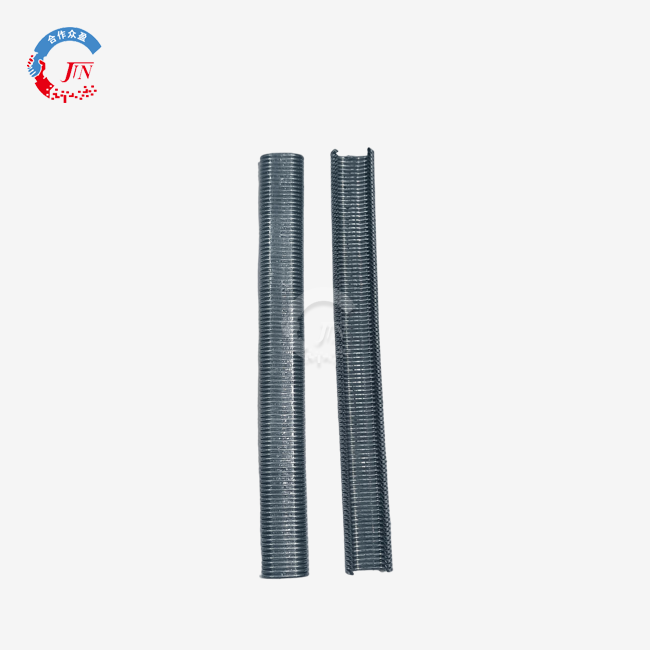
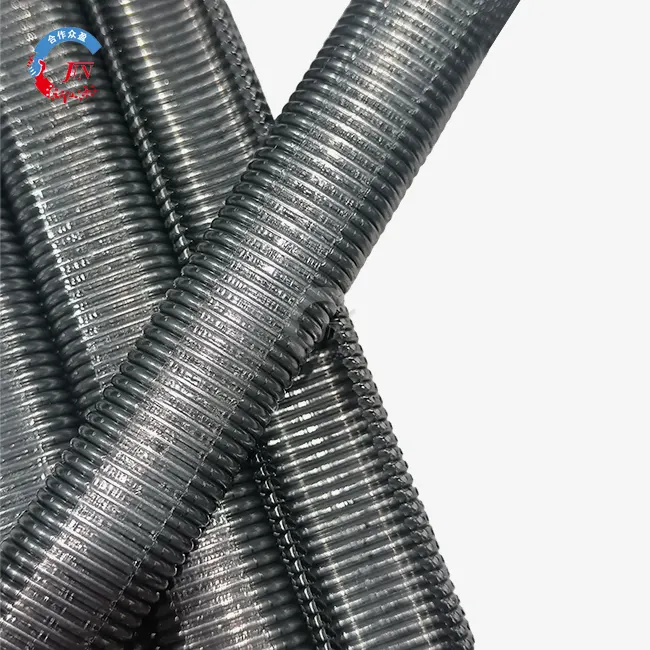
Steel hog rings are C-shaped or D-shaped high-tensile steel fasteners that play a fundamental role in automotive seat and cushion assembly lines. Pressed closed using pneumatic or manual hog ring pliers, they permanently secure seat covers to listing wires, lock foam cushions to internal wire frames, and hold upholstery tight against seat structures. With tensile strength typically ranging from 600 MPa to 900 MPa, these fasteners resist the constant vibration and friction that automotive seats endure daily. Choosing the right ring—correct gauge, coating, and geometry—directly determines seat quality, worker efficiency, and long-term production reliability.
Understanding Steel Hog Rings in Automotive Assembly
What They Are and How They Work
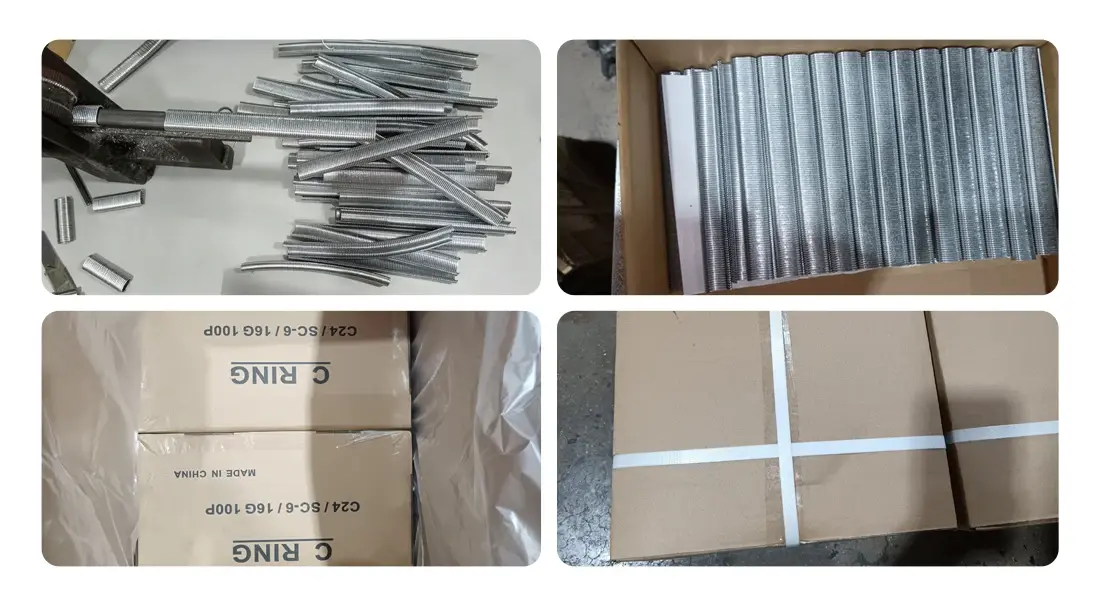
When it comes to wire fasteners, a steel hog ring is a short, pre-formed "C"-shaped wire of 14-gauge or 15-gauge. A worker puts a strip of rings that have been grouped together into a pneumatic applicator gun. The gun closes the ring around two target parts, like a listing wire and a fabric border cord, when the trigger is pulled. This makes a permanent mechanical lock. Because the closed loop can't be opened again without cutting, the joint stays in place for the whole life of the seat.
Types Used in Automotive Seating
On car lines, there are three main types of materials. Standard electro-galvanized rings work well inside where it is dry, and the temperature is managed. Hot-dip galvanized rings have a thicker layer of zinc on top, which makes them better for seats that get wet or have temperature changes. Zinc coatings would wear off too fast in places with a lot of moisture or strong chemicals, but grade 304 stainless steel rings are the only choice. Each type meets the zinc-coating standards set by ASTM A641 and the manufacturing tolerances set by ISO 9001. This means that they can all be used with high-speed pneumatic tools.
Why They Outperform Plastic Clips and Wire Ties?
Alternatives to plastic rings lose their strength when exposed to UV light and changing temperatures, which happens naturally inside a parked car. Wire ties, on the other hand, need to be knotted by hand and don't always have the same tension throughout a production run. Both issues are solved by steel hog rings. Their divergent or bevel points easily pierce thick leather and heavy canvas. The closed geometry locks in place without slipping, and one pneumatic applicator can drive hundreds of rings per hour, which saves money on labor costs on assembly lines that make a lot of things.
How to Select the Right Steel Hog Rings for Automotive Seat Assembly?
Key Screening Criteria for B2B Buyers
Before making a bulk order, procurement teams at OEM suppliers and Tier 1 makers should think about four things. First, make sure that the wire gauge is consistent. If the diameter of one ring varies more than 0.05 mm from the next, pneumatic guns will get stuck, and the line will stop. Second, make sure that the open diameter of the ring is big enough to fit both materials in the joint and that the closed diameter is tight enough to hold everything together. Third, make sure the type of coating fits the environment where the seat will be used. Fourth, ask for measurement test certificates that are in line with ISO 9001 to make sure the provider has a good quality system.
Comparing Material Options Side by Side
Standard electro-galvanized steel hog rings are the cheapest per unit and can be used in most passenger car interiors. 304 or 316 stainless steel rings cost more per unit, but they can last two to three times longer in environments that are likely to rust. Grade 316 rings are required in food- or medical-grade settings because they meet FDA safety standards and can't be cleaned with chemicals. For putting together car cushions, electro-galvanized or hot-dip galvanized rings are most common. Stainless steel rings are only used when the design brief specifies them.
Custom Sizing and Bulk Packaging Considerations
Standard ring sizes range from about 1.5 cm to 2.5 cm in open width, but manufacturers with sample-based production programs can make rings to any size. To cut down on changeover time, auto plants that make a lot of rings usually order them on full pallets, stacked in strips of 100, or loaded into bulk boxes. Before signing an annual supply contract, ask for a production sample batch and use your current pneumatic applicator to run it. If a ring feeds smoothly during testing, it will work reliably during the whole production season.
Step-by-Step Guide to Using Steel Hog Rings in Seat and Cushion Assembly
Common Installation Problems and Their Causes
Rings getting stuck in the pneumatic gun is the most common construction issue. Most of the time, this is caused by wire gauge that isn't uniform or poor collation glue that breaks strips in the middle of feeding. A second problem that happens a lot is rings that don't fully crimp around the listed wire. People do this when they use an applicator that is worn out or a ring that has an open width that is too big for the gun's jaw shape. Third, rings with rough tips that drag on the cover material instead of piercing it cause the fabric to tear.
Best-Practice Installation Sequence
This is the usual order that experienced upholstery assemblers on car lines follow:
- Load a fresh strip of collated rings into the applicator, checking that the strip is oriented correctly with tips facing forward.
- Position the gun jaw so the ring spans both the listing wire and the fabric border cord, keeping the ring centered on the joint.
- Squeeze the trigger fully in one motion; a partial trigger pull can leave the ring semi-open.
- Inspect the closed ring visually—the tip should overlap the body of the ring by at least 1–2 mm to confirm full engagement.
- Move to the next anchor point at the spacing specified in the seat bill of materials, typically every 50–75 mm.
Rework rates go down, and the line stays moving at the goal cycle time when this process is followed every time.
Lessons from a Tier 1 OEM Line
A European Tier 1 automotive seat supplier said that line stops were 23% less common after switching from a supplier of low-consistency rings to one with ISO 9001-certified dimensional controls. Fabric rejection rates dropped by about 15% after the change, too, because the sharp bevel points on the new rings cut through leather cleanly without pulling threads. The procurement team said that both of the gains were due to tighter wire gauge tolerances. This shows that the quality of the rings affects not only how well they fasten things together but also how much the whole assembly costs.
Maintenance, Safety, and Longevity of Steel Hog Rings in Automotive Environments
Proper Storage to Prevent Rust and Degradation
Steel hog rings ought to be kept in airtight containers in a building that is both dry and cool. Electro-galvanized surfaces oxidize faster when they are exposed to humidity levels above 70%. This can lead to surface rust within weeks. It's better for the concrete floors if you stack large boxes on pallets instead of directly on them. When rings come with an oil film protective coating, which is something that good manufacturers do, they add another layer of protection against early oxidation while in transit and storage.
Tool Maintenance for Consistent Performance
To keep feeding reliably, pneumatic hog ring guns need to be cleaned once a week. Users should use compressed air to blow out dust and other debris from the magazine channel. After that, they should put a light machine oil on the jaw pivot. Over time, gun jaws wear out. A worn jaw that can't close all the way will make crimps that aren't complete. This wear and tear doesn't get to the finished seat if you replace the jaw sets at the manufacturer's suggested service interval. When you take care of your gun, the tools and rings last longer and work better across production cycles.
Safety Protocols During Installation
At hog ring assembly stations, workers should wear safety glasses that can protect against bullet impact, since ring pieces can sometimes bend while being crimped. Wearing anti-vibration gloves during busy shifts keeps you from getting tired. The safety trigger guard on the tool should always be used, and the pneumatic air pressure should be set according to the gun manufacturer's instructions. For normal automobile ring gages, this is usually 90–100 PSI. The right pressure makes sure that the crimp closes completely without putting too much stress on the ring wire.
Future Trends and Innovations in Steel Hog Rings for Automotive Assembly
Advanced Coatings and Higher-Grade Alloys
As the auto industry tries to make cars last longer, there is a greater need for rings that protect against rust better. Zinc-aluminum alloy coatings are becoming more popular as an improvement over regular electro-galvanized finishes. This is because they are three to five times more resistant to salt spray without costing as much as full stainless steel. Some suppliers are also testing polymer-blend coatings that lower friction inside pneumatic magazines. This cuts the number of jams on high-speed lines by a measurable amount.
Automated and Ergonomic Applicator Technology
Hog ring applicators that are fully automatic and run by batteries are now being used on production floors that used to use air hoses. Cordless applicators make it easier for workers to move around, reduce stress on the body, and get rid of the cost of installing compressed air systems in smaller facilities. Robotic applicator arms are being tested in OEM plants that make a lot of parts. In these plants, it's important to have consistent ring placement so that quality audits can pass. When purchasing managers look at new ring providers, they should make sure that the rings can be used with both gas and battery-powered platforms. This way, they can make sure that they are ready for when the tools change in the future.
Aligning Procurement Strategy with Market Evolution
Purchasing managers should come up with criteria for judging suppliers that take coating technology roadmaps into account, not just the latest product specs. When suppliers put money into precision wire-drawing and surface-treatment research and development, they are better able to handle changes in production without having to switch rings completely. Long-term supply agreements with manufacturers who keep enough stock on hand and can respond to urgent orders within three to five business days lower the risk of line stops caused by supply problems.
Conclusion
Steel hog rings are still one of the most reliable mechanical fixings used to put together car seats and cushions. Their high tensile strength, coating flexibility, and ability to work with pneumatic tools make them a better way to fasten things on production lines than plastic or manual options. The three decisions that have the most direct impact on assembly quality and production continuity are choosing the right gauge and material grade, keeping installation tools in good shape, and buying from a manufacturer whose measurements have been checked for consistency. As coating technology and applicator design keep getting better, buying teams that keep up will have a clear cost and quality edge over rivals who choose rings as if they were a product.
FAQ
What ring size works best for automotive seat upholstery?
A 15-gauge ring with an open width of about 1.6 cm to 1.9 cm works well for most passenger car seat covers because it combines material penetration and holding power. The right size is based on how thick the listing wire and fabric border cord are together. Before ordering a lot, you should always test a sample batch on your specific applicator to make sure it fits.
How do steel hog rings compare to plastic alternatives in durability?
In vehicle settings, steel rings last a lot longer than plastic ones. Plastic closures break down when exposed to UV light and repeated heating and cooling that happens inside of cars. However, welded or stainless steel rings stay strong for the entire life of the vehicle. For any part of a seat assembly that needs to be safe, steel is the standard material.
Can I order custom-sized rings for a non-standard assembly application?
Yes. Manufacturers with sample-based production programs can make rings with any open width, wire gauge, or coating requirements. If you send the maker a technical drawing or a real sample, they will make a trial batch to make sure everything works before they start full-scale production.
What causes ring jamming in pneumatic guns?
Jamming usually happens when the wire gauge isn't the same across a strip or when the collation adhesive isn't good. Rings that are made with strict ISO 9001 dimensional controls keep the uniformity needed for high-speed pneumatic applicators to feed without stopping.
Are stainless steel hog rings necessary for standard automotive interiors?
No, not usually. Electro-galvanized or hot-dip galvanized rings that are standard will work in most passenger car interiors. For uses that need to be in contact with high humidity, chemicals, or food, types 304 or 316 of stainless steel are required.
Partner with TJJZ for Dependable Steel Hog Ring Supply
Since 2015, Tianjin Jinzhuang New Materials Technology Co., Ltd. (TJJZ) has made high-quality steel hog rings and C-ring nails. Our rings have protective oil film coatings, maintain tight gauge standards, and feed easily through pneumatic applicators without getting stuck. We have options in galvanized, zinc-aluminum alloy, and stainless steel, and we can make things just for you based on samples. We can respond to procurement questions within three minutes because we have inventory ready to ship from our Tianjin Port location and can start making things in three to five days. To get a trial or bulk price right away, email us at userID@jinzhuangfastener.com or go to jinzhuangfastener.com.
References
1. SAE International Journal of Materials and Manufacturing — 2021
2. ASTM International Standards for Zinc Coatings on Steel Products (ASTM A641) — 2019
3. Automotive Body Repair News (ABRN): Upholstery Fastening Technologies Review — 2022
4. ISO 9001:2015 Quality Management Systems — Requirements, International Organization for Standardization — 2015
5. Journal of Manufacturing Processes: Mechanical Fastener Performance in Automotive Interior Assembly — 2020
6. Fastener Technology International: Industrial Hog Ring Applications and Material Selection Guide — 2023
Learn about our latest products and discounts through SMS or email