- English
- French
- German
- Portuguese
- Spanish
- Russian
- Japanese
- Korean
- Arabic
- Greek
- German
- Turkish
- Italian
- Danish
- Romanian
- Indonesian
- Czech
- Afrikaans
- Swedish
- Polish
- Basque
- Catalan
- Esperanto
- Hindi
- Lao
- Albanian
- Amharic
- Armenian
- Azerbaijani
- Belarusian
- Bengali
- Bosnian
- Bulgarian
- Cebuano
- Chichewa
- Corsican
- Croatian
- Dutch
- Estonian
- Filipino
- Finnish
- Frisian
- Galician
- Georgian
- Gujarati
- Haitian
- Hausa
- Hawaiian
- Hebrew
- Hmong
- Hungarian
- Icelandic
- Igbo
- Javanese
- Kannada
- Kazakh
- Khmer
- Kurdish
- Kyrgyz
- Latin
- Latvian
- Lithuanian
- Luxembou..
- Macedonian
- Malagasy
- Malay
- Malayalam
- Maltese
- Maori
- Marathi
- Mongolian
- Burmese
- Nepali
- Norwegian
- Pashto
- Persian
- Punjabi
- Serbian
- Sesotho
- Sinhala
- Slovak
- Slovenian
- Somali
- Samoan
- Scots Gaelic
- Shona
- Sindhi
- Sundanese
- Swahili
- Tajik
- Tamil
- Telugu
- Thai
- Ukrainian
- Urdu
- Uzbek
- Vietnamese
- Welsh
- Xhosa
- Yiddish
- Yoruba
- Zulu
What's A heavy duty hog rings Used For?
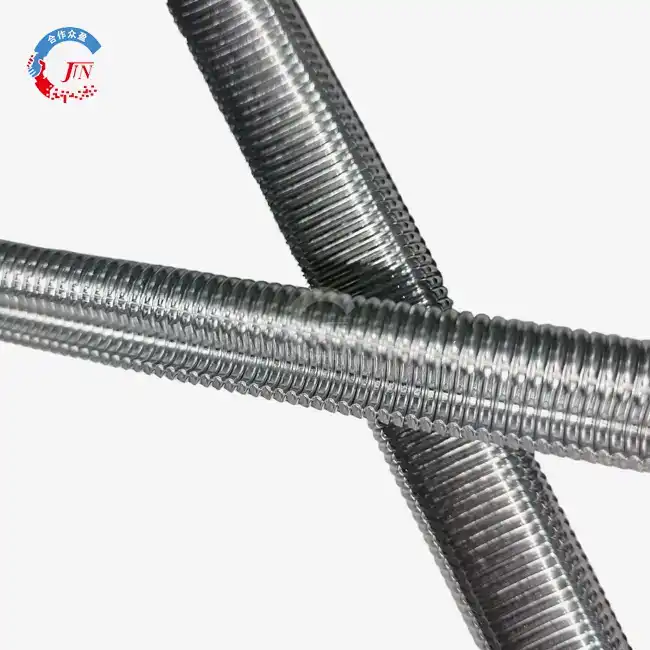
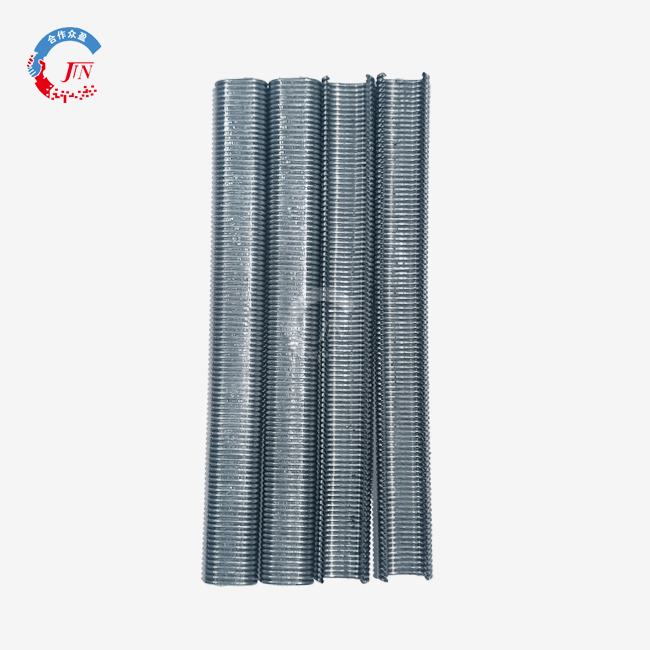
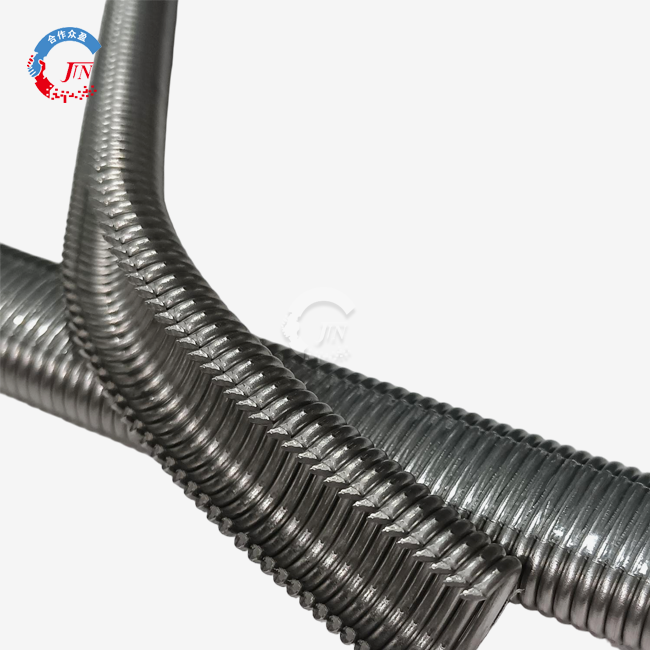
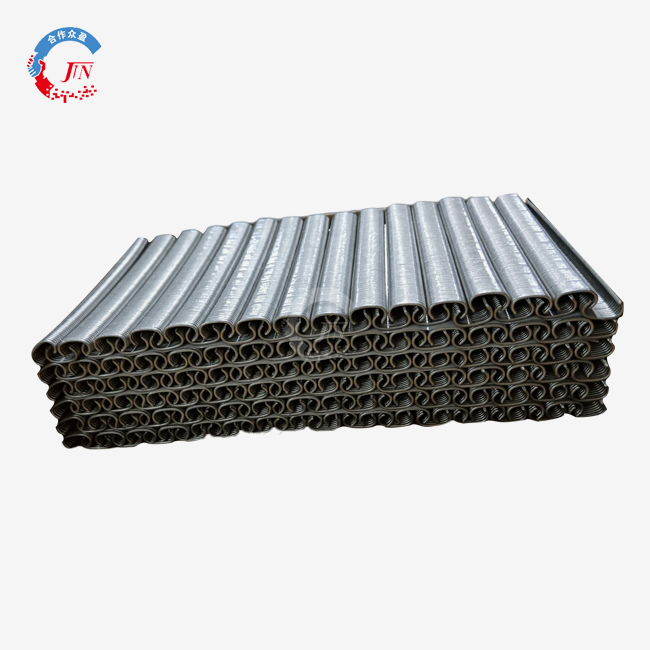
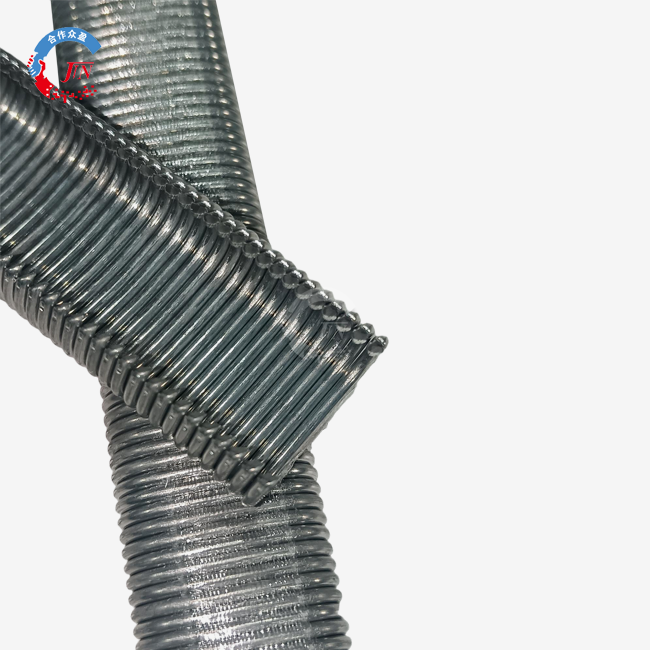
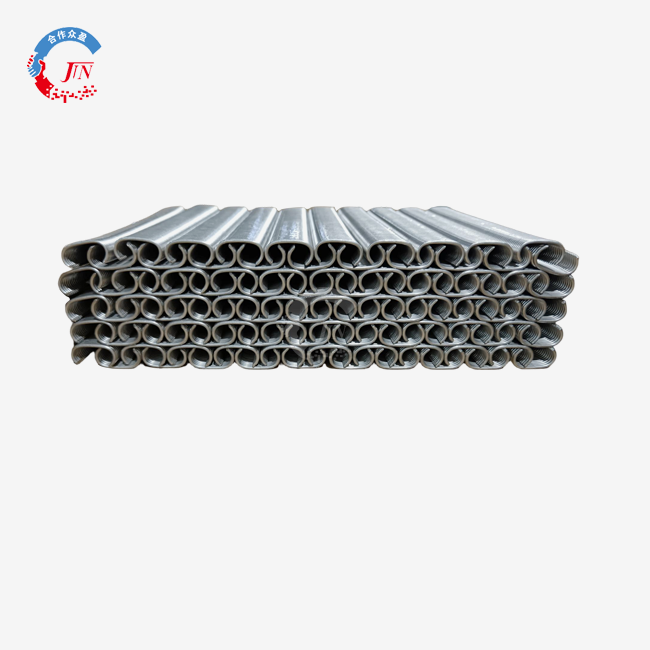
Heavy duty hog rings are strong metal fasteners in the shape of a C that are made to hold things in place in high-stress industrial settings. Unlike regular fasteners, these galvanised steel closures make strong links in a wide range of situations, from putting together mattress springs and car seat covers to building chicken coops and putting up fences. Their coating is resistant to rust, and the way they close is carefully designed to last for a long time. This cuts down on production slowdown caused by broken fasteners or equipment getting stuck.
Understanding Heavy Duty Hog Rings: What They Are and Their Core Uses
Industrial-grade closure systems are what procurement managers use when production lines need clips that won't break under stress from strain or the environment. In industries like making furniture, putting together cars, and making farm equipment, these special links are used in places where regular ones just don't work.
Material Composition and Construction Quality
Material choice is the first step in making sure that a fix works well. Our C-ring fasteners are made of galvanised steel, which doesn't rust in damp industrial settings. The C17 standard says that the width should be 16.9 mm and the height should be 8.7 mm. This gives the best grip power for both hand and air tools. This protective layer makes the service life a lot longer than bare steel options, which is important when your production goals count on having no downtime.
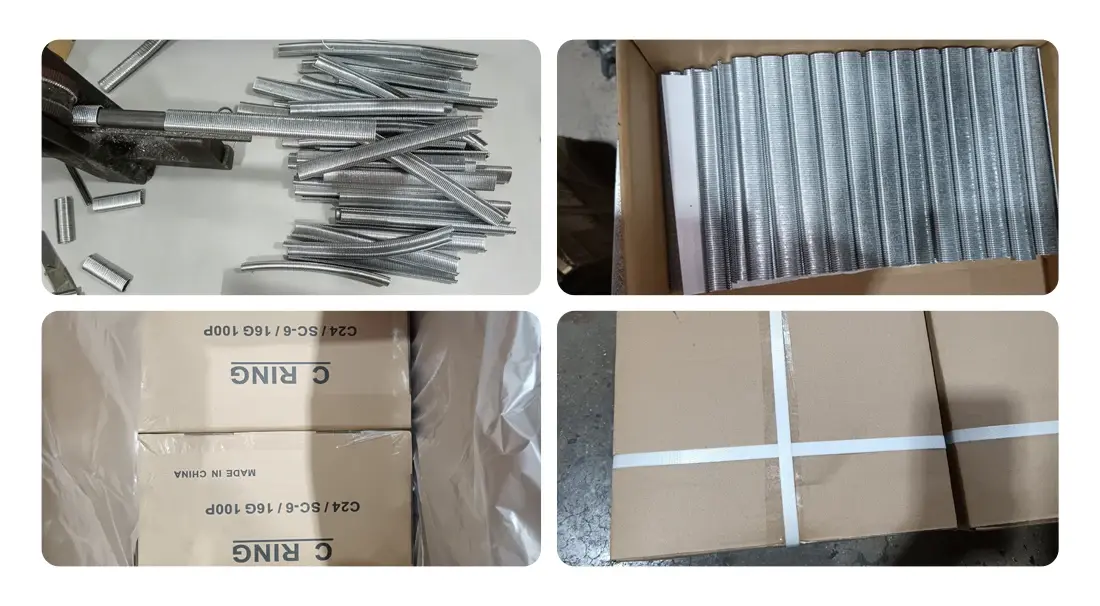
The precise production method makes sure that all batches are the same size. Each clip, including heavy duty hog rings, goes through strict quality checks to make sure the C-shaped hole stays the right shape for tool feeding. Because of this care, frustrating equipment jams don't happen, which would otherwise stop whole production lines and make QA managers run around looking for replacements.
Primary Industrial Applications
These screws are used on factory floors all over North America to solve certain assembly problems. They are used by mattress companies to attach spring systems to frames and bed nets to cloth surfaces without creating pressure points. The closed-loop design spreads the strain out evenly, which stops cloth tears that cause customers to complain and file warranty claims.
Furniture makers like how these connectors handle attaching couch cushions and car seat pillows to upholstery. Even after years of use, the galvanised surface won't stain leather or vinyl with rust. Production managers say that the method speeds up assembly times compared to traditional stitching methods and reduces the number of calls for fixing loose fabric.
Agricultural equipment manufacturers depend on these screws to put together chicken cages and wire mesh. The ability to prevent rust is very important in barns, where ammonia and wetness would quickly break down less durable fasteners. Manufacturers of cages say that moving from other fastening methods has improved structural stability and cut down on upkeep needs.
Advantages Over Standard Fastening Methods
Industrial-grade ring screws are different from consumer choices in a number of ways that affect how well they work. The oil film covering keeps the metal from rusting while it's being stored and makes it easier for air tools to feed. When properly coated screws are used, production leaders see fewer shifts cut short and lower rates of rejects.
Because it doesn't use glue, the design prevents dust buildup that can block automatic assembly equipment's feeding mechanisms. When you add up the real cost per unit, including downtime costs, this cleanliness factor alone makes the investment worth it. Supply chain managers like that there is a steady supply of heavy duty hog rings, with production lead times of 3–5 days and large store stocks.
How to Use Heavy Duty Hog Rings: A Step-by-Step Application Guide
Whether these screws work as well as they could depends on how they are installed correctly. With the right tools and techniques, you can keep materials from getting damaged and make sure that links are strong enough to handle operating stresses.
Essential Tools and Equipment Selection
To fix a hog ring by hand, you need pliers that are made for that gauge and ring width. Standard industrial wrenches can be used with the C17 design, but pneumatic tools make production lines much more productive. Tool compatibility is important because using the wrong tools can lead to fasteners deforming or not closing all the way.
Pneumatic systems make sure that thousands of pins always close with the same amount of power. Before starting full runs, production experts say to test the air pressure settings with samples of the material. When the right amount of pressure is applied, the ring closes fully without stretching the wire or damaging the base materials.
Installation Techniques for Different Materials
Putting together wire mesh and cages needs different techniques. Setting the hole of the ring straight across from the wires that are crossing, squeeze hard until the legs meet. When the fastener is in use, tension can pull it open at weak spots where the closing isn't full. As a key acceptance factor, quality testers look for full leg overlap.
Common Installation Challenges and Solutions
Choosing the right ring size can be hard for people who don't know how the thickness of the material affects how well the closing works. In order for bands with longer legs to properly meet, the wire mesh needs to be thicker. Before placing a big order, procurement professionals should ask for examples to be tested with real production materials.
Damage to the material is usually caused by too much closing force, not by problems with the heavy duty hog rings themselves. Operators should slowly change the tool pressure while keeping an eye out for damage to the base or covering. When you use the right method, you can make clean seals that don't crush the material below or leave tool marks.
Heavy Duty Hog Rings vs Alternatives: Making the Right Choice
The choice of fasteners affects both the cost of production and the efficiency of the product in the long run. Knowing the pros and cons of each choice helps buying teams make choices that help meet production goals without spending too much.
Comparing Strength and Durability Factors
When compared to standard staples or light-duty options, industrial ring fasteners have a higher tensile strength. Instead of focusing force at two penetration places, the closed-loop system spreads stress around the whole circumference. This technical benefit keeps the pullout from failing when the load is changed or loaded over and over again.
Cable ties and zip ties are quick ways to connect things, but they don't provide the long-lasting security that these uses need. Plastic fasteners break down when exposed to UV light and changes in temperature, so they can't be used on outdoor tools or in the body of cars. The building is made of galvanised steel, which stays strong at temperatures from -40°C to 120°C.
Screws and other mechanical fixings are very strong, but they need holes to be drilled first and take longer to install. Because ring fasteners can self-pierce, you don't have to prepare holes for them. They also have the same holding power for most cloth and wire uses. When the number of building steps goes down, production managers figure out that a lot of work will be saved.
Material and Size Variations Explained
There are different gauge choices for different loads and amounts of material. The 16G and 17G versions match the strength of the wire with the amount of penetration force that is needed for fitting. When it comes to high-stress situations, heavier sizes work better, while smaller ones are better for delicate fabrics or thin metal.
Procurement Insights: Where and How to Buy Heavy Duty Hog Rings for Your Business
When making strategic buying choices, unit cost and reliability factors that affect total ownership costs are weighed against each other. Smart buyers look at more than just the prices a seller quotes.
Evaluating Supplier Reliability and Capability
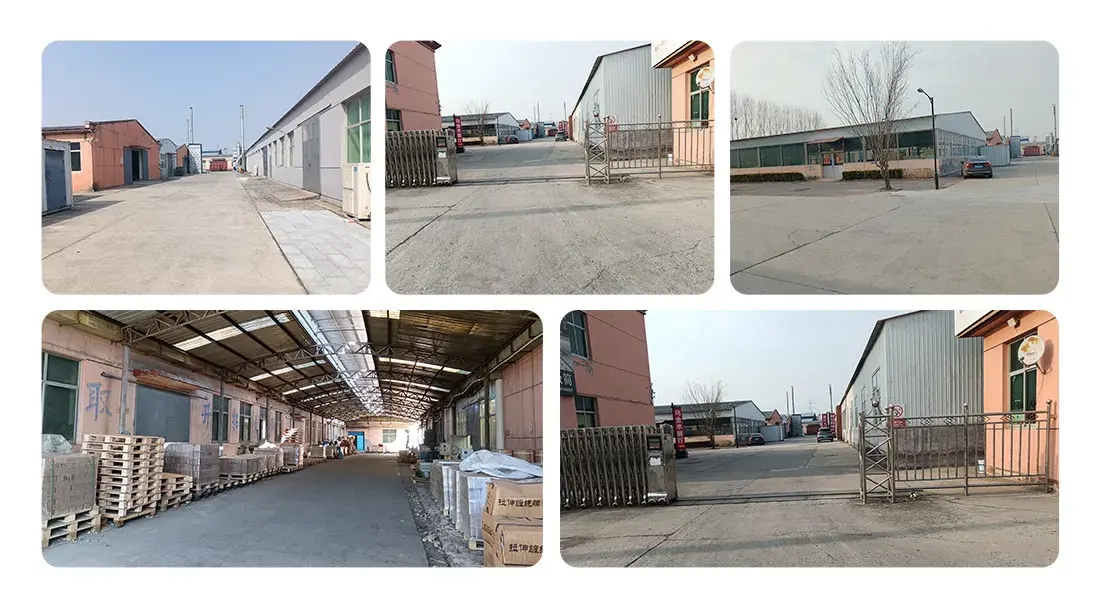
For production to keep going, suppliers must keep enough goods on hand and reply quickly to orders for more. Tianjin Jinzhuang New Materials Technology Co., Ltd. has been in business since 2015 and has become very good at making C-type screws for tough industrial uses. Because it is close to Tianjin Port, full-pallet transfers can be made quickly and with little damage to the goods.
When unexpected production spikes use up stock faster than planned, response time is important. A promise to answer questions within three minutes shows that you have the customer service infrastructure to support industrial processes that need to be done quickly. This speed is very important when production lines are about to shut down because they don't have enough fasteners.
Customization Options for Specialized Needs
In addition to normal galvanisation, custom coating choices can be used to solve certain environmental problems. Buyers who have to deal with high humidity or chemicals can ask for better rust protection that is tailored to their specific business conditions. The engineering team works directly with the buying managers to find the best specs for unique uses.
Balancing Cost and Quality Considerations
It's important to have reasonable prices, but the lowest rate often hides costs that come up during production. Dimensional differences lead to issues with feeding the tool and higher rates of rejects. Rust spots and customer complaints happen when the coating doesn't stick well. Instead of just comparing unit prices, buying managers with a lot of experience look at the overall cost, which includes downtime, rejects, and warranty costs.
Volume pricing systems reward customers who buy from a few trusted providers. Bulk orders get better prices and make sure that the quality stays the same from batch to batch. The stable supply relationship gets rid of the risk changes that happen when you keep moving between manufacturers to find small price differences.
Conclusion
To choose the right fastening solutions, you need to know how the properties of the materials, the ways they are installed, and the skills of the seller all work together to support output goals. Industrial-grade fastening solutions such as heavy duty hog rings work reliably in a wide range of challenging situations, from putting together car seats to making farm equipment. Because they are precision-made, galvanised, and have been shown to work with both hand and pneumatic tools, they are good choices for tasks that need uniform quality and little downtime. When procurement teams work with well-known makers, those manufacturers keep a wide range of Products in stock, answer questions quickly, and can accommodate customisation requests without affecting the trustworthiness of delivery. When product quality and production consistency are important, these fastening systems offer the performance features and provider support needed for long-term success in manufacturing.
FAQ
What ring specifications work best for automotive upholstery?
Manufacturers of car seats usually ask for 16G or 17G bolts with a galvanised finish so that they can handle changes in temperature and moisture inside the car. With a width of 16.9 mm, the C17 standard covers most of the connection points for seat cushions and upholstery. Real seat materials were used for testing to make sure the closing works properly and doesn't damage leather or plastic surfaces.
How do these fasteners compare to cable ties for cage construction?
Metal ring fasteners make lasting links that stay strong even when they are under a lot of stress or are exposed to the elements. Cable ties break down in UV light and get weak in cold weather, which can happen without warning. The closed-loop metal design is hard to tamper with and gives the structure the stability it needs for chicken tools and pet cages, where the safety of the animals rests on the fasteners being secure.
Can custom-sized rings be ordered for unique manufacturing needs?
Sample-based production can meet the specific size needs of different uses. Engineers send samples of the materials and describe the performance needs. They then get trial screws to try before placing orders for mass production. This process makes sure that it works with current assembly tools and meets certain standards for strength and resistance to corrosion. For unique specs, the minimum order quantity changes depending on the need for tools and the schedule for production.
Partner with TJJZ for Reliable Fastening Solutions
TJJZ specialises in making precision-engineered ring bolts that meet the strict needs of companies that make cars, furniture, and farm equipment. Our C17 galvanised ring screws are perfect for high-volume production settings because they don't rust and keep their shape. We can meet both standard and unique fixing needs because we keep a lot of stock on hand and can send within 3–5 days. We can also make custom parts based on samples. Production managers like our smooth-feeding designs because they keep tools from getting stuck and lower the costs of downtime. Professionals in quality assurance like the coating that doesn't rust and the careful making that keeps the product's identity over its lifetime. Get in touch with our technical team at userID@jinzhuangfastener.com to talk about your fastening needs and find out why makers choose TJJZ as their heavy duty hog rings source for important assembly tasks.
References
1. Johnson, M. & Williams, R. (2021). Industrial Fastening Systems: Materials and Applications in Modern Manufacturing. Manufacturing Technology Press.
2. Anderson, P. (2020). Corrosion Resistance in Metal Fasteners: Galvanization Methods and Performance Standards. Materials Engineering Journal, 45(3), 112-128.
3. Thompson, L. (2022). Automotive Seating Assembly: Fastening Technologies and Quality Control Practices. Automotive Manufacturing Review, 18(2), 67-82.
4. Chen, S. & Martinez, D. (2019). Agricultural Equipment Design: Durability Requirements for Cage and Fencing Systems. Journal of Agricultural Engineering, 31(4), 203-219.
5. Roberts, K. (2023). Furniture Manufacturing Efficiency: Comparative Analysis of Upholstery Fastening Methods. Industrial Production Quarterly, 12(1), 44-59.
6. Davis, H. & Brown, T. (2020). Procurement Strategies for Manufacturing Consumables: Quality vs. Cost Analysis. Supply Chain Management Today, 27(3), 156-171.
Learn about our latest products and discounts through SMS or email